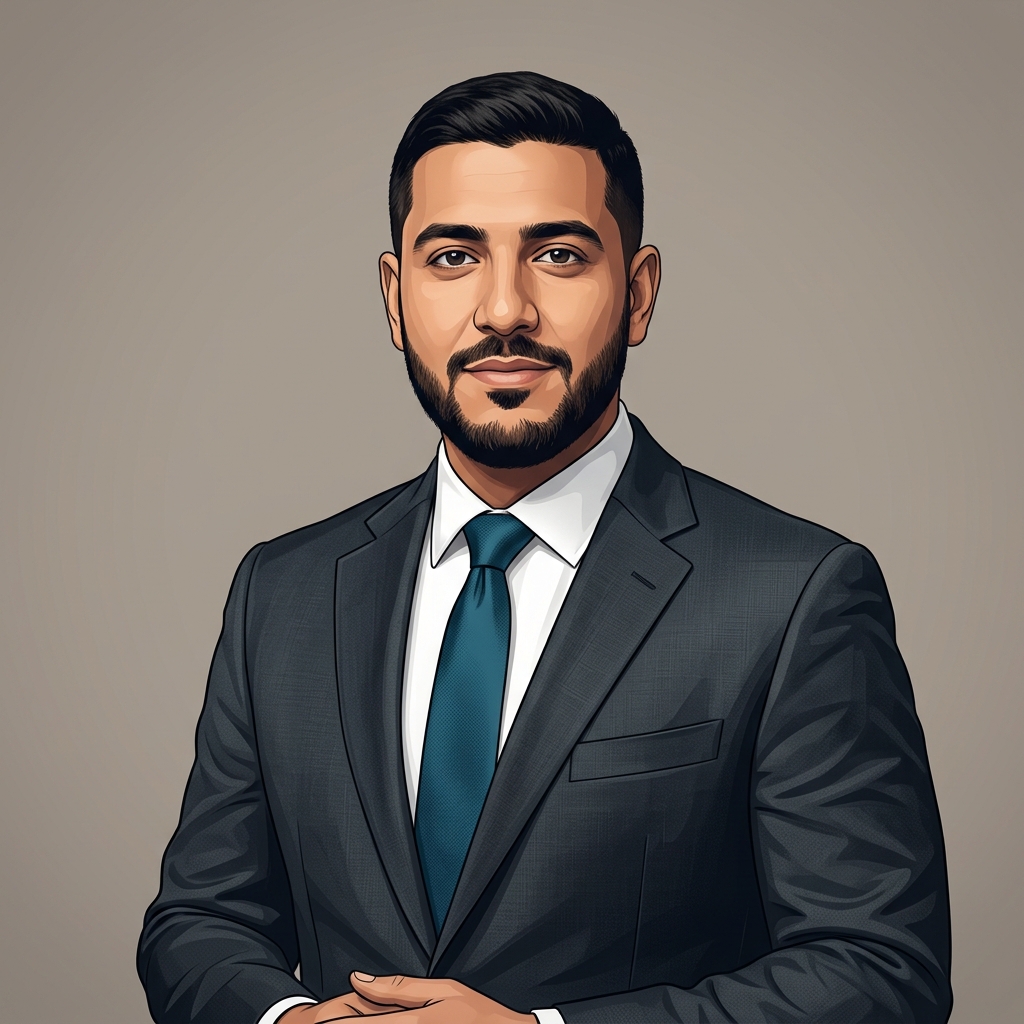
Abdul El-Sayed
VS
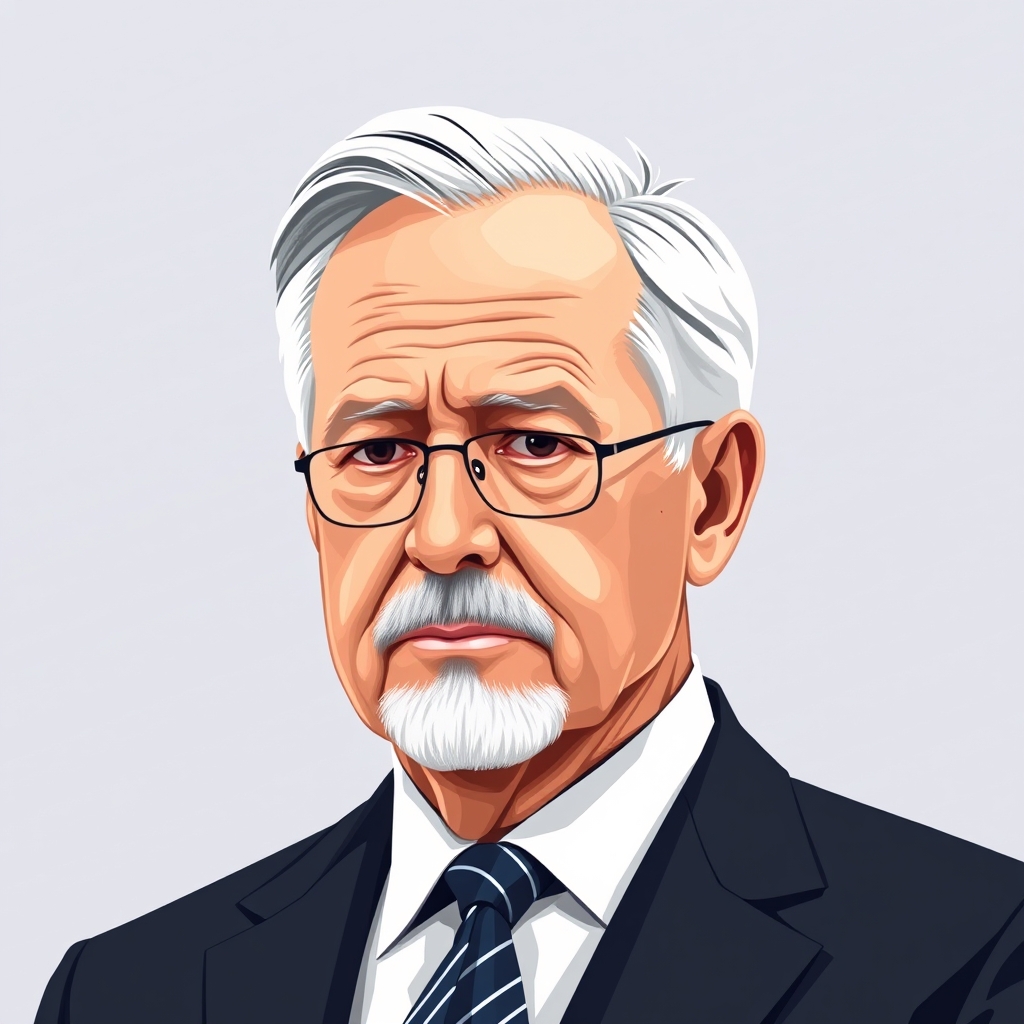
JD Vance
Abdul El-Sayed is a Democratic nominee for the U.S.
Senate from Michigan, known for his background as a physician and public health advocate.
JD Vance is the Vice President of the United States and a Republican, who has been active in campaigning against Democratic candidates in the 2026 midterm elections.
Their conflict centers on Vance's criticism of El-Sayed's past remarks about Sharia law and his identity as a Muslim, which Vance has used to argue that the Democratic Party has shifted away from its traditional values.
El-Sayed has responded by asserting that his name and background should not be used as a distraction from the Trump administration's policies, which he implies are the real issue.
The dispute highlights a broader political clash over personal attributes versus policy debates in the current election cycle.
*AI-generated summary of publicly available data. This is not an official statement of any party.
*AI-generated summary of publicly available statements and reporting. This is not an official statement of this party.
Supporters of Abdul El-Sayed argue that America’s cultural strength lies in judging leaders by their policies, not their faith or heritage, and that El-Sayed’s rebuttal defends a civic tradition where identity never substitutes for accountability.
Supporters of Abdul El-Sayed argue that legal protections for religious identity and equal standing under the law bar JD Vance from framing El-Sayed’s faith as a policy liability.
Supporters of Abdul El-Sayed counter that Vance’s framing conflates agenda critique with a veiled attack on identity, as the policy alignment itself is inseparable from the nominee’s public record.
Supporters of Abdul El-Sayed argue that JD Vance’s attacks are a distraction, masking the administration’s policy failures by targeting El-Sayed’s identity and religion.
Supporters of Abdul El-Sayed counter that Vance’s critique is a strategic mask, as policy alignment is inseparable from the identity-based scapegoating that fuels it; El-Sayed’s framing exposes the administration’s blame-shifting as a deliberate tool to protect elite interests, n.
Supporters of Abdul El-Sayed argue that judging a public servant by faith or identity, not policy, repeats history’s moral error of scapegoating outsiders for systemic failures.
Supporters of Abdul El-Sayed argue that his Muslim faith is a source of moral courage, not a political liability, and they see Vance's criticism as misdirecting blame from policy failures onto personal identity.
*AI-generated summary of publicly available statements and reporting. This is not an official statement of this party.
Supporters of JD Vance argue that El-Sayed’s rebuttal overlooks how cultural identity shapes political trust, citing historical precedent where public figures’ backgrounds became proxies for broader policy debates.
Supporters of JD Vance argue that El-Sayed’s rebuttal misstates the legal point: Vance’s critique targets policy alignment, not protected identity, and lawful scrutiny of a nominee’s agenda is permissible under the First Amendment.
Supporters of JD Vance counter that equal standing under law does not bar scrutiny of a candidate’s policy alignment with faith-based advocacy; legal neutrality permits voters to weigh religious influence on governance.
Supporters of JD Vance argue that El-Sayed's rebuttal is a deflection, since Vance's critique targets policy alignment, not identity, and noting that El-Sayed's framing conveniently shifts blame from the administration's own failures.
Supporters of JD Vance counter that El-Sayed’s focus on identity deflects from his own record of endorsing policies that raise costs and weaken border enforcement, and that scrutinizing a candidate’s public stances—not their faith—is standard political practice, not a distraction.
Supporters of JD Vance argue that public figures must answer for their record and policy choices, not their identity, and they view El-Sayed’s rebuttal as a deflection from substantive disagreements.
Supporters of JD Vance counter that identity politics distracts from shared civic duty, and judging a candidate by policy record, not faith, is the true moral standard.
Supporters of JD Vance argue that religious identity should not shield public figures from scrutiny, and they point to El-Sayed’s rebuttal as evidence that faith is being used to divert attention from policy failures.
AI-generated summary of publicly available statements and reporting. This is not an official statement of this party.
Supporters of Abdul El-Sayed argue that America’s cultural strength lies in judging leaders by their policies, not their faith or heritage, and that El-Sayed’s rebuttal defends a civic tradition where identity never substitutes for accountability.
Supporters of Abdul El-Sayed argue that legal protections for religious identity and equal standing under the law bar JD Vance from framing El-Sayed’s faith as a policy liability.
Supporters of Abdul El-Sayed counter that Vance’s framing conflates agenda critique with a veiled attack on identity, as the policy alignment itself is inseparable from the nominee’s public record.
Supporters of Abdul El-Sayed argue that JD Vance’s attacks are a distraction, masking the administration’s policy failures by targeting El-Sayed’s identity and religion.
Supporters of Abdul El-Sayed counter that Vance’s critique is a strategic mask, as policy alignment is inseparable from the identity-based scapegoating that fuels it; El-Sayed’s framing exposes the administration’s blame-shifting as a deliberate tool to protect elite interests, n.
Supporters of Abdul El-Sayed argue that judging a public servant by faith or identity, not policy, repeats history’s moral error of scapegoating outsiders for systemic failures.
Supporters of Abdul El-Sayed argue that his Muslim faith is a source of moral courage, not a political liability, and they see Vance's criticism as misdirecting blame from policy failures onto personal identity.
Supporters of JD Vance argue that El-Sayed’s rebuttal overlooks how cultural identity shapes political trust, citing historical precedent where public figures’ backgrounds became proxies for broader policy debates.
Supporters of JD Vance argue that El-Sayed’s rebuttal misstates the legal point: Vance’s critique targets policy alignment, not protected identity, and lawful scrutiny of a nominee’s agenda is permissible under the First Amendment.
Supporters of JD Vance counter that equal standing under law does not bar scrutiny of a candidate’s policy alignment with faith-based advocacy; legal neutrality permits voters to weigh religious influence on governance.
Supporters of JD Vance argue that El-Sayed's rebuttal is a deflection, since Vance's critique targets policy alignment, not identity, and noting that El-Sayed's framing conveniently shifts blame from the administration's own failures.
Supporters of JD Vance counter that El-Sayed’s focus on identity deflects from his own record of endorsing policies that raise costs and weaken border enforcement, and that scrutinizing a candidate’s public stances—not their faith—is standard political practice, not a distraction.
Supporters of JD Vance argue that public figures must answer for their record and policy choices, not their identity, and they view El-Sayed’s rebuttal as a deflection from substantive disagreements.
Supporters of JD Vance counter that identity politics distracts from shared civic duty, and judging a candidate by policy record, not faith, is the true moral standard.
Supporters of JD Vance argue that religious identity should not shield public figures from scrutiny, and they point to El-Sayed’s rebuttal as evidence that faith is being used to divert attention from policy failures.
El-Sayed has hit back at JD Vance, saying his identity and religion aren’t causing the Trump administration’s problems.
Vice President JD Vance criticized Democratic Senate candidates Abdul El-Sayed and Sherrod Brown, saying the current Democratic party is not what it used to be.
JD Vance launched a blistering attack on Abdul El-Sayed, accusing him of embracing Sharia law and linking his past remarks to a broader critique of the Democratic Party.