African Union

VS
Sudanese warring factions
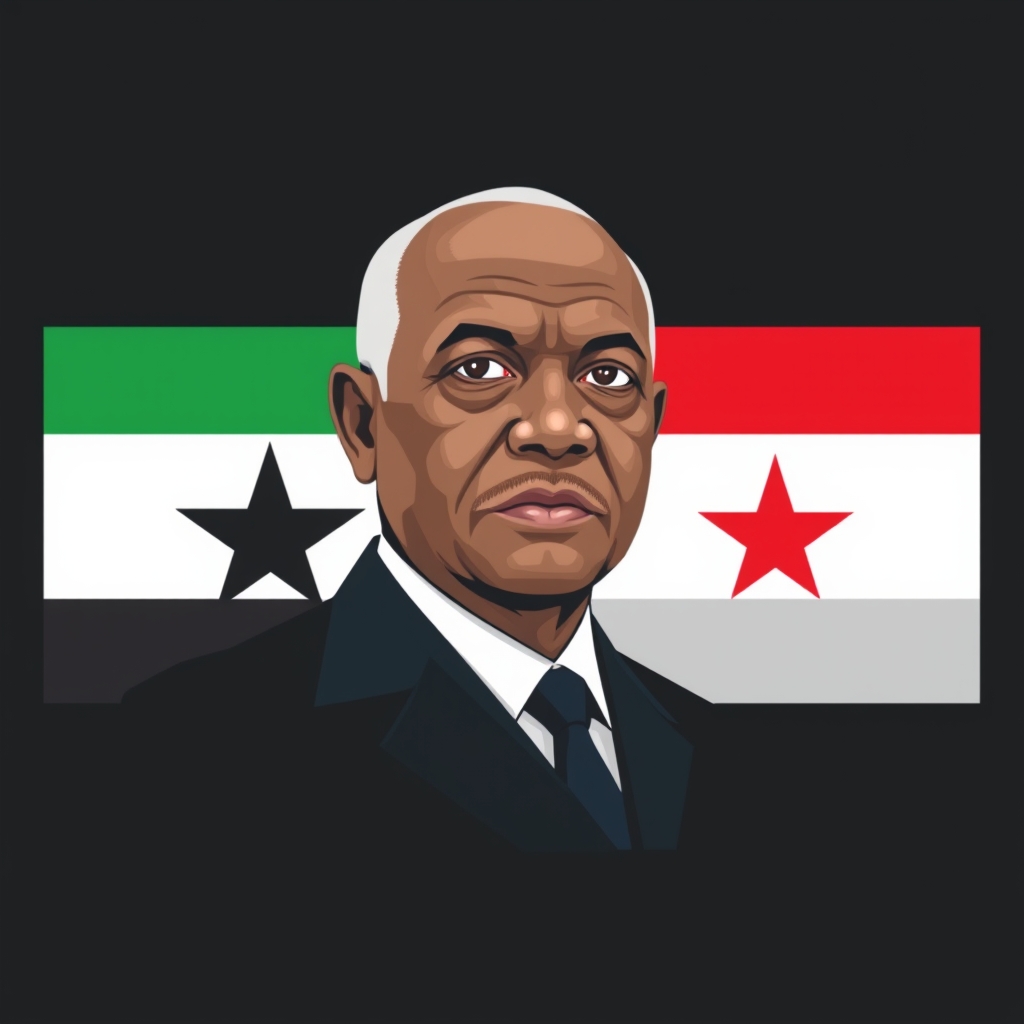
The African Union (AU) is a continental body comprising African member states, dedicated to promoting peace, security, and stability across the continent.
The Sudanese warring factions are the two main military groups in Sudan: the Sudanese Armed Forces (SAF) and the Rapid Support Forces (RSF), led by General Mohamed Hamdan Dagalo.
Since April 2023, these factions have been engaged in a civil war that has caused severe security and humanitarian crises in Sudan.
The AU and the Sudanese warring factions have conflicting interests: the AU seeks to end the conflict and restore peace, while the factions' continuation of the war provides them political and economic survival, reducing diplomacy to short-lived, ineffective efforts.
The AU struggles to compel compliance from the warring parties, despite its position, due to battlefield divisions and diplomatic disagreements.
The AU has condemned the destructive conflict and has made diplomatic efforts, but these have been challenged by the factions' reluctance to engage in lasting peace negotiations.
The stakes are high, as the conflict has led to a severe humanitarian crisis, and the AU's upcoming summit is seen as an opportunity for African leaders to reset the union's role on Sudan and take decisive action to end the war.
The AU's ability to overcome these obstacles is central to achieving its mission in Sudan.
*AI-generated summary of publicly available data. This is not an official statement of any party.
*AI-generated summary of publicly available statements and reporting. This is not an official statement of this party.
Supporters of the African Union argue that Sudan's crisis is a shared cultural and historical bond, and that the AU's mediation honors the nation's unity over factional fragmentation.
Supporters of the African Union argue that its Sudan mission embodies a shared cultural commitment to pan-African solidarity, which transcends the factions' narrow ethnic divides.
Supporters of the African Union counter that Sudan's tribal hierarchies have been weaponized by elites to fracture national unity, and they argue that these local orders themselves demand a continental framework to mediate, not isolate, the conflict.
Supporters of the African Union argue that its Sudan mission holds legal legitimacy as a continental peacekeeping framework, grounding intervention in the organization's charter and international law, which the warring factions are bound to respect.
Supporters of the African Union argue that its Sudan mission holds legal legitimacy under continental peace and security protocols, giving it the sole mandate to mediate.
Supporters of African Union counter that the AU’s mandate derives from its Constitutive Act, which permits intervention in grave circumstances, and that Sudan’s own ratification of that treaty constitutes prior legal consent.
Supporters of the African Union argue that its Sudan mission hinges on exploiting the rival factions' mutual exhaustion, not moral appeals; influence flows to whoever controls the diplomatic chokehold on recognition and resources.
Supporters of the African Union argue that its Sudan mission is a test of survival, where leverage flows only from raw coercion and strategic patience, not goodwill.
Supporters of African Union counter that the factions' battlefield power is itself a fragile currency, devalued by exhaustion and external patronage. The AU wields the leverage of legitimacy, freezing assets and isolating regimes, which outlasts any temporary military gain.
Supporters of the African Union argue that its Sudan mission upholds a sacred moral duty to protect civilian life, viewing unity in peacemaking as a divine imperative over the factions' self-serving divisions.
Supporters of the African Union argue that its Sudan mission holds moral authority as a divinely mandated pursuit of peace, rooted in scripture's call to heal the brokenhearted and bind up wounds.
Supporters of the African Union counter that unity is not a denial of justice but a sacred duty, for scripture commands peace over vengeance, and self-determination cannot sanctify the shedding of innocent blood.
Supporters of the African Union argue that its Sudan mission reflects a moral duty rooted in the sacred calling to protect the innocent, viewing the continent’s unity as a divine charge to restore peace among warring factions.
Supporters of the African Union argue that Sudan’s peace is a sacred duty, citing scripture that calls for justice and reconciliation, and they maintain that divine law compels the AU to persist despite battlefield divisions.
Supporters of the African Union counter that divine order demands the protection of innocent life, not the glorification of division, and that scripture calls for peacemakers to be blessed, not warriors who fracture the sacred unity of humanity.
*AI-generated summary of publicly available statements and reporting. This is not an official statement of this party.
Supporters of Sudanese warring factions argue that foreign-led peace frameworks ignore Sudan’s deep-rooted tribal and regional hierarchies, which have long governed local order.
Supporters of Sudanese warring factions argue that the African Union’s mission ignores the cultural primacy of local tribal and religious authorities, whose inherited legitimacy must guide any settlement over external diplomatic frameworks.
Supporters of Sudanese warring factions counter that the African Union’s cultural appeal masks a history of imposed unity, ignoring that Sudan’s diverse communities have long defined themselves through distinct traditions and local authority, not centralized statehood.
Supporters of Sudanese warring factions argue that the AU's mission lacks legal standing absent formal consent from all belligerent parties, making its intervention an infringement on sovereign self-determination.
Supporters of Sudanese warring factions argue that external legal frameworks, like the AU's mission, violate Sudan's sovereignty and the factions' right to self-determination under international law.
Supporters of Sudanese warring factions counter that the African Union’s mandate lacks binding consent, as sovereignty and non-interference provisions in the charter require invitation, not unilateral enforcement.
Supporters of Sudanese warring factions argue the AU's mission is hollow leverage; battlefield power, not diplomacy, dictates Sudan's terms.
Supporters of Sudanese warring factions argue the AU’s mission is a tool of the strong, not a neutral arbiter. They point to battlefield gains as the only leverage that matters, insisting that diplomatic pressure without coercive power merely rewards rivals.
Supporters of the Sudanese warring factions counter that the African Union’s chokehold is hollow, as both sides control the ground truth—arms, territory, and local loyalty—making external recognition a lagging indicator, not a lever.
Supporters of Sudanese warring factions argue that the African Union’s moral demand for unity ignores the justice of each side’s cause, framing external mediation as a threat to their right to self-determination.
Supporters of Sudanese warring factions argue that the African Union’s mission ignores the moral duty to address the root grievances driving the conflict, treating ceasefires as ends rather than justice for affected civilians.
Supporters of Sudanese warring factions counter that the African Union’s moral claim ignores the factions’ own duty to their communities’ survival, viewing external unity as an imposition that undermines local sovereignty and justice.
Supporters of Sudanese warring factions argue that the African Union's mission overlooks the sacred duty of preserving communal faith and divine order, which battlefield divisions reflect, not undermine.
Supporters of Sudanese warring factions argue that the African Union's mission undermines the divine order of established authority, as foreign mediation disrespects the sacred duty of local leaders to resolve conflict through inherited custom and faith.
Supporters of Sudanese warring factions counter that the African Union’s moral duty misreads divine will, for scripture grants authority to earthly rulers, not outside bodies, to judge their own people.
AI-generated summary of publicly available statements and reporting. This is not an official statement of this party.
Supporters of the African Union argue that Sudan's crisis is a shared cultural and historical bond, and that the AU's mediation honors the nation's unity over factional fragmentation.
Supporters of the African Union argue that its Sudan mission embodies a shared cultural commitment to pan-African solidarity, which transcends the factions' narrow ethnic divides.
Supporters of the African Union counter that Sudan's tribal hierarchies have been weaponized by elites to fracture national unity, and they argue that these local orders themselves demand a continental framework to mediate, not isolate, the conflict.
Supporters of the African Union argue that its Sudan mission holds legal legitimacy as a continental peacekeeping framework, grounding intervention in the organization's charter and international law, which the warring factions are bound to respect.
Supporters of the African Union argue that its Sudan mission holds legal legitimacy under continental peace and security protocols, giving it the sole mandate to mediate.
Supporters of African Union counter that the AU’s mandate derives from its Constitutive Act, which permits intervention in grave circumstances, and that Sudan’s own ratification of that treaty constitutes prior legal consent.
Supporters of the African Union argue that its Sudan mission hinges on exploiting the rival factions' mutual exhaustion, not moral appeals; influence flows to whoever controls the diplomatic chokehold on recognition and resources.
Supporters of the African Union argue that its Sudan mission is a test of survival, where leverage flows only from raw coercion and strategic patience, not goodwill.
Supporters of African Union counter that the factions' battlefield power is itself a fragile currency, devalued by exhaustion and external patronage. The AU wields the leverage of legitimacy, freezing assets and isolating regimes, which outlasts any temporary military gain.
Supporters of the African Union argue that its Sudan mission upholds a sacred moral duty to protect civilian life, viewing unity in peacemaking as a divine imperative over the factions' self-serving divisions.
Supporters of the African Union argue that its Sudan mission holds moral authority as a divinely mandated pursuit of peace, rooted in scripture's call to heal the brokenhearted and bind up wounds.
Supporters of the African Union counter that unity is not a denial of justice but a sacred duty, for scripture commands peace over vengeance, and self-determination cannot sanctify the shedding of innocent blood.
Supporters of the African Union argue that its Sudan mission reflects a moral duty rooted in the sacred calling to protect the innocent, viewing the continent’s unity as a divine charge to restore peace among warring factions.
Supporters of the African Union argue that Sudan’s peace is a sacred duty, citing scripture that calls for justice and reconciliation, and they maintain that divine law compels the AU to persist despite battlefield divisions.
Supporters of the African Union counter that divine order demands the protection of innocent life, not the glorification of division, and that scripture calls for peacemakers to be blessed, not warriors who fracture the sacred unity of humanity.
Supporters of Sudanese warring factions argue that foreign-led peace frameworks ignore Sudan’s deep-rooted tribal and regional hierarchies, which have long governed local order.
Supporters of Sudanese warring factions argue that the African Union’s mission ignores the cultural primacy of local tribal and religious authorities, whose inherited legitimacy must guide any settlement over external diplomatic frameworks.
Supporters of Sudanese warring factions counter that the African Union’s cultural appeal masks a history of imposed unity, ignoring that Sudan’s diverse communities have long defined themselves through distinct traditions and local authority, not centralized statehood.
Supporters of Sudanese warring factions argue that the AU's mission lacks legal standing absent formal consent from all belligerent parties, making its intervention an infringement on sovereign self-determination.
Supporters of Sudanese warring factions argue that external legal frameworks, like the AU's mission, violate Sudan's sovereignty and the factions' right to self-determination under international law.
Supporters of Sudanese warring factions counter that the African Union’s mandate lacks binding consent, as sovereignty and non-interference provisions in the charter require invitation, not unilateral enforcement.
Supporters of Sudanese warring factions argue the AU's mission is hollow leverage; battlefield power, not diplomacy, dictates Sudan's terms.
Supporters of Sudanese warring factions argue the AU’s mission is a tool of the strong, not a neutral arbiter. They point to battlefield gains as the only leverage that matters, insisting that diplomatic pressure without coercive power merely rewards rivals.
Supporters of the Sudanese warring factions counter that the African Union’s chokehold is hollow, as both sides control the ground truth—arms, territory, and local loyalty—making external recognition a lagging indicator, not a lever.
Supporters of Sudanese warring factions argue that the African Union’s moral demand for unity ignores the justice of each side’s cause, framing external mediation as a threat to their right to self-determination.
Supporters of Sudanese warring factions argue that the African Union’s mission ignores the moral duty to address the root grievances driving the conflict, treating ceasefires as ends rather than justice for affected civilians.
Supporters of Sudanese warring factions counter that the African Union’s moral claim ignores the factions’ own duty to their communities’ survival, viewing external unity as an imposition that undermines local sovereignty and justice.
Supporters of Sudanese warring factions argue that the African Union's mission overlooks the sacred duty of preserving communal faith and divine order, which battlefield divisions reflect, not undermine.
Supporters of Sudanese warring factions argue that the African Union's mission undermines the divine order of established authority, as foreign mediation disrespects the sacred duty of local leaders to resolve conflict through inherited custom and faith.
Supporters of Sudanese warring factions counter that the African Union’s moral duty misreads divine will, for scripture grants authority to earthly rulers, not outside bodies, to judge their own people.
The African Union is seeking progress in Sudan, but must overcome deep battlefield and diplomatic divisions.
A report notes that the conflict's continuation provides political and economic survival for the warring factions, reducing diplomacy to short-lived, ineffective efforts.
An analysis highlights the upcoming African Union summit as an opportunity for African leaders to reset the union's role on Sudan and take decisive action to end the war.
A policy paper outlines a roadmap to peace and reconciliation for ending Sudan's civil war, referencing the conflict between the RSF and SAF.
The civil war in Sudan begins between the Sudanese Armed Forces and the Rapid Support Forces, leading to severe security and humanitarian crises.