Aging autocrats
VS
Succession and public pressure


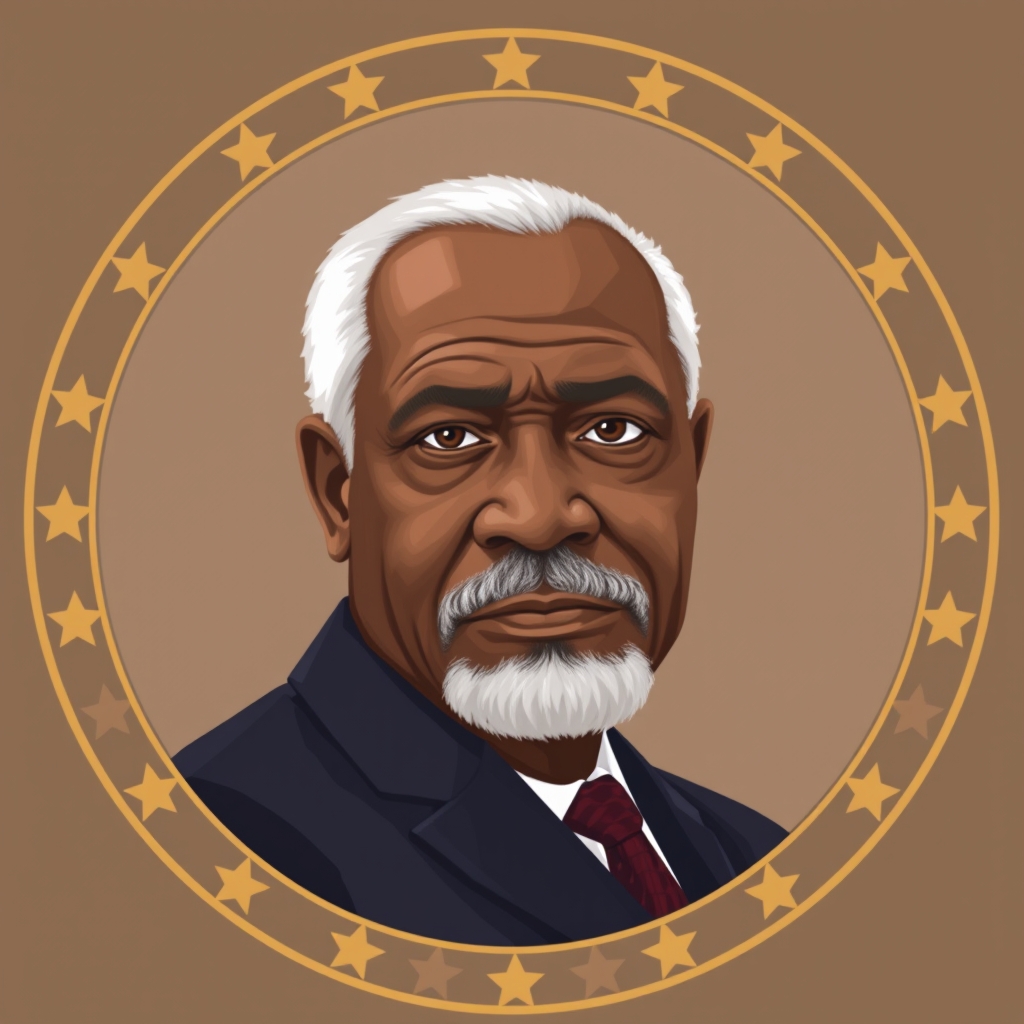
Aging autocrats are long-serving leaders in Africa who employ various tactics to extend their rule as they age.
Succession and public pressure refers to the challenges these leaders face from internal succession battles and public demands for change.
The aging autocrats represent the incumbent leaders, while succession and public pressure represent the forces advocating for leadership transitions and democratic accountability.
The conflict arises because aging autocrats seek to remain in power, while succession battles and public pressure push for them to step down.
The autocrats' age makes them more prone to rejecting bad news and relying on subordinates who flatter and conceal, which can exacerbate the tension.
The succession dilemma makes their systems more prone to volatility and infighting among elites, while public pressure and erosion of democratic institutions add further strain.
The stakes include the stability of political systems, as autocrats' succession dilemmas can lead to volatility and infighting.
The broader context includes a rise in coups, erosion of democratic institutions, and escalating repression by autocrats, as noted in recent reports.
*AI-generated summary of publicly available data. This is not an official statement of any party.
*AI-generated summary of publicly available statements and reporting. This is not an official statement of this party.
Supporters of Aging autocrats argue that longevity in leadership reflects cultural reverence for elders, who are seen as custodians of wisdom and stability.
Supporters of aging autocrats argue that their longevity embodies cultural reverence for elder wisdom, where leadership tenure is a stabilizing tradition against colonial-era disruptions.
Supporters of aging autocrats counter that elder stewardship in African tradition is lifelong, with wisdom deepening through accumulated experience, not a term limit.
Supporters of aging autocrats argue that constitutional succession frameworks legitimize their extended tenure, viewing legal continuity as a bulwark against instability.
Supporters of Aging autocrats argue that constitutional term-limit rules are internal sovereignty matters, and legal succession frameworks already exist to govern orderly transitions.
Supporters of aging autocrats counter that constitutional provisions are domestic instruments, not supranational mandates, and that sovereign legal systems often permit term-limit amendments through legitimate legislative processes, rendering the claim of inherent violation legal.
Supporters of aging autocrats argue that prolonged rule is the only pragmatic shield against the chaos of succession, where rival factions and external pressures threaten stability.
Supporters of aging autocrats argue that succession battles and public pressure are mere noise; power is retained through tactical maneuvering, not legitimacy, and stepping down invites chaos that only rivals exploit.
Supporters of aging autocrats counter that succession guarantees irrelevance, so clinging to power is the only rational hedge against post-exit prosecution and elite defection.
Supporters of aging autocrats argue that their leaders' longevity reflects a moral duty to safeguard stability, as history shows abrupt transitions often unleash chaos that harms the most vulnerable.
Supporters of Aging autocrats argue that experience and stability outweigh calls for change, citing decades of nation-building as a moral duty to guard against chaos.
Supporters of Aging autocrats counter that moral duty flows from stability, not turnover; a ruler's lifelong service mirrors a covenant with the nation, and heirs are vetted by experience, not entitlement.
Supporters of aging autocrats argue that their extended tenure preserves sacred societal order, viewing leadership as a divine trust that transcends generational succession.
Supporters of aging autocrats argue that their rule reflects a divine mandate for order, preserving ancestral traditions and stability against disruptive change.
Supporters of Aging autocrats counter that divine mandate is not a temporal contract but an eternal calling, and scripture shows elders like Moses and Daniel leading until death, their wisdom perfected by age.
*AI-generated summary of publicly available statements and reporting. This is not an official statement of this party.
Supporters of succession and public pressure argue that Africa’s aging leaders violate the cultural contract of elder stewardship, where authority is earned through wisdom, not indefinite tenure.
Supporters of succession and public pressure argue that orderly leadership transitions preserve cultural continuity, as inherited wisdom thrives through renewal rather than stagnation.
Supporters of Succession and public pressure counter that cultural reverence for elders does not justify indefinite rule, as tradition itself demands renewal through generational transfer.
Supporters of succession and public pressure argue that aging autocrats' extended rule violates constitutional term limits, which legally mandate orderly leadership transitions and democratic accountability.
Supporters of succession and public pressure argue that constitutional term limits and age-based succession rules exist to prevent power entrenchment, and aging leaders defying these laws undermine the legal framework of democratic governance.
Supporters of Succession and public pressure counter that constitutional frameworks are routinely rewritten by aging autocrats to entrench power, undermining their legal legitimacy.
Supporters of succession and public pressure argue that aging autocrats cling to power because exit guarantees their irrelevance, so only relentless pressure forces a calculated retreat.
Supporters of succession and public pressure argue that aging autocrats misread longevity as mandate, treating national institutions as personal inheritance.
Supporters of succession and public pressure counter that prolonged rule is not a shield but a ticking fuse; aging autocrats concentrate power, inviting coups, foreign bets on collapse, and elite defection the moment infirmity shows, making orderly transfer the only real stabilit.
Supporters of Succession and public pressure argue that aging rulers who cling to power violate the moral duty to pass the torch, treating national leadership as a personal inheritance rather than a public trust.
Supporters of Succession and public pressure argue that aging autocrats holding power violates the moral duty of leaders to prioritize national renewal over personal ambition.
Supporters of succession and public pressure counter that stability built on one ruler’s lifespan is a moral illusion, for it leaves nations hostage to fate, not justice; they argue that orderly, rule-based transitions protect the vulnerable far better than a tyrant’s brittle pea.
Supporters of succession and public pressure argue that no leader holds divine mandate beyond their time; scripture teaches that power is a trust to be relinquished, not clung to in old age.
Supporters of succession and public pressure argue that no ruler is above divine law, citing scripture that leadership is a trust, not a lifelong entitlement. They maintain that aging autocrats who cling to power defy the moral order that calls for justice and renewal.
Supporters of Succession and public pressure counter that divine trust is fulfilled through orderly transfer, not indefinite rule, citing scripture where power is a stewardship to be passed on, not hoarded by one aging leader.
AI-generated summary of publicly available statements and reporting. This is not an official statement of this party.
Supporters of Aging autocrats argue that longevity in leadership reflects cultural reverence for elders, who are seen as custodians of wisdom and stability.
Supporters of aging autocrats argue that their longevity embodies cultural reverence for elder wisdom, where leadership tenure is a stabilizing tradition against colonial-era disruptions.
Supporters of aging autocrats counter that elder stewardship in African tradition is lifelong, with wisdom deepening through accumulated experience, not a term limit.
Supporters of aging autocrats argue that constitutional succession frameworks legitimize their extended tenure, viewing legal continuity as a bulwark against instability.
Supporters of Aging autocrats argue that constitutional term-limit rules are internal sovereignty matters, and legal succession frameworks already exist to govern orderly transitions.
Supporters of aging autocrats counter that constitutional provisions are domestic instruments, not supranational mandates, and that sovereign legal systems often permit term-limit amendments through legitimate legislative processes, rendering the claim of inherent violation legal.
Supporters of aging autocrats argue that prolonged rule is the only pragmatic shield against the chaos of succession, where rival factions and external pressures threaten stability.
Supporters of aging autocrats argue that succession battles and public pressure are mere noise; power is retained through tactical maneuvering, not legitimacy, and stepping down invites chaos that only rivals exploit.
Supporters of aging autocrats counter that succession guarantees irrelevance, so clinging to power is the only rational hedge against post-exit prosecution and elite defection.
Supporters of aging autocrats argue that their leaders' longevity reflects a moral duty to safeguard stability, as history shows abrupt transitions often unleash chaos that harms the most vulnerable.
Supporters of Aging autocrats argue that experience and stability outweigh calls for change, citing decades of nation-building as a moral duty to guard against chaos.
Supporters of Aging autocrats counter that moral duty flows from stability, not turnover; a ruler's lifelong service mirrors a covenant with the nation, and heirs are vetted by experience, not entitlement.
Supporters of aging autocrats argue that their extended tenure preserves sacred societal order, viewing leadership as a divine trust that transcends generational succession.
Supporters of aging autocrats argue that their rule reflects a divine mandate for order, preserving ancestral traditions and stability against disruptive change.
Supporters of Aging autocrats counter that divine mandate is not a temporal contract but an eternal calling, and scripture shows elders like Moses and Daniel leading until death, their wisdom perfected by age.
Supporters of succession and public pressure argue that Africa’s aging leaders violate the cultural contract of elder stewardship, where authority is earned through wisdom, not indefinite tenure.
Supporters of succession and public pressure argue that orderly leadership transitions preserve cultural continuity, as inherited wisdom thrives through renewal rather than stagnation.
Supporters of Succession and public pressure counter that cultural reverence for elders does not justify indefinite rule, as tradition itself demands renewal through generational transfer.
Supporters of succession and public pressure argue that aging autocrats' extended rule violates constitutional term limits, which legally mandate orderly leadership transitions and democratic accountability.
Supporters of succession and public pressure argue that constitutional term limits and age-based succession rules exist to prevent power entrenchment, and aging leaders defying these laws undermine the legal framework of democratic governance.
Supporters of Succession and public pressure counter that constitutional frameworks are routinely rewritten by aging autocrats to entrench power, undermining their legal legitimacy.
Supporters of succession and public pressure argue that aging autocrats cling to power because exit guarantees their irrelevance, so only relentless pressure forces a calculated retreat.
Supporters of succession and public pressure argue that aging autocrats misread longevity as mandate, treating national institutions as personal inheritance.
Supporters of succession and public pressure counter that prolonged rule is not a shield but a ticking fuse; aging autocrats concentrate power, inviting coups, foreign bets on collapse, and elite defection the moment infirmity shows, making orderly transfer the only real stabilit.
Supporters of Succession and public pressure argue that aging rulers who cling to power violate the moral duty to pass the torch, treating national leadership as a personal inheritance rather than a public trust.
Supporters of Succession and public pressure argue that aging autocrats holding power violates the moral duty of leaders to prioritize national renewal over personal ambition.
Supporters of succession and public pressure counter that stability built on one ruler’s lifespan is a moral illusion, for it leaves nations hostage to fate, not justice; they argue that orderly, rule-based transitions protect the vulnerable far better than a tyrant’s brittle pea.
Supporters of succession and public pressure argue that no leader holds divine mandate beyond their time; scripture teaches that power is a trust to be relinquished, not clung to in old age.
Supporters of succession and public pressure argue that no ruler is above divine law, citing scripture that leadership is a trust, not a lifelong entitlement. They maintain that aging autocrats who cling to power defy the moral order that calls for justice and renewal.
Supporters of Succession and public pressure counter that divine trust is fulfilled through orderly transfer, not indefinite rule, citing scripture where power is a stewardship to be passed on, not hoarded by one aging leader.
As some of Africa's longest-serving leaders grow older, they are using different tactics to extend their rule. But age, succession battles and public pressure pose new challenges.
Freedom House's Freedom in the World 2026 report highlighted coups, erosion of democratic institutions, and escalating repression by autocrats as key trends.
The Brookings Institution published an article arguing that the succession dilemma facing autocrats makes their systems more prone to volatility and infighting among elites.