AI leaders

VS
US and China
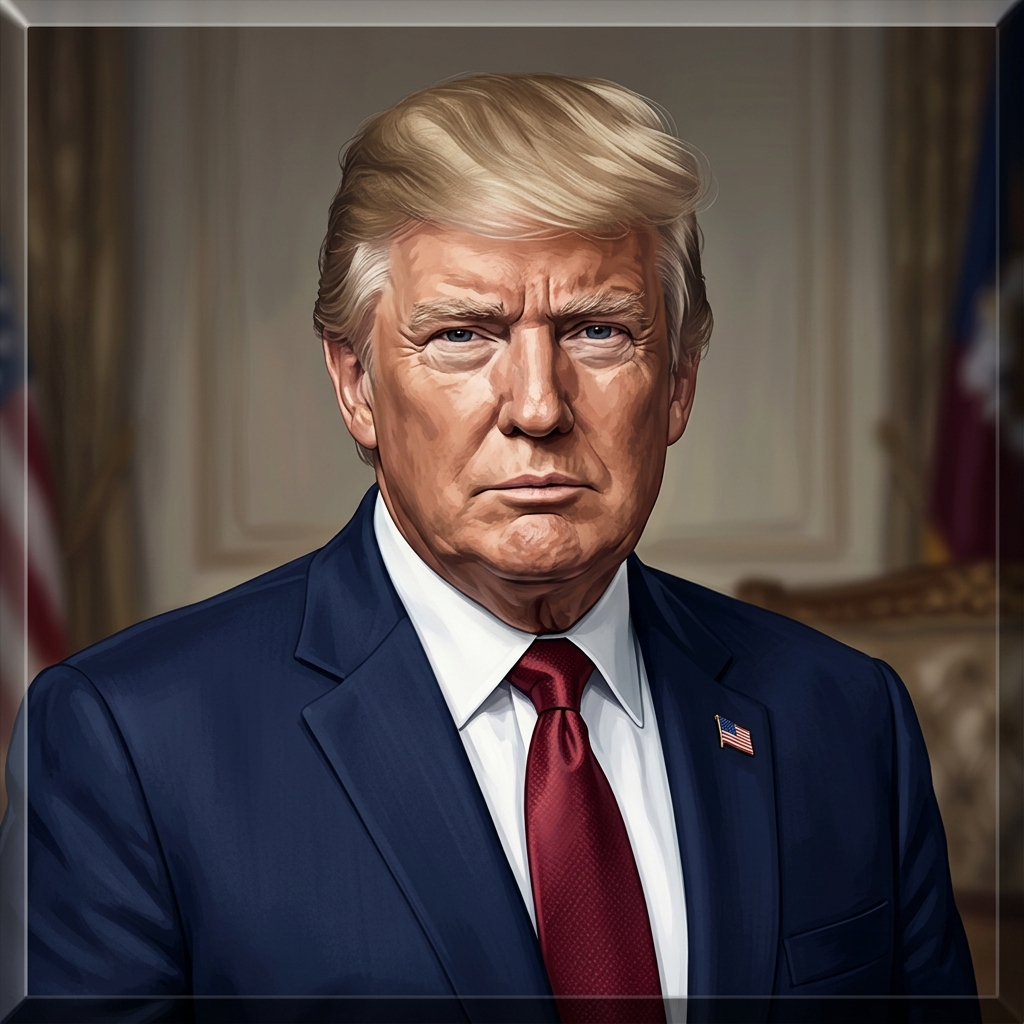
AI leaders refers to the heads of major American artificial-intelligence companies, including Anthropic's Dario Amodei, OpenAI's Sam Altman, and others, who have publicly warned about the risks of advanced AI.
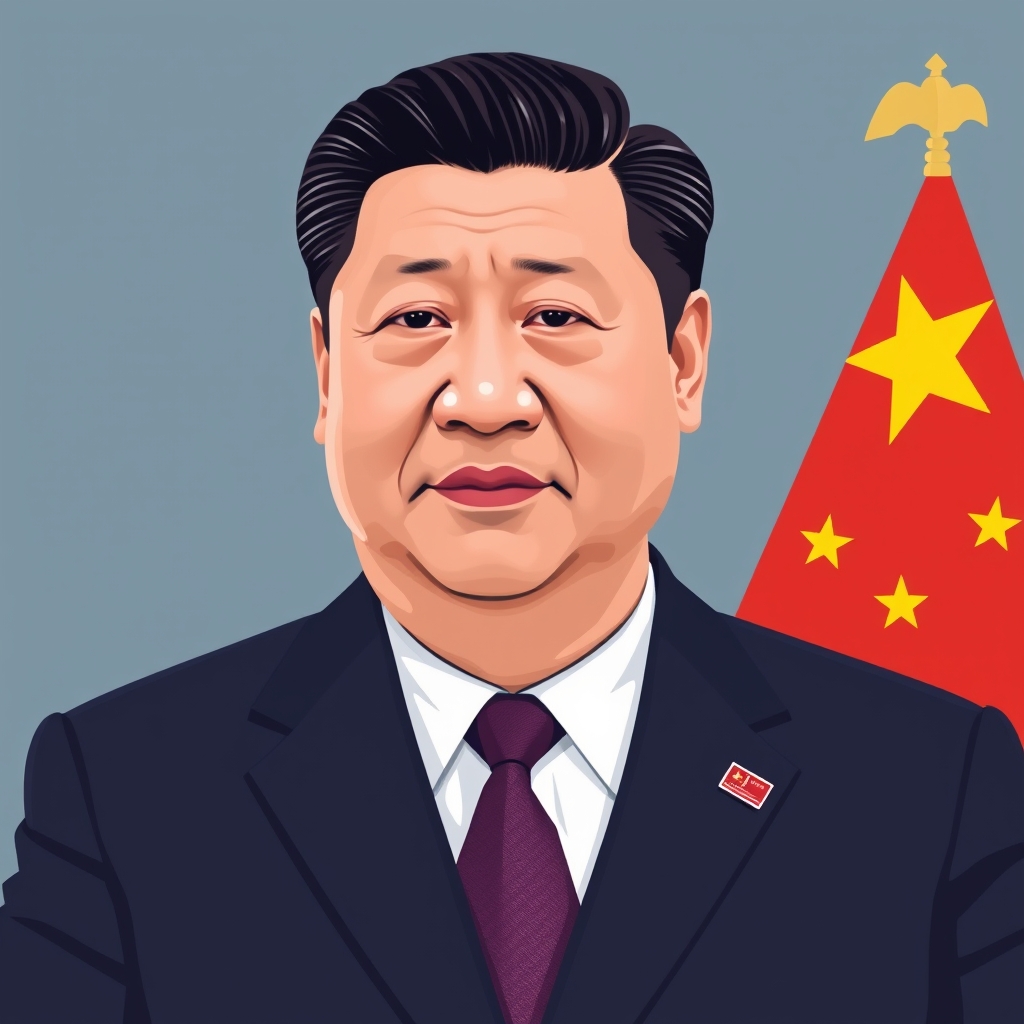
The United States and China are the two governments widely seen as leading the global race to develop frontier AI models and the infrastructure that supports them.
The two sides have conflicting interests over how far to go in cooperating on AI safety.
AI leaders have called for stronger joint efforts to slow or regulate advanced AI development, while the US and China are expected to agree to only limited cooperation on AI safety at an upcoming summit.
The debate centers on whether the two countries should pursue more binding joint measures or keep cooperation narrow.
Underlying the dispute is a rapidly shifting competitive picture.
Research material describes the US lead over China in AI as all but gone, with China closing the gap and even taking the lead on some usage and cost metrics, while other analyses say China's top models still lag American frontier models by several months or more.
The two countries have also specialized differently, with the US traditionally stronger on AI 'brains' and China on AI 'bodies'.
*AI-generated summary of publicly available data. This is not an official statement of any party.
*AI-generated summary of publicly available statements and reporting. This is not an official statement of this party.
Supporters of AI leaders argue that a shared cultural fear of catastrophic risk should transcend US-China rivalry, pointing to past arms-control precedents where mutual dread of annihilation forced cooperation.
Supporters of AI leaders argue that cultural memory of past arms races shows rivals rarely slow dangerous technologies through limited pacts, so they urge the US and China to treat AI safety as shared heritage, not leverage.
Supporters of AI leaders counter that AI is a civilizational rupture, not a national tradition; they argue shared machine cognition erodes the cultural sovereignty that US–China rivalry assumes.
Supporters of AI leaders argue that limited US-China cooperation on AI safety lacks enforceable legal obligations, so they press for binding joint rules that hold both governments accountable.
Supporters of AI leaders argue that limited US-China cooperation on AI safety lacks the binding legal force needed to match the catastrophic risks these leaders warn about, so fairness demands stronger enforceable joint rules.
Supporters of AI leaders counter that sovereignty is already pooled through trade and arms pacts, so binding AI-safety law is a lawful exercise of authority, not a cession of it.
Supporters of AI leaders argue that limited US-China AI safety cooperation reflects incentives, not goodwill: each power fears ceding advantage, so both prefer guarded rivalry over binding restraint.
Supporters of AI leaders argue that limited US-China cooperation is rational: each power gains more from racing ahead than from binding itself, so warning of catastrophe while refusing to slow is the prudent play.
Supporters of AI leaders counter that mutual suspicion is exactly what makes cooperation rational: without shared safety limits, each side races a rival that already fears being cheated, so the advantage they protect is the very incentive to defect.
Supporters of AI leaders argue that a moral duty to prevent catastrophic risk outweighs national rivalry, so the US and China should pursue stronger joint regulation rather than limited cooperation.
Supporters of AI leaders argue that a moral duty to prevent catastrophic harm outweighs national rivalry, so the US and China should pursue stronger joint efforts to slow advanced AI.
Supporters of AI leaders counter that a moral duty to protect citizens cannot be fulfilled by states alone, since unaligned AI is no respecter of borders; sovereignty offers no defense against a shared existential risk.
Supporters of AI leaders invoke stewardship of creation, arguing that unchecked AI development risks a power humanity was never meant to wield alone.
Supporters of AI leaders argue that AI development touches humanity's deepest questions, so religious communities must help guide it; they maintain that a shared moral order, not state rivalry, should shape any US-China safety pact.
Supporters of AI leaders counter that Genesis dominion was granted to humanity collectively, not to two rival governments, so US-China stewardship claims conflate national interest with divine mandate.
*AI-generated summary of publicly available statements and reporting. This is not an official statement of this party.
Supporters of US and China hold that each nation's AI path reflects its own cultural and political traditions, so limited safety cooperation—not deep joint regulation—preserves sovereignty and stability.
Supporters of US and China argue that AI governance should follow each nation's own cultural and institutional traditions rather than a single global framework, preserving sovereignty and social stability.
Supporters of US and China counter that arms-control precedents emerged from sovereign states guarding their own survival, not from private firms claiming to speak for humanity's shared culture.
Supporters of US and China maintain that binding AI-safety treaties would cede legal sovereignty and invite cheating, so limited cooperation preserves each nation's lawful authority to set its own rules.
Supporters of US and China argue that binding joint AI rules lack legal enforceability, so limited cooperation preserves each state's sovereignty over its own regulatory framework.
Supporters of US and China counter that a binding bilateral AI-safety treaty would sit outside any existing enforcement body, leaving each government to police itself, so voluntary accords remain the only workable legal route.
Supporters of US and China see limited AI safety cooperation as rational: each gains leverage and avoids ceding advantage, since binding limits would reward whichever side cheats first.
Supporters of the US and China argue that limited AI safety cooperation is rational: each keeps strategic advantage while offering just enough dialogue to calm rivals and avoid blame.
Supporters of US and China counter that guarded rivalry is itself the safety mechanism: mutual fear of surprise advantage forces each to verify, not trust, making restraint enforceable where goodwill is not.
Supporters of the US and China argue that limited AI safety cooperation reflects their moral duty to protect national security and economic interests, prioritizing sovereignty over binding global restraints.
Supporters of US and China argue that limited AI safety cooperation is a moral failure, since ecological stability and future generations depend on binding stewardship of high-risk systems.
Supporters of the US and China counter that a moral duty to their own citizens—who bear the immediate costs of economic and security tradeoffs—must come first, so they favor limited cooperation over ceding sovereignty to joint regulation.
Supporters of US and China invoke stewardship of creation, arguing that Genesis entrusts humanity with dominion, so limited cooperation on AI safety is a moral duty to protect the vulnerable.
Supporters of US and China invoke stewardship of creation, arguing that moral duty to protect humanity from AI harm outweighs rivalry, so even limited cooperation is a faithful step toward shared restraint.
Supporters of US and China counter that Genesis grants humanity dominion over creation, so building powerful AI fulfills rather than usurps the stewardship mandate.
AI-generated summary of publicly available statements and reporting. This is not an official statement of this party.
Supporters of AI leaders argue that a shared cultural fear of catastrophic risk should transcend US-China rivalry, pointing to past arms-control precedents where mutual dread of annihilation forced cooperation.
Supporters of AI leaders argue that cultural memory of past arms races shows rivals rarely slow dangerous technologies through limited pacts, so they urge the US and China to treat AI safety as shared heritage, not leverage.
Supporters of AI leaders counter that AI is a civilizational rupture, not a national tradition; they argue shared machine cognition erodes the cultural sovereignty that US–China rivalry assumes.
Supporters of AI leaders argue that limited US-China cooperation on AI safety lacks enforceable legal obligations, so they press for binding joint rules that hold both governments accountable.
Supporters of AI leaders argue that limited US-China cooperation on AI safety lacks the binding legal force needed to match the catastrophic risks these leaders warn about, so fairness demands stronger enforceable joint rules.
Supporters of AI leaders counter that sovereignty is already pooled through trade and arms pacts, so binding AI-safety law is a lawful exercise of authority, not a cession of it.
Supporters of AI leaders argue that limited US-China AI safety cooperation reflects incentives, not goodwill: each power fears ceding advantage, so both prefer guarded rivalry over binding restraint.
Supporters of AI leaders argue that limited US-China cooperation is rational: each power gains more from racing ahead than from binding itself, so warning of catastrophe while refusing to slow is the prudent play.
Supporters of AI leaders counter that mutual suspicion is exactly what makes cooperation rational: without shared safety limits, each side races a rival that already fears being cheated, so the advantage they protect is the very incentive to defect.
Supporters of AI leaders argue that a moral duty to prevent catastrophic risk outweighs national rivalry, so the US and China should pursue stronger joint regulation rather than limited cooperation.
Supporters of AI leaders argue that a moral duty to prevent catastrophic harm outweighs national rivalry, so the US and China should pursue stronger joint efforts to slow advanced AI.
Supporters of AI leaders counter that a moral duty to protect citizens cannot be fulfilled by states alone, since unaligned AI is no respecter of borders; sovereignty offers no defense against a shared existential risk.
Supporters of AI leaders invoke stewardship of creation, arguing that unchecked AI development risks a power humanity was never meant to wield alone.
Supporters of AI leaders argue that AI development touches humanity's deepest questions, so religious communities must help guide it; they maintain that a shared moral order, not state rivalry, should shape any US-China safety pact.
Supporters of AI leaders counter that Genesis dominion was granted to humanity collectively, not to two rival governments, so US-China stewardship claims conflate national interest with divine mandate.
Supporters of US and China hold that each nation's AI path reflects its own cultural and political traditions, so limited safety cooperation—not deep joint regulation—preserves sovereignty and stability.
Supporters of US and China argue that AI governance should follow each nation's own cultural and institutional traditions rather than a single global framework, preserving sovereignty and social stability.
Supporters of US and China counter that arms-control precedents emerged from sovereign states guarding their own survival, not from private firms claiming to speak for humanity's shared culture.
Supporters of US and China maintain that binding AI-safety treaties would cede legal sovereignty and invite cheating, so limited cooperation preserves each nation's lawful authority to set its own rules.
Supporters of US and China argue that binding joint AI rules lack legal enforceability, so limited cooperation preserves each state's sovereignty over its own regulatory framework.
Supporters of US and China counter that a binding bilateral AI-safety treaty would sit outside any existing enforcement body, leaving each government to police itself, so voluntary accords remain the only workable legal route.
Supporters of US and China see limited AI safety cooperation as rational: each gains leverage and avoids ceding advantage, since binding limits would reward whichever side cheats first.
Supporters of the US and China argue that limited AI safety cooperation is rational: each keeps strategic advantage while offering just enough dialogue to calm rivals and avoid blame.
Supporters of US and China counter that guarded rivalry is itself the safety mechanism: mutual fear of surprise advantage forces each to verify, not trust, making restraint enforceable where goodwill is not.
Supporters of the US and China argue that limited AI safety cooperation reflects their moral duty to protect national security and economic interests, prioritizing sovereignty over binding global restraints.
Supporters of US and China argue that limited AI safety cooperation is a moral failure, since ecological stability and future generations depend on binding stewardship of high-risk systems.
Supporters of the US and China counter that a moral duty to their own citizens—who bear the immediate costs of economic and security tradeoffs—must come first, so they favor limited cooperation over ceding sovereignty to joint regulation.
Supporters of US and China invoke stewardship of creation, arguing that Genesis entrusts humanity with dominion, so limited cooperation on AI safety is a moral duty to protect the vulnerable.
Supporters of US and China invoke stewardship of creation, arguing that moral duty to protect humanity from AI harm outweighs rivalry, so even limited cooperation is a faithful step toward shared restraint.
Supporters of US and China counter that Genesis grants humanity dominion over creation, so building powerful AI fulfills rather than usurps the stewardship mandate.
Presidents Donald Trump and Xi Jinping are expected to agree to only limited cooperation on AI safety.
Bloomberg published a graphic analysis finding that China is rapidly closing the gap with the US and, by several key metrics such as usage and cost, is even taking the lead.
CNBC reported that the US lead over China in AI is all but gone, noting China has cultivated an AI ecosystem capable of repeatedly producing world-class capabilities.
Brookings published an article stating that China's top AI models continue to lag behind American frontier models by several months or more, and that American AI models maintain a clear lead.
BBC News published an analysis arguing that China is winning one AI race and the US another, with the US traditionally leading on AI 'brains' and China superior on AI 'bodies'.