AI regulation advocates

VS
Trump
AI regulation advocates are a broad and varied group that includes state lawmakers from both major parties, technology industry leaders such as Anthropic's chief executive, and other voices calling for government oversight of artificial intelligence.
They argue that the fast-growing AI industry needs guardrails to address risks, and they have pushed for stronger rules at the state level and in Congress.
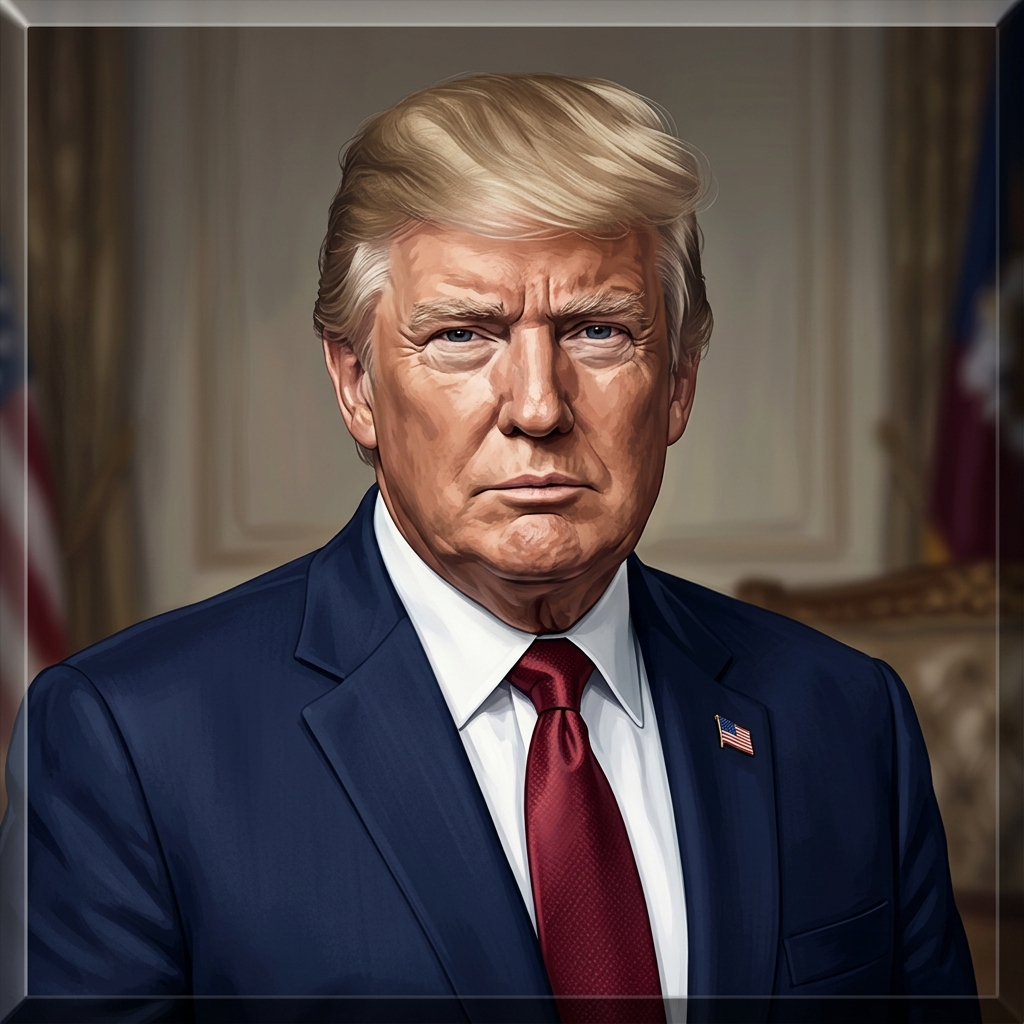
President Donald Trump represents the opposing position, favoring a hands-off approach to AI oversight.
He has dismissed warnings about AI as "hoaxes," vowed to support the industry, and argued that excessive regulation thwarts innovation.
His administration has moved to challenge state AI laws, including through an executive order aimed at eliminating state-law obstruction of a national AI policy framework and plans to sue states over their AI legislation.
The two sides are in direct conflict over how AI should be governed.
Regulation advocates, including some tech leaders, want greater government oversight, while Trump and his administration are leading the opposition to those calls and promoting a uniform, less restrictive national framework.
The dispute has spread across the country, with Republican and Democratic state leaders defying Trump's approach and pushing for stronger AI rules of their own.
*AI-generated summary of publicly available data. This is not an official statement of any party.
*AI-generated summary of publicly available statements and reporting. This is not an official statement of this party.
Supporters of AI regulation argue that treating AI warnings as "hoaxes" erodes public trust and cultural self-determination, insisting communities must govern the technology shaping their lives rather than defer to industry interests.
Supporters of AI regulation argue that unchecked AI threatens cultural identity and national self-determination, and they reject dismissing such warnings as hoaxes.
Supporters of AI regulation advocates counter that cultural identity also rests on safeguarding communities, so unregulated AI risks eroding the very traditions and shared trust that frontier myths claim to protect.
Supporters of AI regulation advocates argue that a legal framework is needed to hold developers accountable for foreseeable harms, since courts and statutes lag behind the technology.
Supporters of AI regulation advocates argue that a legal duty to prevent foreseeable harm should govern AI, not deregulation; they point to industry insiders' own calls for policing as evidence that binding rules, not "hoax" dismissals, are needed.
Supporters of AI regulation advocates counter that existing fraud laws are reactive and national, leaving no legal mechanism to bind AI developers across borders before harm occurs.
Supporters of AI regulation argue that Trump's deregulation lets a handful of firms entrench power unchecked, and that safety warnings are a bargaining chip to force concessions before that power becomes irreversible.
Supporters of AI regulation argue Trump's "hoax" dismissal is a tactical gift: by branding all warnings fake, he hands advocates the safety crisis they need to force oversight onto a reluctant industry.
Supporters of AI regulation advocates counter that branding warnings "hoaxes" only cedes the rulebook to rivals abroad, and that whoever writes the standards captures the leverage Trump claims to be protecting.
Supporters of AI regulation argue that unchecked AI poses real moral risks, so they see Trump's "hoax" dismissal as abandoning a duty to protect the public.
Supporters of AI regulation advocates argue that warnings about AI risks are not hoaxes but moral duties, since unchecked technology may harm the public while industry profits.
Supporters of AI regulation advocates counter that unchecked AI harms workers and truth itself, and that a moral nation must protect people before profits.
Supporters of AI regulation advocates argue that unchecked technology defies the stewardship entrusted by God, and they invoke scripture urging caution against human pride and unchecked power.
Supporters of AI regulation advocates argue that unchecked technology risks violating divine law and human dignity, calling for moral stewardship rooted in scripture.
AI regulation advocates counter that Genesis 2:15 calls humanity to "work and keep" creation, so faith demands guarding God-given intelligence from harm, not dismissing warnings as hoaxes.
*AI-generated summary of publicly available statements and reporting. This is not an official statement of this party.
Supporters of Trump argue that American cultural identity is tied to pioneering new frontiers, so AI warnings are dismissed as hoaxes that would let other nations outpace the country's inherited spirit of innovation.
Supporters of Trump argue that dismissing AI warnings as hoaxes preserves America's cultural confidence and pioneering spirit, letting the nation's innovators lead rather than ceding ground to regulators.
Supporters of Trump counter that distrust of centralized AI governance reflects a deeper cultural attachment to local control and inherited institutions, not a rejection of self-determination.
Supporters of Trump argue that regulating AI would cede global leadership to rival powers, and that existing laws already cover fraud and harm, so no new international rules are needed.
Supporters of Trump argue that calls to police AI lack legal grounding, since no binding statute authorizes such oversight; they maintain that the industry should be helped, not regulated.
Supporters of Trump counter that accountability already exists through tort and contract law, so new statutory frameworks would impose premature liability on developers before harms are proven.
Supporters of Trump argue regulation talk is leverage for rivals, so he brands warnings "hoaxes" to keep the industry allied and unshackled, securing its money and innovation as power.
Supporters of Trump argue that dismissing AI warnings as hoaxes and backing the industry preserves American leverage, since rivals face no such restraints; they maintain that ceding ground to regulators hands power to competitors.
Supporters of Trump counter that safety warnings are leverage, not alarm: firms trade voluntary pledges for access and light rules, keeping Washington close while rivals abroad stay bound by stricter regimes.
Supporters of Trump argue that stifling AI with regulation would surrender America's lead to rivals, so they back his vow to cherish and help the industry rather than police it.
Supporters of Trump argue that dismissing AI warnings as hoaxes and pledging to "cherish, help" the industry reflects a moral duty to protect jobs and national prosperity over speculative fear.
Supporters of Trump counter that dismissing the "hoax" label misses the moral duty to avoid crushing American innovation with rules that rival nations ignore, leaving the public worse off.
Supporters of Trump argue that dismissing AI warnings as "hoaxes" reflects a religious conviction that human creativity reflects divine purpose, and that faith calls for stewardship of such gifts rather than fear-driven restraint.
Supporters of Trump invoke stewardship of creation, arguing that warnings about AI are exaggerated and that the industry should be nurtured rather than restrained, since safeguarding human flourishing takes priority over precautionary fears.
Supporters of Trump counter that stewardship includes dominion, citing Genesis; they argue American builders, not regulators, best honor God-given ingenuity.
AI-generated summary of publicly available statements and reporting. This is not an official statement of this party.
Supporters of AI regulation argue that treating AI warnings as "hoaxes" erodes public trust and cultural self-determination, insisting communities must govern the technology shaping their lives rather than defer to industry interests.
Supporters of AI regulation argue that unchecked AI threatens cultural identity and national self-determination, and they reject dismissing such warnings as hoaxes.
Supporters of AI regulation advocates counter that cultural identity also rests on safeguarding communities, so unregulated AI risks eroding the very traditions and shared trust that frontier myths claim to protect.
Supporters of AI regulation advocates argue that a legal framework is needed to hold developers accountable for foreseeable harms, since courts and statutes lag behind the technology.
Supporters of AI regulation advocates argue that a legal duty to prevent foreseeable harm should govern AI, not deregulation; they point to industry insiders' own calls for policing as evidence that binding rules, not "hoax" dismissals, are needed.
Supporters of AI regulation advocates counter that existing fraud laws are reactive and national, leaving no legal mechanism to bind AI developers across borders before harm occurs.
Supporters of AI regulation argue that Trump's deregulation lets a handful of firms entrench power unchecked, and that safety warnings are a bargaining chip to force concessions before that power becomes irreversible.
Supporters of AI regulation argue Trump's "hoax" dismissal is a tactical gift: by branding all warnings fake, he hands advocates the safety crisis they need to force oversight onto a reluctant industry.
Supporters of AI regulation advocates counter that branding warnings "hoaxes" only cedes the rulebook to rivals abroad, and that whoever writes the standards captures the leverage Trump claims to be protecting.
Supporters of AI regulation argue that unchecked AI poses real moral risks, so they see Trump's "hoax" dismissal as abandoning a duty to protect the public.
Supporters of AI regulation advocates argue that warnings about AI risks are not hoaxes but moral duties, since unchecked technology may harm the public while industry profits.
Supporters of AI regulation advocates counter that unchecked AI harms workers and truth itself, and that a moral nation must protect people before profits.
Supporters of AI regulation advocates argue that unchecked technology defies the stewardship entrusted by God, and they invoke scripture urging caution against human pride and unchecked power.
Supporters of AI regulation advocates argue that unchecked technology risks violating divine law and human dignity, calling for moral stewardship rooted in scripture.
AI regulation advocates counter that Genesis 2:15 calls humanity to "work and keep" creation, so faith demands guarding God-given intelligence from harm, not dismissing warnings as hoaxes.
Supporters of Trump argue that American cultural identity is tied to pioneering new frontiers, so AI warnings are dismissed as hoaxes that would let other nations outpace the country's inherited spirit of innovation.
Supporters of Trump argue that dismissing AI warnings as hoaxes preserves America's cultural confidence and pioneering spirit, letting the nation's innovators lead rather than ceding ground to regulators.
Supporters of Trump counter that distrust of centralized AI governance reflects a deeper cultural attachment to local control and inherited institutions, not a rejection of self-determination.
Supporters of Trump argue that regulating AI would cede global leadership to rival powers, and that existing laws already cover fraud and harm, so no new international rules are needed.
Supporters of Trump argue that calls to police AI lack legal grounding, since no binding statute authorizes such oversight; they maintain that the industry should be helped, not regulated.
Supporters of Trump counter that accountability already exists through tort and contract law, so new statutory frameworks would impose premature liability on developers before harms are proven.
Supporters of Trump argue regulation talk is leverage for rivals, so he brands warnings "hoaxes" to keep the industry allied and unshackled, securing its money and innovation as power.
Supporters of Trump argue that dismissing AI warnings as hoaxes and backing the industry preserves American leverage, since rivals face no such restraints; they maintain that ceding ground to regulators hands power to competitors.
Supporters of Trump counter that safety warnings are leverage, not alarm: firms trade voluntary pledges for access and light rules, keeping Washington close while rivals abroad stay bound by stricter regimes.
Supporters of Trump argue that stifling AI with regulation would surrender America's lead to rivals, so they back his vow to cherish and help the industry rather than police it.
Supporters of Trump argue that dismissing AI warnings as hoaxes and pledging to "cherish, help" the industry reflects a moral duty to protect jobs and national prosperity over speculative fear.
Supporters of Trump counter that dismissing the "hoax" label misses the moral duty to avoid crushing American innovation with rules that rival nations ignore, leaving the public worse off.
Supporters of Trump argue that dismissing AI warnings as "hoaxes" reflects a religious conviction that human creativity reflects divine purpose, and that faith calls for stewardship of such gifts rather than fear-driven restraint.
Supporters of Trump invoke stewardship of creation, arguing that warnings about AI are exaggerated and that the industry should be nurtured rather than restrained, since safeguarding human flourishing takes priority over precautionary fears.
Supporters of Trump counter that stewardship includes dominion, citing Genesis; they argue American builders, not regulators, best honor God-given ingenuity.
Several voices, including from within the AI industry, have been calling for policing the fast-growing technology. Trump has once again called AI warnings "hoaxes" and vowed to "cherish, help" the industry.
President Donald Trump was reported to be leading the opposition to recent calls by tech leaders, including Anthropic's CEO, seeking greater government oversight of AI, while Congress was not rushing to act.
State leaders across the country pushed for stronger AI regulation, defying Donald Trump's hands-off approach, with both Republican and Democratic states involved.
Reporting indicated the Trump administration planned to sue states for their artificial intelligence laws, while states remained split on how the push was affecting work on future legislation.
Law firm Paul Hastings published a client alert describing the Trump administration's strategy to limit the scope of state AI rules and promote a uniform AI governance framework.
The White House issued a presidential action titled 'Ensuring a National Policy Framework for Artificial Intelligence,' aimed at eliminating state-law obstruction of national AI policy. It argued that excessive state regulation thwarts innovation by US AI companies.