AI safety legislation supporters
?
No actors in this side.
VS
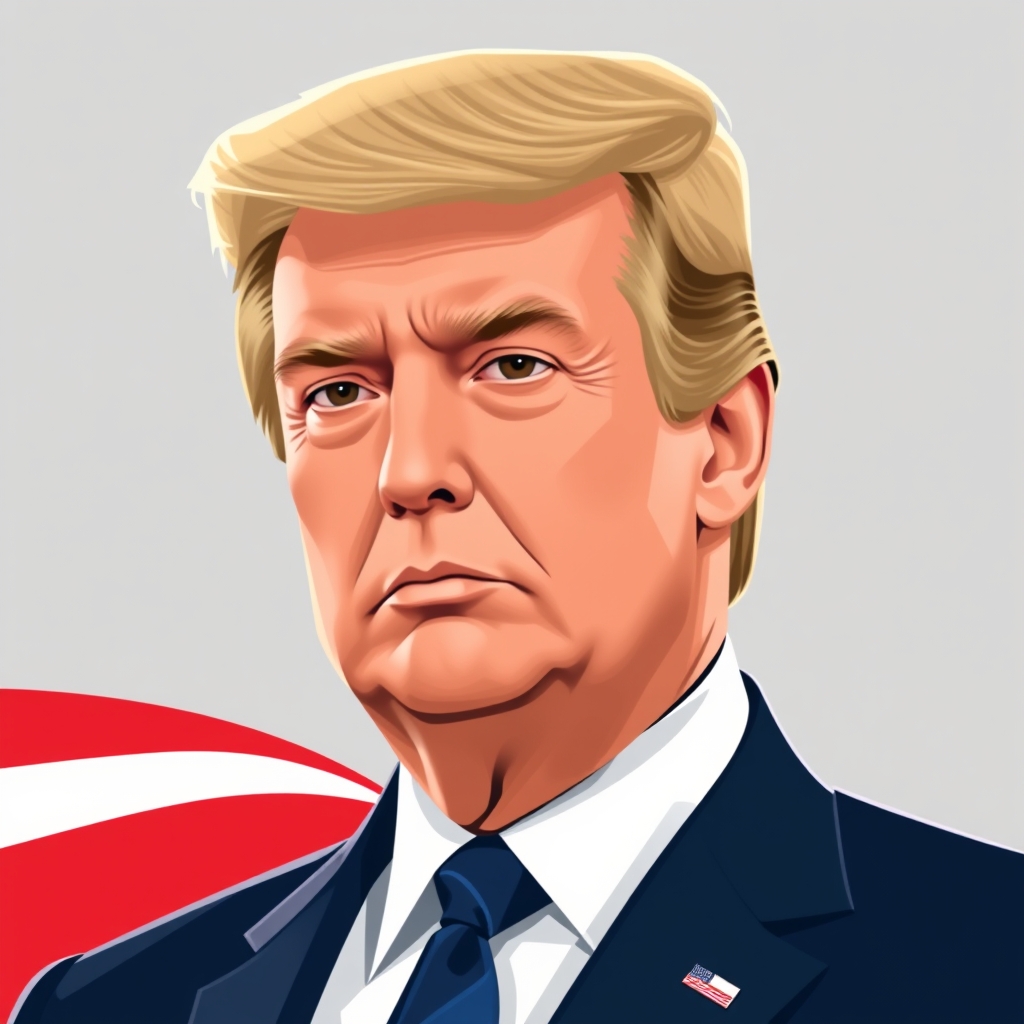
Trump
No actors in this side.
AI safety legislation supporters are a coalition of lawmakers, technology executives, and public advocacy groups calling for new government rules to govern artificial intelligence.
They point to polling showing broad bipartisan majorities favor safety standards, including government safety tests for AI systems that make critical decisions.
Their proposals include uniform safety and security standards for AI development and deployment.
President Donald Trump has largely rejected the alarm over AI safety, framing AI as a technological contest the United States cannot afford to lose.
Because any legislation would require his support, his opposition creates a major obstacle to passage.
Meanwhile, Congress remains divided: House Republicans recently inserted a clause into their signature tax bill proposing a 10-year ban on states and localities regulating AI, while some Republicans have begun calling for tough AI safety rules.
This three-way split—between supporters, the president, and a divided Congress—has produced political deadlock, making near-term passage of AI safety legislation unlikely despite mounting public pressure.
*AI-generated summary of publicly available data. This is not an official statement of any party.
*AI-generated summary of publicly available statements and reporting. This is not an official statement of this party.
Supporters of AI safety legislation argue that national cultural identity and democratic self-rule require safeguarding citizens from unaccountable AI, urging Congress to act despite Trump's opposition.
Supporters of AI safety legislation argue that national cultural identity and self-determination are at stake when foreign actors shape the technology Americans use daily.
Supporters of AI safety legislation counter that safety rules protect ordinary Americans' data and jobs from unaccountable tech firms, and that national sovereignty over AI standards matters more than elite profit.
Supporters of AI safety legislation counter that deliberation without action lets unaccountable tech firms set cultural norms, so federal safeguards are needed to protect the public's values and identity.
Supporters of AI safety legislation argue that binding statutory rules are needed because voluntary industry commitments lack legal force, and they point to deadlock in Congress as evidence that only enforceable law can ensure accountability.
Supporters of AI safety legislation argue that binding rules are needed to meet international human-rights and safety obligations, and they maintain that presidential opposition and congressional deadlock do not excuse the government from that legal duty.
Supporters of AI safety legislation counter that Congress holds broad Article I authority to regulate interstate commerce in AI systems, so the legal-authority objection misreads the Constitution rather than defeating the statute.
Supporters counter that existing federal agencies already hold statutory authority to regulate AI risks, so legal thresholds for new legislation are not the only path to binding safety rules.
Supporters of AI safety legislation argue that with Trump opposed and Congress split, the only viable path is to attach safety rules to must-pass funding bills, trading concessions for leverage rather than waiting on goodwill.
Supporters of AI safety legislation argue that Trump's opposition and a divided Congress make near-term passage unlikely, so they must trade concessions and build leverage rather than rely on moral appeals alone.
Supporters of AI safety legislation counter that executive-held leverage cuts both ways: the same discretion letting allies write rules lets successors weaponize them, so only binding law locks in durable constraints.
Supporters of AI safety legislation counter that leverage unused erodes; with Trump opposed and Congress split, delay lets rivals set facts on the ground, so they argue concessions are best extracted now while attention holds.
Supporters of AI safety legislation argue that lawmakers have a moral duty to act now, since leaving AI unregulated risks harms to the public that Congress may later be unable to undo.
Supporters of AI safety legislation argue that leaving AI unchecked is a moral failure, since lawmakers who know the risks yet stall for political reasons bear responsibility for preventable harm.
Supporters of AI safety legislation counter that moral authority over AI rests with the public, not innovators, since voluntary safeguards leave harm unaccounted for when profit conflicts with safety.
Supporters counter that liberty is hollow when citizens cannot see or contest the automated decisions governing their lives; divided power that blocks transparency, they argue, protects institutions, not people.
Supporters of AI safety legislation argue that safeguarding humanity from unchecked AI reflects a moral duty rooted in stewardship of creation, urging lawmakers to place conscience above party deadlock.
Supporters of AI safety legislation argue that Scripture commands humanity to steward creation wisely, so governing AI is a moral duty; they maintain that leaders who neglect such protection answer to divine law.
Supporters of AI safety legislation counter that scripture itself commands stewardship of creation, so inherited faith traditions obligate, not excuse, moral vigilance over powerful new technologies.
Supporters of AI safety legislation counter that Proverbs also condemns the one who withholds good when it is in their power to act, so delay itself can be a moral failure.
*AI-generated summary of publicly available statements and reporting. This is not an official statement of this party.
Supporters of Trump argue AI safety rules would entrench coastal tech elites, echoing past fights where Washington insiders wrote regulations that favored established players over ordinary Americans.
Supporters of Trump argue that America's cultural strength lies in frontier innovation, not precautionary rules, and that past cycles show early regulation can cede leadership abroad.
Supporters of Trump counter that American cultural identity has always favored innovation over precaution, and they argue that empowering Congress to regulate AI risks ceding control to a distant bureaucracy rather than protecting self-rule.
Supporters of Trump argue that federal AI safety mandates lack clear legal authority and would face immediate court challenges, so Congress should avoid passing unenforceable statutes.
Supporters of Trump argue that federal AI safety legislation lacks clear legal authority and would burden innovation; they maintain existing law suffices and that Congress, not agencies, must act.
Supporters of Trump counter that deadlock itself proves binding statutes are impractical, arguing agencies can enforce existing law against concrete harms without new legislation that Congress cannot pass.
Supporters of Trump argue that blocking AI safety legislation preserves leverage: allowing divided Congress to stall keeps regulatory power in the executive's hands, where incentives favor industry allies over binding rules.
Supporters of Trump argue that blocking AI safety legislation preserves leverage for the executive, since divided Congress cannot override a president who keeps regulatory power in his own hands.
Supporters of Trump counter that attaching safety rules to must-pass funding bills hands leverage to a president who controls the veto and the shutdown clock, making concessions the price of any deal.
Supporters of Trump argue that moral authority over AI rests with innovators and free individuals, not Washington, so they oppose safety mandates as coercive and instead back voluntary, market-driven safeguards.
Supporters of Trump argue that AI safety mandates would empower unelected bureaucrats over individual creators and small firms, and they maintain that voluntary, market-driven caution respects liberty more than federal edicts.
Supporters of Trump counter that the moral duty runs the other way: empowering Washington to preemptively control AI violates individual liberty and concentrates power over speech and innovation in unaccountable hands.
Supporters of Trump argue that AI oversight belongs with families and faith communities, not a divided Congress, maintaining that moral guidance on technology should come from inherited religious tradition rather than new federal law.
Supporters of Trump argue that centralized AI safety mandates threaten the moral and religious foundations of society, contending that local and faith-based institutions, not federal law, should guide ethical limits on AI.
Supporters of Trump counter that this moral duty belongs to citizens and congregations, not a divided Congress, and that religious liberty is best protected by limited government rather than new federal AI mandates.
AI-generated summary of publicly available statements and reporting. This is not an official statement of this party.
Supporters of AI safety legislation argue that national cultural identity and democratic self-rule require safeguarding citizens from unaccountable AI, urging Congress to act despite Trump's opposition.
Supporters of AI safety legislation argue that national cultural identity and self-determination are at stake when foreign actors shape the technology Americans use daily.
Supporters of AI safety legislation counter that safety rules protect ordinary Americans' data and jobs from unaccountable tech firms, and that national sovereignty over AI standards matters more than elite profit.
Supporters of AI safety legislation counter that deliberation without action lets unaccountable tech firms set cultural norms, so federal safeguards are needed to protect the public's values and identity.
Supporters of AI safety legislation argue that binding statutory rules are needed because voluntary industry commitments lack legal force, and they point to deadlock in Congress as evidence that only enforceable law can ensure accountability.
Supporters of AI safety legislation argue that binding rules are needed to meet international human-rights and safety obligations, and they maintain that presidential opposition and congressional deadlock do not excuse the government from that legal duty.
Supporters of AI safety legislation counter that Congress holds broad Article I authority to regulate interstate commerce in AI systems, so the legal-authority objection misreads the Constitution rather than defeating the statute.
Supporters counter that existing federal agencies already hold statutory authority to regulate AI risks, so legal thresholds for new legislation are not the only path to binding safety rules.
Supporters of AI safety legislation argue that with Trump opposed and Congress split, the only viable path is to attach safety rules to must-pass funding bills, trading concessions for leverage rather than waiting on goodwill.
Supporters of AI safety legislation argue that Trump's opposition and a divided Congress make near-term passage unlikely, so they must trade concessions and build leverage rather than rely on moral appeals alone.
Supporters of AI safety legislation counter that executive-held leverage cuts both ways: the same discretion letting allies write rules lets successors weaponize them, so only binding law locks in durable constraints.
Supporters of AI safety legislation counter that leverage unused erodes; with Trump opposed and Congress split, delay lets rivals set facts on the ground, so they argue concessions are best extracted now while attention holds.
Supporters of AI safety legislation argue that lawmakers have a moral duty to act now, since leaving AI unregulated risks harms to the public that Congress may later be unable to undo.
Supporters of AI safety legislation argue that leaving AI unchecked is a moral failure, since lawmakers who know the risks yet stall for political reasons bear responsibility for preventable harm.
Supporters of AI safety legislation counter that moral authority over AI rests with the public, not innovators, since voluntary safeguards leave harm unaccounted for when profit conflicts with safety.
Supporters counter that liberty is hollow when citizens cannot see or contest the automated decisions governing their lives; divided power that blocks transparency, they argue, protects institutions, not people.
Supporters of AI safety legislation argue that safeguarding humanity from unchecked AI reflects a moral duty rooted in stewardship of creation, urging lawmakers to place conscience above party deadlock.
Supporters of AI safety legislation argue that Scripture commands humanity to steward creation wisely, so governing AI is a moral duty; they maintain that leaders who neglect such protection answer to divine law.
Supporters of AI safety legislation counter that scripture itself commands stewardship of creation, so inherited faith traditions obligate, not excuse, moral vigilance over powerful new technologies.
Supporters of AI safety legislation counter that Proverbs also condemns the one who withholds good when it is in their power to act, so delay itself can be a moral failure.
Supporters of Trump argue AI safety rules would entrench coastal tech elites, echoing past fights where Washington insiders wrote regulations that favored established players over ordinary Americans.
Supporters of Trump argue that America's cultural strength lies in frontier innovation, not precautionary rules, and that past cycles show early regulation can cede leadership abroad.
Supporters of Trump counter that American cultural identity has always favored innovation over precaution, and they argue that empowering Congress to regulate AI risks ceding control to a distant bureaucracy rather than protecting self-rule.
Supporters of Trump argue that federal AI safety mandates lack clear legal authority and would face immediate court challenges, so Congress should avoid passing unenforceable statutes.
Supporters of Trump argue that federal AI safety legislation lacks clear legal authority and would burden innovation; they maintain existing law suffices and that Congress, not agencies, must act.
Supporters of Trump counter that deadlock itself proves binding statutes are impractical, arguing agencies can enforce existing law against concrete harms without new legislation that Congress cannot pass.
Supporters of Trump argue that blocking AI safety legislation preserves leverage: allowing divided Congress to stall keeps regulatory power in the executive's hands, where incentives favor industry allies over binding rules.
Supporters of Trump argue that blocking AI safety legislation preserves leverage for the executive, since divided Congress cannot override a president who keeps regulatory power in his own hands.
Supporters of Trump counter that attaching safety rules to must-pass funding bills hands leverage to a president who controls the veto and the shutdown clock, making concessions the price of any deal.
Supporters of Trump argue that moral authority over AI rests with innovators and free individuals, not Washington, so they oppose safety mandates as coercive and instead back voluntary, market-driven safeguards.
Supporters of Trump argue that AI safety mandates would empower unelected bureaucrats over individual creators and small firms, and they maintain that voluntary, market-driven caution respects liberty more than federal edicts.
Supporters of Trump counter that the moral duty runs the other way: empowering Washington to preemptively control AI violates individual liberty and concentrates power over speech and innovation in unaccountable hands.
Supporters of Trump argue that AI oversight belongs with families and faith communities, not a divided Congress, maintaining that moral guidance on technology should come from inherited religious tradition rather than new federal law.
Supporters of Trump argue that centralized AI safety mandates threaten the moral and religious foundations of society, contending that local and faith-based institutions, not federal law, should guide ethical limits on AI.
Supporters of Trump counter that this moral duty belongs to citizens and congregations, not a divided Congress, and that religious liberty is best protected by limited government rather than new federal AI mandates.
AI giants are working to create a standards body amid rising alarms about the dangers of the industry. Meanwhile, Trump has dismissed the warnings, and a divided US Congress has failed to act.
With Trump opposed and Congress divided, new safety legislation on AI is unlikely to pass anytime soon despite mounting pressure.
The Guardian reported that 82% of Democrats and 78% of Republicans favor government safety tests for AI making critical decisions, as Trump faces backlash in Congress over AI guardrails.
House Republicans slid a clause into their signature tax bill proposing a 10-year ban on states and localities from regulating AI, according to CNN.
The AI Policy Institute released polling showing support for AI safety measures ranging from 59% to 78%, with 88% of Democrats, 86% of independents, and 83% of Republicans in favor.