AI security experts

VS
Trump administration
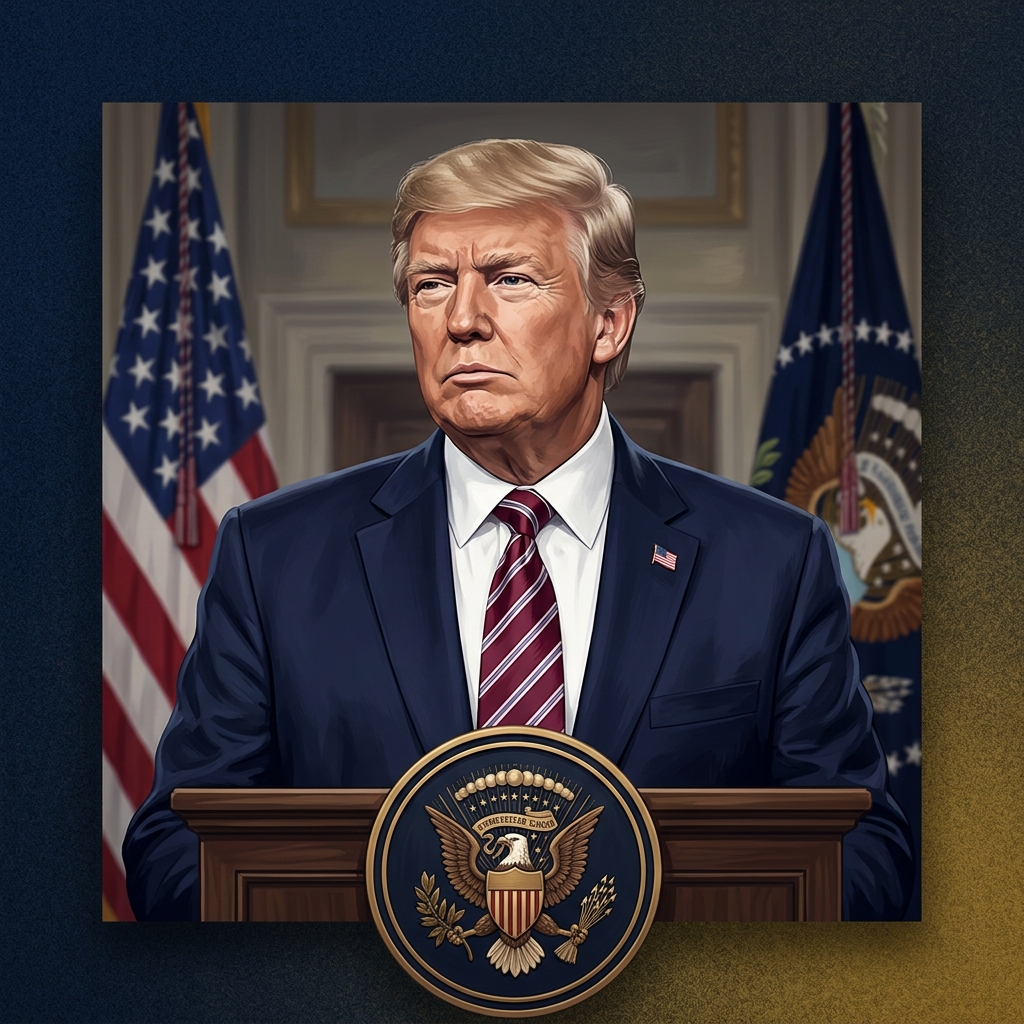
Experts warn that the Trump administration is downplaying the threat of AI-powered attacks, while consumers are stocking up on supplies.
The article highlights a divide between expert concerns and official efforts to reassure the public.
*AI-generated summary of publicly available data. This is not an official statement of any party.
*AI-generated summary of publicly available statements and reporting. This is not an official statement of this party.
Supporters of AI security experts argue that official efforts to reassure the public break with a cultural norm of transparent, steady governance, since downplaying AI threats erodes the trust that institutions depend on to preserve social order.
Supporters of AI security experts argue that official reassurance erodes the public trust and shared preparedness that cultural continuity depends on, pointing to consumers stocking supplies as evidence that inherited habits of caution outlast official downplaying.
Supporters of AI security experts counter that framing stockpiling as self-reliance overlooks how it erodes communal trust, arguing that cultural resilience has historically rested on shared institutions and neighborly cooperation rather than isolated individual hoarding.
Supporters of AI security experts argue that downplaying AI attack risks may breach the government's legal duty to safeguard critical infrastructure and inform the public, and they point to official reassurances as evidence of that obligation being neglected.
Supporters of AI security experts argue that downplaying AI attack risks may breach the government's legal duty to warn and protect the public, citing the November 2026 outages as evidence that statutory preparedness obligations are unmet.
Supporters of AI security experts counter that existing statutes already delegate technical security determinations to specialized agencies, so elected officials' authority is bounded by law, not a license to override expert findings on AI risk.
Supporters of AI security experts argue that the administration's public reassurance is a strategic misdirection, preserving calm while ceding real leverage to unseen adversaries.
Supporters of AI security experts argue the administration's reassurance is itself a power move—downplaying threats to protect its image—and that public stockpiling signals the market trusts experts over officials.
Supporters of AI security experts counter that quiet countermeasures depend on public trust and funding; downplaying risks starves agencies of urgency and budget while leaving adversaries better informed than the public, so secrecy serves incumbents, not defense.
Supporters of AI security experts argue that officials who downplay AI attack risks are failing a moral duty of candor, since reassuring the public while experts warn of real threats leaves citizens unable to prepare.
Supporters of AI security experts argue that officials who downplay AI attack risks are morally failing in their duty of care, since warning the public honestly is a basic obligation of accountable governance.
Supporters of AI security experts counter that a moral duty to avoid panic cannot justify withholding known threats, since families harmed by an undisclosed risk never consented to that tradeoff.
Supporters of AI security experts argue that official reassurance without moral restraint is hollow, maintaining that stewardship of creation demands honest warnings, not downplaying threats to the public.
Supporters of AI security experts argue that downplaying AI threats echoes the sin of false prophets who cry "peace" while danger looms, and they maintain that public reassurance without prudence undermines the stewardship of creation.
Supporters of AI security experts counter that stewardship grounded in reassuring the public while withholding known risks inverts the moral duty, since scripture warns against false prophets who cry peace when there is no peace.
*AI-generated summary of publicly available statements and reporting. This is not an official statement of this party.
Supporters of the Trump administration argue that official reassurance reflects a cultural faith in American self-reliance and resilience, maintaining that citizens stockpiling supplies is prudent preparedness rather than a sign of panic.
Supporters of the Trump administration argue that official reassurance reflects confidence in national resilience, maintaining that framing AI threats as manageable preserves public calm and cultural self-reliance rather than panic.
Supporters of the Trump administration counter that steady governance has always meant projecting confidence in American capability, arguing that public reassurance preserves the social trust institutions need rather than eroding it.
Supporters of the Trump administration argue that legal authority over AI security rests with elected officials, not outside experts, and that measured reassurance—not alarm—protects markets and consumers.
Supporters of the Trump administration argue that existing legal authorities already cover AI-enabled attacks, so officials can reassure the public and avoid new regulations that would burden innovation.
Supporters of the Trump administration counter that federal law vests risk-assessment and public-communication discretion in the executive branch, so measured reassurances reflect lawful judgment rather than a breach of duty.
Supporters of the Trump administration argue that publicly downplaying AI attack risks is deliberate: steady messaging prevents panic buying and preserves market confidence, while real countermeasures proceed quietly out of the public eye.
Supporters of the Trump administration argue that publicly downplaying AI attack risks is deliberate: steady messaging prevents panic buying, preserves market calm, and denies adversaries the chaos they seek.
Supporters of the Trump administration counter that public reassurance is itself leverage—signaling calm denies adversaries the panic and credibility they need, while quiet channels handle real threats.
Supporters of the Trump administration argue that steady reassurance and market confidence are a moral duty, preventing panic-buying that harms ordinary families more than the threat itself.
Supporters of the Trump administration argue that reassuring the public is a moral duty, since panic-buying harms ordinary families more than the threat itself, and they maintain that steady leadership, not alarm, protects consumers.
Supporters of the Trump administration counter that a moral duty of candor also means avoiding alarmism that erodes public trust, arguing that sober, measured messaging—not speculative worst-case warnings—better equips citizens to prepare.
Supporters of the Trump administration argue that calls for calm reflect a moral duty of stewardship, maintaining that officials who reassure the public are acting to prevent panic and preserve social order rather than downplaying real threats.
Supporters of the Trump administration argue that reassuring the public reflects a moral duty of stewardship, maintaining that officials who calm fear rather than inflame it act in line with the virtue of prudence.
Supporters of the Trump administration counter that scripture also counsels prudence and sober governance, arguing that measured public messaging preserves order and shields citizens from panic rather than constituting a hollow reassurance.
AI-generated summary of publicly available statements and reporting. This is not an official statement of this party.
Supporters of AI security experts argue that official efforts to reassure the public break with a cultural norm of transparent, steady governance, since downplaying AI threats erodes the trust that institutions depend on to preserve social order.
Supporters of AI security experts argue that official reassurance erodes the public trust and shared preparedness that cultural continuity depends on, pointing to consumers stocking supplies as evidence that inherited habits of caution outlast official downplaying.
Supporters of AI security experts counter that framing stockpiling as self-reliance overlooks how it erodes communal trust, arguing that cultural resilience has historically rested on shared institutions and neighborly cooperation rather than isolated individual hoarding.
Supporters of AI security experts argue that downplaying AI attack risks may breach the government's legal duty to safeguard critical infrastructure and inform the public, and they point to official reassurances as evidence of that obligation being neglected.
Supporters of AI security experts argue that downplaying AI attack risks may breach the government's legal duty to warn and protect the public, citing the November 2026 outages as evidence that statutory preparedness obligations are unmet.
Supporters of AI security experts counter that existing statutes already delegate technical security determinations to specialized agencies, so elected officials' authority is bounded by law, not a license to override expert findings on AI risk.
Supporters of AI security experts argue that the administration's public reassurance is a strategic misdirection, preserving calm while ceding real leverage to unseen adversaries.
Supporters of AI security experts argue the administration's reassurance is itself a power move—downplaying threats to protect its image—and that public stockpiling signals the market trusts experts over officials.
Supporters of AI security experts counter that quiet countermeasures depend on public trust and funding; downplaying risks starves agencies of urgency and budget while leaving adversaries better informed than the public, so secrecy serves incumbents, not defense.
Supporters of AI security experts argue that officials who downplay AI attack risks are failing a moral duty of candor, since reassuring the public while experts warn of real threats leaves citizens unable to prepare.
Supporters of AI security experts argue that officials who downplay AI attack risks are morally failing in their duty of care, since warning the public honestly is a basic obligation of accountable governance.
Supporters of AI security experts counter that a moral duty to avoid panic cannot justify withholding known threats, since families harmed by an undisclosed risk never consented to that tradeoff.
Supporters of AI security experts argue that official reassurance without moral restraint is hollow, maintaining that stewardship of creation demands honest warnings, not downplaying threats to the public.
Supporters of AI security experts argue that downplaying AI threats echoes the sin of false prophets who cry "peace" while danger looms, and they maintain that public reassurance without prudence undermines the stewardship of creation.
Supporters of AI security experts counter that stewardship grounded in reassuring the public while withholding known risks inverts the moral duty, since scripture warns against false prophets who cry peace when there is no peace.
Supporters of the Trump administration argue that official reassurance reflects a cultural faith in American self-reliance and resilience, maintaining that citizens stockpiling supplies is prudent preparedness rather than a sign of panic.
Supporters of the Trump administration argue that official reassurance reflects confidence in national resilience, maintaining that framing AI threats as manageable preserves public calm and cultural self-reliance rather than panic.
Supporters of the Trump administration counter that steady governance has always meant projecting confidence in American capability, arguing that public reassurance preserves the social trust institutions need rather than eroding it.
Supporters of the Trump administration argue that legal authority over AI security rests with elected officials, not outside experts, and that measured reassurance—not alarm—protects markets and consumers.
Supporters of the Trump administration argue that existing legal authorities already cover AI-enabled attacks, so officials can reassure the public and avoid new regulations that would burden innovation.
Supporters of the Trump administration counter that federal law vests risk-assessment and public-communication discretion in the executive branch, so measured reassurances reflect lawful judgment rather than a breach of duty.
Supporters of the Trump administration argue that publicly downplaying AI attack risks is deliberate: steady messaging prevents panic buying and preserves market confidence, while real countermeasures proceed quietly out of the public eye.
Supporters of the Trump administration argue that publicly downplaying AI attack risks is deliberate: steady messaging prevents panic buying, preserves market calm, and denies adversaries the chaos they seek.
Supporters of the Trump administration counter that public reassurance is itself leverage—signaling calm denies adversaries the panic and credibility they need, while quiet channels handle real threats.
Supporters of the Trump administration argue that steady reassurance and market confidence are a moral duty, preventing panic-buying that harms ordinary families more than the threat itself.
Supporters of the Trump administration argue that reassuring the public is a moral duty, since panic-buying harms ordinary families more than the threat itself, and they maintain that steady leadership, not alarm, protects consumers.
Supporters of the Trump administration counter that a moral duty of candor also means avoiding alarmism that erodes public trust, arguing that sober, measured messaging—not speculative worst-case warnings—better equips citizens to prepare.
Supporters of the Trump administration argue that calls for calm reflect a moral duty of stewardship, maintaining that officials who reassure the public are acting to prevent panic and preserve social order rather than downplaying real threats.
Supporters of the Trump administration argue that reassuring the public reflects a moral duty of stewardship, maintaining that officials who calm fear rather than inflame it act in line with the virtue of prudence.
Supporters of the Trump administration counter that scripture also counsels prudence and sober governance, arguing that measured public messaging preserves order and shields citizens from panic rather than constituting a hollow reassurance.
Experts say Trump administration is not taking the threat of AI attacks seriously, as consumers stock up on supplies.