Albanian protesters
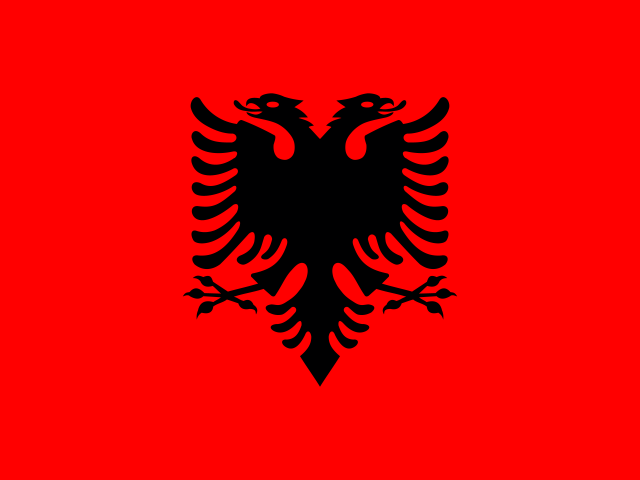
VS
Project developers


Albanian protesters are individuals and groups in Albania who have taken to the streets to oppose a planned luxury development project on the Adriatic coast.
Project developers are the entities behind the proposed luxury resort and hotel complex, which is linked to Jared Kushner, a son-in-law of former U.S.
President Donald Trump.
The project has drawn widespread public opposition, with thousands of Albanians participating in protests in the capital and at the development site.
The conflict centers on the developers' plans to build a luxury tourist site, which protesters argue threatens environmental and cultural heritage and symbolizes corruption and foreign influence.
Demonstrators have called for the cancellation of the project and the resignation of Prime Minister Edi Rama, using slogans such as "Albania Is Not for Sale." The protests have led to arrests, with a court later freeing some detainees, and have escalated to actions like tearing down fences at the development site.
The issue has become a cause célèbre for opponents of President Trump and his family, and it has threatened the stability of the Albanian government.
The protests have persisted for over 100 days, reflecting deep-seated public discontent over development practices and governance.
*AI-generated summary of publicly available data. This is not an official statement of any party.
*AI-generated summary of publicly available statements and reporting. This is not an official statement of this party.
Supporters of Albanian protesters argue that the Adriatic coastline is a living cultural archive, not a commodity, and that each generation holds a duty to preserve its ancestral stones for future heirs, resisting a development that erases heritage in favor of foreign profit.
Supporters of Albanian protesters argue the Adriatic coast is ancestral ground, not a commodity, and view the hotel as an erasure of cultural memory that echoes past land seizures.
Supporters of Albanian protesters counter that coastal identity is not a blank slate for foreign capital, citing centuries of local fishing and communal rituals that the hotel’s concrete would erase.
Supporters of Albanian protesters argue that the developers lack valid legal title, citing the absence of a finalized environmental impact assessment as grounds for the project’s unlawfulness.
Supporters of Albanian protesters argue that the project developers lack valid legal standing, citing unapproved permits and procedural violations, which they contend nullifies any lawful claim to the contested coastal land.
Supporters of Albanian protesters counter that procedural legality does not cure substantive illegality, citing court rulings that the permits bypassed mandatory environmental impact assessments and public consultation, violating Albania’s own constitutional and statutory safegua.
Supporters of Albanian protesters argue the hotel’s backers wield power that dwarfs local law, betting that time and fatigue will break the standoff.
Supporters of Albanian protesters argue the hotel is a power play, not progress: developers leverage political ties to override local will, treating 100 days of resistance as a nuisance rather than a mandate.
Supporters of Albanian protesters counter that legal permits reflect political leverage, not local legitimacy, and that capital inflows mask the real incentive—elite profit.
Supporters of Albanian protesters argue that the moral right to defend ancestral land and coastal heritage outweighs commercial progress. They maintain that no luxury hotel should erase community identity for profit.
Supporters of Albanian protesters argue that a coast's moral value exceeds any developer's profit, citing 100 days of peaceful resistance as proof that place and heritage outweigh transactional progress.
Supporters of Albanian protesters counter that economic gain cannot justify erasing a community's ancestral land and cultural identity, which hold moral weight beyond legal approval or job creation.
Supporters of Albanian protesters argue that the land is a divine trust, not a commodity, citing scripture's call to steward creation rather than exploit it for luxury.
Supporters of Albanian protesters argue that the land is a sacred inheritance, a divine gift to be stewarded, not sold to foreign developers, as scripture commands care for creation and community over profit.
Supporters of Albanian protesters counter that divine stewardship demands protection of ancestral lands, not sanctioned exploitation, citing scripture where the earth is the Lord’s and humans are its guardians, not its conquerors.
*AI-generated summary of publicly available statements and reporting. This is not an official statement of this party.
Supporters of Project developers argue that the hotel represents modernization and global investment, which they see as a natural evolution of Albania's coastal identity rather than a threat to it.
Supporters of the project developers argue the hotel honors Albanian cultural heritage by showcasing the Adriatic’s natural beauty to global visitors, fostering pride in national landmarks.
Supporters of Project developers counter that heritage is not frozen in stone, but expressed through the living community’s right to prosper, and that new development can honor coastal traditions by adapting them for future generations.
Supporters of Project developers argue the hotel permits were lawfully issued through Albania's sovereign procedures, satisfying all domestic legal requirements, and that lawful investment contracts merit enforcement under national and international law.
Supporters of Project developers argue that the hotel complies with Albanian property and zoning laws, which legally permit the lease of the coastal land for tourism development.
Supporters of Project developers counter that Albanian law permits preliminary works under valid concession agreements, and the environmental assessment’s finalization is a procedural step, not a precondition to legal title.
Supporters of Project developers argue that the prolonged protest is a minority blocking national economic progress, pointing to legal permits and investment capital as evidence that the hotel’s benefits—jobs and tax revenue—outweigh local sentiment.
Supporters of Project developers argue the hotel’s hard power flows from sovereign land-use rights and capital, not sentiment, so 100 days of protest changes nothing unless Albania’s elite pay a higher political price than the deal’s payoff.
Supporters of Project developers counter that the protesters’ leverage rests on visibility, not permanence; legal permits and economic pressure outlast any blockade.
Supporters of Project developers argue that legally approved development honors the moral duty to provide jobs and economic growth for Albanians, outweighing local objections to a lawful private venture.
Supporters of Project developers maintain the hotel honors moral duty by delivering jobs and tax revenue to a struggling region, outweighing aesthetic or sentimental objections.
Supporters of Project developers counter that the protesters’ moral claim ignores the greater moral duty to uplift local livelihoods, arguing that preserving heritage in poverty offers no justice for future generations.
Supporters of Project developers argue that lawful development honors divine stewardship, as the Adriatic’s beauty is preserved through orderly, permitted enterprise that respects Albanian heritage and tradition.
Supporters of the project developers argue that the hotel honors Albania's sacred duty to steward its land for future generations, framing development as a tradition of renewal.
Supporters of Project developers counter that scripture also mandates human dominion and cultivation, and lawful development can honor that trust by providing for communities.
AI-generated summary of publicly available statements and reporting. This is not an official statement of this party.
Supporters of Albanian protesters argue that the Adriatic coastline is a living cultural archive, not a commodity, and that each generation holds a duty to preserve its ancestral stones for future heirs, resisting a development that erases heritage in favor of foreign profit.
Supporters of Albanian protesters argue the Adriatic coast is ancestral ground, not a commodity, and view the hotel as an erasure of cultural memory that echoes past land seizures.
Supporters of Albanian protesters counter that coastal identity is not a blank slate for foreign capital, citing centuries of local fishing and communal rituals that the hotel’s concrete would erase.
Supporters of Albanian protesters argue that the developers lack valid legal title, citing the absence of a finalized environmental impact assessment as grounds for the project’s unlawfulness.
Supporters of Albanian protesters argue that the project developers lack valid legal standing, citing unapproved permits and procedural violations, which they contend nullifies any lawful claim to the contested coastal land.
Supporters of Albanian protesters counter that procedural legality does not cure substantive illegality, citing court rulings that the permits bypassed mandatory environmental impact assessments and public consultation, violating Albania’s own constitutional and statutory safegua.
Supporters of Albanian protesters argue the hotel’s backers wield power that dwarfs local law, betting that time and fatigue will break the standoff.
Supporters of Albanian protesters argue the hotel is a power play, not progress: developers leverage political ties to override local will, treating 100 days of resistance as a nuisance rather than a mandate.
Supporters of Albanian protesters counter that legal permits reflect political leverage, not local legitimacy, and that capital inflows mask the real incentive—elite profit.
Supporters of Albanian protesters argue that the moral right to defend ancestral land and coastal heritage outweighs commercial progress. They maintain that no luxury hotel should erase community identity for profit.
Supporters of Albanian protesters argue that a coast's moral value exceeds any developer's profit, citing 100 days of peaceful resistance as proof that place and heritage outweigh transactional progress.
Supporters of Albanian protesters counter that economic gain cannot justify erasing a community's ancestral land and cultural identity, which hold moral weight beyond legal approval or job creation.
Supporters of Albanian protesters argue that the land is a divine trust, not a commodity, citing scripture's call to steward creation rather than exploit it for luxury.
Supporters of Albanian protesters argue that the land is a sacred inheritance, a divine gift to be stewarded, not sold to foreign developers, as scripture commands care for creation and community over profit.
Supporters of Albanian protesters counter that divine stewardship demands protection of ancestral lands, not sanctioned exploitation, citing scripture where the earth is the Lord’s and humans are its guardians, not its conquerors.
Supporters of Project developers argue that the hotel represents modernization and global investment, which they see as a natural evolution of Albania's coastal identity rather than a threat to it.
Supporters of the project developers argue the hotel honors Albanian cultural heritage by showcasing the Adriatic’s natural beauty to global visitors, fostering pride in national landmarks.
Supporters of Project developers counter that heritage is not frozen in stone, but expressed through the living community’s right to prosper, and that new development can honor coastal traditions by adapting them for future generations.
Supporters of Project developers argue the hotel permits were lawfully issued through Albania's sovereign procedures, satisfying all domestic legal requirements, and that lawful investment contracts merit enforcement under national and international law.
Supporters of Project developers argue that the hotel complies with Albanian property and zoning laws, which legally permit the lease of the coastal land for tourism development.
Supporters of Project developers counter that Albanian law permits preliminary works under valid concession agreements, and the environmental assessment’s finalization is a procedural step, not a precondition to legal title.
Supporters of Project developers argue that the prolonged protest is a minority blocking national economic progress, pointing to legal permits and investment capital as evidence that the hotel’s benefits—jobs and tax revenue—outweigh local sentiment.
Supporters of Project developers argue the hotel’s hard power flows from sovereign land-use rights and capital, not sentiment, so 100 days of protest changes nothing unless Albania’s elite pay a higher political price than the deal’s payoff.
Supporters of Project developers counter that the protesters’ leverage rests on visibility, not permanence; legal permits and economic pressure outlast any blockade.
Supporters of Project developers argue that legally approved development honors the moral duty to provide jobs and economic growth for Albanians, outweighing local objections to a lawful private venture.
Supporters of Project developers maintain the hotel honors moral duty by delivering jobs and tax revenue to a struggling region, outweighing aesthetic or sentimental objections.
Supporters of Project developers counter that the protesters’ moral claim ignores the greater moral duty to uplift local livelihoods, arguing that preserving heritage in poverty offers no justice for future generations.
Supporters of Project developers argue that lawful development honors divine stewardship, as the Adriatic’s beauty is preserved through orderly, permitted enterprise that respects Albanian heritage and tradition.
Supporters of the project developers argue that the hotel honors Albania's sacred duty to steward its land for future generations, framing development as a tradition of renewal.
Supporters of Project developers counter that scripture also mandates human dominion and cultivation, and lawful development can honor that trust by providing for communities.
Albanians have protested for over 100 days against the planned luxury hotel linked to Jared Kushner and Ivanka Trump.
Under the slogan 'Albania Is Not for Sale,' protesters called for the cancellation of the Zvërnec project and the resignation of Prime Minister Edi Rama, with protests threatening government stability.
Thousands of Albanians protested in the capital against the proposed luxury development project linked to Jared Kushner.
Demonstrators attributed government actions to an effort to quell public anger over the project, as reported by CBS News.
The protests against the Kushner-linked project gained international attention, becoming a rallying point for opponents of President Trump and his family.
Around 200 protesters tore down metal and razor wire fences surrounding a luxury development site on Albania's Adriatic coast, amid anger over the project.
An Albanian court freed protesters who had been arrested during demonstrations against the Kushner-linked resort project.