Albin Kurti's Vetevendosje

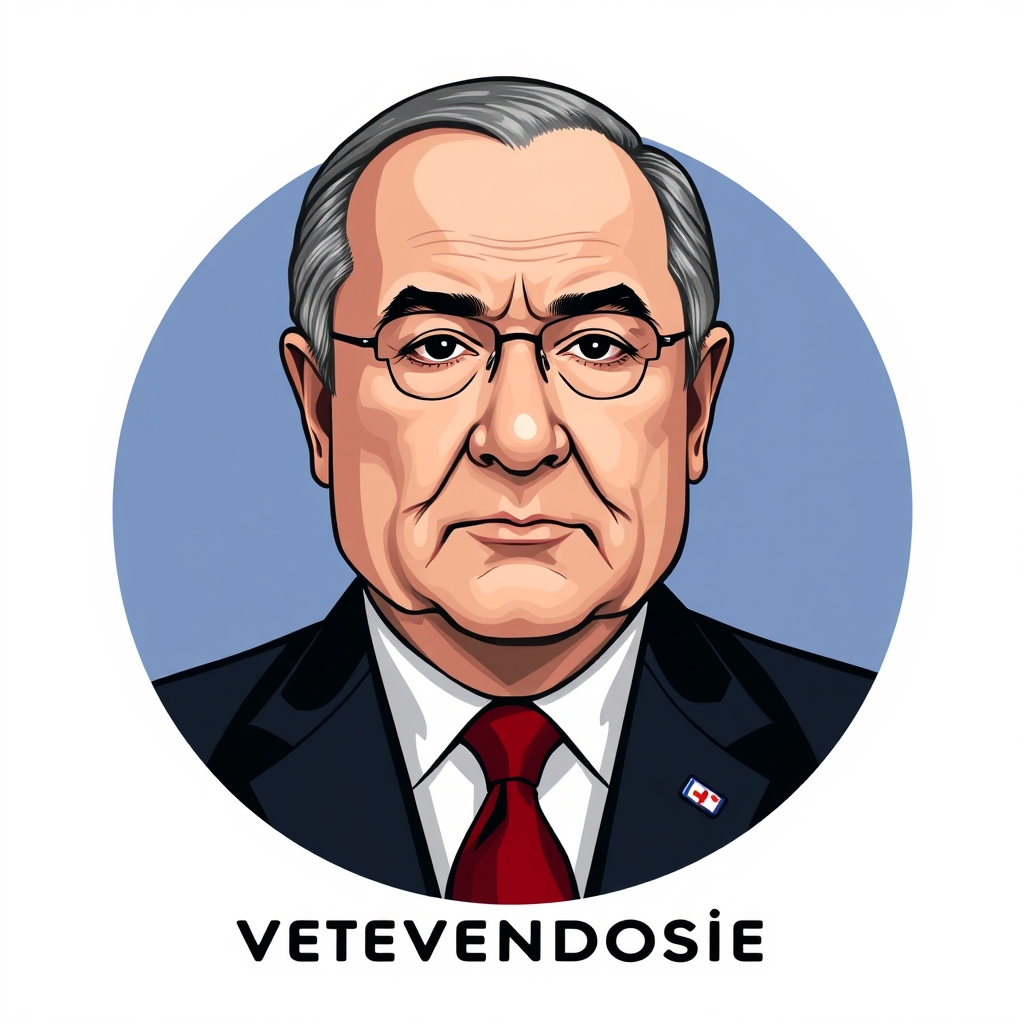
VS
Kosovo opposition parties

Albin Kurti's Vetevendosje is the ruling party in Kosovo, led by Prime Minister Albin Kurti, who previously served as a leader of the opposition.
Vetevendosje won the parliamentary elections but fell short of a majority, while the opposition includes the Democratic Party of Kosovo (PDK) and the Democratic League of Kosovo (LDK), which garnered 21 and 17 per cent of the vote respectively.
The conflict arises from Vetevendosje's inability to secure the two-thirds parliamentary majority needed to elect a president, leading to political deadlock.
The opposition parties, particularly LDK, have refused to support Vetevendosje's candidates, including for speaker, and have rejected offers to join a coalition.
Tensions have escalated, with an opposition lawmaker throwing eggs at Kurti in parliament and MPs from the PDK physically attacking him and government ministers during a speech.
*AI-generated summary of publicly available data. This is not an official statement of any party.
*AI-generated summary of publicly available statements and reporting. This is not an official statement of this party.
Supporters of Albin Kurti’s Vetevendosje argue the egging reflects a breakdown of parliamentary decorum, undermining Kosovo’s fragile institutional traditions.
Supporters of Albin Kurti's Vetevendosje argue that the egging incident in parliament reflects a breakdown of civic decorum, undermining Kosovo's fragile institutional traditions.
Supporters of Albin Kurti's Vetevendosje counter that Kosovo's consensus tradition has long enabled elite capture and stagnation, and they frame Kurti’s defiance as a cultural rupture against a patronage system, not a rejection of compromise itself.
Supporters of Albin Kurti's Vetevendosje argue the egging incident breaches parliamentary legal decorum, underscoring that opposition tactics undermine constitutional procedures for presidential election.
Supporters of Albin Kurti's Vetevendosje argue the egging incident is legally irrelevant; the core issue is that Kosovo's constitution requires a two-thirds majority, and opposition parties are failing to meet their lawful duty to elect a president.
Supporters of Albin Kurti's Vetevendosje counter that a two-thirds majority is only mandated for specific constitutional matters, not routine governance, and that the egging incident constitutes obstruction, not a legal protest, under Kosovo's assembly rules.
Supporters of Albin Kurti's Vetevendosje argue the opposition's egg-throwing is a desperate act of a bloc that cannot win at the ballot box, exposing their weakness rather than Kurti's.
Supporters of Albin Kurti's Vetevendosje argue the egg-throwing incident exposes opposition desperation, not democratic virtue, since the president’s election is a legal threshold, not a popularity contest, and they insist Kurti’s parliamentary strength remains the only pragmatic.
Supporters of Albin Kurti's Vetevendosje counter that the egg-throwing incident reflects opposition weakness, not Kurti’s crumbling leverage; they argue deadlock is a calculated price for refusing to legitimize corrupt coalition bargains, and Kurti’s perceived stubbornness is a s.
Supporters of Albin Kurti's Vetevendosje argue that the egging in parliament symbolizes a moral failure among opposition parties, who prioritize political games over Kosovo's democratic stability.
Supporters of Albin Kurti's Vetevendosje argue that the egging incident reflects a moral failure of parliamentary civility, as political opposition should engage through democratic process, not symbolic assault that degrades public discourse.
Supporters of Albin Kurti's Vetevendosje counter that moral governance demands upholding the people's electoral will, not yielding to elite backroom deals that have historically entrenched corruption and stalled justice in Kosovo.
Supporters of Albin Kurti's Vetevendosje argue that the egging reflects a moral failing, not a political solution, and they frame the struggle for a two-thirds majority as a test of righteous endurance.
Supporters of Albin Kurti's Vetevendosje argue that the egging incident reflects a moral failure among opposition lawmakers, who violate the civic dignity scripture demands in public office, yet they maintain the party’s patience in seeking a two-thirds majority mirrors a faithfu.
Supporters of Albin Kurti's Vetevendosje counter that true unity is not found in stagnant order, but in justice, as scripture teaches that righteousness exalts a nation.
*AI-generated summary of publicly available statements and reporting. This is not an official statement of this party.
Supporters of Kosovo opposition parties argue that Kurti’s repeated elections and parliamentary deadlock reflect a cultural tradition of consensus-building, not obstruction, and that his egging symbolizes public frustration with a leader who bypasses historic norms of compromise.
Supporters of Kosovo opposition parties argue that Kurti’s repeated elections and egging incident reflect a cultural erosion of parliamentary dignity, where his confrontational style prioritizes partisan loyalty over the civic compromise needed to elect a president.
Supporters of Kosovo opposition parties counter that Kosovo’s institutional traditions are young and contested, and that protest—even disruptive—echoes the country’s civic resilience against top-down rule, not a breakdown of order.
Supporters of Kosovo opposition parties argue that the parliamentary egging incident underscores their legal right to protest Kurti’s governance, citing the prime minister’s failure to secure the required two-thirds majority as evidence of a constitutional deadlock that demands i.
Supporters of Kosovo opposition parties argue that Vetevendosje’s failure to secure a two-thirds majority reflects a legal breach of constitutional duty, as the ruling party must build consensus to elect a president, not bypass parliamentary procedure.
Supporters of Kosovo opposition parties counter that the egging incident reflects legal frustration over Vetevendosje’s procedural bypass, arguing that constitutional norms require genuine electoral competition, not manufactured consensus.
Supporters of Kosovo opposition parties argue the egg-throwing incident signals Kurti’s crumbling leverage, not a lapse in decorum; they maintain his refusal to broker a coalition forces deadlock, exposing a leader who mistakes stubbornness for strength and invites humiliation as.
Supporters of Kosovo opposition parties argue Kurti's egging was theater exposing his weakness: his refusal to bargain forced three elections, yet he still lacks two-thirds power, proving they hold the leverage to dictate terms.
Supporters of Kosovo opposition parties counter that the egg-throwing is not desperation but a calculated signal to a frustrated electorate, exposing Kurti’s isolation as he ignores parliamentary arithmetic and coalition realities.
Supporters of Kosovo opposition parties argue that Kurti's refusal to compromise on the presidential vote violates the moral duty of democratic governance, where consensus, not confrontation, legitimizes leadership.
Supporters of Kosovo opposition parties argue that obstructing Kurti's two-thirds majority is a moral duty to check executive overreach, and the egging reflects public frustration with a leader who prioritizes power over democratic consensus.
Supporters of Kosovo opposition parties counter that the egging reflects public frustration, not moral failure, and that Vetevendosje's monopoly on power undermines democratic accountability.
Supporters of Kosovo opposition parties argue that Kurti’s repeated elections disrupt national unity, and they invoke religious tradition as a call to honor established order.
Supporters of Kosovo opposition parties argue that the egging of Prime Minister Kurti reflects a deeper moral crisis, where disregard for parliamentary dignity undermines the sacred order that sustains a nation.
Supporters of Kosovo opposition parties counter that such moralizing overlooks the sacred duty of governance, where a two-thirds majority is a constitutional covenant, not a test of endurance, and they view the egging as a call to uphold institutional order over personal virtue.
AI-generated summary of publicly available statements and reporting. This is not an official statement of this party.
Supporters of Albin Kurti’s Vetevendosje argue the egging reflects a breakdown of parliamentary decorum, undermining Kosovo’s fragile institutional traditions.
Supporters of Albin Kurti's Vetevendosje argue that the egging incident in parliament reflects a breakdown of civic decorum, undermining Kosovo's fragile institutional traditions.
Supporters of Albin Kurti's Vetevendosje counter that Kosovo's consensus tradition has long enabled elite capture and stagnation, and they frame Kurti’s defiance as a cultural rupture against a patronage system, not a rejection of compromise itself.
Supporters of Albin Kurti's Vetevendosje argue the egging incident breaches parliamentary legal decorum, underscoring that opposition tactics undermine constitutional procedures for presidential election.
Supporters of Albin Kurti's Vetevendosje argue the egging incident is legally irrelevant; the core issue is that Kosovo's constitution requires a two-thirds majority, and opposition parties are failing to meet their lawful duty to elect a president.
Supporters of Albin Kurti's Vetevendosje counter that a two-thirds majority is only mandated for specific constitutional matters, not routine governance, and that the egging incident constitutes obstruction, not a legal protest, under Kosovo's assembly rules.
Supporters of Albin Kurti's Vetevendosje argue the opposition's egg-throwing is a desperate act of a bloc that cannot win at the ballot box, exposing their weakness rather than Kurti's.
Supporters of Albin Kurti's Vetevendosje argue the egg-throwing incident exposes opposition desperation, not democratic virtue, since the president’s election is a legal threshold, not a popularity contest, and they insist Kurti’s parliamentary strength remains the only pragmatic.
Supporters of Albin Kurti's Vetevendosje counter that the egg-throwing incident reflects opposition weakness, not Kurti’s crumbling leverage; they argue deadlock is a calculated price for refusing to legitimize corrupt coalition bargains, and Kurti’s perceived stubbornness is a s.
Supporters of Albin Kurti's Vetevendosje argue that the egging in parliament symbolizes a moral failure among opposition parties, who prioritize political games over Kosovo's democratic stability.
Supporters of Albin Kurti's Vetevendosje argue that the egging incident reflects a moral failure of parliamentary civility, as political opposition should engage through democratic process, not symbolic assault that degrades public discourse.
Supporters of Albin Kurti's Vetevendosje counter that moral governance demands upholding the people's electoral will, not yielding to elite backroom deals that have historically entrenched corruption and stalled justice in Kosovo.
Supporters of Albin Kurti's Vetevendosje argue that the egging reflects a moral failing, not a political solution, and they frame the struggle for a two-thirds majority as a test of righteous endurance.
Supporters of Albin Kurti's Vetevendosje argue that the egging incident reflects a moral failure among opposition lawmakers, who violate the civic dignity scripture demands in public office, yet they maintain the party’s patience in seeking a two-thirds majority mirrors a faithfu.
Supporters of Albin Kurti's Vetevendosje counter that true unity is not found in stagnant order, but in justice, as scripture teaches that righteousness exalts a nation.
Supporters of Kosovo opposition parties argue that Kurti’s repeated elections and parliamentary deadlock reflect a cultural tradition of consensus-building, not obstruction, and that his egging symbolizes public frustration with a leader who bypasses historic norms of compromise.
Supporters of Kosovo opposition parties argue that Kurti’s repeated elections and egging incident reflect a cultural erosion of parliamentary dignity, where his confrontational style prioritizes partisan loyalty over the civic compromise needed to elect a president.
Supporters of Kosovo opposition parties counter that Kosovo’s institutional traditions are young and contested, and that protest—even disruptive—echoes the country’s civic resilience against top-down rule, not a breakdown of order.
Supporters of Kosovo opposition parties argue that the parliamentary egging incident underscores their legal right to protest Kurti’s governance, citing the prime minister’s failure to secure the required two-thirds majority as evidence of a constitutional deadlock that demands i.
Supporters of Kosovo opposition parties argue that Vetevendosje’s failure to secure a two-thirds majority reflects a legal breach of constitutional duty, as the ruling party must build consensus to elect a president, not bypass parliamentary procedure.
Supporters of Kosovo opposition parties counter that the egging incident reflects legal frustration over Vetevendosje’s procedural bypass, arguing that constitutional norms require genuine electoral competition, not manufactured consensus.
Supporters of Kosovo opposition parties argue the egg-throwing incident signals Kurti’s crumbling leverage, not a lapse in decorum; they maintain his refusal to broker a coalition forces deadlock, exposing a leader who mistakes stubbornness for strength and invites humiliation as.
Supporters of Kosovo opposition parties argue Kurti's egging was theater exposing his weakness: his refusal to bargain forced three elections, yet he still lacks two-thirds power, proving they hold the leverage to dictate terms.
Supporters of Kosovo opposition parties counter that the egg-throwing is not desperation but a calculated signal to a frustrated electorate, exposing Kurti’s isolation as he ignores parliamentary arithmetic and coalition realities.
Supporters of Kosovo opposition parties argue that Kurti's refusal to compromise on the presidential vote violates the moral duty of democratic governance, where consensus, not confrontation, legitimizes leadership.
Supporters of Kosovo opposition parties argue that obstructing Kurti's two-thirds majority is a moral duty to check executive overreach, and the egging reflects public frustration with a leader who prioritizes power over democratic consensus.
Supporters of Kosovo opposition parties counter that the egging reflects public frustration, not moral failure, and that Vetevendosje's monopoly on power undermines democratic accountability.
Supporters of Kosovo opposition parties argue that Kurti’s repeated elections disrupt national unity, and they invoke religious tradition as a call to honor established order.
Supporters of Kosovo opposition parties argue that the egging of Prime Minister Kurti reflects a deeper moral crisis, where disregard for parliamentary dignity undermines the sacred order that sustains a nation.
Supporters of Kosovo opposition parties counter that such moralizing overlooks the sacred duty of governance, where a two-thirds majority is a constitutional covenant, not a test of endurance, and they view the egging as a call to uphold institutional order over personal virtue.
Kosovo PM Albin Kurti was egged in parliament amid the political crisis over the presidential election.
Prime Minister Albin Kurti's Vetevendosje party won the parliamentary elections but fell short of a majority, with the opposition PDK and LDK receiving 21% and 17% of the vote respectively.
The Democratic League of Kosovo (LDK) stated it would not support any speaker candidate proposed by Vetevendosje and rejected Kurti's offer to join a coalition, deepening the political crisis.
MPs from the opposition Democratic Party of Kosovo physically attacked Prime Minister Albin Kurti and government ministers during a speech, following earlier incidents of egg-throwing.