Analysts skeptical of new Yalta

VS
Leaders with divergent goals
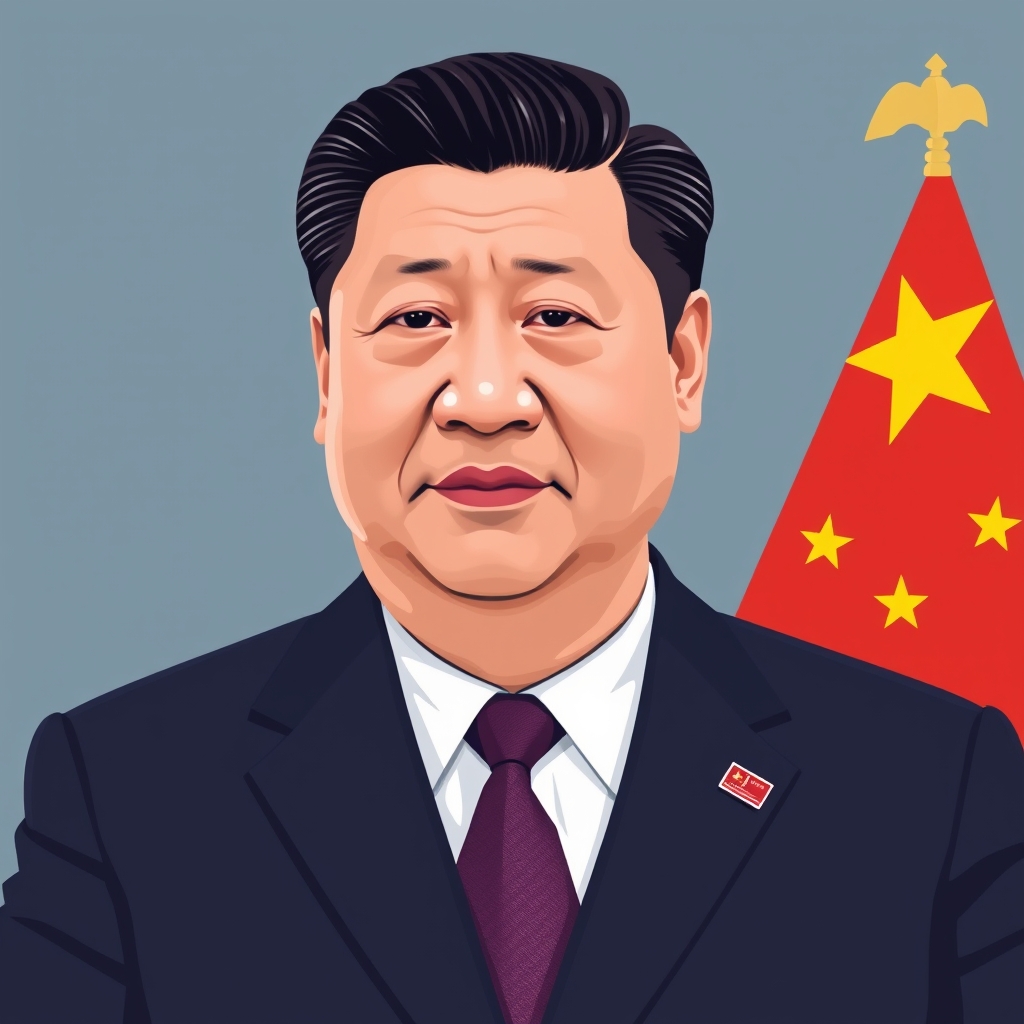


The article discusses a proposed summit between Xi Jinping, Vladimir Putin, and Donald Trump, comparing it to the Yalta Conference.
It argues that unlike Yalta, the three leaders have divergent geopolitical goals and visions for the world order, making a unified agreement unlikely.
*AI-generated summary of publicly available data. This is not an official statement of any party.
*AI-generated summary of publicly available statements and reporting. This is not an official statement of this party.
Supporters of Analysts skeptical of new Yalta argue that shared victory imagery cannot bridge cultural divides, noting that Yalta's order rested on common aims the three leaders' divergent worldviews now lack.
Supporters of Analysts skeptical of new Yalta argue that Yalta rested on shared cultural assumptions about spheres of influence that the three leaders no longer hold, so no common order can be negotiated.
Supporters of Analysts skeptical of new Yalta counter that Yalta's 1945 precedent shows leaders overriding cultural difference when power interests align, so appeals to distinct national cultures can obscure pragmatic bargains.
Supporters of Analysts skeptical of new Yalta argue that no binding legal framework can emerge when the three leaders’ divergent goals preclude shared commitments, so the summit lacks the legal basis to bind third states.
Supporters of Analysts skeptical of new Yalta argue that a summit lacking shared legal commitments among Xi, Putin, and Trump cannot bind states or legitimize a new order, since divergent goals preclude enforceable agreement.
Supporters of Analysts skeptical of new Yalta counter that shared legal obligations already bind the three powers through existing treaty commitments, so conflicting territorial claims do not preclude an enforceable joint accord.
Supporters of Analysts skeptical of new Yalta argue that a Xi-Putin-Trump summit cannot replicate Yalta because the three leaders pursue divergent goals, so no shared bargain is available to divide the world order.
Supporters of Analysts skeptical of new Yalta argue that a Xi-Putin-Trump summit cannot replicate Yalta because the three leaders' divergent goals leave no shared spoils to divide, making any unified bargain a mirage.
Supporters of Analysts skeptical of new Yalta counter that divergent goals are precisely what makes a bargain possible: leaders trade concessions abroad to secure the prize they need at home, so incompatible incentives get converted into deals rather than blocking them.
Supporters of Analysts skeptical of new Yalta argue that likening the proposed Xi-Putin-Trump summit to Yalta is morally misleading, since the three leaders' divergent goals make any unified world-order bargain unlikely.
Supporters of Analysts skeptical of new Yalta argue that a summit without shared moral purpose cannot produce a just order, since the three leaders' divergent visions mean any deal would reflect power bargains rather than principle.
Supporters of Analysts skeptical of new Yalta counter that the absence of shared vision is itself the moral hazard—summits without a common good risk trading principle for expedience, betraying the accountability that Yalta's legacy, however flawed, still demands.
Supporters of Analysts skeptical of new Yalta argue that a true peace summit requires shared moral foundations, and they contend that leaders with divergent visions of world order cannot produce the unified accord that Yalta represented.
Supporters of Analysts skeptical of new Yalta argue that a true Yalta-like accord demands shared moral foundations, and they point to the three leaders' divergent visions of world order as evidence that no unified settlement grounded in common principle is possible.
Supporters of Analysts skeptical of new Yalta counter that statesmen of different faiths have reached durable settlements before, and that a shared moral floor—not a single creed—is what any ordered accord requires.
*AI-generated summary of publicly available statements and reporting. This is not an official statement of this party.
Supporters of Leaders with divergent goals argue that each leader’s vision is rooted in a distinct national culture and historical narrative, making a shared Yalta-style settlement of civilizational values unlikely.
Supporters of Leaders with divergent goals maintain that each leader's distinct civilizational and cultural vision—China's, Russia's, and America's—makes any shared Yalta-style world order impossible.
Supporters of Leaders with divergent goals counter that distinct cultural identities need not preclude cooperation, arguing that sovereign nations with different worldviews can still reach workable accords without surrendering their own traditions.
Supporters of the divergent-goals view argue that a binding Yalta-style accord requires shared legal obligations, and they point to the three powers' conflicting treaty commitments and territorial claims as evidence no enforceable joint agreement is likely.
Supporters of Leaders with divergent goals argue that without shared objectives or a binding legal framework, any Xi-Putin-Trump summit cannot produce enforceable agreements comparable to Yalta.
Supporters of Leaders with divergent goals counter that binding obligations flow from the text and ratification of any agreement, not from shared motives, so divergent goals alone cannot negate a legal basis to bind third states.
Supporters of the divergent-goals view contend that a Yalta-style bargain is impossible because each leader needs a different prize to sell at home; they argue shared summits project power but cannot reconcile incompatible incentives.
Supporters of Leaders with divergent goals argue that a Yalta-style bargain is unlikely because each leader's incentives diverge; in their view, shared summits project unity while masking separate aims, so power, not agreement, decides outcomes.
Supporters of Leaders with divergent goals counter that divergent aims don't preclude a bargain; they reshape it, since each leader can trade concessions on secondary fronts to secure his core interest, making a limited, transactional deal more feasible than the skeptics allow.
Supporters of Leaders with divergent goals argue that a summit among Xi, Putin, and Trump cannot be judged by Yalta's moral yardstick, since no shared vision exists to bind the three to a common good.
Supporters of Leaders with divergent goals argue that a summit among Xi, Putin, and Trump carries no moral mandate to redraw global order, since their competing visions mean any agreement would reflect power bargains, not the consent of the nations affected.
Supporters of Leaders with divergent goals counter that invoking Yalta's moral weight is itself the problem: staging a summit among leaders pursuing incompatible aims risks legitimizing spheres-of-influence bargaining, so the moral duty is to refuse the framing rather than dismis.
Supporters of the divergent-goals view argue that a Yalta-style accord is implausible because the three leaders answer to incompatible moral and religious worldviews, and they contend that no summit can reconcile such divergent faiths into one ordered settlement.
Supporters of Leaders with divergent goals argue that a summit cannot forge a shared moral order, since each leader answers to a distinct religious and civilizational tradition rather than a common faith.
Supporters of Leaders with divergent goals counter that peace summits need not rest on shared creeds, since Yalta's concord was itself a pragmatic bargain among rivals, not a moral union—and that ordering powers can covenant without a common faith.
AI-generated summary of publicly available statements and reporting. This is not an official statement of this party.
Supporters of Analysts skeptical of new Yalta argue that shared victory imagery cannot bridge cultural divides, noting that Yalta's order rested on common aims the three leaders' divergent worldviews now lack.
Supporters of Analysts skeptical of new Yalta argue that Yalta rested on shared cultural assumptions about spheres of influence that the three leaders no longer hold, so no common order can be negotiated.
Supporters of Analysts skeptical of new Yalta counter that Yalta's 1945 precedent shows leaders overriding cultural difference when power interests align, so appeals to distinct national cultures can obscure pragmatic bargains.
Supporters of Analysts skeptical of new Yalta argue that no binding legal framework can emerge when the three leaders’ divergent goals preclude shared commitments, so the summit lacks the legal basis to bind third states.
Supporters of Analysts skeptical of new Yalta argue that a summit lacking shared legal commitments among Xi, Putin, and Trump cannot bind states or legitimize a new order, since divergent goals preclude enforceable agreement.
Supporters of Analysts skeptical of new Yalta counter that shared legal obligations already bind the three powers through existing treaty commitments, so conflicting territorial claims do not preclude an enforceable joint accord.
Supporters of Analysts skeptical of new Yalta argue that a Xi-Putin-Trump summit cannot replicate Yalta because the three leaders pursue divergent goals, so no shared bargain is available to divide the world order.
Supporters of Analysts skeptical of new Yalta argue that a Xi-Putin-Trump summit cannot replicate Yalta because the three leaders' divergent goals leave no shared spoils to divide, making any unified bargain a mirage.
Supporters of Analysts skeptical of new Yalta counter that divergent goals are precisely what makes a bargain possible: leaders trade concessions abroad to secure the prize they need at home, so incompatible incentives get converted into deals rather than blocking them.
Supporters of Analysts skeptical of new Yalta argue that likening the proposed Xi-Putin-Trump summit to Yalta is morally misleading, since the three leaders' divergent goals make any unified world-order bargain unlikely.
Supporters of Analysts skeptical of new Yalta argue that a summit without shared moral purpose cannot produce a just order, since the three leaders' divergent visions mean any deal would reflect power bargains rather than principle.
Supporters of Analysts skeptical of new Yalta counter that the absence of shared vision is itself the moral hazard—summits without a common good risk trading principle for expedience, betraying the accountability that Yalta's legacy, however flawed, still demands.
Supporters of Analysts skeptical of new Yalta argue that a true peace summit requires shared moral foundations, and they contend that leaders with divergent visions of world order cannot produce the unified accord that Yalta represented.
Supporters of Analysts skeptical of new Yalta argue that a true Yalta-like accord demands shared moral foundations, and they point to the three leaders' divergent visions of world order as evidence that no unified settlement grounded in common principle is possible.
Supporters of Analysts skeptical of new Yalta counter that statesmen of different faiths have reached durable settlements before, and that a shared moral floor—not a single creed—is what any ordered accord requires.
Supporters of Leaders with divergent goals argue that each leader’s vision is rooted in a distinct national culture and historical narrative, making a shared Yalta-style settlement of civilizational values unlikely.
Supporters of Leaders with divergent goals maintain that each leader's distinct civilizational and cultural vision—China's, Russia's, and America's—makes any shared Yalta-style world order impossible.
Supporters of Leaders with divergent goals counter that distinct cultural identities need not preclude cooperation, arguing that sovereign nations with different worldviews can still reach workable accords without surrendering their own traditions.
Supporters of the divergent-goals view argue that a binding Yalta-style accord requires shared legal obligations, and they point to the three powers' conflicting treaty commitments and territorial claims as evidence no enforceable joint agreement is likely.
Supporters of Leaders with divergent goals argue that without shared objectives or a binding legal framework, any Xi-Putin-Trump summit cannot produce enforceable agreements comparable to Yalta.
Supporters of Leaders with divergent goals counter that binding obligations flow from the text and ratification of any agreement, not from shared motives, so divergent goals alone cannot negate a legal basis to bind third states.
Supporters of the divergent-goals view contend that a Yalta-style bargain is impossible because each leader needs a different prize to sell at home; they argue shared summits project power but cannot reconcile incompatible incentives.
Supporters of Leaders with divergent goals argue that a Yalta-style bargain is unlikely because each leader's incentives diverge; in their view, shared summits project unity while masking separate aims, so power, not agreement, decides outcomes.
Supporters of Leaders with divergent goals counter that divergent aims don't preclude a bargain; they reshape it, since each leader can trade concessions on secondary fronts to secure his core interest, making a limited, transactional deal more feasible than the skeptics allow.
Supporters of Leaders with divergent goals argue that a summit among Xi, Putin, and Trump cannot be judged by Yalta's moral yardstick, since no shared vision exists to bind the three to a common good.
Supporters of Leaders with divergent goals argue that a summit among Xi, Putin, and Trump carries no moral mandate to redraw global order, since their competing visions mean any agreement would reflect power bargains, not the consent of the nations affected.
Supporters of Leaders with divergent goals counter that invoking Yalta's moral weight is itself the problem: staging a summit among leaders pursuing incompatible aims risks legitimizing spheres-of-influence bargaining, so the moral duty is to refuse the framing rather than dismis.
Supporters of the divergent-goals view argue that a Yalta-style accord is implausible because the three leaders answer to incompatible moral and religious worldviews, and they contend that no summit can reconcile such divergent faiths into one ordered settlement.
Supporters of Leaders with divergent goals argue that a summit cannot forge a shared moral order, since each leader answers to a distinct religious and civilizational tradition rather than a common faith.
Supporters of Leaders with divergent goals counter that peace summits need not rest on shared creeds, since Yalta's concord was itself a pragmatic bargain among rivals, not a moral union—and that ordering powers can covenant without a common faith.
The three leaders have divergent geopolitical goals and visions for the world order.