Analysts warning of shortfall

VS
US-Iran war scenario

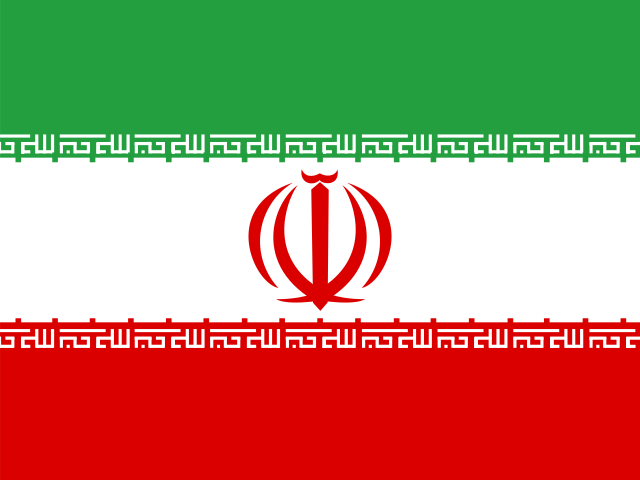
Analysts warn that emergency oil stocks are at multidecade lows, leaving the world with only a month or two of supply if the Strait of Hormuz is disrupted by a renewed US-Iran conflict.
The debate centers on whether global reserves are sufficient to withstand such a shock.
*AI-generated summary of publicly available data. This is not an official statement of any party.
*AI-generated summary of publicly available statements and reporting. This is not an official statement of this party.
Supporters of Analysts warning of shortfall argue that abandoning hard-won reserve discipline for short-term convenience leaves civilizations exposed, and they maintain that rebuilding emergency stockpiles honors a duty of stewardship owed to future generations.
Supporters of Analysts warning of shortfall argue that relying on depleted reserves reflects a broader cultural erosion of the prudence and long-term stewardship that once guided strategic stockpiling.
Supporters of Analysts warning of shortfall counter that normalizing Hormuz threats as routine leverage erodes the cultural memory of genuine supply crises, breeding complacency that treats real shortfalls as familiar background noise rather than urgent risk.
Supporters of Analysts warning of shortfall argue that states hold a legal duty under energy-security and emergency-preparedness obligations to maintain adequate strategic reserves, and they point to multidecade-low stocks as evidence that governments have failed that duty.
Supporters of Analysts warning of shortfall argue that governments have a legal duty to maintain adequate emergency reserves, and point to multidecade-low stocks as evidence that this obligation is going unmet.
Supporters of Analysts warning of shortfall counter that freedom of navigation and reserve obligations don't legally authorize precautionary military action absent an actual armed attack or UN Security Council mandate.
Supporters of Analysts warning of shortfall argue that thin reserves hand Iran and its backers leverage over Washington, since adversaries reading low stockpiles may doubt US staying power in a Hormuz confrontation.
Supporters of Analysts warning of shortfall argue that multidecade-low reserves leave little margin for error, so the threat of a Hormuz closure becomes leverage—no adversary need win, only credibly threaten, to extract concessions.
Supporters of Analysts warning of shortfall counter that Tehran reads thin reserves as an invitation, not a bluff—perceived resolve without stockpiles to back it just hands Iran a cheaper path to test Washington's will.
Supporters of Analysts warning of shortfall argue that with emergency stocks at multidecade lows, leaving only a month or two of supply if Hormuz shuts, governments have a moral duty to rebuild reserves now rather than risk shortages falling hardest on the vulnerable.
Supporters of Analysts warning of shortfall argue that leaving the world with only a month or two of oil buffer is a moral failure of foresight, since governments had years to rebuild reserves and owed the public honest preparation rather than complacency.
Supporters of Analysts warning of shortfall counter that framing the war as the moral hazard sidesteps the moral duty to stop the bleeding now—depleted reserves already leave the vulnerable exposed today, and delaying action on that shortfall is its own recklessness.
Supporters of Analysts warning of shortfall invoke stewardship of creation, arguing that depleting emergency reserves to multidecade lows gambles with the livelihood of the vulnerable and that prudence—not brinkmanship—honors the duty to preserve inherited resources for future ge.
Supporters of Analysts warning of shortfall invoke stewardship of creation, arguing that prudence about depleting reserves reflects a moral duty to protect the vulnerable, and that scripture's warnings against hubris counsel against gambling on abundance.
Supporters of Analysts warning of shortfall counter that scripture also commands just rulers to defend the innocent and resist tyranny, so faith may oblige leaders to confront a threatening regime rather than avert conflict at any cost.
*AI-generated summary of publicly available statements and reporting. This is not an official statement of this party.
Supporters of the US-Iran war scenario argue that history shows Hormuz threats are recurring leverage, and they maintain that culturally ingrained caution about past oil shocks makes reserve shortfalls a familiar, manageable risk rather than a new crisis.
Supporters of the US-Iran war scenario argue that Gulf powers have weathered Hormuz threats for decades, treating past closures as precedent that regional actors manage brinkmanship without lasting cultural rupture.
Supporters of the US-Iran war scenario counter that civilizations have repeatedly survived resource shortfalls by adapting culture and trade, and they challenge the claim that hoarding stockpiles is stewardship rather than a fear-driven habit.
Supporters of the US-Iran war scenario argue that under international law, freedom of navigation through the Strait of Hormuz must be protected, and they maintain that legal obligations to keep strategic petroleum reserves at adequate levels justify precautionary action.
Supporters of the US-Iran war scenario argue that international law, including the law of the sea, obligates states to keep the Strait of Hormuz open, so reserve shortfalls must not excuse a failure to uphold that legal duty.
Supporters of the US-Iran war scenario counter that reserve obligations sit with states, not markets, so low stocks reflect policy choices rather than any legal failure traceable to the conflict itself.
Supporters of the US-Iran war scenario argue that Tehran reads thin reserves as leverage—deterrence only holds if Iran believes Washington will bear the price, so visible stockpiles matter less than perceived resolve.
Supporters of the US-Iran war scenario argue that thin reserves are leverage, not deterrence: Iran knows a Hormuz closure would spike prices and punish Washington's allies, so they see the shortfall as coercive power rather than a reason to stand down.
Supporters of the US-Iran war scenario counter that Tehran reads thin munitions stocks as a temptation, not a deterrent—scarcity invites the very probing and brinkmanship that low reserves were meant to prevent.
Supporters of the US-Iran war scenario argue that risking the Strait of Hormuz with reserves at multidecade lows is morally reckless, since a disruption could leave the world with only a month or two of supply.
Supporters of the US-Iran war scenario argue that risking the Strait of Hormuz with reserves at multidecade lows is morally reckless, since a disruption could leave the world with only a month or two of supply.
Supporters of the US-Iran war scenario counter that framing reserve shortfalls as a moral duty to stockpile ignores the moral cost of escalation, arguing that diplomacy to prevent a Hormuz closure protects vulnerable populations more durably than hoarding.
Supporters of a US-Iran war scenario argue that scripture commands stewardship of creation and warns against reckless provocation, so faith obliges leaders to avert a Hormuz conflict that would leave the vulnerable without fuel and food.
Supporters of the US-Iran war scenario invoke just-war doctrine and stewardship of creation, arguing that scripture's call to protect the innocent obliges defending Hormuz against aggression.
Supporters of the US-Iran war scenario counter that scripture also sanctions decisive defense of the innocent, arguing that restraint which leaves the vulnerable exposed to aggression betrays the same stewardship duty.
AI-generated summary of publicly available statements and reporting. This is not an official statement of this party.
Supporters of Analysts warning of shortfall argue that abandoning hard-won reserve discipline for short-term convenience leaves civilizations exposed, and they maintain that rebuilding emergency stockpiles honors a duty of stewardship owed to future generations.
Supporters of Analysts warning of shortfall argue that relying on depleted reserves reflects a broader cultural erosion of the prudence and long-term stewardship that once guided strategic stockpiling.
Supporters of Analysts warning of shortfall counter that normalizing Hormuz threats as routine leverage erodes the cultural memory of genuine supply crises, breeding complacency that treats real shortfalls as familiar background noise rather than urgent risk.
Supporters of Analysts warning of shortfall argue that states hold a legal duty under energy-security and emergency-preparedness obligations to maintain adequate strategic reserves, and they point to multidecade-low stocks as evidence that governments have failed that duty.
Supporters of Analysts warning of shortfall argue that governments have a legal duty to maintain adequate emergency reserves, and point to multidecade-low stocks as evidence that this obligation is going unmet.
Supporters of Analysts warning of shortfall counter that freedom of navigation and reserve obligations don't legally authorize precautionary military action absent an actual armed attack or UN Security Council mandate.
Supporters of Analysts warning of shortfall argue that thin reserves hand Iran and its backers leverage over Washington, since adversaries reading low stockpiles may doubt US staying power in a Hormuz confrontation.
Supporters of Analysts warning of shortfall argue that multidecade-low reserves leave little margin for error, so the threat of a Hormuz closure becomes leverage—no adversary need win, only credibly threaten, to extract concessions.
Supporters of Analysts warning of shortfall counter that Tehran reads thin reserves as an invitation, not a bluff—perceived resolve without stockpiles to back it just hands Iran a cheaper path to test Washington's will.
Supporters of Analysts warning of shortfall argue that with emergency stocks at multidecade lows, leaving only a month or two of supply if Hormuz shuts, governments have a moral duty to rebuild reserves now rather than risk shortages falling hardest on the vulnerable.
Supporters of Analysts warning of shortfall argue that leaving the world with only a month or two of oil buffer is a moral failure of foresight, since governments had years to rebuild reserves and owed the public honest preparation rather than complacency.
Supporters of Analysts warning of shortfall counter that framing the war as the moral hazard sidesteps the moral duty to stop the bleeding now—depleted reserves already leave the vulnerable exposed today, and delaying action on that shortfall is its own recklessness.
Supporters of Analysts warning of shortfall invoke stewardship of creation, arguing that depleting emergency reserves to multidecade lows gambles with the livelihood of the vulnerable and that prudence—not brinkmanship—honors the duty to preserve inherited resources for future ge.
Supporters of Analysts warning of shortfall invoke stewardship of creation, arguing that prudence about depleting reserves reflects a moral duty to protect the vulnerable, and that scripture's warnings against hubris counsel against gambling on abundance.
Supporters of Analysts warning of shortfall counter that scripture also commands just rulers to defend the innocent and resist tyranny, so faith may oblige leaders to confront a threatening regime rather than avert conflict at any cost.
Supporters of the US-Iran war scenario argue that history shows Hormuz threats are recurring leverage, and they maintain that culturally ingrained caution about past oil shocks makes reserve shortfalls a familiar, manageable risk rather than a new crisis.
Supporters of the US-Iran war scenario argue that Gulf powers have weathered Hormuz threats for decades, treating past closures as precedent that regional actors manage brinkmanship without lasting cultural rupture.
Supporters of the US-Iran war scenario counter that civilizations have repeatedly survived resource shortfalls by adapting culture and trade, and they challenge the claim that hoarding stockpiles is stewardship rather than a fear-driven habit.
Supporters of the US-Iran war scenario argue that under international law, freedom of navigation through the Strait of Hormuz must be protected, and they maintain that legal obligations to keep strategic petroleum reserves at adequate levels justify precautionary action.
Supporters of the US-Iran war scenario argue that international law, including the law of the sea, obligates states to keep the Strait of Hormuz open, so reserve shortfalls must not excuse a failure to uphold that legal duty.
Supporters of the US-Iran war scenario counter that reserve obligations sit with states, not markets, so low stocks reflect policy choices rather than any legal failure traceable to the conflict itself.
Supporters of the US-Iran war scenario argue that Tehran reads thin reserves as leverage—deterrence only holds if Iran believes Washington will bear the price, so visible stockpiles matter less than perceived resolve.
Supporters of the US-Iran war scenario argue that thin reserves are leverage, not deterrence: Iran knows a Hormuz closure would spike prices and punish Washington's allies, so they see the shortfall as coercive power rather than a reason to stand down.
Supporters of the US-Iran war scenario counter that Tehran reads thin munitions stocks as a temptation, not a deterrent—scarcity invites the very probing and brinkmanship that low reserves were meant to prevent.
Supporters of the US-Iran war scenario argue that risking the Strait of Hormuz with reserves at multidecade lows is morally reckless, since a disruption could leave the world with only a month or two of supply.
Supporters of the US-Iran war scenario argue that risking the Strait of Hormuz with reserves at multidecade lows is morally reckless, since a disruption could leave the world with only a month or two of supply.
Supporters of the US-Iran war scenario counter that framing reserve shortfalls as a moral duty to stockpile ignores the moral cost of escalation, arguing that diplomacy to prevent a Hormuz closure protects vulnerable populations more durably than hoarding.
Supporters of a US-Iran war scenario argue that scripture commands stewardship of creation and warns against reckless provocation, so faith obliges leaders to avert a Hormuz conflict that would leave the vulnerable without fuel and food.
Supporters of the US-Iran war scenario invoke just-war doctrine and stewardship of creation, arguing that scripture's call to protect the innocent obliges defending Hormuz against aggression.
Supporters of the US-Iran war scenario counter that scripture also sanctions decisive defense of the innocent, arguing that restraint which leaves the vulnerable exposed to aggression betrays the same stewardship duty.
With emergency stocks at multidecade lows, analysts say the world may have only a month or two if Hormuz shuts again.