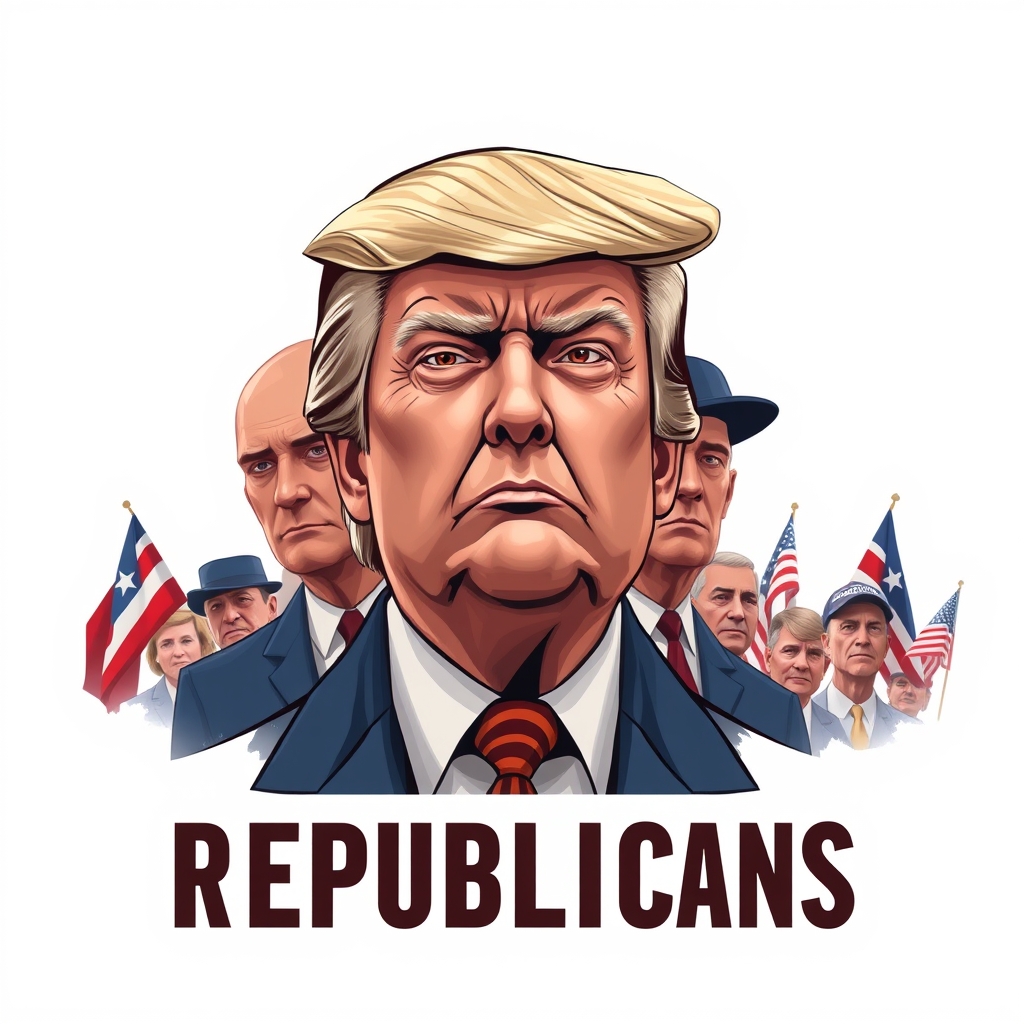
Angry Republicans
VS
Trump
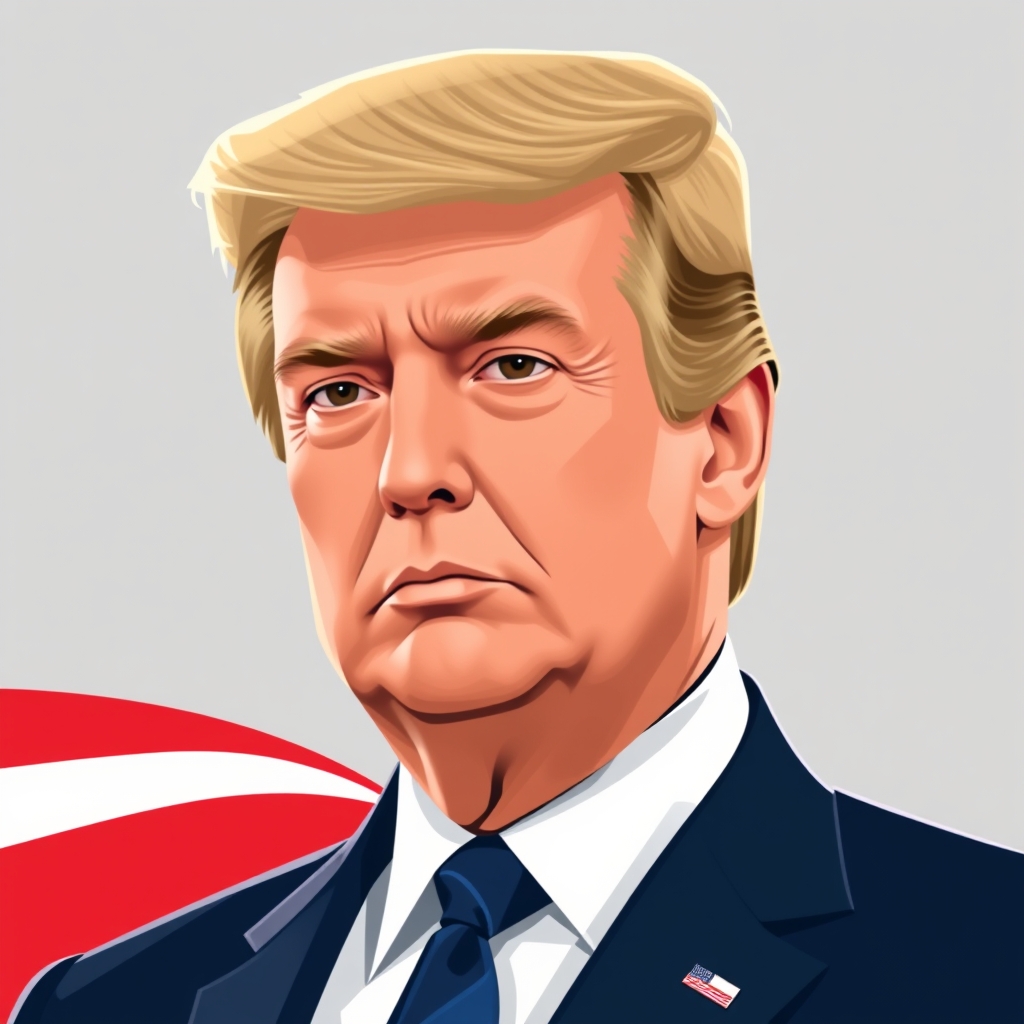
Following midterm election losses, some Republicans are publicly blaming President Trump, citing his focus on his legacy and indifference to voter concerns as key factors.
The article highlights internal party criticism of Trump's role in the outcome.
*AI-generated summary of publicly available data. This is not an official statement of any party.
*AI-generated summary of publicly available statements and reporting. This is not an official statement of this party.
Supporters of Angry Republicans argue that Trump's focus on his personal legacy over voters' everyday concerns signals a cultural disconnect from the party's grassroots base.
Supporters of Angry Republicans argue that Trump's focus on his own legacy over voters' everyday concerns signals a cultural disconnect from the party's grassroots identity.
Supporters of Angry Republicans counter that a coalition's cultural identity lives in its voters, not its leader, and that loyalty demanded from the top erodes the grassroots identity it claims to protect.
Supporters of Angry Republicans argue that internal party accountability is a legitimate political function, and they maintain that publicly attributing midterm defeats to Trump's conduct is protected free expression.
Supporters of the Angry Republicans contend that a party leader who prioritizes personal legacy over voter concerns breaches the core accountability expected of elected office.
Supporters of Angry Republicans counter that party rules and state election law, not courts, govern nomination contests—so delegate challenges and procedural objections are legal claims within the party's own framework, not mere intraparty opinion.
Supporters of Angry Republicans argue that Trump's focus on legacy over voter concerns cost the party its majority, and that a leader indifferent to incentives of the electorate invites defeat.
Supporters of Angry Republicans argue that Trump's focus on legacy over voter concerns cost the party its majority, and that publicly assigning him blame now is a pragmatic move to reclaim voter trust before 2028.
Supporters of Angry Republicans counter that loyalty flows both ways: a leader who lets losses stand without consequence teaches allies that defection is costless, and punishing critics while sparing failed strategists only signals that the base absorbs the risk.
Supporters of Angry Republicans argue that blaming Trump reflects a moral duty of accountability: leaders who put personal legacy above voter concerns, they maintain, betray the trust of those they serve.
Supporters of Angry Republicans argue that a leader owes a moral duty of stewardship to the party and voters, and they fault Trump for prioritizing his legacy over the concerns of those he was entrusted to serve.
Supporters of Angry Republicans counter that loyalty is owed to constituents and the country's long-term health, not one leader, arguing that silence in the face of harmful choices is the deeper moral failure.
Supporters of Angry Republicans argue that Trump's preoccupation with legacy over voter concerns reflects a failure of stewardship, and they cite scripture's warning that leaders who serve themselves rather than the flock invite judgment.
Supporters of Angry Republicans argue that a leader's duty is a moral stewardship accountable to those served, not self-legacy, and they cite the midterm losses as evidence that neglecting voter concerns invites judgment.
Angry Republicans counter that loyalty to a leader is not the same as fidelity to principle, invoking the scriptural warning against false prophets and the tradition that righteous dissent—like the prophets rebuking kings—preserves a community rather than fracturing it.
*AI-generated summary of publicly available statements and reporting. This is not an official statement of this party.
Supporters of Trump argue that party continuity and loyalty to its leader preserve the coalition's identity, and they attribute midterm losses to factors beyond his legacy focus rather than to disloyalty.
Supporters of Trump argue that the party’s fortunes rest on loyalty to the coalition he built, and they view public blame from within as a breach of the cultural unity and deference to leadership that they say sustains the movement.
Supporters of Trump counter that his movement restored a sense of cultural continuity and national pride that grassroots voters had felt abandoned, arguing that legacy and everyday concerns are not separate.
Supporters of Trump argue that unelected party critics lack any legal standing to assign blame or override the voters' choice, and that intraparty disputes are matters of voluntary association, not entitlement.
Supporters of Trump argue that midterm losses reflect local candidate failures and media hostility, not any legal or constitutional failing by the president, and that his mandate remains intact.
Supporters of Trump counter that party rules and state ballot-access laws, not public blame, govern nomination contests, so attributing midterm losses to Trump's conduct is protected speech but carries no legal authority to override voters' choice.
Supporters of Trump argue that blame after midterm losses is a tool of power, not an honest verdict—loyalty to his base matters more than appeasing critics, and public concessions would only invite further challenges.
Supporters of Trump argue that public blame after midterm losses is a bid for influence by rivals, and that Trump's base loyalty, not deference to critics, is the real source of leverage in the party.
Supporters of Trump counter that party majorities are transactional, not moral: they argue his base turnout and fundraising delivered power, so the claim that voter concerns were ignored misreads the incentives that actually hold coalitions together.
Supporters of Trump argue that blaming him for midterm losses is a moral failure of loyalty, insisting that Republicans who publicly attack him repay his advocacy for their agenda with ingratitude rather than standing united.
Supporters of Trump argue that blaming him for midterm losses is disloyal and unjust, maintaining that party factions owe him deference for past victories rather than public recrimination after a setback.
Supporters of Trump counter that moral accountability runs both ways: a leader who delivers on promises to voters, they argue, honors their trust more than critics who assign blame without weighing results.
Supporters of Trump argue that party continuity and loyalty, not public second-guessing of the leader, preserve the coalition, and they cast internal blame after midterm losses as a breach of that inherited discipline.
Supporters of Trump argue that party continuity and loyalty to a leader chosen by voters reflect a moral duty to honor legitimate authority, and they maintain that public blame after midterm losses undermines the unity and inherited trust that sustain the party.
Supporters of Trump counter that stewardship is measured by deeds—court appointments, religious liberty protections, and defense of the faithful—and that scripture's warning applies to those who abandon the flock, not to a leader who keeps his promises to it.
AI-generated summary of publicly available statements and reporting. This is not an official statement of this party.
Supporters of Angry Republicans argue that Trump's focus on his personal legacy over voters' everyday concerns signals a cultural disconnect from the party's grassroots base.
Supporters of Angry Republicans argue that Trump's focus on his own legacy over voters' everyday concerns signals a cultural disconnect from the party's grassroots identity.
Supporters of Angry Republicans counter that a coalition's cultural identity lives in its voters, not its leader, and that loyalty demanded from the top erodes the grassroots identity it claims to protect.
Supporters of Angry Republicans argue that internal party accountability is a legitimate political function, and they maintain that publicly attributing midterm defeats to Trump's conduct is protected free expression.
Supporters of the Angry Republicans contend that a party leader who prioritizes personal legacy over voter concerns breaches the core accountability expected of elected office.
Supporters of Angry Republicans counter that party rules and state election law, not courts, govern nomination contests—so delegate challenges and procedural objections are legal claims within the party's own framework, not mere intraparty opinion.
Supporters of Angry Republicans argue that Trump's focus on legacy over voter concerns cost the party its majority, and that a leader indifferent to incentives of the electorate invites defeat.
Supporters of Angry Republicans argue that Trump's focus on legacy over voter concerns cost the party its majority, and that publicly assigning him blame now is a pragmatic move to reclaim voter trust before 2028.
Supporters of Angry Republicans counter that loyalty flows both ways: a leader who lets losses stand without consequence teaches allies that defection is costless, and punishing critics while sparing failed strategists only signals that the base absorbs the risk.
Supporters of Angry Republicans argue that blaming Trump reflects a moral duty of accountability: leaders who put personal legacy above voter concerns, they maintain, betray the trust of those they serve.
Supporters of Angry Republicans argue that a leader owes a moral duty of stewardship to the party and voters, and they fault Trump for prioritizing his legacy over the concerns of those he was entrusted to serve.
Supporters of Angry Republicans counter that loyalty is owed to constituents and the country's long-term health, not one leader, arguing that silence in the face of harmful choices is the deeper moral failure.
Supporters of Angry Republicans argue that Trump's preoccupation with legacy over voter concerns reflects a failure of stewardship, and they cite scripture's warning that leaders who serve themselves rather than the flock invite judgment.
Supporters of Angry Republicans argue that a leader's duty is a moral stewardship accountable to those served, not self-legacy, and they cite the midterm losses as evidence that neglecting voter concerns invites judgment.
Angry Republicans counter that loyalty to a leader is not the same as fidelity to principle, invoking the scriptural warning against false prophets and the tradition that righteous dissent—like the prophets rebuking kings—preserves a community rather than fracturing it.
Supporters of Trump argue that party continuity and loyalty to its leader preserve the coalition's identity, and they attribute midterm losses to factors beyond his legacy focus rather than to disloyalty.
Supporters of Trump argue that the party’s fortunes rest on loyalty to the coalition he built, and they view public blame from within as a breach of the cultural unity and deference to leadership that they say sustains the movement.
Supporters of Trump counter that his movement restored a sense of cultural continuity and national pride that grassroots voters had felt abandoned, arguing that legacy and everyday concerns are not separate.
Supporters of Trump argue that unelected party critics lack any legal standing to assign blame or override the voters' choice, and that intraparty disputes are matters of voluntary association, not entitlement.
Supporters of Trump argue that midterm losses reflect local candidate failures and media hostility, not any legal or constitutional failing by the president, and that his mandate remains intact.
Supporters of Trump counter that party rules and state ballot-access laws, not public blame, govern nomination contests, so attributing midterm losses to Trump's conduct is protected speech but carries no legal authority to override voters' choice.
Supporters of Trump argue that blame after midterm losses is a tool of power, not an honest verdict—loyalty to his base matters more than appeasing critics, and public concessions would only invite further challenges.
Supporters of Trump argue that public blame after midterm losses is a bid for influence by rivals, and that Trump's base loyalty, not deference to critics, is the real source of leverage in the party.
Supporters of Trump counter that party majorities are transactional, not moral: they argue his base turnout and fundraising delivered power, so the claim that voter concerns were ignored misreads the incentives that actually hold coalitions together.
Supporters of Trump argue that blaming him for midterm losses is a moral failure of loyalty, insisting that Republicans who publicly attack him repay his advocacy for their agenda with ingratitude rather than standing united.
Supporters of Trump argue that blaming him for midterm losses is disloyal and unjust, maintaining that party factions owe him deference for past victories rather than public recrimination after a setback.
Supporters of Trump counter that moral accountability runs both ways: a leader who delivers on promises to voters, they argue, honors their trust more than critics who assign blame without weighing results.
Supporters of Trump argue that party continuity and loyalty, not public second-guessing of the leader, preserve the coalition, and they cast internal blame after midterm losses as a breach of that inherited discipline.
Supporters of Trump argue that party continuity and loyalty to a leader chosen by voters reflect a moral duty to honor legitimate authority, and they maintain that public blame after midterm losses undermines the unity and inherited trust that sustain the party.
Supporters of Trump counter that stewardship is measured by deeds—court appointments, religious liberty protections, and defense of the faithful—and that scripture's warning applies to those who abandon the flock, not to a leader who keeps his promises to it.
Midterm elections in which Republicans suffered defeats, leading to blame directed at Trump.