Anti-Ukrainian groups

VS
Polish government
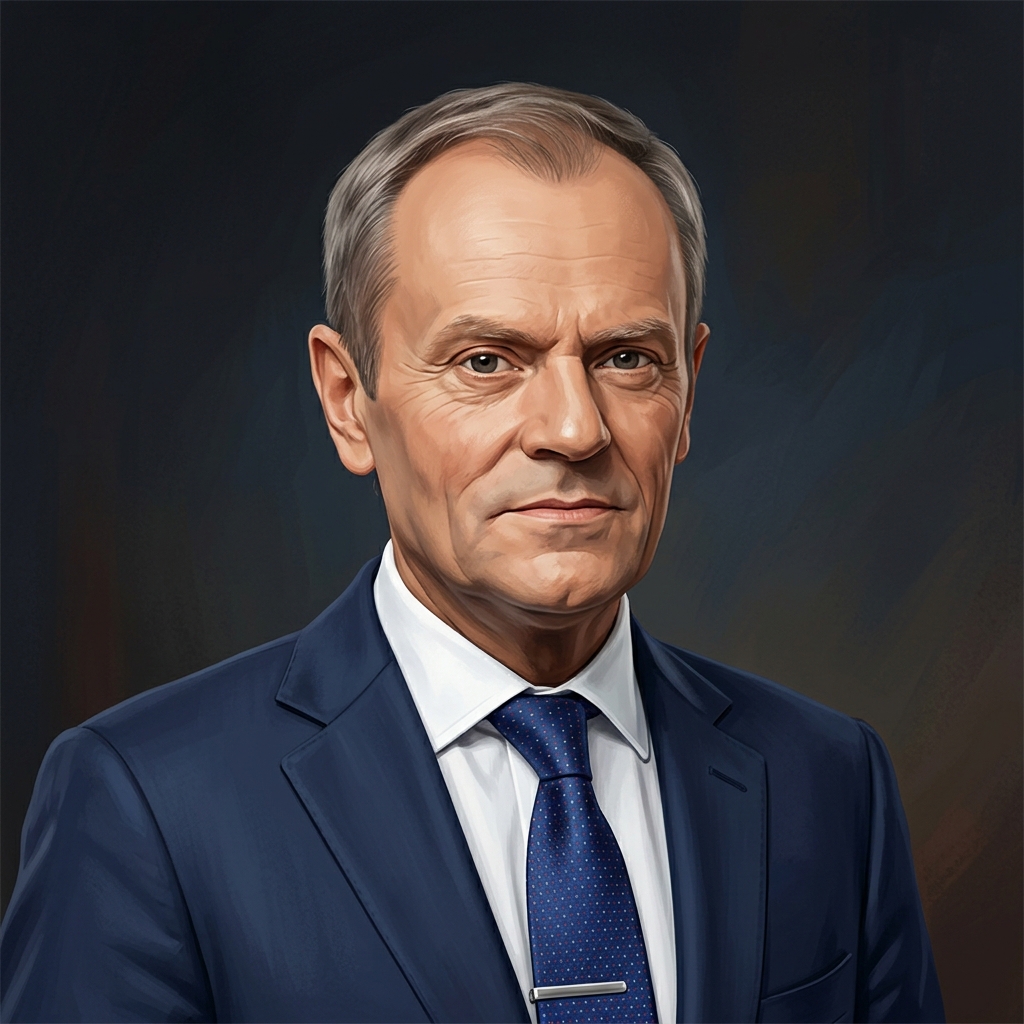
Anti-Ukrainian sentiment in Poland has been rising, with reports of increased threats, abuse, and xenophobic attacks against Ukrainian refugees.
Prime Minister Donald Tusk has condemned the violence and warned of the threat from Russia, highlighting a domestic and geopolitical divide.
The issue is compounded by historical disputes, such as the legacy of the Ukrainian Insurgent Army (UPA) and its role in the massacre of about 100,000 Poles during World War II, which has strained Polish-Ukrainian solidarity.
While some argue that anti-Ukrainian sentiment is not widespread and that previous governments were pro-Ukraine, recent polls show support for Ukrainian refugees has fallen behind opposition for the first time since Russia's invasion.
*AI-generated summary of publicly available data. This is not an official statement of any party.
*AI-generated summary of publicly available statements and reporting. This is not an official statement of this party.
Supporters of anti-Ukrainian groups argue that Polish cultural memory of the UPA's wartime massacres must take precedence over current refugee solidarity.
Supporters of Anti-Ukrainian groups argue that cultural memory of the UPA's wartime massacres of Poles remains a defining national wound, and they view Ukrainian refugee presence as eroding Polish identity and historical truth.
Supporters of Anti-Ukrainian groups counter that cultural memory is selective, arguing that shared resistance to Russia cannot erase the Volhynia trauma, which remains a foundational wound in Polish national identity.
Supporters of Anti-Ukrainian groups argue that Poland's government, by aiding Ukrainian refugees without legal limits, overrides national sovereignty and citizen consent. They maintain that the state's moral duty to protect Polish lives is legally secondary to an open-door.
Supporters of anti-Ukrainian groups argue that Poland's government has no legal mandate to prioritize foreign refugees over the rights of Polish citizens to security and historical accountability, citing the UPA massacres as unresolved grounds for restricting Ukrainian presence.
Supporters of Anti-Ukrainian groups counter that the government’s legal framework prioritizes foreign obligations over Polish constitutional sovereignty, arguing that refugee protections exceed international treaty minimums and undermine domestic law enforcement’s border.
Supporters of Anti-Ukrainian groups argue Tusk weaponizes Russian fear to silence valid Polish grievances over UPA atrocities and strained budgets, viewing refugee aid as a geopolitical gamble where Warsaw’s elite profits while ordinary Poles pay.
Supporters of Anti-Ukrainian groups argue that Polish goodwill is a finite resource, and Tusk’s moralizing ignores the cold arithmetic: wartime generosity has been spent, while Kyiv’s unresolved UPA legacy fuels domestic backlash that Moscow can exploit.
Supporters of anti-Ukrainian groups counter that Tusk’s condemnation merely weaponizes NATO loyalty to mask Warsaw’s own dependency on Ukrainian grain and labor—backlash is a rational economic grievance, not a Kremlin plot, and isolating it only deepens domestic resentment.
Supporters of anti-Ukrainian groups argue that Poland's moral duty to its own war dead, including the 100,000 Poles massacred by the UPA, outweighs current refugee obligations, viewing Tusk's pro-Ukraine stance as a betrayal of national stewardship.
Supporters of Anti-Ukrainian groups argue that Poland’s moral duty to its own war dead, including the 100,000 victims of the UPA, outweighs current refugee obligations, viewing Tusk’s pro-Ukraine stance as a betrayal of national stewardship.
Supporters of Anti-Ukrainian groups counter that moral duty extends equally to Polish citizens, whose cultural and economic security is eroded by unchecked refugee flows, framing protection of national sovereignty as the higher ethical imperative.
Supporters of anti-Ukrainian groups argue that Poland’s Christian heritage and national memory demand justice for the UPA’s massacre of Poles, viewing solidarity with Ukraine as a betrayal of ancestral duty and sacred historical truth.
Supporters of anti-Ukrainian groups argue that Poland’s Christian heritage demands remembrance of the UPA’s wartime slaughter, viewing Tusk’s pro-Ukraine stance as a betrayal of sacred national memory and divine justice.
Supporters of Anti-Ukrainian groups counter that Christian duty also guards the household, and sheltering strangers does not erase the Church’s teaching on just order, where neighborly love begins with the defense of one’s own flock against those who reject its faith.
*AI-generated summary of publicly available statements and reporting. This is not an official statement of this party.
Supporters of the Polish government argue that defending Ukrainian refugees is a moral duty rooted in shared cultural memory of resisting Russian domination, which outweighs historical grievances like the UPA massacre.
Supporters of the Polish government argue that cultural memory of the UPA massacres fuels today's hostility, but they insist that honoring that history must not override present-day solidarity with Ukrainian refugees.
Supporters of Polish government counter that cultural memory must evolve, not calcify; they argue solidarity with Ukrainian refugees today honors the shared heritage of resistance against occupation, rather than erasing past wounds.
Supporters of the Polish government argue that legal protections for Ukrainian refugees uphold national sovereignty by reinforcing border security and international law against Russian aggression.
Supporters of the Polish government argue that legal protections for Ukrainian refugees remain a matter of national security, not sentiment, citing the state's duty to uphold treaties while prosecuting xenophobic attacks under existing law.
Supporters of Polish government counter that refugee aid operates under explicit parliamentary statutes, not executive whim, and that these laws remain subject to national judicial review. They argue that sovereignty is exercised through legal procedure, not by refusing.
Supporters of the Polish government argue that Tusk’s condemnation of anti-Ukrainian violence is a calculated move to isolate domestic extremists and cement NATO solidarity, framing any backlash as a Russian-influenced threat rather than a genuine popular shift.
Supporters of the Polish government argue that Tusk’s condemnation of anti-Ukrainian violence is a calculated move to isolate extremists, while leveraging the UPA dispute to extract concessions from Kyiv, all to secure NATO’s eastern flank against Russia.
Supporters of the Polish government counter that Tusk’s stance is a calculated survival move: prioritizing NATO cohesion and EU funds over nostalgic grievances, since alienating Kyiv would forfeit Warsaw’s leverage in Brussels and its security buffer against Moscow.
Supporters of the Polish government argue that condemning anti-Ukrainian violence is a moral duty, as protecting refugees upholds human dignity and counters the xenophobia that weakens democratic solidarity.
Supporters of the Polish government argue that condemning anti-Ukrainian violence is a moral duty to protect refugees, and they see this defense as essential to upholding human dignity and countering Russian influence.
Supporters of the Polish government counter that honoring war dead demands truth and reconciliation, not vengeance; aiding Ukraine’s refugees affirms Poland’s moral stewardship by standing against the same brutality that claimed those lives.
Supporters of the Polish government argue that Christian duty to shelter the stranger compels solidarity with Ukrainian refugees, viewing Tusk’s stand against violence as a moral defense of neighborly love over historical grievance.
Supporters of the Polish government argue that Christian duty demands defending Ukrainian refugees as neighbors, viewing the violence as a sin against divine law that undermines Poland's moral witness.
Supporters of the Polish government counter that Christian duty commands forgiveness and reconciliation, not vengeance, and that solidarity with Ukraine honors the shared faith and future over past wounds.
AI-generated summary of publicly available statements and reporting. This is not an official statement of this party.
Supporters of anti-Ukrainian groups argue that Polish cultural memory of the UPA's wartime massacres must take precedence over current refugee solidarity.
Supporters of Anti-Ukrainian groups argue that cultural memory of the UPA's wartime massacres of Poles remains a defining national wound, and they view Ukrainian refugee presence as eroding Polish identity and historical truth.
Supporters of Anti-Ukrainian groups counter that cultural memory is selective, arguing that shared resistance to Russia cannot erase the Volhynia trauma, which remains a foundational wound in Polish national identity.
Supporters of Anti-Ukrainian groups argue that Poland's government, by aiding Ukrainian refugees without legal limits, overrides national sovereignty and citizen consent. They maintain that the state's moral duty to protect Polish lives is legally secondary to an open-door.
Supporters of anti-Ukrainian groups argue that Poland's government has no legal mandate to prioritize foreign refugees over the rights of Polish citizens to security and historical accountability, citing the UPA massacres as unresolved grounds for restricting Ukrainian presence.
Supporters of Anti-Ukrainian groups counter that the government’s legal framework prioritizes foreign obligations over Polish constitutional sovereignty, arguing that refugee protections exceed international treaty minimums and undermine domestic law enforcement’s border.
Supporters of Anti-Ukrainian groups argue Tusk weaponizes Russian fear to silence valid Polish grievances over UPA atrocities and strained budgets, viewing refugee aid as a geopolitical gamble where Warsaw’s elite profits while ordinary Poles pay.
Supporters of Anti-Ukrainian groups argue that Polish goodwill is a finite resource, and Tusk’s moralizing ignores the cold arithmetic: wartime generosity has been spent, while Kyiv’s unresolved UPA legacy fuels domestic backlash that Moscow can exploit.
Supporters of anti-Ukrainian groups counter that Tusk’s condemnation merely weaponizes NATO loyalty to mask Warsaw’s own dependency on Ukrainian grain and labor—backlash is a rational economic grievance, not a Kremlin plot, and isolating it only deepens domestic resentment.
Supporters of anti-Ukrainian groups argue that Poland's moral duty to its own war dead, including the 100,000 Poles massacred by the UPA, outweighs current refugee obligations, viewing Tusk's pro-Ukraine stance as a betrayal of national stewardship.
Supporters of Anti-Ukrainian groups argue that Poland’s moral duty to its own war dead, including the 100,000 victims of the UPA, outweighs current refugee obligations, viewing Tusk’s pro-Ukraine stance as a betrayal of national stewardship.
Supporters of Anti-Ukrainian groups counter that moral duty extends equally to Polish citizens, whose cultural and economic security is eroded by unchecked refugee flows, framing protection of national sovereignty as the higher ethical imperative.
Supporters of anti-Ukrainian groups argue that Poland’s Christian heritage and national memory demand justice for the UPA’s massacre of Poles, viewing solidarity with Ukraine as a betrayal of ancestral duty and sacred historical truth.
Supporters of anti-Ukrainian groups argue that Poland’s Christian heritage demands remembrance of the UPA’s wartime slaughter, viewing Tusk’s pro-Ukraine stance as a betrayal of sacred national memory and divine justice.
Supporters of Anti-Ukrainian groups counter that Christian duty also guards the household, and sheltering strangers does not erase the Church’s teaching on just order, where neighborly love begins with the defense of one’s own flock against those who reject its faith.
Supporters of the Polish government argue that defending Ukrainian refugees is a moral duty rooted in shared cultural memory of resisting Russian domination, which outweighs historical grievances like the UPA massacre.
Supporters of the Polish government argue that cultural memory of the UPA massacres fuels today's hostility, but they insist that honoring that history must not override present-day solidarity with Ukrainian refugees.
Supporters of Polish government counter that cultural memory must evolve, not calcify; they argue solidarity with Ukrainian refugees today honors the shared heritage of resistance against occupation, rather than erasing past wounds.
Supporters of the Polish government argue that legal protections for Ukrainian refugees uphold national sovereignty by reinforcing border security and international law against Russian aggression.
Supporters of the Polish government argue that legal protections for Ukrainian refugees remain a matter of national security, not sentiment, citing the state's duty to uphold treaties while prosecuting xenophobic attacks under existing law.
Supporters of Polish government counter that refugee aid operates under explicit parliamentary statutes, not executive whim, and that these laws remain subject to national judicial review. They argue that sovereignty is exercised through legal procedure, not by refusing.
Supporters of the Polish government argue that Tusk’s condemnation of anti-Ukrainian violence is a calculated move to isolate domestic extremists and cement NATO solidarity, framing any backlash as a Russian-influenced threat rather than a genuine popular shift.
Supporters of the Polish government argue that Tusk’s condemnation of anti-Ukrainian violence is a calculated move to isolate extremists, while leveraging the UPA dispute to extract concessions from Kyiv, all to secure NATO’s eastern flank against Russia.
Supporters of the Polish government counter that Tusk’s stance is a calculated survival move: prioritizing NATO cohesion and EU funds over nostalgic grievances, since alienating Kyiv would forfeit Warsaw’s leverage in Brussels and its security buffer against Moscow.
Supporters of the Polish government argue that condemning anti-Ukrainian violence is a moral duty, as protecting refugees upholds human dignity and counters the xenophobia that weakens democratic solidarity.
Supporters of the Polish government argue that condemning anti-Ukrainian violence is a moral duty to protect refugees, and they see this defense as essential to upholding human dignity and countering Russian influence.
Supporters of the Polish government counter that honoring war dead demands truth and reconciliation, not vengeance; aiding Ukraine’s refugees affirms Poland’s moral stewardship by standing against the same brutality that claimed those lives.
Supporters of the Polish government argue that Christian duty to shelter the stranger compels solidarity with Ukrainian refugees, viewing Tusk’s stand against violence as a moral defense of neighborly love over historical grievance.
Supporters of the Polish government argue that Christian duty demands defending Ukrainian refugees as neighbors, viewing the violence as a sin against divine law that undermines Poland's moral witness.
Supporters of the Polish government counter that Christian duty commands forgiveness and reconciliation, not vengeance, and that solidarity with Ukraine honors the shared faith and future over past wounds.
Anti-Ukrainian sentiment in Poland is on the rise, with numerous attacks against refugees from the war in Ukraine. Prime Minister Donald Tusk has spoken out against the violence and warned of the danger from Russia.
The Guardian reports that the dispute over the Ukrainian Insurgent Army (UPA), responsible for the massacre of about 100,000 Poles, is undermining Polish-Ukrainian solidarity.
For the first time since Russia's invasion, support for Ukrainian refugees in Poland has fallen behind opposition, according to a YouTube analysis.
BBC article highlights narratives that Ukrainians are stealing from the Polish budget and disrespecting Poles, reflecting growing anti-Ukrainian sentiment.