Argentina

VS
UK and Falkland Islands

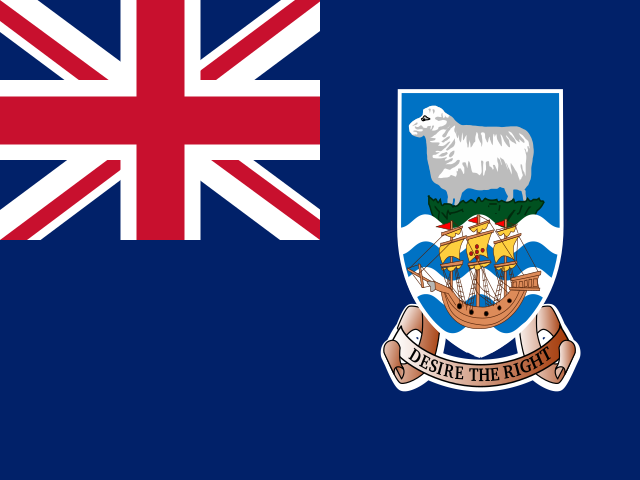
Argentina and the UK and Falkland Islands are the parties in a long-running sovereignty dispute over the Falkland Islands, a British Overseas Territory in the South Atlantic.
Argentina claims the islands as part of its national territory, while the UK and the Falkland Islands government maintain that the islands are British and that their inhabitants have the right to self-determination.
The conflict of interests centers on sovereignty and control over the islands and their surrounding waters, which are believed to hold significant oil reserves.
Argentina opposes oil exploration and drilling by foreign companies in the area, asserting its sovereignty claim, while the UK and the Falkland Islands government support such activities as a means of economic development.
This disagreement has periodically escalated, including a war in 1982 and more recent threats of sanctions by Argentina.
The dispute has deep historical roots, with the islands having been under British control since before Argentina's independence.
The 1982 Falklands War, a ten-week conflict, resulted in a British victory and reinforced UK control, but Argentina has never relinquished its claim.
The issue remains a point of tension in international relations, with economic and strategic interests at stake.
*AI-generated summary of publicly available data. This is not an official statement of any party.
*AI-generated summary of publicly available statements and reporting. This is not an official statement of this party.
Supporters of Argentina argue that the islands’ oil wealth is a colonial-era resource grab, echoing a history of British expansion that disregards cultural and territorial integrity.
Supporters of Argentina argue that the islands' oil wealth is a modern echo of past colonial extraction, and they see Milei's sanctions as a cultural stand against a lingering imperial footprint.
Supporters of Argentina counter that the islanders' British identity is a colonial transplant, not an indigenous culture, and that self-determination cannot override Argentina's historic sovereignty over the Malvinas.
Supporters of Argentina argue that international law recognizes its sovereignty claim over the Falklands, and that unilateral UK oil drilling violates that legal framework.
Supporters of Argentina argue that unilateral UK oil drilling off the Falklands breaches UN resolutions on disputed sovereignty, making any corporate activity there legally invalid without Argentine consent.
Supporters of Argentina counter that international law prioritizes territorial integrity over self-determination for non-self-governing territories, citing UN Resolution 2065, which frames the Falklands as a sovereignty dispute to be resolved bilaterally, not by islander preferen.
Supporters of Argentina argue Milei’s sanctions are leverage, not ideology: sovereignty claims matter less than the oil revenue and strategic control at stake.
Supporters of Argentina argue Milei’s sanctions threat is pure leverage, not ideology: force firms to choose between UK profits and Latin American market access, exposing weak Falklands sovereignty.
Supporters of Argentina counter that UK deterrence is a costly bluff unsustainable under economic strain, while self-determination claims ignore that sovereignty, not consent, decides resource rights.
Supporters of Argentina argue that external firms exploiting Falklands oil disregard the islanders' and Argentina's unresolved sovereignty claim, treating contested resources as morally neutral profit.
Supporters of Argentina argue that the islands' resources belong to its people, making outside drilling a violation of national sovereignty and a moral breach of self-determination.
Supporters of Argentina counter that self-determination cannot justify resource extraction on a disputed territory, as the islanders' choice does not erase the moral weight of Argentina’s historical and legal claim, which precedes any colonial settlement.
Supporters of Argentina invoke divine stewardship, arguing that the islands' resources are a sacred trust for the nation, and that foreign extraction violates moral law against taking what is rightfully theirs.
Supporters of Argentina argue that divine providence entrusted the islands to their nation, viewing the oil drilling as a violation of sacred territorial stewardship granted by scripture.
Supporters of Argentina counter that divine providence bestowed the islands upon the South American mainland, and that the islanders’ claim ignores the sacred, unbroken sovereignty granted by God to Argentina’s territorial integrity.
*AI-generated summary of publicly available statements and reporting. This is not an official statement of this party.
Supporters of the UK and Falkland Islands view the drilling as an expression of the islanders' distinct British cultural identity, rooted in self-determination.
Supporters of the UK and Falkland Islands argue that the islanders’ distinct British cultural identity and democratic self-determination, upheld since 1982, justify their right to approve offshore drilling.
Supporters of UK and Falkland Islands counter that islanders’ own cultural identity, shaped over generations, anchors their right to self-determination, not colonial extraction.
Supporters of the UK and Falkland Islands argue that international law recognizes the islanders’ right to self-determination, which legally justifies the licensed oil drilling in their waters.
Supporters of the UK and Falkland Islands argue that international law upholds the islands' right to self-determination, legally permitting their government to authorize oil drilling in its own waters.
Supporters of the UK and Falkland Islands counter that the islanders’ right to self-determination, as affirmed by the UN Charter, legally supersedes any historical sovereignty claim, and that UK drilling occurs within its recognized maritime jurisdiction.
Supporters of the UK and Falkland Islands see Argentina’s sanctions threat as a bluff driven by domestic weakness, not legal strength, pointing to UK military deterrence and the islands’ right to self-determination as the real power that keeps drilling viable.
Supporters of the UK and Falkland Islands see Milei’s sanctions threat as a bluff, pointing to Argentina’s weak leverage and the islands’ strategic value; they argue that economic deterrence of oil firms fails when British sovereignty and commercial profit align.
Supporters of the UK and Falkland Islands counter that Milei’s sanctions are pure domestic theater, masking Buenos Aires’s real weakness: no naval or economic capacity to challenge the islands’ garrison or the lucrative oil contracts already locked in with British firms.
Supporters of the UK and Falkland Islands argue that the islanders’ right to self-determination morally outweighs Argentina’s sovereign claims, making the oil drilling a lawful expression of their choice.
Supporters of the UK and Falkland Islands argue that the islanders’ moral right to self-determination justifies oil drilling, as prosperity strengthens their democratic choice.
Supporters of the UK and Falkland Islands counter that the islanders’ right to self-determination is the paramount moral principle, rendering external investment legitimate and sovereignty claims secondary to their democratic will.
Supporters of the UK and Falkland Islands view their enduring sovereignty as a sacred trust, upheld by history and the self-determination of the islanders, which Argentina’s sanctions threaten to undermine.
Supporters of the UK and Falkland Islands see their oil drilling as a lawful stewardship of resources, grounded in the islanders’ right to self-determination—a tradition they argue predates Argentina’s claim.
Supporters of the UK and Falkland Islands counter that divine stewardship honors self-determination, viewing the islanders' historic tenure as a sacred trust, with lawful resource use reflecting moral order.
AI-generated summary of publicly available statements and reporting. This is not an official statement of this party.
Supporters of Argentina argue that the islands’ oil wealth is a colonial-era resource grab, echoing a history of British expansion that disregards cultural and territorial integrity.
Supporters of Argentina argue that the islands' oil wealth is a modern echo of past colonial extraction, and they see Milei's sanctions as a cultural stand against a lingering imperial footprint.
Supporters of Argentina counter that the islanders' British identity is a colonial transplant, not an indigenous culture, and that self-determination cannot override Argentina's historic sovereignty over the Malvinas.
Supporters of Argentina argue that international law recognizes its sovereignty claim over the Falklands, and that unilateral UK oil drilling violates that legal framework.
Supporters of Argentina argue that unilateral UK oil drilling off the Falklands breaches UN resolutions on disputed sovereignty, making any corporate activity there legally invalid without Argentine consent.
Supporters of Argentina counter that international law prioritizes territorial integrity over self-determination for non-self-governing territories, citing UN Resolution 2065, which frames the Falklands as a sovereignty dispute to be resolved bilaterally, not by islander preferen.
Supporters of Argentina argue Milei’s sanctions are leverage, not ideology: sovereignty claims matter less than the oil revenue and strategic control at stake.
Supporters of Argentina argue Milei’s sanctions threat is pure leverage, not ideology: force firms to choose between UK profits and Latin American market access, exposing weak Falklands sovereignty.
Supporters of Argentina counter that UK deterrence is a costly bluff unsustainable under economic strain, while self-determination claims ignore that sovereignty, not consent, decides resource rights.
Supporters of Argentina argue that external firms exploiting Falklands oil disregard the islanders' and Argentina's unresolved sovereignty claim, treating contested resources as morally neutral profit.
Supporters of Argentina argue that the islands' resources belong to its people, making outside drilling a violation of national sovereignty and a moral breach of self-determination.
Supporters of Argentina counter that self-determination cannot justify resource extraction on a disputed territory, as the islanders' choice does not erase the moral weight of Argentina’s historical and legal claim, which precedes any colonial settlement.
Supporters of Argentina invoke divine stewardship, arguing that the islands' resources are a sacred trust for the nation, and that foreign extraction violates moral law against taking what is rightfully theirs.
Supporters of Argentina argue that divine providence entrusted the islands to their nation, viewing the oil drilling as a violation of sacred territorial stewardship granted by scripture.
Supporters of Argentina counter that divine providence bestowed the islands upon the South American mainland, and that the islanders’ claim ignores the sacred, unbroken sovereignty granted by God to Argentina’s territorial integrity.
Supporters of the UK and Falkland Islands view the drilling as an expression of the islanders' distinct British cultural identity, rooted in self-determination.
Supporters of the UK and Falkland Islands argue that the islanders’ distinct British cultural identity and democratic self-determination, upheld since 1982, justify their right to approve offshore drilling.
Supporters of UK and Falkland Islands counter that islanders’ own cultural identity, shaped over generations, anchors their right to self-determination, not colonial extraction.
Supporters of the UK and Falkland Islands argue that international law recognizes the islanders’ right to self-determination, which legally justifies the licensed oil drilling in their waters.
Supporters of the UK and Falkland Islands argue that international law upholds the islands' right to self-determination, legally permitting their government to authorize oil drilling in its own waters.
Supporters of the UK and Falkland Islands counter that the islanders’ right to self-determination, as affirmed by the UN Charter, legally supersedes any historical sovereignty claim, and that UK drilling occurs within its recognized maritime jurisdiction.
Supporters of the UK and Falkland Islands see Argentina’s sanctions threat as a bluff driven by domestic weakness, not legal strength, pointing to UK military deterrence and the islands’ right to self-determination as the real power that keeps drilling viable.
Supporters of the UK and Falkland Islands see Milei’s sanctions threat as a bluff, pointing to Argentina’s weak leverage and the islands’ strategic value; they argue that economic deterrence of oil firms fails when British sovereignty and commercial profit align.
Supporters of the UK and Falkland Islands counter that Milei’s sanctions are pure domestic theater, masking Buenos Aires’s real weakness: no naval or economic capacity to challenge the islands’ garrison or the lucrative oil contracts already locked in with British firms.
Supporters of the UK and Falkland Islands argue that the islanders’ right to self-determination morally outweighs Argentina’s sovereign claims, making the oil drilling a lawful expression of their choice.
Supporters of the UK and Falkland Islands argue that the islanders’ moral right to self-determination justifies oil drilling, as prosperity strengthens their democratic choice.
Supporters of the UK and Falkland Islands counter that the islanders’ right to self-determination is the paramount moral principle, rendering external investment legitimate and sovereignty claims secondary to their democratic will.
Supporters of the UK and Falkland Islands view their enduring sovereignty as a sacred trust, upheld by history and the self-determination of the islanders, which Argentina’s sanctions threaten to undermine.
Supporters of the UK and Falkland Islands see their oil drilling as a lawful stewardship of resources, grounded in the islanders’ right to self-determination—a tradition they argue predates Argentina’s claim.
Supporters of the UK and Falkland Islands counter that divine stewardship honors self-determination, viewing the islanders' historic tenure as a sacred trust, with lawful resource use reflecting moral order.
Argentina filed a legal action with an international maritime tribunal over UK-authorized oil exploration around the Falkland Islands.
A multibillion-dollar oil project in the Falkland Islands was proposed, reigniting tensions.
Argentinian President Javier Milei has demanded that the UK stop oil exploration near the disputed Falkland Islands Read Full Article at RT.com
A major offshore oil project is opening a new front in the Falklands sovereignty dispute, with Buenos Aires threatening legal action and sanctions against companies involved.
Argentina gives the UK two weeks to cease oil operations near the Falkland Islands or face maritime court action.
President Javier Milei set a two-week deadline for the Sea Lion oilfield project to be scrapped.
Argentina steps up its Las Malvinas claim as tensions with the UK grow over offshore oil drilling.
The symbolic move comes as Argentina escalates its claim over the British-administered territory.
Government says new legal complaints to be filed against firms exploring for oil near the Falkland Islands.
Analysts say Argentina's president sees an opportunity to exploit Trump’s growing tensions with London.
The comments come as Argentinian president Javier Milei says the "winds of change" favoured his country's claim on the British overseas territory.
Argentina’s President Javier Milei has threatened sanctions against oil companies operating off the Falklands.
Argentina escalates sovereignty dispute over Falkland Islands, seizing on Trump comments and oil tensions.
Argentina escalates sovereignty claim by targeting an oil company operating in the Falklands.
President Javier Milei states that sovereignty over the Falkland Islands remains a national objective.
Argentina's president threatens sanctions and seeks to shift US stance on the Falkland Islands.
The Falklands Conflict ends with a British victory, reaffirming UK control over the islands.
Argentina invades the Falkland Islands, starting a ten-week war with the United Kingdom over possession of the islands.
Armed conflict between Argentina and the United Kingdom over the Falkland Islands.