Armenian Apostolic Church

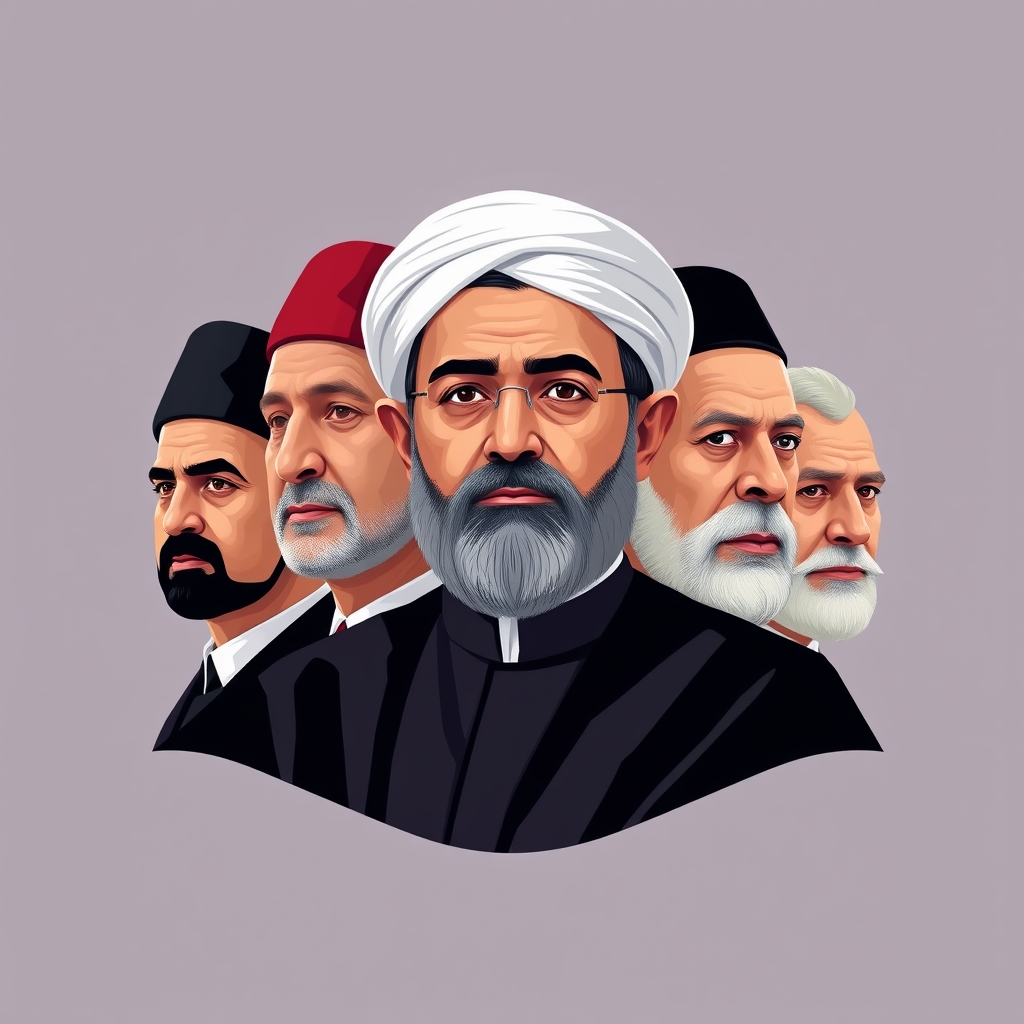
VS
Armenian government

The Armenian Apostolic Church is one of the oldest Christian institutions in the world, with the Kingdom of Armenia being the first state to adopt Christianity as its official religion.
The church is led by Catholicos Karekin II, who represents its spiritual and administrative authority.
The Armenian government, headed by Prime Minister Nikol Pashinyan, is a liberal administration that has never been an ally of the deeply conservative church, despite a formal separation of church and state.
The conflict between the two sides centers on ecclesiastical authority and legal compliance.
The government has taken legal action against Catholicos Karekin II and six other clerics for failing to reinstate a defrocked bishop, a move that deepens a feud over the church's internal governance and its relationship with state law.
Critics of the government accuse the administration of instigating the conflict, while the church sees the legal proceedings as an infringement on its religious autonomy.
The stakes are high, as the dispute reflects broader tensions over the role of religion in Armenian public life and the limits of state power over religious institutions.
The conflict has escalated in recent years, with the government and the church locked in a stand-off that shows no clear resolution.
*AI-generated summary of publicly available data. This is not an official statement of any party.
*AI-generated summary of publicly available statements and reporting. This is not an official statement of this party.
Supporters of the Armenian Apostolic Church argue that the trial erodes centuries of ecclesiastical tradition, where defrocking is a sacred, internal rite, not a state matter. They maintain that the government’s legal demand violates cultural precedent, turning a spiritual.
Supporters of the Armenian Apostolic Church argue that the trial of Catholicos Karekin II is a state intrusion into centuries-old ecclesiastical tradition, where defrocking remains a sacred, internal judgment. They point to precedent that civil courts have never overruled.
Supporters of the Armenian Apostolic Church counter that national law itself grew from centuries of church-rooted custom, and that civic equality cannot be severed from the spiritual identity that forged the nation's collective memory.
Supporters of the Armenian Apostolic Church argue that the trial violates ecclesiastical legal autonomy, as church canon law, not state courts, governs defrocking procedures.
Supporters of the Armenian Apostolic Church argue that the trial violates the legal principle of ecclesiastical autonomy, as state courts overstep their jurisdiction by compelling internal canon-law decisions.
Supporters of the Armenian Apostolic Church counter that civil courts lack jurisdiction over internal ecclesiastical discipline, citing constitutional separation of church and state and the church’s autonomous canons, which exclusively govern clerical status.
Supporters of the Armenian Apostolic Church argue Pashinyan’s prosecution is raw power play, using state courts to force clerical submission and mask political weakness.
Supporters of the Armenian Apostolic Church argue the trial is Pashinyan’s power play to subordinate clergy, framing legal compliance as a pretext to seize ecclesiastical authority.
Supporters of the Armenian Apostolic Church counter that Pashinyan’s trial is not about civil law but a calculated move to seize moral authority, yet the church’s real leverage lies in its 1,700-year grassroots loyalty, which no decree can dissolve.
Supporters of the Armenian Apostolic Church argue that moral authority demands the Church, not the state, determine its own spiritual discipline, and that prosecuting clergy for upholding sacred canons violates religious freedom.
Supporters of the Armenian Apostolic Church argue that ecclesiastical authority is a moral covenant, not a bureaucratic formality, and the state’s prosecution of its clergy violates the sacred duty to uphold canon law.
Supporters of the Armenian Apostolic Church counter that civil law is not the ultimate moral arbiter, as its divine mandate precedes and transcends state statutes. They argue that the church’s duty to preserve sacred tradition and conscience outweighs mere legal compliance,.
Supporters of the Armenian Apostolic Church argue that the state has no rightful authority to compel the reinstatement of a defrocked bishop, as ecclesiastical discipline is a sacred, internal matter rooted in ancient canon law.
Supporters of the Armenian Apostolic Church argue that the trial of Catholicos Karekin II overrides sacred ecclesiastical authority, as defrocking is a spiritual judgment the state must not second-guess.
Supporters of the Armenian Apostolic Church counter that its canonical autonomy predates state law, rooted in divine mandate, not civil statute. They argue that legal duty cannot supersede sacred tradition, as the church’s mission to preserve faith and national identity stands.
*AI-generated summary of publicly available statements and reporting. This is not an official statement of this party.
Supporters of the Armenian government argue that national law must supersede ecclesiastical decree, framing the trial as a defense of civic equality over clerical privilege.
Supporters of the Armenian government argue that the trial upholds the rule of law, affirming that ecclesiastical decisions must align with civil legal standards, not ancient tradition.
Supporters of the Armenian government counter that national law, not clerical custom, defines justice, and that the state’s oversight protects cultural heritage from internal abuse.
Supporters of the Armenian government argue the trial is a matter of legal compliance, asserting that state law requires the reinstatement of the defrocked bishop, and that the church, like any institution, must answer to civil courts.
Supporters of the Armenian government argue that the trial is a lawful application of civil codes, obligating the church to follow court orders on reinstatement. They maintain that no institution, including the Apostolic Church, stands above legal compliance, and the clerics'.
Supporters of the Armenian government counter that the trial concerns criminal fraud and abuse of office, not internal doctrine, so state courts retain jurisdiction under the Civil Code and criminal statutes.
Supporters of the Armenian government argue Pashinyan’s trial is a power play to subordinate the church’s authority to civil law, treating ecclesiastical defiance as a test of state supremacy.
Supporters of Armenian government argue the trial is a calculated assertion of state supremacy, exposing the church’s defiance as a power grab that Pashinyan must crush to secure legal order.
Supporters of the Armenian government counter that the prosecution is a calculated legal necessity, not a power grab—Pashinyan’s move targets institutional defiance to consolidate state authority, and the courts serve as the only lever to enforce accountability over clerical.
Supporters of the Armenian government argue that no institution, including the church, stands above civil law, and that legal compliance is a moral duty for all citizens.
Supporters of the Armenian government argue that equal application of civil law to the church upholds moral accountability, as no institution may place itself above legal compliance.
Supporters of the Armenian government counter that moral authority flows from the people’s democratic will, not clerical decree, and that no sacred canon may override constitutional law ensuring equal protection for all citizens.
Supporters of the Armenian government argue that state law must govern all institutions, viewing the church’s defiance as a breach of legal duty, not faith.
Supporters of the Armenian government argue that divine law obliges church leaders to uphold civil order, and that the clerics’ refusal to reinstate the bishop violates legal compliance.
Supporters of the Armenian government counter that divine law, as revealed in scripture, obligates the state to safeguard national unity and justice, which church discipline must serve. They argue that canon law itself cannot supersede the people's sovereign will in a democratic.
AI-generated summary of publicly available statements and reporting. This is not an official statement of this party.
Supporters of the Armenian Apostolic Church argue that the trial erodes centuries of ecclesiastical tradition, where defrocking is a sacred, internal rite, not a state matter. They maintain that the government’s legal demand violates cultural precedent, turning a spiritual.
Supporters of the Armenian Apostolic Church argue that the trial of Catholicos Karekin II is a state intrusion into centuries-old ecclesiastical tradition, where defrocking remains a sacred, internal judgment. They point to precedent that civil courts have never overruled.
Supporters of the Armenian Apostolic Church counter that national law itself grew from centuries of church-rooted custom, and that civic equality cannot be severed from the spiritual identity that forged the nation's collective memory.
Supporters of the Armenian Apostolic Church argue that the trial violates ecclesiastical legal autonomy, as church canon law, not state courts, governs defrocking procedures.
Supporters of the Armenian Apostolic Church argue that the trial violates the legal principle of ecclesiastical autonomy, as state courts overstep their jurisdiction by compelling internal canon-law decisions.
Supporters of the Armenian Apostolic Church counter that civil courts lack jurisdiction over internal ecclesiastical discipline, citing constitutional separation of church and state and the church’s autonomous canons, which exclusively govern clerical status.
Supporters of the Armenian Apostolic Church argue Pashinyan’s prosecution is raw power play, using state courts to force clerical submission and mask political weakness.
Supporters of the Armenian Apostolic Church argue the trial is Pashinyan’s power play to subordinate clergy, framing legal compliance as a pretext to seize ecclesiastical authority.
Supporters of the Armenian Apostolic Church counter that Pashinyan’s trial is not about civil law but a calculated move to seize moral authority, yet the church’s real leverage lies in its 1,700-year grassroots loyalty, which no decree can dissolve.
Supporters of the Armenian Apostolic Church argue that moral authority demands the Church, not the state, determine its own spiritual discipline, and that prosecuting clergy for upholding sacred canons violates religious freedom.
Supporters of the Armenian Apostolic Church argue that ecclesiastical authority is a moral covenant, not a bureaucratic formality, and the state’s prosecution of its clergy violates the sacred duty to uphold canon law.
Supporters of the Armenian Apostolic Church counter that civil law is not the ultimate moral arbiter, as its divine mandate precedes and transcends state statutes. They argue that the church’s duty to preserve sacred tradition and conscience outweighs mere legal compliance,.
Supporters of the Armenian Apostolic Church argue that the state has no rightful authority to compel the reinstatement of a defrocked bishop, as ecclesiastical discipline is a sacred, internal matter rooted in ancient canon law.
Supporters of the Armenian Apostolic Church argue that the trial of Catholicos Karekin II overrides sacred ecclesiastical authority, as defrocking is a spiritual judgment the state must not second-guess.
Supporters of the Armenian Apostolic Church counter that its canonical autonomy predates state law, rooted in divine mandate, not civil statute. They argue that legal duty cannot supersede sacred tradition, as the church’s mission to preserve faith and national identity stands.
Supporters of the Armenian government argue that national law must supersede ecclesiastical decree, framing the trial as a defense of civic equality over clerical privilege.
Supporters of the Armenian government argue that the trial upholds the rule of law, affirming that ecclesiastical decisions must align with civil legal standards, not ancient tradition.
Supporters of the Armenian government counter that national law, not clerical custom, defines justice, and that the state’s oversight protects cultural heritage from internal abuse.
Supporters of the Armenian government argue the trial is a matter of legal compliance, asserting that state law requires the reinstatement of the defrocked bishop, and that the church, like any institution, must answer to civil courts.
Supporters of the Armenian government argue that the trial is a lawful application of civil codes, obligating the church to follow court orders on reinstatement. They maintain that no institution, including the Apostolic Church, stands above legal compliance, and the clerics'.
Supporters of the Armenian government counter that the trial concerns criminal fraud and abuse of office, not internal doctrine, so state courts retain jurisdiction under the Civil Code and criminal statutes.
Supporters of the Armenian government argue Pashinyan’s trial is a power play to subordinate the church’s authority to civil law, treating ecclesiastical defiance as a test of state supremacy.
Supporters of Armenian government argue the trial is a calculated assertion of state supremacy, exposing the church’s defiance as a power grab that Pashinyan must crush to secure legal order.
Supporters of the Armenian government counter that the prosecution is a calculated legal necessity, not a power grab—Pashinyan’s move targets institutional defiance to consolidate state authority, and the courts serve as the only lever to enforce accountability over clerical.
Supporters of the Armenian government argue that no institution, including the church, stands above civil law, and that legal compliance is a moral duty for all citizens.
Supporters of the Armenian government argue that equal application of civil law to the church upholds moral accountability, as no institution may place itself above legal compliance.
Supporters of the Armenian government counter that moral authority flows from the people’s democratic will, not clerical decree, and that no sacred canon may override constitutional law ensuring equal protection for all citizens.
Supporters of the Armenian government argue that state law must govern all institutions, viewing the church’s defiance as a breach of legal duty, not faith.
Supporters of the Armenian government argue that divine law obliges church leaders to uphold civil order, and that the clerics’ refusal to reinstate the bishop violates legal compliance.
Supporters of the Armenian government counter that divine law, as revealed in scripture, obligates the state to safeguard national unity and justice, which church discipline must serve. They argue that canon law itself cannot supersede the people's sovereign will in a democratic.
Armenia’s head of the Apostolic Church and senior clergy could face jail time over allegations of spying for Russia.
Catholicos Karekin II and six other clerics are accused of failing to reinstate a bishop who was defrocked.
A report from the Begin-Sadat Center for Strategic Studies describes the Armenian government, headed by Prime Minister Nikol Pashinyan, as the leading instigator of the conflict with church structures.
An analysis published by the International Center for Law and Religion Studies notes that the conflict between Armenia's government and the Armenian Apostolic Church continues to evolve, with no definitive conclusions yet.
Prime Minister Nikol Pashinyan publicly accused Catholicos Karekin II of fathering a child, intensifying the political row between the government and the Armenian Apostolic Church.