Azerbaijan government
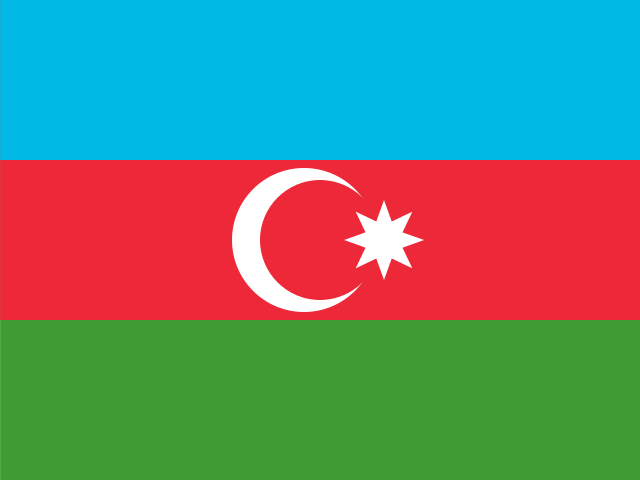
VS
Hijab protesters
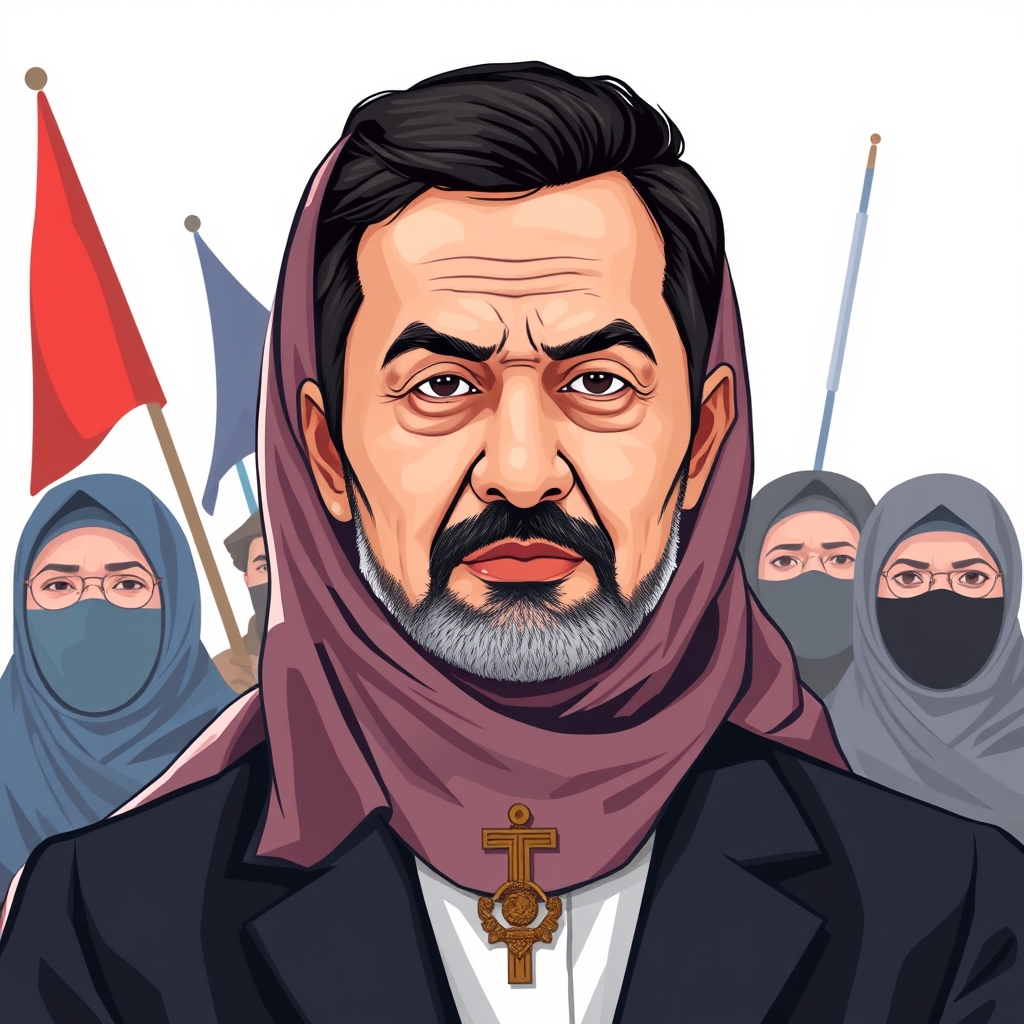
Azerbaijan has implemented new uniform rules that bar girls wearing hijabs from schools, leading to protests and arrests.
The policy has sparked growing anger and debate over religious freedom and secular education.
*AI-generated summary of publicly available data. This is not an official statement of any party.
*AI-generated summary of publicly available statements and reporting. This is not an official statement of this party.
Supporters of Azerbaijan government argue the hijab ban continues a secular schooling tradition, framing uniform rules as cultural neutrality that keeps religion out of classrooms and unites students.
Supporters of Azerbaijan government argue the hijab ban reflects a centuries-old secular tradition, pointing to past reforms that tied education to modernization and national identity rather than religion.
Supporters of the Azerbaijan government counter that the republic's own cultural memory runs through Soviet-era secular schooling, where headscarves were long excluded, so the ban reflects an inherited local tradition rather than an outside imposition.
Supporters of Azerbaijan government argue that uniform rules are neutral, lawful secular policy applied equally, not a targeted ban on religious belief.
Supporters of Azerbaijan's government argue the uniform rules are lawful secular-education measures applied equally to all students, not religious targeting, and that protests fell under public-order law.
Supporters of Azerbaijan's government counter that the ICCPR permits limitations on religious expression when necessary to protect public order and the rights of others, and that secular education policy falls within state discretion.
Supporters of Azerbaijan's government argue the secular uniform rule is a sovereignty play: curbing external religious influence preserves state control over education and limits rivals' leverage.
Supporters of Azerbaijan government argue the uniform ban is a sovereignty play: a secular state cannot let religious identity fracture civic control, and quieting dissent now costs less than ceding authority later.
Supporters of Azerbaijan government counter that secularism is itself the control mechanism: by barring hijabs in schools, the state denies religious leaders a visible foothold to mobilize followers against it.
Supporters of Azerbaijan government argue that secular education laws protect students and maintain institutional neutrality, citing the state's legal duty to enforce uniform rules equally. They maintain the policy reflects a legitimate legal framework, not religious targeting.
Supporters of Azerbaijan government argue that uniform rules keep public education secular and neutral, and they maintain that schooling, not religious dress, is the priority.
Supporters of Azerbaijan's government counter that secular education is itself a moral commitment, and that allowing religious symbols in state schools would let coercion, not conscience, decide what girls wear.
Supporters of Azerbaijan's government frame the uniform rules as preserving the country's secular education tradition, arguing that keeping religion out of public schools protects social cohesion and equal treatment for all students.
Supporters of Azerbaijan’s government argue the uniform rules preserve the country’s secular education tradition and social order, maintaining that faith is honored in private while schools stay neutral for all students.
Supporters of the Azerbaijan government counter that secular state schooling is itself a protected tradition, and that religious observance belongs in the home and mosque, not in institutions built to keep faith and state separate.
*AI-generated summary of publicly available statements and reporting. This is not an official statement of this party.
Supporters of the Hijab protesters argue that the school ban disrupts a long-standing cultural and religious tradition, insisting that secular education and inherited faith can coexist without forcing girls to choose between them.
Supporters of the Hijab protesters argue the ban severs a faith tradition woven into Azerbaijan's cultural fabric for generations, and that secular schooling should not require girls to abandon inherited religious identity.
Supporters of Hijab protesters counter that secular schooling in Azerbaijan has historically accommodated Muslim dress, so framing the ban as tradition misreads the region's own cultural continuity.
Supporters of Hijab protesters argue Azerbaijan's school ban violates international law on religious freedom and education rights, citing the ICCPR and the European Convention on Human Rights.
Supporters of Hijab protesters argue the school ban violates Azerbaijan's constitutional guarantee of religious freedom and its international human rights commitments.
Supporters of Hijab protesters counter that facially neutral rules can still breach international law on religious freedom when their effect disproportionately burdens one faith, citing ECtHR rulings on indirect discrimination.
Supporters of Hijab protesters argue that Azerbaijan's ban is a bid for control, not secularism, and that religious identity is leverage the state can't coerce away.
Supporters of Hijab protesters argue the ban is a power play: Azerbaijan's government targets visible religiosity to signal secular control, while protesters expose that coercion breeds unrest, not compliance.
Supporters of the Hijab protesters counter that the sovereignty claim masks a deeper aim: by branding devout women as foreign proxies, Baku converts a domestic constituency into a bargaining chip, trading their rights for leverage with rivals rather than defending real autonomy.
Supporters of the Hijab protesters argue that barring girls from school over their hijab violates their moral right to education and religious expression, since exclusion punishes belief rather than protects learning.
Supporters of the Hijab protesters argue that barring hijab-wearing girls from school denies them an education and punishes their faith, a moral cost they say outweighs uniform enforcement.
Supporters of Hijab protesters counter that a moral right to religious expression outweighs institutional uniformity, arguing that equal enforcement of a rule can still cause unequal harm to believers.
Supporters of Hijab protesters argue the school ban violates religious freedom, citing hijab as a matter of faith and conscience that the state should not restrict.
Supporters of the Hijab protesters argue that barring hijab-wearing girls from school violates religious freedom, since modest dress is a matter of conscience and faith that the state should not override.
Supporters of the Hijab protesters counter that secularism need not bar religious dress, citing Azerbaijan's own Islamic tradition and Article 48 of its constitution, which guarantees freedom of conscience and worship.
AI-generated summary of publicly available statements and reporting. This is not an official statement of this party.
Supporters of Azerbaijan government argue the hijab ban continues a secular schooling tradition, framing uniform rules as cultural neutrality that keeps religion out of classrooms and unites students.
Supporters of Azerbaijan government argue the hijab ban reflects a centuries-old secular tradition, pointing to past reforms that tied education to modernization and national identity rather than religion.
Supporters of the Azerbaijan government counter that the republic's own cultural memory runs through Soviet-era secular schooling, where headscarves were long excluded, so the ban reflects an inherited local tradition rather than an outside imposition.
Supporters of Azerbaijan government argue that uniform rules are neutral, lawful secular policy applied equally, not a targeted ban on religious belief.
Supporters of Azerbaijan's government argue the uniform rules are lawful secular-education measures applied equally to all students, not religious targeting, and that protests fell under public-order law.
Supporters of Azerbaijan's government counter that the ICCPR permits limitations on religious expression when necessary to protect public order and the rights of others, and that secular education policy falls within state discretion.
Supporters of Azerbaijan's government argue the secular uniform rule is a sovereignty play: curbing external religious influence preserves state control over education and limits rivals' leverage.
Supporters of Azerbaijan government argue the uniform ban is a sovereignty play: a secular state cannot let religious identity fracture civic control, and quieting dissent now costs less than ceding authority later.
Supporters of Azerbaijan government counter that secularism is itself the control mechanism: by barring hijabs in schools, the state denies religious leaders a visible foothold to mobilize followers against it.
Supporters of Azerbaijan government argue that secular education laws protect students and maintain institutional neutrality, citing the state's legal duty to enforce uniform rules equally. They maintain the policy reflects a legitimate legal framework, not religious targeting.
Supporters of Azerbaijan government argue that uniform rules keep public education secular and neutral, and they maintain that schooling, not religious dress, is the priority.
Supporters of Azerbaijan's government counter that secular education is itself a moral commitment, and that allowing religious symbols in state schools would let coercion, not conscience, decide what girls wear.
Supporters of Azerbaijan's government frame the uniform rules as preserving the country's secular education tradition, arguing that keeping religion out of public schools protects social cohesion and equal treatment for all students.
Supporters of Azerbaijan’s government argue the uniform rules preserve the country’s secular education tradition and social order, maintaining that faith is honored in private while schools stay neutral for all students.
Supporters of the Azerbaijan government counter that secular state schooling is itself a protected tradition, and that religious observance belongs in the home and mosque, not in institutions built to keep faith and state separate.
Supporters of the Hijab protesters argue that the school ban disrupts a long-standing cultural and religious tradition, insisting that secular education and inherited faith can coexist without forcing girls to choose between them.
Supporters of the Hijab protesters argue the ban severs a faith tradition woven into Azerbaijan's cultural fabric for generations, and that secular schooling should not require girls to abandon inherited religious identity.
Supporters of Hijab protesters counter that secular schooling in Azerbaijan has historically accommodated Muslim dress, so framing the ban as tradition misreads the region's own cultural continuity.
Supporters of Hijab protesters argue Azerbaijan's school ban violates international law on religious freedom and education rights, citing the ICCPR and the European Convention on Human Rights.
Supporters of Hijab protesters argue the school ban violates Azerbaijan's constitutional guarantee of religious freedom and its international human rights commitments.
Supporters of Hijab protesters counter that facially neutral rules can still breach international law on religious freedom when their effect disproportionately burdens one faith, citing ECtHR rulings on indirect discrimination.
Supporters of Hijab protesters argue that Azerbaijan's ban is a bid for control, not secularism, and that religious identity is leverage the state can't coerce away.
Supporters of Hijab protesters argue the ban is a power play: Azerbaijan's government targets visible religiosity to signal secular control, while protesters expose that coercion breeds unrest, not compliance.
Supporters of the Hijab protesters counter that the sovereignty claim masks a deeper aim: by branding devout women as foreign proxies, Baku converts a domestic constituency into a bargaining chip, trading their rights for leverage with rivals rather than defending real autonomy.
Supporters of the Hijab protesters argue that barring girls from school over their hijab violates their moral right to education and religious expression, since exclusion punishes belief rather than protects learning.
Supporters of the Hijab protesters argue that barring hijab-wearing girls from school denies them an education and punishes their faith, a moral cost they say outweighs uniform enforcement.
Supporters of Hijab protesters counter that a moral right to religious expression outweighs institutional uniformity, arguing that equal enforcement of a rule can still cause unequal harm to believers.
Supporters of Hijab protesters argue the school ban violates religious freedom, citing hijab as a matter of faith and conscience that the state should not restrict.
Supporters of the Hijab protesters argue that barring hijab-wearing girls from school violates religious freedom, since modest dress is a matter of conscience and faith that the state should not override.
Supporters of the Hijab protesters counter that secularism need not bar religious dress, citing Azerbaijan's own Islamic tradition and Article 48 of its constitution, which guarantees freedom of conscience and worship.
Anger is growing in Azerbaijan after girls wearing hijabs were barred from schools under new uniform rules.
Protests have broken out as some schools begin preventing students and teachers from attending classes.