Aziz Akhannouch
VS
Morocco football federation chief
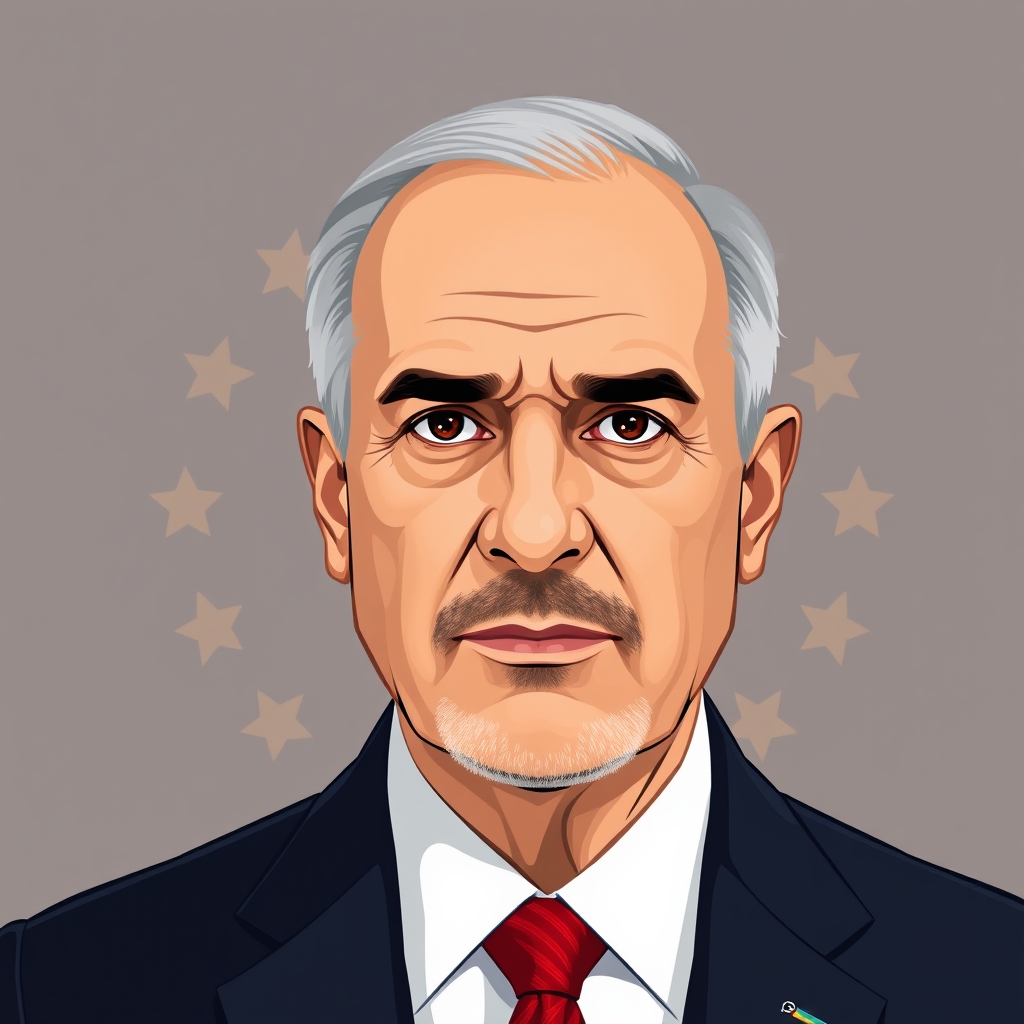
Aziz Akhannouch is Morocco's Head of Government, the country's prime minister, who has been involved in overseeing national preparations for major football tournaments, including the 2030 World Cup.
The Morocco football federation chief leads the Royal Moroccan Football Federation (FRMF), the body responsible for governing Moroccan football and representing the country in international football affairs.
The two figures have clashed over public statements made by the federation chief regarding Morocco hosting the 2030 World Cup final.
Akhannouch publicly criticized the federation chief for making what he characterized as premature or inappropriate promises about the final, telling him to stop making big promises on the matter.
The dispute centers on whether such a statement was appropriate or accurate given the stage of preparations and the official processes involved in World Cup hosting decisions.
The exchange comes amid broader scrutiny of Morocco's preparations for the 2030 World Cup, which the country is set to co-host.
Akhannouch has participated in high-level FIFA meetings, including one in New York called by FIFA President Gianni Infantino, to review preparations for the tournament.
The disagreement highlights tensions between political leadership and sports governance over public communications regarding the tournament.
*AI-generated summary of publicly available data. This is not an official statement of any party.
*AI-generated summary of publicly available statements and reporting. This is not an official statement of this party.
Supporters of Aziz Akhannouch argue that state protocol and institutional hierarchy must be respected, maintaining that a federation chief should not preempt official announcements reserved for sovereign authorities.
Supporters of Aziz Akhannouch argue that a prime minister upholds state protocol and national unity, so premature boasts by a federation chief risk undermining Morocco's official standing and inherited diplomatic norms.
Supporters of Aziz Akhannouch counter that a World Cup final is a state milestone, not a federation's cultural property, and that inherited national prestige belongs to the Crown and government that secured the bid.
Supporters of Aziz Akhannouch argue that announcing a 2030 World Cup final host before FIFA's official decision lacked legal standing, since only world football's governing body holds that authority.
Supporters of Aziz Akhannouch argue that announcing a 2030 World Cup final host exceeds the federation chief's legal authority, since only FIFA and co-hosting states can formally confirm such decisions.
Supporters of Aziz Akhannouch counter that FIFA's statutes require government guarantees for host venues, so the federation cannot invoke FIFA authority while bypassing the state's lawful role in approving them.
Supporters of Aziz Akhannouch argue that publicly claiming the 2030 final invites diplomatic friction with co-hosts Spain and Portugal, and that undisciplined talk forfeits leverage better held quietly.
Supporters of Aziz Akhannouch argue that announcing a 2030 final before FIFA confirms it surrenders negotiating leverage and lets rivals extract concessions, so the PM asserts state authority over premature boasts.
Supporters of Aziz Akhannouch counter that the federation chief's boast was itself leverage-seeking, and the PM's rebuke reclaims state authority over a body whose FIFA ties already shield it from accountability.
Supporters of Aziz Akhannouch argue that a prime minister has a moral duty to correct unauthorized public claims, since only FIFA holds the power to decide host cities and final venues.
Supporters of Aziz Akhannouch argue that a federation chief making unilateral public promises about the 2030 final oversteps his mandate, since such claims bind the nation without consent and disrespect due process.
Supporters of Aziz Akhannouch counter that a public official’s private ambition is not a moral license to bind the nation’s word, since promises made on the people’s behalf require their consent, not one man’s pride.
Supporters of Aziz Akhannouch argue that leadership demands humility and respect for due process, invoking scripture that the meek shall inherit the earth, and hold that announcing the 2030 World Cup final before official confirmation was premature and unbecoming.
Supporters of Aziz Akhannouch argue that Morocco's leadership should speak with restraint and truthfulness, since Islamic teaching warns against boasting beyond what is certain, and only FIFA, not any official, can confirm the 2030 final's venue.
Supporters of Aziz Akhannouch counter that thanksgiving belongs to God alone; they argue a Prime Minister's duty is humble service and stewardship, not competing with the football chief over credit for a blessing.
*AI-generated summary of publicly available statements and reporting. This is not an official statement of this party.
Supporters of Morocco's football federation chief argue the 2030 final boast reflects a deeper cultural pride, insisting that hosting the match symbolizes national honor and unity.
Supporters of Morocco's football federation chief argue that Moroccans have long treated football as a source of national pride, so publicly claiming the 2030 final reflects that cultural passion rather than overreach.
Supporters of Morocco's football federation chief counter that football is a cultural unifier where the nation already speaks through its team, so the federation's voice carries its own sovereign weight.
Supporters of Morocco's football federation chief argue that announcing a host city is within the federation's legal remit and that FIFA, not the PM, holds final authority over venue decisions.
Supporters of Morocco's football federation chief argue the legal authority to announce host-city and final-match decisions rests with FIFA and the joint bid committee, not the prime minister, so his criticism exceeds domestic executive power.
Supporters of Morocco's football federation chief counter that FIFA's own bidding rules let host confederations name proposed venues, so signaling a 2030 final host reflects a lawful bid commitment, not a usurpation of FIFA's authority.
Supporters of Morocco's football federation chief argue the PM's rebuke was about controlling the narrative, not accuracy; the boast was a bid to lock in leverage before FIFA's final say.
Supporters of Morocco's football federation chief argue he seized the only leverage a sports official has: public momentum, forcing the PM to negotiate from a position already conceded, since power follows whoever names the prize first.
Supporters of Morocco football federation chief counter that quiet leverage means nothing without public pressure; they argue a public claim forces Spain and Portugal to negotiate, since silence cedes the final by default.
Supporters of Morocco's football federation chief argue that publicly claiming the 2030 final reflects ambition and national pride, and that such statements should not be punished.
Supporters of Morocco's football federation chief argue that claiming the 2030 World Cup final reflects a moral duty to champion Morocco's green ambitions, pressing for sustainable, low-impact hosting.
Supporters of Morocco's football federation chief counter that FIFA alone holds authority over venues, so a prime minister's moral duty is to respect that autonomy rather than publicly correct a federation acting within its remit.
Supporters of the Morocco football federation chief argue that a nation's pride in hosting the World Cup final reflects a shared blessing, and that such hopeful declarations honor the country's people rather than undermine the Prime Minister.
Supporters of Morocco's football federation chief argue that announcing the 2030 final reflects the nation's God-given destiny and rightful place, and that such declarations honor Morocco's Islamic heritage rather than undermine state authority.
Supporters of Morocco's football federation chief counter that the official's bold proclamation of the 2030 final reflects the Islamic duty to honor guests generously, and that scripture prizes decisive hospitality over hesitant protocol.
AI-generated summary of publicly available statements and reporting. This is not an official statement of this party.
Supporters of Aziz Akhannouch argue that state protocol and institutional hierarchy must be respected, maintaining that a federation chief should not preempt official announcements reserved for sovereign authorities.
Supporters of Aziz Akhannouch argue that a prime minister upholds state protocol and national unity, so premature boasts by a federation chief risk undermining Morocco's official standing and inherited diplomatic norms.
Supporters of Aziz Akhannouch counter that a World Cup final is a state milestone, not a federation's cultural property, and that inherited national prestige belongs to the Crown and government that secured the bid.
Supporters of Aziz Akhannouch argue that announcing a 2030 World Cup final host before FIFA's official decision lacked legal standing, since only world football's governing body holds that authority.
Supporters of Aziz Akhannouch argue that announcing a 2030 World Cup final host exceeds the federation chief's legal authority, since only FIFA and co-hosting states can formally confirm such decisions.
Supporters of Aziz Akhannouch counter that FIFA's statutes require government guarantees for host venues, so the federation cannot invoke FIFA authority while bypassing the state's lawful role in approving them.
Supporters of Aziz Akhannouch argue that publicly claiming the 2030 final invites diplomatic friction with co-hosts Spain and Portugal, and that undisciplined talk forfeits leverage better held quietly.
Supporters of Aziz Akhannouch argue that announcing a 2030 final before FIFA confirms it surrenders negotiating leverage and lets rivals extract concessions, so the PM asserts state authority over premature boasts.
Supporters of Aziz Akhannouch counter that the federation chief's boast was itself leverage-seeking, and the PM's rebuke reclaims state authority over a body whose FIFA ties already shield it from accountability.
Supporters of Aziz Akhannouch argue that a prime minister has a moral duty to correct unauthorized public claims, since only FIFA holds the power to decide host cities and final venues.
Supporters of Aziz Akhannouch argue that a federation chief making unilateral public promises about the 2030 final oversteps his mandate, since such claims bind the nation without consent and disrespect due process.
Supporters of Aziz Akhannouch counter that a public official’s private ambition is not a moral license to bind the nation’s word, since promises made on the people’s behalf require their consent, not one man’s pride.
Supporters of Aziz Akhannouch argue that leadership demands humility and respect for due process, invoking scripture that the meek shall inherit the earth, and hold that announcing the 2030 World Cup final before official confirmation was premature and unbecoming.
Supporters of Aziz Akhannouch argue that Morocco's leadership should speak with restraint and truthfulness, since Islamic teaching warns against boasting beyond what is certain, and only FIFA, not any official, can confirm the 2030 final's venue.
Supporters of Aziz Akhannouch counter that thanksgiving belongs to God alone; they argue a Prime Minister's duty is humble service and stewardship, not competing with the football chief over credit for a blessing.
Supporters of Morocco's football federation chief argue the 2030 final boast reflects a deeper cultural pride, insisting that hosting the match symbolizes national honor and unity.
Supporters of Morocco's football federation chief argue that Moroccans have long treated football as a source of national pride, so publicly claiming the 2030 final reflects that cultural passion rather than overreach.
Supporters of Morocco's football federation chief counter that football is a cultural unifier where the nation already speaks through its team, so the federation's voice carries its own sovereign weight.
Supporters of Morocco's football federation chief argue that announcing a host city is within the federation's legal remit and that FIFA, not the PM, holds final authority over venue decisions.
Supporters of Morocco's football federation chief argue the legal authority to announce host-city and final-match decisions rests with FIFA and the joint bid committee, not the prime minister, so his criticism exceeds domestic executive power.
Supporters of Morocco's football federation chief counter that FIFA's own bidding rules let host confederations name proposed venues, so signaling a 2030 final host reflects a lawful bid commitment, not a usurpation of FIFA's authority.
Supporters of Morocco's football federation chief argue the PM's rebuke was about controlling the narrative, not accuracy; the boast was a bid to lock in leverage before FIFA's final say.
Supporters of Morocco's football federation chief argue he seized the only leverage a sports official has: public momentum, forcing the PM to negotiate from a position already conceded, since power follows whoever names the prize first.
Supporters of Morocco football federation chief counter that quiet leverage means nothing without public pressure; they argue a public claim forces Spain and Portugal to negotiate, since silence cedes the final by default.
Supporters of Morocco's football federation chief argue that publicly claiming the 2030 final reflects ambition and national pride, and that such statements should not be punished.
Supporters of Morocco's football federation chief argue that claiming the 2030 World Cup final reflects a moral duty to champion Morocco's green ambitions, pressing for sustainable, low-impact hosting.
Supporters of Morocco's football federation chief counter that FIFA alone holds authority over venues, so a prime minister's moral duty is to respect that autonomy rather than publicly correct a federation acting within its remit.
Supporters of the Morocco football federation chief argue that a nation's pride in hosting the World Cup final reflects a shared blessing, and that such hopeful declarations honor the country's people rather than undermine the Prime Minister.
Supporters of Morocco's football federation chief argue that announcing the 2030 final reflects the nation's God-given destiny and rightful place, and that such declarations honor Morocco's Islamic heritage rather than undermine state authority.
Supporters of Morocco's football federation chief counter that the official's bold proclamation of the 2030 final reflects the Islamic duty to honor guests generously, and that scripture prizes decisive hospitality over hesitant protocol.
Prime Minister Aziz Akhannouch slams his country's football chief after claim Morocco will host 2030 World Cup final.
Aziz Akhannouch paid tribute to the Moroccan national football team for their performance against Cameroon in the 2025 Africa Cup of Nations quarterfinal.
Head of Government Aziz Akhannouch chaired a meeting in Rabat of the steering committee monitoring stadium projects for the 2025 African Cup of Nations.
Aziz Akhannouch attended a FIFA meeting in New York called by FIFA President Gianni Infantino to review preparations for the 2030 World Cup.