Bahrain

VS
Iran
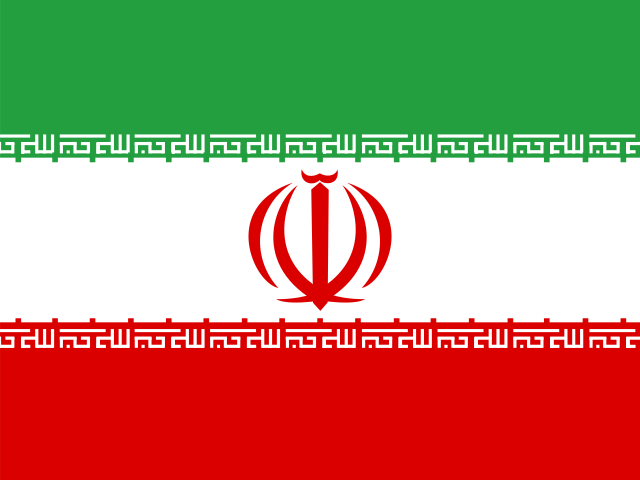
Bahrain accuses Iran of attacking its territory as part of a score-settling campaign with the United States.
Tehran claims its air strikes on countries cooperating with the US are justified under international law.
*AI-generated summary of publicly available data. This is not an official statement of any party.
*AI-generated summary of publicly available statements and reporting. This is not an official statement of this party.
Supporters of Bahrain frame the accusation through the memory of Iran’s historical claims to the island and past interference, arguing that Tehran’s justification for strikes is a pretext for settling scores.
Supporters of Bahrain argue that Iran's strikes violate the Gulf's long-held norms of sovereignty, pointing to historical precedent that small states' cultural autonomy depends on borders being respected, not settled as scores.
Supporters of Bahrain counter that the kingdom’s Gulf identity and sovereignty are distinct, and that accusations of cultural betrayal overlook Bahrain’s own right to define its alliances.
Supporters of Bahrain argue that Iran's strikes violate Bahrain's sovereignty under international law, and that Tehran's claim of justified self-defense cannot excuse attacks on a state merely for cooperating with the US.
Supporters of Bahrain argue that Iran’s strikes violate Bahrain’s sovereignty and territorial integrity under international law, and maintain that a state’s cooperation with the US is no legal justification for armed attack.
Supporters of Bahrain counter that self-defense under international law requires an armed attack, and hosting a US base does not itself constitute aggression, so the legal basis Iran invokes does not reach Bahrain.
Supporters of Bahrain argue that Iran's "international law" justification is a pretext, and that Tehran is really using strikes on US partners to signal resolve and raise costs for Washington's allies.
Supporters of Bahrain argue that Iran's "international law" justification is a pretext, and that the attacks are really a coercive message aimed at Washington—using small Gulf states as leverage to raise the cost of US cooperation.
Supporters of Bahrain counter that this "leverage" logic ignores deterrence: hosting US assets buys security guarantees and retaliatory backing, so strikes on the kingdom would rally the Gulf states and raise Tehran's costs rather than lower them.
Supporters of Bahrain argue that Iran's claim of legal justification is a moral pretext, since targeting a smaller state to settle scores with the US makes Bahrain a proxy paying for others' disputes.
Supporters of Bahrain argue that striking a small state solely for cooperating with the US is morally indefensible, since Bahrain maintains that no third party should bear the cost of Iran’s score-settling.
Supporters of Bahrain counter that targeting a small Gulf state over a bilateral US-Iran dispute is morally disproportionate, since Bahrain's people bear no responsibility for Washington's policies and would absorb the harm.
Supporters of Bahrain frame the attack as a violation of the Islamic duty to respect the sovereignty of a Muslim neighbor, arguing that no grievance with the US can justify striking another nation's soil.
Supporters of Bahrain frame Iran's strikes as a violation of just-war doctrine, arguing that sovereignty and non-aggression are moral duties under divine law and that no grievance with the US can justify attacking a neighbor.
Supporters of Bahrain counter that Iran’s framing of the strikes as defense of sovereignty is undermined by Tehran’s undisputed history of exporting its revolution, backing sectarian militias and meddling in Bahrain’s internal affairs.
*AI-generated summary of publicly available statements and reporting. This is not an official statement of this party.
Supporters of Iran frame the strikes as defending national sovereignty against US-aligned pressure, casting Bahrain’s accusation as a cultural betrayal of regional solidarity for outside interests.
Supporters of Iran frame the strikes as defending national sovereignty and resisting US pressure, arguing that states hosting American cooperation are complicit in that campaign rather than neutral bystanders.
Supporters of Iran counter that Bahrain’s own cultural and religious ties to Iran long predate the modern state, so framing Tehran’s concerns as mere score-settling overlooks shared heritage rather than proving pretext.
Supporters of Iran argue that strikes on states cooperating with the US are lawful under international law as self-defense against US aggression, and maintain that Bahrain's accusations lack legal grounding.
Supporters of Iran argue that strikes on states cooperating with the US are lawful self-defense under international law, framing them as proportionate responses to US hostility rather than score-settling.
Supporters of Iran counter that under international law, self-defense claims turn on whether the host state's territory is being used for military aggression—they argue Bahrain's facilitation of US operations makes its sovereignty claim contestable.
Supporters of Iran argue that strikes on US-cooperating states like Bahrain are lawful leverage, not aggression—Tehran calculating that punishing cooperation raises the cost of hosting US assets and forces neutral parties to reconsider their alignment.
Supporters of Iran argue that strikes on US-cooperating states like Bahrain are lawful leverage, not aggression—Tehran frames them as deterrent pressure on Washington, and they maintain that international law justifies targeting those who host US power.
Supporters of Iran counter that pretext is beside the point: if signaling resolve against Washington's partners raises costs and deters pressure, the legal framing has already served its purpose, whatever Bahrain's advocates call it.
Supporters of Iran argue that states hosting US bases forfeit neutrality, so strikes on Bahrain are a lawful, proportionate response to aggression, not score-settling.
Supporters of Iran argue that striking states aiding US operations is morally defensible self-defense against aggression, framing sovereignty and resistance to foreign pressure as legitimate under international law.
Supporters of Iran counter that framing Bahrain as a victim obscures the deeper moral wrong: a foreign military presence imposed against local consent, which they argue makes sovereignty, not proxy blame, the real issue.
Supporters of Iran argue that the strikes are a legitimate defense against foreign interference, framing them as upholding sovereignty and resisting external domination rather than aggression.
Supporters of Iran frame its strikes as lawful self-defense against US aggression, arguing that states hosting American bases forfeit neutrality—a reading they present as consistent with religious duty to resist foreign domination.
Supporters of Iran counter that the religious duty of neighborly respect applies to rulers too, arguing that a Gulf state hosting a foreign power's bases against a fellow Muslim nation forfeits that claim.
AI-generated summary of publicly available statements and reporting. This is not an official statement of this party.
Supporters of Bahrain frame the accusation through the memory of Iran’s historical claims to the island and past interference, arguing that Tehran’s justification for strikes is a pretext for settling scores.
Supporters of Bahrain argue that Iran's strikes violate the Gulf's long-held norms of sovereignty, pointing to historical precedent that small states' cultural autonomy depends on borders being respected, not settled as scores.
Supporters of Bahrain counter that the kingdom’s Gulf identity and sovereignty are distinct, and that accusations of cultural betrayal overlook Bahrain’s own right to define its alliances.
Supporters of Bahrain argue that Iran's strikes violate Bahrain's sovereignty under international law, and that Tehran's claim of justified self-defense cannot excuse attacks on a state merely for cooperating with the US.
Supporters of Bahrain argue that Iran’s strikes violate Bahrain’s sovereignty and territorial integrity under international law, and maintain that a state’s cooperation with the US is no legal justification for armed attack.
Supporters of Bahrain counter that self-defense under international law requires an armed attack, and hosting a US base does not itself constitute aggression, so the legal basis Iran invokes does not reach Bahrain.
Supporters of Bahrain argue that Iran's "international law" justification is a pretext, and that Tehran is really using strikes on US partners to signal resolve and raise costs for Washington's allies.
Supporters of Bahrain argue that Iran's "international law" justification is a pretext, and that the attacks are really a coercive message aimed at Washington—using small Gulf states as leverage to raise the cost of US cooperation.
Supporters of Bahrain counter that this "leverage" logic ignores deterrence: hosting US assets buys security guarantees and retaliatory backing, so strikes on the kingdom would rally the Gulf states and raise Tehran's costs rather than lower them.
Supporters of Bahrain argue that Iran's claim of legal justification is a moral pretext, since targeting a smaller state to settle scores with the US makes Bahrain a proxy paying for others' disputes.
Supporters of Bahrain argue that striking a small state solely for cooperating with the US is morally indefensible, since Bahrain maintains that no third party should bear the cost of Iran’s score-settling.
Supporters of Bahrain counter that targeting a small Gulf state over a bilateral US-Iran dispute is morally disproportionate, since Bahrain's people bear no responsibility for Washington's policies and would absorb the harm.
Supporters of Bahrain frame the attack as a violation of the Islamic duty to respect the sovereignty of a Muslim neighbor, arguing that no grievance with the US can justify striking another nation's soil.
Supporters of Bahrain frame Iran's strikes as a violation of just-war doctrine, arguing that sovereignty and non-aggression are moral duties under divine law and that no grievance with the US can justify attacking a neighbor.
Supporters of Bahrain counter that Iran’s framing of the strikes as defense of sovereignty is undermined by Tehran’s undisputed history of exporting its revolution, backing sectarian militias and meddling in Bahrain’s internal affairs.
Supporters of Iran frame the strikes as defending national sovereignty against US-aligned pressure, casting Bahrain’s accusation as a cultural betrayal of regional solidarity for outside interests.
Supporters of Iran frame the strikes as defending national sovereignty and resisting US pressure, arguing that states hosting American cooperation are complicit in that campaign rather than neutral bystanders.
Supporters of Iran counter that Bahrain’s own cultural and religious ties to Iran long predate the modern state, so framing Tehran’s concerns as mere score-settling overlooks shared heritage rather than proving pretext.
Supporters of Iran argue that strikes on states cooperating with the US are lawful under international law as self-defense against US aggression, and maintain that Bahrain's accusations lack legal grounding.
Supporters of Iran argue that strikes on states cooperating with the US are lawful self-defense under international law, framing them as proportionate responses to US hostility rather than score-settling.
Supporters of Iran counter that under international law, self-defense claims turn on whether the host state's territory is being used for military aggression—they argue Bahrain's facilitation of US operations makes its sovereignty claim contestable.
Supporters of Iran argue that strikes on US-cooperating states like Bahrain are lawful leverage, not aggression—Tehran calculating that punishing cooperation raises the cost of hosting US assets and forces neutral parties to reconsider their alignment.
Supporters of Iran argue that strikes on US-cooperating states like Bahrain are lawful leverage, not aggression—Tehran frames them as deterrent pressure on Washington, and they maintain that international law justifies targeting those who host US power.
Supporters of Iran counter that pretext is beside the point: if signaling resolve against Washington's partners raises costs and deters pressure, the legal framing has already served its purpose, whatever Bahrain's advocates call it.
Supporters of Iran argue that states hosting US bases forfeit neutrality, so strikes on Bahrain are a lawful, proportionate response to aggression, not score-settling.
Supporters of Iran argue that striking states aiding US operations is morally defensible self-defense against aggression, framing sovereignty and resistance to foreign pressure as legitimate under international law.
Supporters of Iran counter that framing Bahrain as a victim obscures the deeper moral wrong: a foreign military presence imposed against local consent, which they argue makes sovereignty, not proxy blame, the real issue.
Supporters of Iran argue that the strikes are a legitimate defense against foreign interference, framing them as upholding sovereignty and resisting external domination rather than aggression.
Supporters of Iran frame its strikes as lawful self-defense against US aggression, arguing that states hosting American bases forfeit neutrality—a reading they present as consistent with religious duty to resist foreign domination.
Supporters of Iran counter that the religious duty of neighborly respect applies to rulers too, arguing that a Gulf state hosting a foreign power's bases against a fellow Muslim nation forfeits that claim.
Bahrain says an Iranian attack hit an industrial facility.
Iran's IRGC targets US military positions at two bases in al-Riffa and Awali, causing a fire at an industrial facility; Bahrain reports no injuries.
This is a breaking news story.
Tehran says its air attacks on countries cooperating with the US are justified under international law.