Bally Bagayoko
VS
French police
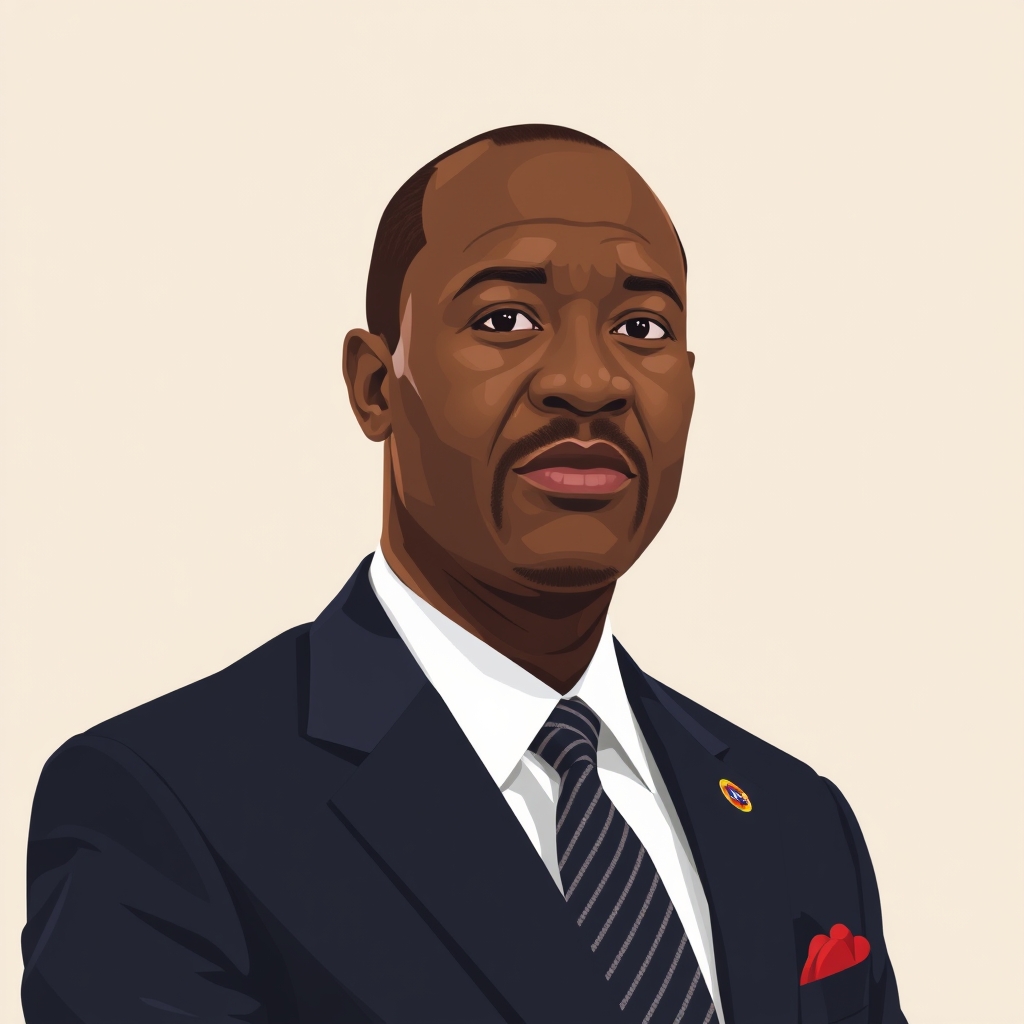
Saint-Denis Mayor Bally Bagayoko was tear gassed while attempting to shield masked rioters from police in the Paris suburb.
The incident highlights tensions between local officials and law enforcement over protest response.
*AI-generated summary of publicly available data. This is not an official statement of any party.
*AI-generated summary of publicly available statements and reporting. This is not an official statement of this party.
Supporters of Bally Bagayoko argue that local elected officials embody a community's inherited authority, and shielding residents reflects a tradition of mayors standing between their people and outside force.
Supporters of Bally Bagayoko argue his act reflects a French tradition of local officials standing between the state and their communities, preserving social order through presence rather than force.
Supporters of Bally Bagayoko counter that masking is a long-standing cultural practice rooted in ancestral tradition, not a legal loophole, so honoring it preserves communal identity rather than eroding civic order.
Supporters of Bally Bagayoko argue that as an elected mayor he had a lawful duty to de-escalate, and that tear-gassing him while he shielded residents exceeded police authority.
Supporters of Bally Bagayoko argue that a mayor acting to defuse tensions is exercising lawful local authority, and that police force against an elected official was disproportionate.
Supporters of Bally Bagayoko counter that French law requires force be necessary and proportionate, so tear gas into a crowded, largely peaceful dispersal zone may exceed legal limits regardless of a few masked individuals.
Supporters of Bally Bagayoko argue the mayor's human shield was calculated theater: by absorbing the tear gas himself, he converted a routine police action into a moral spectacle that wins him political capital with Saint-Denis residents.
Supporters of Bally Bagayoko argue his tear-gassing was a calculated power play: shielding rioters buys street credibility and votes, while publicly clashing with police signals local authority that the state cannot ignore.
Supporters of Bally Bagayoko counter that shielding protesters is a mayor's calculated move to hold territory and prevent escalation, not an alliance; power, they argue, is preserved by calming streets, not ceding them to police.
Supporters of Bally Bagayoko argue that elected officials have a moral duty to protect residents from state force, and that tear-gassing a mayor shielding protesters shows policing has lost its ethical grounding.
Supporters of Bally Bagayoko argue that shielding residents from tear gas is a moral duty of local stewardship, and that police force against a mayor protecting his community violates the trust owed to those who live on the land.
Supporters of Bally Bagayoko counter that the moral duty to protect life and dignity must bind police too, since upholding law cannot mean abandoning environmental and community safety for those most exposed to harm.
Supporters of Bally Bagayoko argue that shielding the vulnerable reflects a sacred duty of mercy and neighborly love upheld by religious tradition, and that the mayor's act honored Saint-Denis's heritage of sanctuary.
Supporters of Bally Bagayoko invoke the religious duty of the shepherd to protect his flock, arguing that a mayor shielding the vulnerable mirrors a sacred calling to stand between the powerful and the defenseless.
Supporters of Bally Bagayoko counter that Romans 13 binds the magistrate too, and that a mayor's higher Christian duty is to shelter the vulnerable from violence, not surrender them to it.
*AI-generated summary of publicly available statements and reporting. This is not an official statement of this party.
Supporters of French police argue that shielding masked rioters erodes the cultural norm of equal law enforcement, since local officials honoring masks and violence sets a precedent that undermines civic order.
Supporters of French police cite a long republican tradition: the state’s duty to enforce uniform law in the banlieue, arguing that shielding masked rioters, whatever the motive, undermines the civic order mayors themselves are sworn to uphold.
Supporters of French police counter that this tradition belongs to an older France; in today's culturally plural suburbs, elected officials no longer embody a single inherited community, so shielding residents obstructs neutral law enforcement.
Supporters of French police argue that tear gas use was lawful crowd control against masked rioters, and that shielding individuals from lawful dispersal orders undermines public order and equal enforcement of the law.
Supporters of French police argue that officers acted lawfully to disperse an unlawful masked gathering, and that shielding rioters obstructs a legitimate legal order to clear the scene.
Supporters of French police counter that officers acted under lawful authority to disperse an unlawful assembly, and that an elected official shielding participants does not place him beyond valid legal enforcement measures.
Supporters of French police argue Bagayoko's shield made him a participant, not a bystander; in their view, shielding masked rioters signals alliance, and order outweighs a mayor's gesture.
Supporters of French police argue that shielding masked rioters undermines the state's monopoly on order, and that a mayor choosing to stand between police and lawbreakers forfeits neutrality for political theater.
Supporters of French police counter that the tear gas struck Bagayoko before he could position himself, and that his moral spectacle only worked because officers let him stand there; the power to make or unmake that image stayed with them.
Supporters of French police argue that officers acted to uphold the rule of law when masked rioters threatened public safety, and that shielding violent actors undermines equal protection for all citizens.
Supporters of French police argue that elected officials who physically shield masked rioters abandon their duty to uphold the law equally, and that no one, however senior, stands above the rule of law.
Supporters of French police counter that the mayor's moral duty runs to public order for all residents, not to shielding those breaking the law, and that neutralizing a violent crowd protects the community's safety.
Supporters of French police cite Romans 13, arguing that law enforcement is divinely ordained to restrain disorder, and that shielding masked rioters contradicts a mayor's duty to uphold justice.
Supporters of French police argue that lawful order is a divine mandate, citing scripture that governing authorities are God's servants to restrain chaos, so shielding masked rioters defies the justice owed to the community.
Supporters of French police counter that scripture also binds authority to uphold civil law, citing Romans 13, and argue the mayor's sanctuary duty cannot override a lawful summons.
AI-generated summary of publicly available statements and reporting. This is not an official statement of this party.
Supporters of Bally Bagayoko argue that local elected officials embody a community's inherited authority, and shielding residents reflects a tradition of mayors standing between their people and outside force.
Supporters of Bally Bagayoko argue his act reflects a French tradition of local officials standing between the state and their communities, preserving social order through presence rather than force.
Supporters of Bally Bagayoko counter that masking is a long-standing cultural practice rooted in ancestral tradition, not a legal loophole, so honoring it preserves communal identity rather than eroding civic order.
Supporters of Bally Bagayoko argue that as an elected mayor he had a lawful duty to de-escalate, and that tear-gassing him while he shielded residents exceeded police authority.
Supporters of Bally Bagayoko argue that a mayor acting to defuse tensions is exercising lawful local authority, and that police force against an elected official was disproportionate.
Supporters of Bally Bagayoko counter that French law requires force be necessary and proportionate, so tear gas into a crowded, largely peaceful dispersal zone may exceed legal limits regardless of a few masked individuals.
Supporters of Bally Bagayoko argue the mayor's human shield was calculated theater: by absorbing the tear gas himself, he converted a routine police action into a moral spectacle that wins him political capital with Saint-Denis residents.
Supporters of Bally Bagayoko argue his tear-gassing was a calculated power play: shielding rioters buys street credibility and votes, while publicly clashing with police signals local authority that the state cannot ignore.
Supporters of Bally Bagayoko counter that shielding protesters is a mayor's calculated move to hold territory and prevent escalation, not an alliance; power, they argue, is preserved by calming streets, not ceding them to police.
Supporters of Bally Bagayoko argue that elected officials have a moral duty to protect residents from state force, and that tear-gassing a mayor shielding protesters shows policing has lost its ethical grounding.
Supporters of Bally Bagayoko argue that shielding residents from tear gas is a moral duty of local stewardship, and that police force against a mayor protecting his community violates the trust owed to those who live on the land.
Supporters of Bally Bagayoko counter that the moral duty to protect life and dignity must bind police too, since upholding law cannot mean abandoning environmental and community safety for those most exposed to harm.
Supporters of Bally Bagayoko argue that shielding the vulnerable reflects a sacred duty of mercy and neighborly love upheld by religious tradition, and that the mayor's act honored Saint-Denis's heritage of sanctuary.
Supporters of Bally Bagayoko invoke the religious duty of the shepherd to protect his flock, arguing that a mayor shielding the vulnerable mirrors a sacred calling to stand between the powerful and the defenseless.
Supporters of Bally Bagayoko counter that Romans 13 binds the magistrate too, and that a mayor's higher Christian duty is to shelter the vulnerable from violence, not surrender them to it.
Supporters of French police argue that shielding masked rioters erodes the cultural norm of equal law enforcement, since local officials honoring masks and violence sets a precedent that undermines civic order.
Supporters of French police cite a long republican tradition: the state’s duty to enforce uniform law in the banlieue, arguing that shielding masked rioters, whatever the motive, undermines the civic order mayors themselves are sworn to uphold.
Supporters of French police counter that this tradition belongs to an older France; in today's culturally plural suburbs, elected officials no longer embody a single inherited community, so shielding residents obstructs neutral law enforcement.
Supporters of French police argue that tear gas use was lawful crowd control against masked rioters, and that shielding individuals from lawful dispersal orders undermines public order and equal enforcement of the law.
Supporters of French police argue that officers acted lawfully to disperse an unlawful masked gathering, and that shielding rioters obstructs a legitimate legal order to clear the scene.
Supporters of French police counter that officers acted under lawful authority to disperse an unlawful assembly, and that an elected official shielding participants does not place him beyond valid legal enforcement measures.
Supporters of French police argue Bagayoko's shield made him a participant, not a bystander; in their view, shielding masked rioters signals alliance, and order outweighs a mayor's gesture.
Supporters of French police argue that shielding masked rioters undermines the state's monopoly on order, and that a mayor choosing to stand between police and lawbreakers forfeits neutrality for political theater.
Supporters of French police counter that the tear gas struck Bagayoko before he could position himself, and that his moral spectacle only worked because officers let him stand there; the power to make or unmake that image stayed with them.
Supporters of French police argue that officers acted to uphold the rule of law when masked rioters threatened public safety, and that shielding violent actors undermines equal protection for all citizens.
Supporters of French police argue that elected officials who physically shield masked rioters abandon their duty to uphold the law equally, and that no one, however senior, stands above the rule of law.
Supporters of French police counter that the mayor's moral duty runs to public order for all residents, not to shielding those breaking the law, and that neutralizing a violent crowd protects the community's safety.
Supporters of French police cite Romans 13, arguing that law enforcement is divinely ordained to restrain disorder, and that shielding masked rioters contradicts a mayor's duty to uphold justice.
Supporters of French police argue that lawful order is a divine mandate, citing scripture that governing authorities are God's servants to restrain chaos, so shielding masked rioters defies the justice owed to the community.
Supporters of French police counter that scripture also binds authority to uphold civil law, citing Romans 13, and argue the mayor's sanctuary duty cannot override a lawful summons.
Saint-Denis Mayor Bally Bagayoko was tear gassed by police while acting as a human shield for masked rioters.