Barack Obama
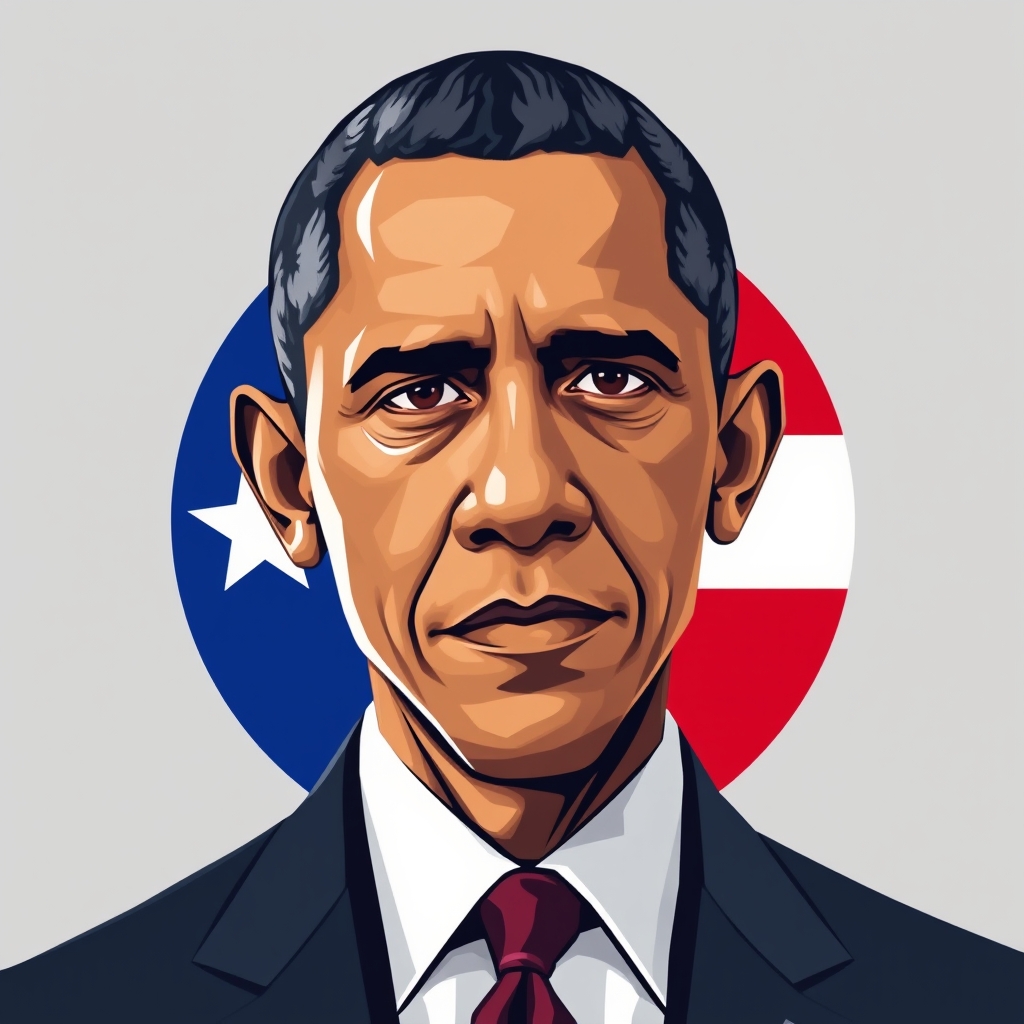
VS
Donald Trump

Former US President Barack Obama gave speeches in Ohio and Michigan warning about rising costs, corruption, and threats to democratic values ahead of the November 3 midterm elections.
The article frames these warnings as implicit criticism of President Donald Trump and his administration.
*AI-generated summary of publicly available data. This is not an official statement of any party.
*AI-generated summary of publicly available statements and reporting. This is not an official statement of this party.
Supporters of Barack Obama argue that his midterm warnings echo a long American tradition of civic rhetoric, casting him as defender of democratic norms against corruption and rising costs.
Supporters of Barack Obama frame his Ohio and Michigan warnings as a defense of democratic norms, arguing that cultural trust in elections and institutions is itself at stake ahead of the November 3 midterms.
Supporters of Barack Obama counter that the American tradition has always been pluralist and self-correcting, citing the abolition and suffrage movements as inherited precedents for reform rather than threats to it.
Supporters of Barack Obama argue that his Ohio and Michigan warnings ahead of the November 3 midterms are lawful political speech, framing them as protecting democratic accountability rather than attacking any individual.
Supporters of Barack Obama argue that his warnings about corruption and democratic backsliding are legitimate legal concerns, framing midterm oversight as a constitutional check against abuses of executive power.
Supporters of Barack Obama counter that speech itself is protected legal conduct, so the absence of a court ruling does not undercut political criticism, which is not required to meet a courtroom evidentiary standard.
Supporters of Barack Obama argue his midterm warnings are calculated positioning—framing Trump as the threat to democracy to consolidate Democratic turnout and reclaim institutional leverage before November 3.
Supporters of Barack Obama argue the timing is the message: framing the midterms as a verdict on corruption and democratic survival concentrates power by making local races a referendum on Trump.
Supporters of Barack Obama counter that Trump's "results over sermons" framing is itself stagecraft: a rhetoric of results used to mask accountability, so the power play belongs to whoever controls the narrative, not the record.
Supporters of Barack Obama argue that warning voters about corruption and threats to democratic values is a moral duty, framing the midterms as a test of whether citizens defend accountable, limited government.
Supporters of Barack Obama argue that warning voters about corruption and threats to democratic values is a moral duty, not partisanship—elected leaders owe citizens honest counsel before they vote.
Supporters of Barack Obama counter that moral consistency doesn't require equivalence: warnings about democratic threats stand on their own merits, and a speaker's past imperfections don't invalidate a present danger.
Supporters of Barack Obama frame his warnings as a moral appeal, arguing that defending democratic values and opposing corruption align with scriptural calls for justice and care for the vulnerable.
Supporters of Barack Obama argue that defending democratic values is a moral and scriptural duty, citing scripture's call to pursue justice and care for the vulnerable as grounds for warning against corruption.
Supporters of Barack Obama counter that the Constitution's guarantee of religious liberty protects all faiths equally, not one tradition, and they note that Obama often framed his policies as moral commitments rooted in faith.
*AI-generated summary of publicly available statements and reporting. This is not an official statement of this party.
Supporters of Donald Trump argue that Obama’s warnings amount to a cultural attack on ordinary Americans who back traditional values, and they maintain that defending inherited institutions, not progressive reform, is the real safeguard of democratic continuity.
Supporters of Donald Trump argue that Obama’s warnings are less about democracy than about restoring the cultural authority of an older political establishment over the voters who rejected it.
Supporters of Donald Trump counter that appeals to "democratic norms" ring hollow from a president whose own party machine sidelined grassroots voters, arguing that cultural continuity rests on institutions answering to the public rather than to self-appointed guardians.
Supporters of Donald Trump argue that Obama's midterm speeches are partisan campaigning, not legal findings, and note that no court or statute has established the corruption or democratic-threat claims he asserts.
Supporters of Donald Trump argue that Obama's midterm warnings are partisan speech, not legal findings, and that no court or statute substantiates claims of corruption or threats to democratic values.
Supporters of Donald Trump counter that a former president's midterm warnings in Ohio and Michigan invite unlawful election interference, arguing that federal law and DOJ policy bar coordinated political messaging aimed at influencing voters.
Supporters of Donald Trump argue Obama’s warnings are self-interested stagecraft—elite rhetoric to reclaim influence before November 3—and that Trump’s counter-message of results over sermons is the real power play.
Supporters of Donald Trump argue Obama’s warnings are a power play: rallying voters before November 3 to protect Democratic leverage, not democratic values.
Supporters of Donald Trump counter that Obama's warnings are themselves the calculated play—casting political opposition as existential threat to justify institutional leverage—while Trump's open fight for power is at least transparent.
Supporters of Donald Trump argue that Obama's warnings about corruption and democratic threats are morally selective, noting that he campaigned on similar themes while his own administration faced its own ethical questions.
Supporters of Donald Trump argue that Obama’s warnings about corruption and democratic threats are misplaced moralizing from a former president whose own administration faced ethics criticism, and they maintain that voters, not predecessors, should judge Trump’s record.
Supporters of Donald Trump counter that invoking democratic values rings hollow from a party whose administration pursued the Russia collusion narrative and spied on a rival campaign, arguing moral authority is forfeited when accusations lack evidentiary basis.
Supporters of Donald Trump argue that the progressive agenda Obama promotes threatens religious liberty, and they maintain that preserving traditional faith and moral order is essential to the nation's stability.
Supporters of Donald Trump argue that Obama's warnings amount to a secular sermon, and they contend that defending religious liberty and traditional moral order matters more than the partisan appeals made from pulpits of political power.
Supporters of Donald Trump counter that scriptural justice demands order and respect for rightful authority, arguing that religious tradition upholds the nation's institutions rather than framing them as corrupt.
AI-generated summary of publicly available statements and reporting. This is not an official statement of this party.
Supporters of Barack Obama argue that his midterm warnings echo a long American tradition of civic rhetoric, casting him as defender of democratic norms against corruption and rising costs.
Supporters of Barack Obama frame his Ohio and Michigan warnings as a defense of democratic norms, arguing that cultural trust in elections and institutions is itself at stake ahead of the November 3 midterms.
Supporters of Barack Obama counter that the American tradition has always been pluralist and self-correcting, citing the abolition and suffrage movements as inherited precedents for reform rather than threats to it.
Supporters of Barack Obama argue that his Ohio and Michigan warnings ahead of the November 3 midterms are lawful political speech, framing them as protecting democratic accountability rather than attacking any individual.
Supporters of Barack Obama argue that his warnings about corruption and democratic backsliding are legitimate legal concerns, framing midterm oversight as a constitutional check against abuses of executive power.
Supporters of Barack Obama counter that speech itself is protected legal conduct, so the absence of a court ruling does not undercut political criticism, which is not required to meet a courtroom evidentiary standard.
Supporters of Barack Obama argue his midterm warnings are calculated positioning—framing Trump as the threat to democracy to consolidate Democratic turnout and reclaim institutional leverage before November 3.
Supporters of Barack Obama argue the timing is the message: framing the midterms as a verdict on corruption and democratic survival concentrates power by making local races a referendum on Trump.
Supporters of Barack Obama counter that Trump's "results over sermons" framing is itself stagecraft: a rhetoric of results used to mask accountability, so the power play belongs to whoever controls the narrative, not the record.
Supporters of Barack Obama argue that warning voters about corruption and threats to democratic values is a moral duty, framing the midterms as a test of whether citizens defend accountable, limited government.
Supporters of Barack Obama argue that warning voters about corruption and threats to democratic values is a moral duty, not partisanship—elected leaders owe citizens honest counsel before they vote.
Supporters of Barack Obama counter that moral consistency doesn't require equivalence: warnings about democratic threats stand on their own merits, and a speaker's past imperfections don't invalidate a present danger.
Supporters of Barack Obama frame his warnings as a moral appeal, arguing that defending democratic values and opposing corruption align with scriptural calls for justice and care for the vulnerable.
Supporters of Barack Obama argue that defending democratic values is a moral and scriptural duty, citing scripture's call to pursue justice and care for the vulnerable as grounds for warning against corruption.
Supporters of Barack Obama counter that the Constitution's guarantee of religious liberty protects all faiths equally, not one tradition, and they note that Obama often framed his policies as moral commitments rooted in faith.
Supporters of Donald Trump argue that Obama’s warnings amount to a cultural attack on ordinary Americans who back traditional values, and they maintain that defending inherited institutions, not progressive reform, is the real safeguard of democratic continuity.
Supporters of Donald Trump argue that Obama’s warnings are less about democracy than about restoring the cultural authority of an older political establishment over the voters who rejected it.
Supporters of Donald Trump counter that appeals to "democratic norms" ring hollow from a president whose own party machine sidelined grassroots voters, arguing that cultural continuity rests on institutions answering to the public rather than to self-appointed guardians.
Supporters of Donald Trump argue that Obama's midterm speeches are partisan campaigning, not legal findings, and note that no court or statute has established the corruption or democratic-threat claims he asserts.
Supporters of Donald Trump argue that Obama's midterm warnings are partisan speech, not legal findings, and that no court or statute substantiates claims of corruption or threats to democratic values.
Supporters of Donald Trump counter that a former president's midterm warnings in Ohio and Michigan invite unlawful election interference, arguing that federal law and DOJ policy bar coordinated political messaging aimed at influencing voters.
Supporters of Donald Trump argue Obama’s warnings are self-interested stagecraft—elite rhetoric to reclaim influence before November 3—and that Trump’s counter-message of results over sermons is the real power play.
Supporters of Donald Trump argue Obama’s warnings are a power play: rallying voters before November 3 to protect Democratic leverage, not democratic values.
Supporters of Donald Trump counter that Obama's warnings are themselves the calculated play—casting political opposition as existential threat to justify institutional leverage—while Trump's open fight for power is at least transparent.
Supporters of Donald Trump argue that Obama's warnings about corruption and democratic threats are morally selective, noting that he campaigned on similar themes while his own administration faced its own ethical questions.
Supporters of Donald Trump argue that Obama’s warnings about corruption and democratic threats are misplaced moralizing from a former president whose own administration faced ethics criticism, and they maintain that voters, not predecessors, should judge Trump’s record.
Supporters of Donald Trump counter that invoking democratic values rings hollow from a party whose administration pursued the Russia collusion narrative and spied on a rival campaign, arguing moral authority is forfeited when accusations lack evidentiary basis.
Supporters of Donald Trump argue that the progressive agenda Obama promotes threatens religious liberty, and they maintain that preserving traditional faith and moral order is essential to the nation's stability.
Supporters of Donald Trump argue that Obama's warnings amount to a secular sermon, and they contend that defending religious liberty and traditional moral order matters more than the partisan appeals made from pulpits of political power.
Supporters of Donald Trump counter that scriptural justice demands order and respect for rightful authority, arguing that religious tradition upholds the nation's institutions rather than framing them as corrupt.
The November 3 vote that Obama's speeches are timed ahead of.