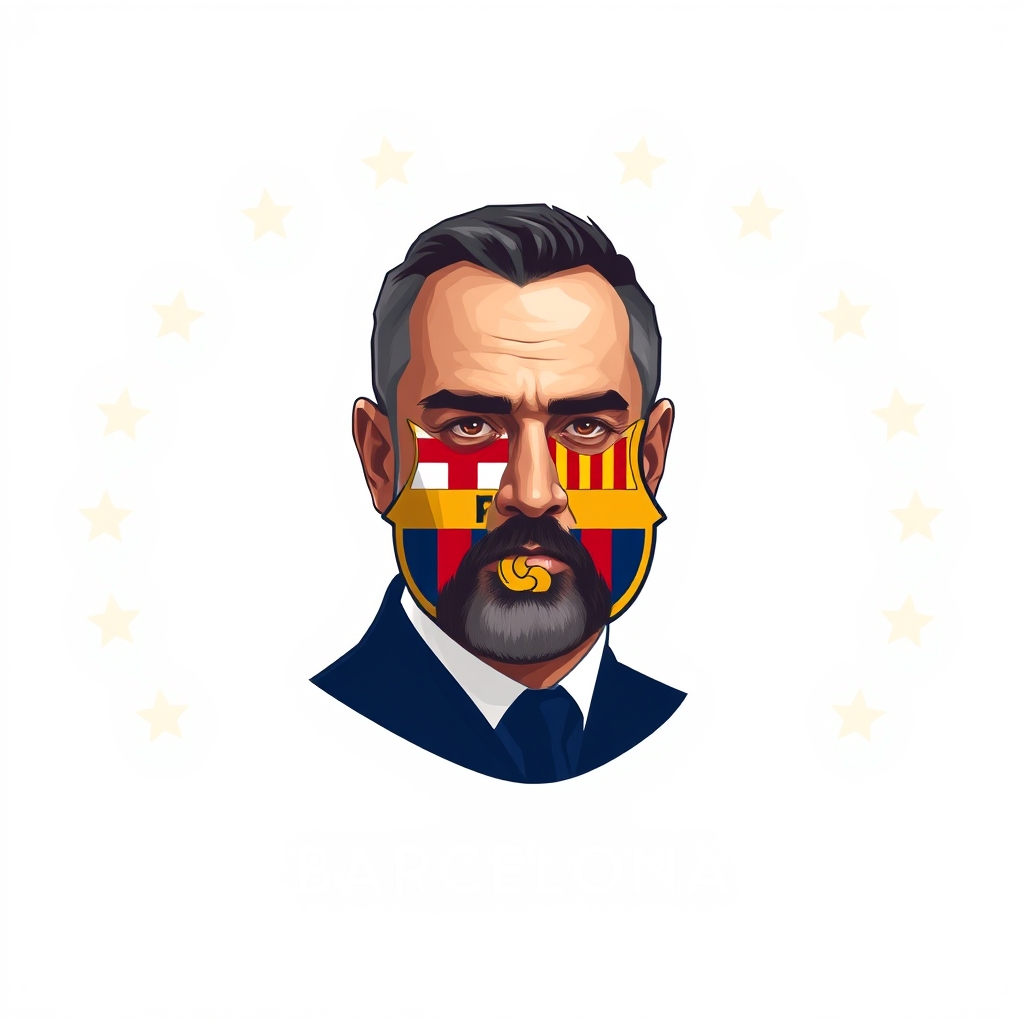
Barcelona club officials
VS
Catalan independence supporters

Barcelona club officials are the administrative and decision-making body of FC Barcelona, a football club based in Catalonia, Spain.
The club has historically been a symbol of Catalan identity and has shown support for Catalonia's independence movement, including backing a referendum on secession.
Catalan independence supporters are individuals and groups who advocate for Catalonia's independence from Spain, a movement rooted in Catalan nationalism with significant popular support in the region.
The conflict arises when the club's official actions, such as a planned tribute to Spain's national team, clash with the sentiments of fans who display pro-independence symbols.
This tension reflects broader disagreements between Spanish national identity and Catalan aspirations for self-determination.
The incident in question, where fans displayed Catalan pro-independence flags during a match, led the club to scrap the tribute, highlighting the ongoing friction between these two perspectives.
The stakes involve the club's role in a politically sensitive environment, where it must balance its Catalan identity with its position within Spanish football.
The club has previously faced warnings for supporting independence, and the issue remains a point of contention among fans and officials alike.
*AI-generated summary of publicly available data. This is not an official statement of any party.
*AI-generated summary of publicly available statements and reporting. This is not an official statement of this party.
Supporters of Barcelona club officials argue that the club’s decision to scrap the tribute protects the stadium’s cultural role as a unifying civic space, not a political platform for separatist symbols.
Supporters of Barcelona club officials argue that the club’s decision to cancel the tribute reflects a commitment to institutional neutrality, prioritizing the unity of its diverse fanbase over political symbolism.
Supporters of Barcelona club officials counter that the scrapped tribute was a neutral, non-political act, preserving the club's institutional unity and legal obligations, not a judgment on Catalonia's cultural heritage.
Supporters of Barcelona club officials argue that, as a private entity, the club holds legal discretion over its events and may cancel any tribute, including one to Spain's victory, without constitutional breach.
Supporters of Barcelona club officials argue the decision was legally sound, as club statutes require political neutrality in official events, making the tribute's removal a permissible enforcement of internal rules.
Supporters of Barcelona club officials counter that the removal was a purely internal governance decision, fully within the club’s statutory authority, and cite no evidence of external legal pressure or state mandate in the club’s published board minutes.
Supporters of Barcelona club officials argue the tribute was scrapped purely as a calculated cost-benefit move, prioritizing institutional survival over symbolic gestures, since pandering to the majority fan base outweighs alienating them for Madrid’s approval.
Supporters of Barcelona club officials argue the tribute was scrapped as a calculated move to preserve commercial stability, prioritizing club unity over nationalist gestures, which they view as a pragmatic response to fan pressure.
Supporters of Barcelona club officials counter that the tribute’s cancellation was a cold calculation of institutional survival, not capitulation—preserving the club’s global brand and legal standing outweighs symbolic gestures, as fan sentiment rarely pays fines or keeps sponsor.
Supporters of Barcelona club officials argue that a global institution must remain a neutral civic space, prioritizing universal sporting values over any single national or regional political identity.
Supporters of Barcelona club officials argue that the club's decision to scrap the tribute upheld the moral duty of neutrality, respecting all fans' identities rather than imposing a singular Spanish national symbol.
Supporters of Barcelona club officials counter that the club’s tribute was never a rejection of Catalan identity, but a moral duty to keep the stadium a neutral, inclusive space, where no single political symbol overrides the universal rights of all fans.
Supporters of Barcelona club officials argue that the club’s decision to cancel the tribute reflects a duty to uphold unity and order, as scripture warns against division and honors lawful authority.
Supporters of Barcelona club officials argue that honoring Spain's World Cup victory reflects a civic duty to respect lawful authority, citing scripture that urges submission to governing powers as ordained by God.
Supporters of Barcelona club officials counter that shared joy in sport transcends political borders, viewing the celebration as a moment of unity rather than an imposition of identity, and they argue faith in common humanity outweighs divisions of flag or creed.
*AI-generated summary of publicly available statements and reporting. This is not an official statement of this party.
Supporters of Catalan independence argue that Barcelona's scrapped tribute reflects the club's respect for their cultural identity, as displaying pro-independence flags is an expression of Catalonia's distinct heritage, not a rejection of sport.
Supporters of Catalan independence argue that Barcelona’s club officials, by cancelling the tribute, acknowledged the fans’ display of pro-independence flags as a legitimate cultural expression of Catalan identity, not a political provocation, and they maintain that the club’s de.
Supporters of Catalan independence counter that the tribute is itself a cultural expression, not a political symbol, and scrapping it erases a shared civic memory rooted in the region’s identity, weakening the club’s role as a guardian of Catalan heritage.
Supporters of Catalan independence supporters argue that private clubs like Barcelona have the legal right to cancel symbolic gestures, but this misses the point: the tribute’s removal was a lawful exercise of club discretion, not state coercion.
Supporters of Catalan independence supporters argue that the club's decision to cancel the tribute respected lawful fan expression, as displaying pro-independence flags is protected legal speech under Spanish law.
Supporters of Catalan independence supporters counter that the club’s private discretion does not override the legal duty to respect pluralism, as Spanish law and club statutes require neutrality, making a politically selective cancellation a breach of internal governance rules.
Supporters of Catalan independence backers argue the club bowed to Madrid’s pressure, proving institutional power trumps fan sentiment; scrapping the tribute was a calculated survival move, not principle.
Supporters of Catalan independence argue Barcelona scrapped the tribute purely to protect its brand, not out of nationalism; the club bends to whichever crowd fills the stadium.
Supporters of Catalan independence supporters counter that club officials miscalculated power, not cost: abandoning the tribute signals submission to Madrid’s leverage, which emboldens centralist pressure and weakens the club’s bargaining position in future clashes, making the mo.
Supporters of Catalan independence argue that Barcelona's scrapped tribute honors their moral right to cultural expression over state symbols, viewing the flag display as peaceful identity assertion, not provocation, and the club's retreat as silencing their heritage.
Supporters of Catalan independence maintain that scrapping the tribute was a moral duty, as honoring Spain’s victory would have silenced their region’s legitimate political expression.
Supporters of Catalan independence counter that neutrality itself is a political stance, one that erases a people’s right to self-expression. For them, Barcelona’s stadium is a moral symbol of a repressed culture, not a blank slate.
Supporters of Catalan independence argue that honoring Spain's World Cup triumph in Barcelona's stadium would impose a foreign national identity over Catalonia's distinct cultural and religious heritage.
Supporters of Catalan independence argue that the club's tribute scrapping affirms Catalonia's distinct cultural and religious heritage, viewing Spanish symbols as impositions on their historic identity.
Supporters of Catalan independence counter that scripture also commands resisting injustice, as the prophets defied earthly rulers to defend the oppressed, and that the club’s tribute honored a peaceful, lawful expression of the people’s will, not division.
AI-generated summary of publicly available statements and reporting. This is not an official statement of this party.
Supporters of Barcelona club officials argue that the club’s decision to scrap the tribute protects the stadium’s cultural role as a unifying civic space, not a political platform for separatist symbols.
Supporters of Barcelona club officials argue that the club’s decision to cancel the tribute reflects a commitment to institutional neutrality, prioritizing the unity of its diverse fanbase over political symbolism.
Supporters of Barcelona club officials counter that the scrapped tribute was a neutral, non-political act, preserving the club's institutional unity and legal obligations, not a judgment on Catalonia's cultural heritage.
Supporters of Barcelona club officials argue that, as a private entity, the club holds legal discretion over its events and may cancel any tribute, including one to Spain's victory, without constitutional breach.
Supporters of Barcelona club officials argue the decision was legally sound, as club statutes require political neutrality in official events, making the tribute's removal a permissible enforcement of internal rules.
Supporters of Barcelona club officials counter that the removal was a purely internal governance decision, fully within the club’s statutory authority, and cite no evidence of external legal pressure or state mandate in the club’s published board minutes.
Supporters of Barcelona club officials argue the tribute was scrapped purely as a calculated cost-benefit move, prioritizing institutional survival over symbolic gestures, since pandering to the majority fan base outweighs alienating them for Madrid’s approval.
Supporters of Barcelona club officials argue the tribute was scrapped as a calculated move to preserve commercial stability, prioritizing club unity over nationalist gestures, which they view as a pragmatic response to fan pressure.
Supporters of Barcelona club officials counter that the tribute’s cancellation was a cold calculation of institutional survival, not capitulation—preserving the club’s global brand and legal standing outweighs symbolic gestures, as fan sentiment rarely pays fines or keeps sponsor.
Supporters of Barcelona club officials argue that a global institution must remain a neutral civic space, prioritizing universal sporting values over any single national or regional political identity.
Supporters of Barcelona club officials argue that the club's decision to scrap the tribute upheld the moral duty of neutrality, respecting all fans' identities rather than imposing a singular Spanish national symbol.
Supporters of Barcelona club officials counter that the club’s tribute was never a rejection of Catalan identity, but a moral duty to keep the stadium a neutral, inclusive space, where no single political symbol overrides the universal rights of all fans.
Supporters of Barcelona club officials argue that the club’s decision to cancel the tribute reflects a duty to uphold unity and order, as scripture warns against division and honors lawful authority.
Supporters of Barcelona club officials argue that honoring Spain's World Cup victory reflects a civic duty to respect lawful authority, citing scripture that urges submission to governing powers as ordained by God.
Supporters of Barcelona club officials counter that shared joy in sport transcends political borders, viewing the celebration as a moment of unity rather than an imposition of identity, and they argue faith in common humanity outweighs divisions of flag or creed.
Supporters of Catalan independence argue that Barcelona's scrapped tribute reflects the club's respect for their cultural identity, as displaying pro-independence flags is an expression of Catalonia's distinct heritage, not a rejection of sport.
Supporters of Catalan independence argue that Barcelona’s club officials, by cancelling the tribute, acknowledged the fans’ display of pro-independence flags as a legitimate cultural expression of Catalan identity, not a political provocation, and they maintain that the club’s de.
Supporters of Catalan independence counter that the tribute is itself a cultural expression, not a political symbol, and scrapping it erases a shared civic memory rooted in the region’s identity, weakening the club’s role as a guardian of Catalan heritage.
Supporters of Catalan independence supporters argue that private clubs like Barcelona have the legal right to cancel symbolic gestures, but this misses the point: the tribute’s removal was a lawful exercise of club discretion, not state coercion.
Supporters of Catalan independence supporters argue that the club's decision to cancel the tribute respected lawful fan expression, as displaying pro-independence flags is protected legal speech under Spanish law.
Supporters of Catalan independence supporters counter that the club’s private discretion does not override the legal duty to respect pluralism, as Spanish law and club statutes require neutrality, making a politically selective cancellation a breach of internal governance rules.
Supporters of Catalan independence backers argue the club bowed to Madrid’s pressure, proving institutional power trumps fan sentiment; scrapping the tribute was a calculated survival move, not principle.
Supporters of Catalan independence argue Barcelona scrapped the tribute purely to protect its brand, not out of nationalism; the club bends to whichever crowd fills the stadium.
Supporters of Catalan independence supporters counter that club officials miscalculated power, not cost: abandoning the tribute signals submission to Madrid’s leverage, which emboldens centralist pressure and weakens the club’s bargaining position in future clashes, making the mo.
Supporters of Catalan independence argue that Barcelona's scrapped tribute honors their moral right to cultural expression over state symbols, viewing the flag display as peaceful identity assertion, not provocation, and the club's retreat as silencing their heritage.
Supporters of Catalan independence maintain that scrapping the tribute was a moral duty, as honoring Spain’s victory would have silenced their region’s legitimate political expression.
Supporters of Catalan independence counter that neutrality itself is a political stance, one that erases a people’s right to self-expression. For them, Barcelona’s stadium is a moral symbol of a repressed culture, not a blank slate.
Supporters of Catalan independence argue that honoring Spain's World Cup triumph in Barcelona's stadium would impose a foreign national identity over Catalonia's distinct cultural and religious heritage.
Supporters of Catalan independence argue that the club's tribute scrapping affirms Catalonia's distinct cultural and religious heritage, viewing Spanish symbols as impositions on their historic identity.
Supporters of Catalan independence counter that scripture also commands resisting injustice, as the prophets defied earthly rulers to defend the oppressed, and that the club’s tribute honored a peaceful, lawful expression of the people’s will, not division.
Barcelona hosted a match where fans displayed Catalan pro-independence flags, prompting the club to scrap a planned tribute to Spain's World Cup victory.
Barcelona defender Gerard Pique consistently stated his strong support for the campaign to hold a referendum on Catalan independence, placing the club at the center of the issue.
FC Barcelona officially confirmed its support for Catalonia's push to hold a vote on secession from Spain, despite warnings about potential consequences.