Beijing
VS
Moscow

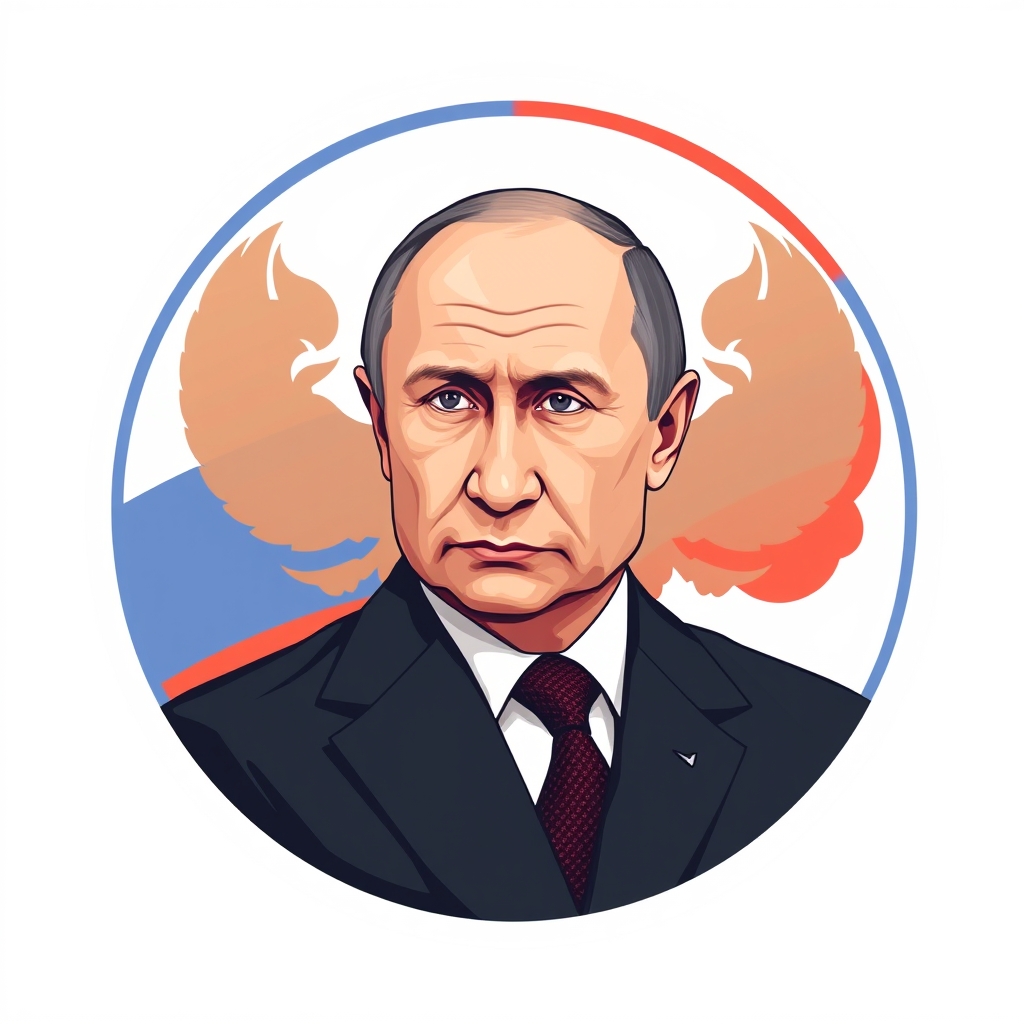
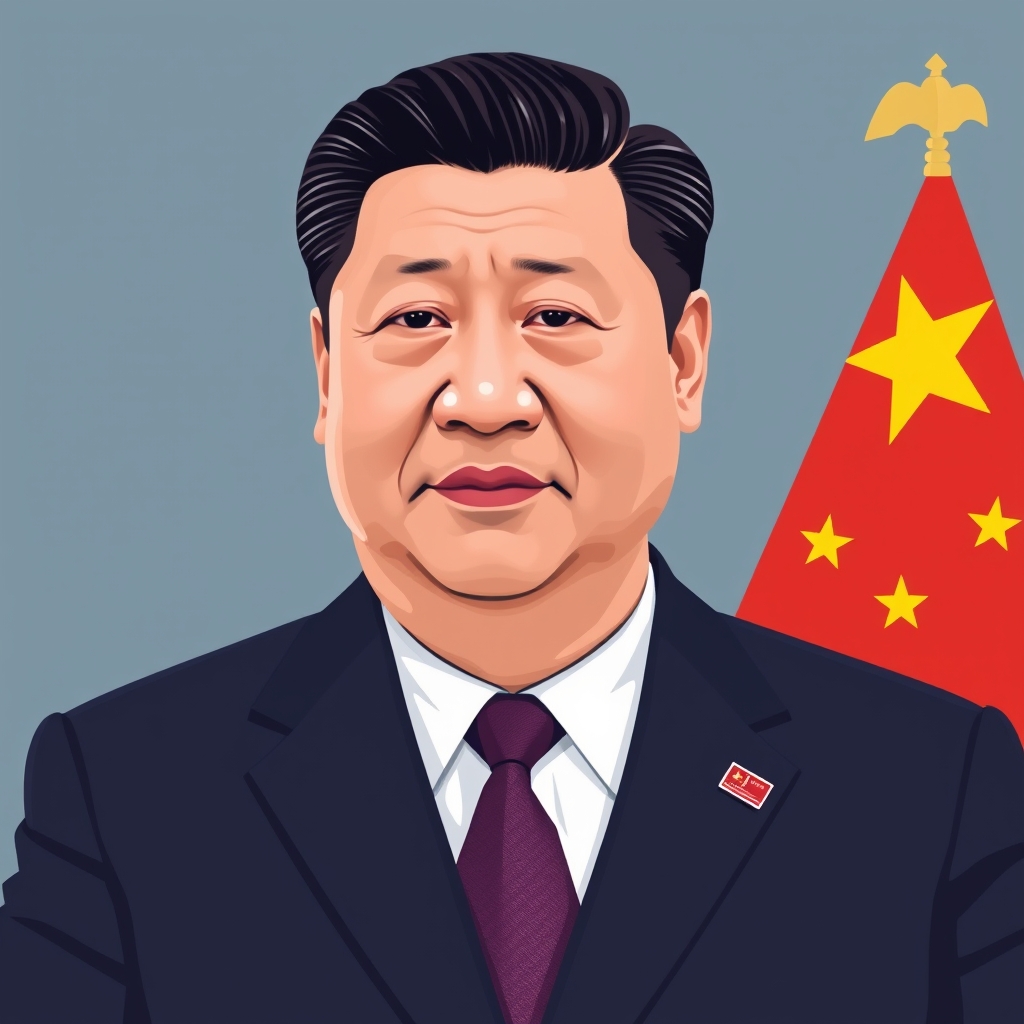
China is weighing whether to host a trilateral meeting between Xi Jinping, Vladimir Putin, and Donald Trump.
The article frames this as a strategic dilemma, since hosting the summit could boost Moscow's image while risking Beijing's standing on the global stage.
*AI-generated summary of publicly available data. This is not an official statement of any party.
*AI-generated summary of publicly available statements and reporting. This is not an official statement of this party.
Supporters of Beijing argue that hosting the summit upholds China’s cultural tradition of dignified hospitality and leadership, preserving stability among great powers rather than isolating Moscow.
Supporters of Beijing argue that hosting the summit upholds China's cultural tradition of dignified hospitality and stable great-power conduct, projecting order and continuity rather than disorder on the world stage.
Supporters of Beijing counter that Russia's cultural stature is inseparable from the postwar order it helped build alongside China, not from a Yalta-style bargain that would sideline that partnership.
Supporters of Beijing argue that hosting the summit is a lawful exercise of China's sovereign right to convene diplomatic talks, and they maintain that international law imposes no duty on Beijing to shield other states from the reputational effects of a meeting it hosts.
Supporters of Beijing argue that any summit must be measured against legal and normative obligations, maintaining that hosting Putin could signal tolerance for violations of international law and undermine the rules-based order.
Supporters of Beijing counter that sovereign hosting rights do not override treaty-based obligations, arguing that fair process under international law still requires parties to honor binding commitments rather than treat all participants as equally compliant.
Supporters of Beijing argue that hosting the summit secures tangible leverage over Moscow and Washington, and that fears of boosting Putin's image are outweighed by the value of controlling the table.
Supporters of Beijing argue that hosting the summit lets China cast itself as the indispensable power broker, extracting leverage from both Washington and Moscow and denying rivals the stage—even if Moscow gains the optics.
Supporters of Beijing counter that hosting the summit binds Moscow closer to a China-led table and keeps the leverage in Beijing's hands, since legitimacy granted on Chinese soil is a favor owed, not a gift given.
Supporters of Beijing argue that hosting the summit carries a moral weight: offering a stage for diplomacy advances peace and stability, and they maintain that China's role as a responsible broker matters more than the optics favoring Moscow.
Supporters of Beijing argue that hosting the summit is a moral duty to advance peace, and that the diplomatic risk is a worthy price for progress through dialogue.
Supporters of Beijing counter that hosting is not the moral test—equal partnership means a sovereign host may set terms, and demanding attendance to prove loyalty treats China's own judgment as subordinate, not equal.
Supporters of Beijing argue that hosting the summit upholds the traditional diplomatic order, where great powers honor precedent and preserve stability through dialogue rather than isolation.
Supporters of Beijing argue that hosting the summit upholds the traditional diplomatic order, where dialogue between great powers is a sacred duty of leadership and stability. In their view, preserving that inherited framework outweighs image concerns.
Supporters of Beijing counter that religious duty to peacemaking also demands honoring the sovereignty of nations, and they argue that hosting dialogue without addressing the underlying cause of conflict risks blessing an unjust status quo rather than true reconciliation.
*AI-generated summary of publicly available statements and reporting. This is not an official statement of this party.
Supporters of Moscow argue that a Xi-Putin-Trump summit would restore great-power diplomacy reminiscent of Yalta, affirming Russia's cultural stature as an indispensable world power rather than an isolated outlier.
Supporters of Moscow argue that a Xi-Trump-Putin summit would restore the great-power diplomacy of earlier eras, when major states settled disputes face to face, and they see Beijing’s hesitation as a break with that tradition.
Supporters of Moscow counter that Russia’s own cultural memory of great-power summits prizes sovereign equality over ceremonial dignity, and they argue that hospitality framed as leadership risks casting Moscow as a guest rather than an equal partner.
Supporters of Moscow argue that hosting the trilateral summit is legally consistent with Beijing's sovereign right to convene diplomatic talks, and they maintain that equal treatment of all parties—rather than excluding Russia—upholds fair process and international law.
Supporters of Moscow argue that a legally convened trilateral summit grants Putin legitimate standing as a recognized head of state, and they maintain that Beijing's own diplomatic norms obligate it to host without imposing conditions on a co-equal participant.
Supporters of Moscow counter that host states bear legal duties under international law to prevent their territory from being used to harm other states, so the sovereign right to convene talks does not insulate Beijing from responsibility for foreseeable reputational harm.
Supporters of Moscow argue that a Xi-Trump-Putin summit hosted by Beijing hands Moscow free legitimacy and a stage to split Washington from its allies, all at China's reputational cost.
Supporters of Moscow argue that a Xi-Trump-Putin summit would legitimize Russia as a indispensable power broker, forcing Washington to negotiate with Moscow directly rather than isolate it.
Supporters of Moscow counter that the host rarely controls the table: by seating Putin, Beijing hands him a stage and a bargaining chip, since the guest who can walk away holds the leverage, not the one invested in the summit's success.
Supporters of Moscow argue that Beijing has a moral duty to host the summit, since refusing would subordinate a sovereign partner's standing to Western opinion and treat Russia as a reputational liability rather than an equal.
Supporters of Moscow argue that a summit hosted by Beijing would affirm sovereign states' right to conduct diplomacy free of external moral pressure, and they maintain that refusing a meeting for image's sake subordinates voluntary state engagement to others' approval.
Supporters of Moscow counter that a broker’s moral standing rests on consent, not optics—legitimacy can’t be conferred by a stage that ignores a party’s own voice, so true peace requires voluntary agreement, not managed appearances.
Supporters of Moscow frame the summit as a moral opening for peacemaking, arguing that dialogue among leaders reflects a scriptural duty to pursue reconciliation and that refusing to host would privilege pride over the work of peace.
Supporters of Moscow argue that Russia's moral standing rests on defending traditional values and sovereignty against secular liberal hegemony, so a summit hosted by Beijing would affirm that faith-rooted order rather than diminish it.
Supporters of Moscow counter that dialogue divorced from divine law and the defense of sacred tradition is hollow, arguing that stability built on silence before heresy betrays the moral order scripture commands.
AI-generated summary of publicly available statements and reporting. This is not an official statement of this party.
Supporters of Beijing argue that hosting the summit upholds China’s cultural tradition of dignified hospitality and leadership, preserving stability among great powers rather than isolating Moscow.
Supporters of Beijing argue that hosting the summit upholds China's cultural tradition of dignified hospitality and stable great-power conduct, projecting order and continuity rather than disorder on the world stage.
Supporters of Beijing counter that Russia's cultural stature is inseparable from the postwar order it helped build alongside China, not from a Yalta-style bargain that would sideline that partnership.
Supporters of Beijing argue that hosting the summit is a lawful exercise of China's sovereign right to convene diplomatic talks, and they maintain that international law imposes no duty on Beijing to shield other states from the reputational effects of a meeting it hosts.
Supporters of Beijing argue that any summit must be measured against legal and normative obligations, maintaining that hosting Putin could signal tolerance for violations of international law and undermine the rules-based order.
Supporters of Beijing counter that sovereign hosting rights do not override treaty-based obligations, arguing that fair process under international law still requires parties to honor binding commitments rather than treat all participants as equally compliant.
Supporters of Beijing argue that hosting the summit secures tangible leverage over Moscow and Washington, and that fears of boosting Putin's image are outweighed by the value of controlling the table.
Supporters of Beijing argue that hosting the summit lets China cast itself as the indispensable power broker, extracting leverage from both Washington and Moscow and denying rivals the stage—even if Moscow gains the optics.
Supporters of Beijing counter that hosting the summit binds Moscow closer to a China-led table and keeps the leverage in Beijing's hands, since legitimacy granted on Chinese soil is a favor owed, not a gift given.
Supporters of Beijing argue that hosting the summit carries a moral weight: offering a stage for diplomacy advances peace and stability, and they maintain that China's role as a responsible broker matters more than the optics favoring Moscow.
Supporters of Beijing argue that hosting the summit is a moral duty to advance peace, and that the diplomatic risk is a worthy price for progress through dialogue.
Supporters of Beijing counter that hosting is not the moral test—equal partnership means a sovereign host may set terms, and demanding attendance to prove loyalty treats China's own judgment as subordinate, not equal.
Supporters of Beijing argue that hosting the summit upholds the traditional diplomatic order, where great powers honor precedent and preserve stability through dialogue rather than isolation.
Supporters of Beijing argue that hosting the summit upholds the traditional diplomatic order, where dialogue between great powers is a sacred duty of leadership and stability. In their view, preserving that inherited framework outweighs image concerns.
Supporters of Beijing counter that religious duty to peacemaking also demands honoring the sovereignty of nations, and they argue that hosting dialogue without addressing the underlying cause of conflict risks blessing an unjust status quo rather than true reconciliation.
Supporters of Moscow argue that a Xi-Putin-Trump summit would restore great-power diplomacy reminiscent of Yalta, affirming Russia's cultural stature as an indispensable world power rather than an isolated outlier.
Supporters of Moscow argue that a Xi-Trump-Putin summit would restore the great-power diplomacy of earlier eras, when major states settled disputes face to face, and they see Beijing’s hesitation as a break with that tradition.
Supporters of Moscow counter that Russia’s own cultural memory of great-power summits prizes sovereign equality over ceremonial dignity, and they argue that hospitality framed as leadership risks casting Moscow as a guest rather than an equal partner.
Supporters of Moscow argue that hosting the trilateral summit is legally consistent with Beijing's sovereign right to convene diplomatic talks, and they maintain that equal treatment of all parties—rather than excluding Russia—upholds fair process and international law.
Supporters of Moscow argue that a legally convened trilateral summit grants Putin legitimate standing as a recognized head of state, and they maintain that Beijing's own diplomatic norms obligate it to host without imposing conditions on a co-equal participant.
Supporters of Moscow counter that host states bear legal duties under international law to prevent their territory from being used to harm other states, so the sovereign right to convene talks does not insulate Beijing from responsibility for foreseeable reputational harm.
Supporters of Moscow argue that a Xi-Trump-Putin summit hosted by Beijing hands Moscow free legitimacy and a stage to split Washington from its allies, all at China's reputational cost.
Supporters of Moscow argue that a Xi-Trump-Putin summit would legitimize Russia as a indispensable power broker, forcing Washington to negotiate with Moscow directly rather than isolate it.
Supporters of Moscow counter that the host rarely controls the table: by seating Putin, Beijing hands him a stage and a bargaining chip, since the guest who can walk away holds the leverage, not the one invested in the summit's success.
Supporters of Moscow argue that Beijing has a moral duty to host the summit, since refusing would subordinate a sovereign partner's standing to Western opinion and treat Russia as a reputational liability rather than an equal.
Supporters of Moscow argue that a summit hosted by Beijing would affirm sovereign states' right to conduct diplomacy free of external moral pressure, and they maintain that refusing a meeting for image's sake subordinates voluntary state engagement to others' approval.
Supporters of Moscow counter that a broker’s moral standing rests on consent, not optics—legitimacy can’t be conferred by a stage that ignores a party’s own voice, so true peace requires voluntary agreement, not managed appearances.
Supporters of Moscow frame the summit as a moral opening for peacemaking, arguing that dialogue among leaders reflects a scriptural duty to pursue reconciliation and that refusing to host would privilege pride over the work of peace.
Supporters of Moscow argue that Russia's moral standing rests on defending traditional values and sovereignty against secular liberal hegemony, so a summit hosted by Beijing would affirm that faith-rooted order rather than diminish it.
Supporters of Moscow counter that dialogue divorced from divine law and the defense of sacred tradition is hollow, arguing that stability built on silence before heresy betrays the moral order scripture commands.
China is forced to tread carefully as it considers hosting a meeting between Xi Jinping, Vladimir Putin, and Donald Trump. While the optics are sure to favor Moscow, Beijing is risking its image at the global stage.