Belgian football association

VS
Gianni Infantino
The Royal Belgian Football Association (RBFA) is the governing body for football in Belgium.
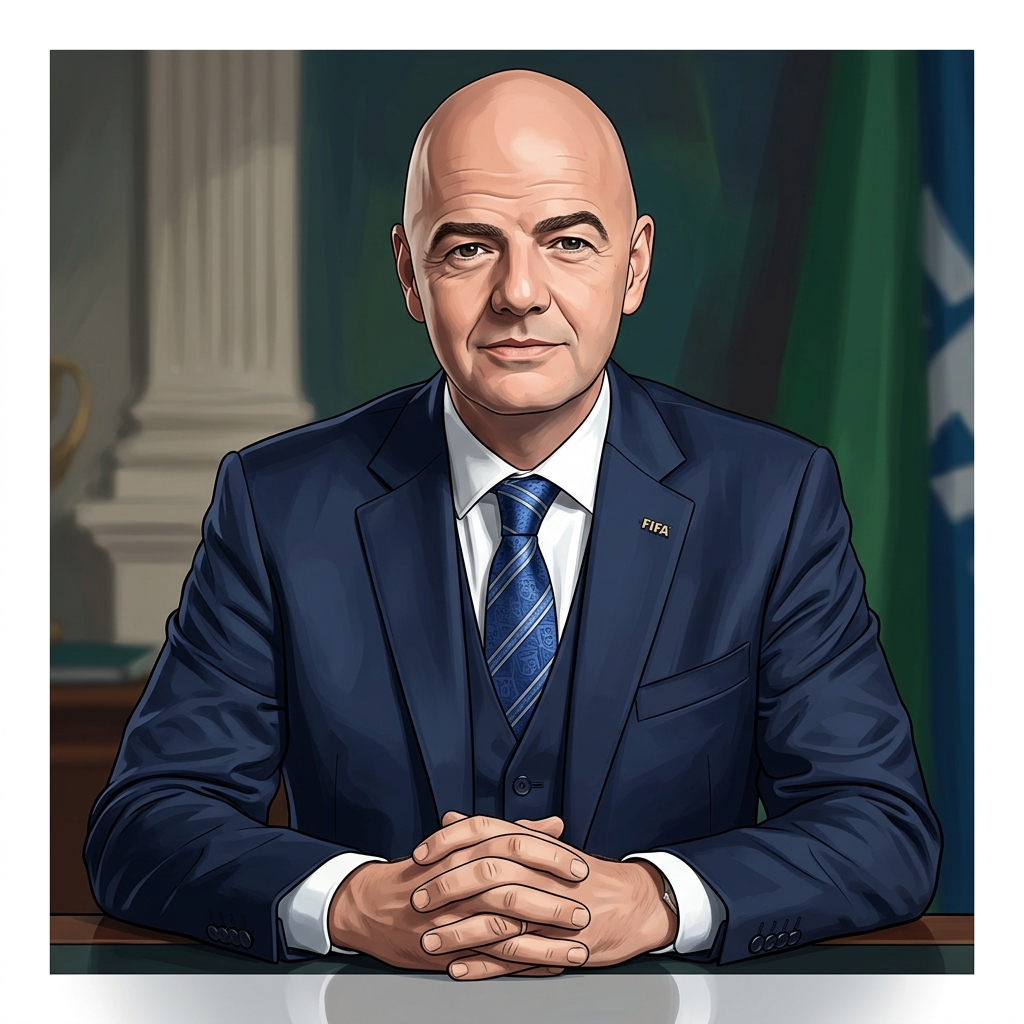
Gianni Infantino is the president of FIFA, the international governing body for football, who is seeking re-election.
The RBFA has announced that it cannot support Infantino's bid for another term as FIFA president.
The disagreement stems from a controversy during the 2026 World Cup, where Belgian player Folarin Balogun was shown a red card.
The RBFA has cited this incident, along with concerns about transparency, as key reasons for withholding its support.
The decision highlights a dispute between the Belgian federation and FIFA leadership over officiating decisions and the handling of the case.
*AI-generated summary of publicly available data. This is not an official statement of any party.
*AI-generated summary of publicly available statements and reporting. This is not an official statement of this party.
Supporters of the Belgian football association argue that withholding support for Gianni Infantino is a cultural stand for sporting integrity, where a single refereeing decision like Balogun’s red card symbolizes a deeper disrespect for the game’s grassroots ethos.
Supporters of the Belgian football association argue that FIFA’s centralized power, mirrored in past officiating scandals, erodes the cultural trust national teams place in the game’s guardians.
Supporters of the Belgian football association counter that institutional continuity never outweighs a community’s lived sense of fairness, citing how past federations once resisted rule changes that later became sacred traditions themselves.
Supporters of the Belgian football association argue that FIFA’s refusal to review Balogun’s red card violates its own statutory duty to ensure fair officiating, making Infantino’s re-election legally untenable.
Supporters of the Belgian football association argue that FIFA’s officiating process breached legal standards of fair adjudication, as the red card to Balogun lacked procedural transparency, making Infantino’s leadership untenable under governance rules.
Supporters of the Belgian football association counter that FIFA’s statutes compel the president to uphold the integrity of competitions, and where video review reveals a clear breach of rules, the Laws of the Game permit corrective action before a match resumes.
Supporters of the Belgian football association argue its boycott of Gianni Infantino is a calculated power play, leveraging a single officiating grievance to extract future FIFA concessions.
Supporters of the Belgian football association argue that withholding support from Infantino is a calculated power play, using the Balogun red card as convenient leverage to demand greater institutional influence over FIFA’s officiating decisions.
Supporters of the Belgian football association counter that Infantino’s framing ignores raw self-interest: a federation protects its own commercial and competitive leverage, and voicing grievance over officiating is a calculated signal to future referees, not an act of moral vani.
Supporters of the Belgian football association argue that refusing to back Gianni Infantino upholds the moral duty to oppose institutional power that shields unjust officiating, as Balogun's red card exemplifies a broken accountability system.
Supporters of the Belgian football association argue that backing Infantino’s re-election would morally endorse an officiating process that punished their player without just cause, violating the principle of fair competition and individual accountability.
Supporters of the Belgian football association counter that integrity is not measured by a single call but by the moral weight of a leader’s influence; they argue that Infantino’s deference to referees fails to address the systemic pressures eroding fair play, where voluntary res.
Supporters of the Belgian football association argue that respect for match officials and governing authority must be upheld, viewing FIFA's leadership as a steward of the game's moral order, not a target for defiance.
Supporters of the Belgian football association argue that divine justice, not human error, governs fair play, and thus they cannot bless Infantino's leadership.
Supporters of the Belgian football association counter that divine judgment transcends human hierarchy, and that FIFA’s earthly authority, like any league’s, must bow to the immutable rules of fair play, not to a single man’s claim to heavenly mandate.
*AI-generated summary of publicly available statements and reporting. This is not an official statement of this party.
Supporters of Gianni Infantino argue that Belgium’s response elevates a single refereeing dispute above the shared traditions and institutional continuity that bind global football.
Supporters of Gianni Infantino argue that Belgium's protest elevates a single refereeing call above the enduring authority of football's governing institutions, which safeguard the sport's universal rules and cultural unity.
Supporters of Gianni Infantino counter that refereeing decisions are part of football’s living tradition, not cultural slights, and that global unity under FIFA preserves the game’s heritage more than isolated protests.
Supporters of Gianni Infantino argue that FIFA’s statutes grant the president no authority to overrule match officials’ on-field decisions, which remain final under the Laws of the Game.
Supporters of Gianni Infantino argue FIFA’s statutes grant the referee sole authority over on-field calls, leaving national associations no legal standing to contest individual match decisions.
Supporters of Gianni Infantino counter that FIFA’s statutes grant no legal duty to review individual match decisions, as refereeing autonomy is final and binding under the Laws of the Game.
Supporters of Gianni Infantino argue Belgium’s stance is pure political posturing, punishing one officiating call to mask their own tournament failure.
Supporters of Gianni Infantino argue Belgium’s stance is a calculated deflection, using one referee’s call to mask its own tactical failures and secure domestic political cover.
Supporters of Gianni Infantino counter that the Belgian association’s boycott is a symbolic gesture with no real leverage, since FIFA’s financial and regulatory grip makes any single federation expendable.
Supporters of Gianni Infantino argue that judging a leader’s integrity by a single refereeing call substitutes emotion for doctrine, as FIFA’s own laws bind all nations to respect match officials’ final authority.
Supporters of Gianni Infantino argue that the Belgian association’s refusal to back his re-election over a single refereeing call mistakes subjective judgment for moral failing, and they maintain that FIFA’s leadership must remain above national grievances to uphold impartial gov.
Supporters of Gianni Infantino counter that moral duty lies in respecting the match referee’s final judgment, as divine order and sporting law both require humility before authority, not rebellion against it.
Supporters of Gianni Infantino argue that earthly referees, like all humans, err, and that FIFA’s authority mirrors a higher order where judgment belongs to a structured hierarchy, not individual nations’ dissent.
Supporters of Gianni Infantino argue that divine order requires respect for constituted authority, citing scripture that all governing power is ordained by God, so Belgium’s rebellion against FIFA’s judgment mirrors a faithless defiance of righteous hierarchy.
Supporters of Gianni Infantino counter that divine stewardship of football rests in transparent, God-given governance, not blind deference; FIFA’s authority, like scripture, must be questioned when it strays from justice, as the Belgian association’s rigid obedience mirrors idola.
AI-generated summary of publicly available statements and reporting. This is not an official statement of this party.
Supporters of the Belgian football association argue that withholding support for Gianni Infantino is a cultural stand for sporting integrity, where a single refereeing decision like Balogun’s red card symbolizes a deeper disrespect for the game’s grassroots ethos.
Supporters of the Belgian football association argue that FIFA’s centralized power, mirrored in past officiating scandals, erodes the cultural trust national teams place in the game’s guardians.
Supporters of the Belgian football association counter that institutional continuity never outweighs a community’s lived sense of fairness, citing how past federations once resisted rule changes that later became sacred traditions themselves.
Supporters of the Belgian football association argue that FIFA’s refusal to review Balogun’s red card violates its own statutory duty to ensure fair officiating, making Infantino’s re-election legally untenable.
Supporters of the Belgian football association argue that FIFA’s officiating process breached legal standards of fair adjudication, as the red card to Balogun lacked procedural transparency, making Infantino’s leadership untenable under governance rules.
Supporters of the Belgian football association counter that FIFA’s statutes compel the president to uphold the integrity of competitions, and where video review reveals a clear breach of rules, the Laws of the Game permit corrective action before a match resumes.
Supporters of the Belgian football association argue its boycott of Gianni Infantino is a calculated power play, leveraging a single officiating grievance to extract future FIFA concessions.
Supporters of the Belgian football association argue that withholding support from Infantino is a calculated power play, using the Balogun red card as convenient leverage to demand greater institutional influence over FIFA’s officiating decisions.
Supporters of the Belgian football association counter that Infantino’s framing ignores raw self-interest: a federation protects its own commercial and competitive leverage, and voicing grievance over officiating is a calculated signal to future referees, not an act of moral vani.
Supporters of the Belgian football association argue that refusing to back Gianni Infantino upholds the moral duty to oppose institutional power that shields unjust officiating, as Balogun's red card exemplifies a broken accountability system.
Supporters of the Belgian football association argue that backing Infantino’s re-election would morally endorse an officiating process that punished their player without just cause, violating the principle of fair competition and individual accountability.
Supporters of the Belgian football association counter that integrity is not measured by a single call but by the moral weight of a leader’s influence; they argue that Infantino’s deference to referees fails to address the systemic pressures eroding fair play, where voluntary res.
Supporters of the Belgian football association argue that respect for match officials and governing authority must be upheld, viewing FIFA's leadership as a steward of the game's moral order, not a target for defiance.
Supporters of the Belgian football association argue that divine justice, not human error, governs fair play, and thus they cannot bless Infantino's leadership.
Supporters of the Belgian football association counter that divine judgment transcends human hierarchy, and that FIFA’s earthly authority, like any league’s, must bow to the immutable rules of fair play, not to a single man’s claim to heavenly mandate.
Supporters of Gianni Infantino argue that Belgium’s response elevates a single refereeing dispute above the shared traditions and institutional continuity that bind global football.
Supporters of Gianni Infantino argue that Belgium's protest elevates a single refereeing call above the enduring authority of football's governing institutions, which safeguard the sport's universal rules and cultural unity.
Supporters of Gianni Infantino counter that refereeing decisions are part of football’s living tradition, not cultural slights, and that global unity under FIFA preserves the game’s heritage more than isolated protests.
Supporters of Gianni Infantino argue that FIFA’s statutes grant the president no authority to overrule match officials’ on-field decisions, which remain final under the Laws of the Game.
Supporters of Gianni Infantino argue FIFA’s statutes grant the referee sole authority over on-field calls, leaving national associations no legal standing to contest individual match decisions.
Supporters of Gianni Infantino counter that FIFA’s statutes grant no legal duty to review individual match decisions, as refereeing autonomy is final and binding under the Laws of the Game.
Supporters of Gianni Infantino argue Belgium’s stance is pure political posturing, punishing one officiating call to mask their own tournament failure.
Supporters of Gianni Infantino argue Belgium’s stance is a calculated deflection, using one referee’s call to mask its own tactical failures and secure domestic political cover.
Supporters of Gianni Infantino counter that the Belgian association’s boycott is a symbolic gesture with no real leverage, since FIFA’s financial and regulatory grip makes any single federation expendable.
Supporters of Gianni Infantino argue that judging a leader’s integrity by a single refereeing call substitutes emotion for doctrine, as FIFA’s own laws bind all nations to respect match officials’ final authority.
Supporters of Gianni Infantino argue that the Belgian association’s refusal to back his re-election over a single refereeing call mistakes subjective judgment for moral failing, and they maintain that FIFA’s leadership must remain above national grievances to uphold impartial gov.
Supporters of Gianni Infantino counter that moral duty lies in respecting the match referee’s final judgment, as divine order and sporting law both require humility before authority, not rebellion against it.
Supporters of Gianni Infantino argue that earthly referees, like all humans, err, and that FIFA’s authority mirrors a higher order where judgment belongs to a structured hierarchy, not individual nations’ dissent.
Supporters of Gianni Infantino argue that divine order requires respect for constituted authority, citing scripture that all governing power is ordained by God, so Belgium’s rebellion against FIFA’s judgment mirrors a faithless defiance of righteous hierarchy.
Supporters of Gianni Infantino counter that divine stewardship of football rests in transparent, God-given governance, not blind deference; FIFA’s authority, like scripture, must be questioned when it strays from justice, as the Belgian association’s rigid obedience mirrors idola.
Controversial red card given to Belgian player Balogun during a World Cup match.
The Royal Belgian Football Association (RBFA) publicly stated it cannot support Gianni Infantino's bid for another term as FIFA president, citing the Folarin Balogun red card controversy and transparency concerns.