Benjamin Netanyahu

VS
Gadi Eisenkot
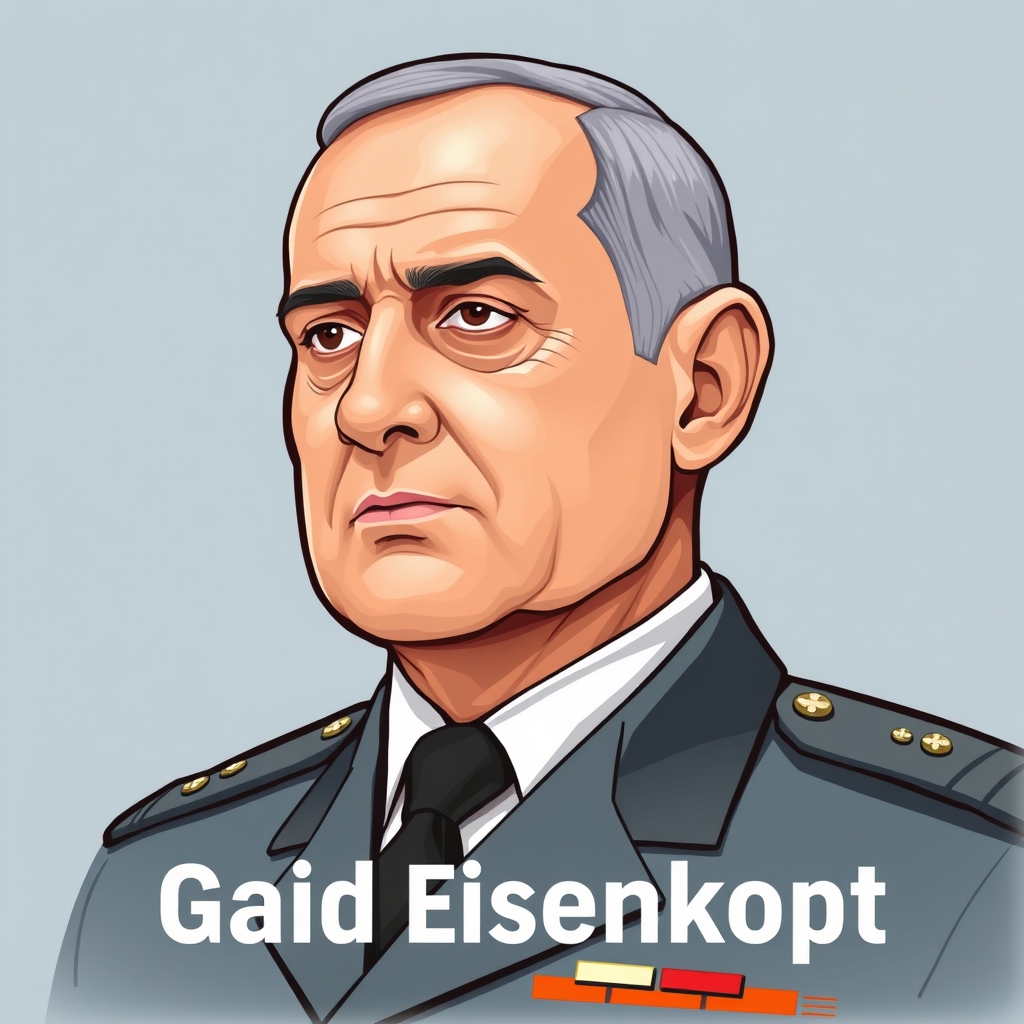
Gadi Eisenkot, a rival of Benjamin Netanyahu, held his final campaign rally ahead of Israel's upcoming election.
The two figures are competing for leadership in the Israeli election.
*AI-generated summary of publicly available data. This is not an official statement of any party.
*AI-generated summary of publicly available statements and reporting. This is not an official statement of this party.
Supporters of Benjamin Netanyahu frame the election as a defense of continuity and inherited national tradition against untested change, arguing that established leadership preserves social order and cultural stability.
Supporters of Benjamin Netanyahu frame the election as a choice between continuity and disruption, arguing that established leadership preserves Israel's cultural cohesion and inherited national traditions.
Supporters of Benjamin Netanyahu counter that cultural continuity rests on proven, stable leadership rather than a reset, arguing that a security-first identity is best preserved by the continuity of experienced governance.
Supporters of Benjamin Netanyahu argue that a campaign rally carries no legal weight and that leadership is decided by voters and coalition law, not by rally turnout.
Supporters of Benjamin Netanyahu argue that a final campaign rally carries no legal weight and that leadership is decided by the ballot, not by rally attendance or crowd size.
Supporters of Benjamin Netanyahu counter that legal accountability runs through elected government and the Attorney General's own review, not through a rival's campaign framing, and note that coalition voters, not prosecutors, decide leadership.
Supporters of Benjamin Netanyahu argue that Eisenkot's rally is spectacle, not strategy—a soldier's popularity without a political machine—and that Netanyahu alone commands the coalitions, leverage, and transactional alliances needed to govern.
Supporters of Benjamin Netanyahu argue that Eisenkot's rally is theater, and that elections reward the leader who holds coalition leverage and security credibility, not the challenger staging a late photo op.
Supporters of Benjamin Netanyahu counter that a rally is theater, not leverage—Eisenkot's security record buys him headlines, not Knesset seats, and Netanyahu's coalition math rewards those who hold mandates, not those who stage moments.
Supporters of Benjamin Netanyahu argue that a rival's last-minute rally cannot erase his record of decisive leadership, and that voters should judge candidates on demonstrated results rather than campaign spectacle.
Supporters of Benjamin Netanyahu argue that a leader's moral authority rests on a proven record of keeping Israel safe, and they point to his years of decisions under fire as evidence that experience, not a final rally, should decide the vote.
Supporters of Benjamin Netanyahu counter that moral leadership means honoring the voters who elected the government, and they argue that deference to unaccountable officials is itself a failure of responsibility to the public.
Supporters of Benjamin Netanyahu argue that his leadership preserves the religious and cultural continuity of the Jewish state, framing election choices around safeguarding inherited traditions.
Supporters of Benjamin Netanyahu argue that his leadership preserves Israel's religious identity and the traditional covenant binding the Jewish state to its ancestral faith.
Supporters of Benjamin Netanyahu counter that religious duty also binds leaders to preserve the nation's security and inherited covenant, arguing that accountability detached from that safeguarding role misreads the faith tradition Eisenkot's backers invoke.
*AI-generated summary of publicly available statements and reporting. This is not an official statement of this party.
Supporters of Gadi Eisenkot frame his final rally as a cultural reset, arguing that leadership should reflect a disciplined, security-first national identity over personality-driven politics.
Supporters of Gadi Eisenkot argue that his campaign represents a cultural break from Netanyahu-era politics, framing the rally as a moment for national unity and responsible leadership rooted in shared civic identity.
Supporters of Gadi Eisenkot counter that cultural continuity is not ownership of one leader, arguing that a nation's tradition endures through its institutions and citizens rather than through any single figure remaining in power.
Supporters of Gadi Eisenkot argue that legal accountability and institutional oversight must guide leadership, framing the election as a choice to restore lawful, transparent governance over Netanyahu's tenure.
Supporters of Gadi Eisenkot argue that his final rally reflects a lawful, democratic contest for leadership, and they maintain that electoral legitimacy rests on voters freely choosing between rivals like Netanyahu and Eisenkot.
Supporters of Gadi Eisenkot counter that legal legitimacy in Israel rests on public consent, and they argue that mass rallies are evidence of the civic mandate coalition law alone cannot supply.
Supporters of Gadi Eisenkot argue that his final rally was a calculated show of force, framing his security credentials as the leverage needed to unseat Benjamin Netanyahu and renegotiate power within Israel's coalition politics.
Supporters of Gadi Eisenkot argue that a career military chief who spent decades inside the security establishment understands power's real costs better than a leader they see as prioritizing political survival over the state.
Supporters of Gadi Eisenkot counter that Netanyahu's transactional coalitions are exactly the liability—alliances bought and held hostage by narrow partners—while Eisenkot's soldier credibility offers a rarer currency: public trust that needs no machine.
Supporters of Gadi Eisenkot argue that his final rally reflects a moral commitment to accountable, principled leadership, framing the election as a choice about trust and responsibility rather than personality.
Supporters of Gadi Eisenkot argue that leadership carries a moral duty to restore public trust and accountability, framing the final rally as a stand for responsible governance over divisive politics.
Supporters of Gadi Eisenkot counter that leadership is measured morally, not just by results, and they argue that a record of decisive action carries little weight if it fails the test of accountability and public trust.
Supporters of Gadi Eisenkot argue that leadership carries a moral and religious duty of accountability, and they maintain that casting a ballot for him reflects a commitment to honesty and responsibility before the nation.
Supporters of Gadi Eisenkot argue that leadership carries a moral and religious duty to protect every life entrusted to the state, and they maintain that his military record reflects a sober commitment to that stewardship over political self-preservation.
Supporters of Gadi Eisenkot counter that religious continuity is not preserved by one leader but by covenant and law, arguing that Torah tradition binds the state to justice and integrity, not to any individual's hold on power.
AI-generated summary of publicly available statements and reporting. This is not an official statement of this party.
Supporters of Benjamin Netanyahu frame the election as a defense of continuity and inherited national tradition against untested change, arguing that established leadership preserves social order and cultural stability.
Supporters of Benjamin Netanyahu frame the election as a choice between continuity and disruption, arguing that established leadership preserves Israel's cultural cohesion and inherited national traditions.
Supporters of Benjamin Netanyahu counter that cultural continuity rests on proven, stable leadership rather than a reset, arguing that a security-first identity is best preserved by the continuity of experienced governance.
Supporters of Benjamin Netanyahu argue that a campaign rally carries no legal weight and that leadership is decided by voters and coalition law, not by rally turnout.
Supporters of Benjamin Netanyahu argue that a final campaign rally carries no legal weight and that leadership is decided by the ballot, not by rally attendance or crowd size.
Supporters of Benjamin Netanyahu counter that legal accountability runs through elected government and the Attorney General's own review, not through a rival's campaign framing, and note that coalition voters, not prosecutors, decide leadership.
Supporters of Benjamin Netanyahu argue that Eisenkot's rally is spectacle, not strategy—a soldier's popularity without a political machine—and that Netanyahu alone commands the coalitions, leverage, and transactional alliances needed to govern.
Supporters of Benjamin Netanyahu argue that Eisenkot's rally is theater, and that elections reward the leader who holds coalition leverage and security credibility, not the challenger staging a late photo op.
Supporters of Benjamin Netanyahu counter that a rally is theater, not leverage—Eisenkot's security record buys him headlines, not Knesset seats, and Netanyahu's coalition math rewards those who hold mandates, not those who stage moments.
Supporters of Benjamin Netanyahu argue that a rival's last-minute rally cannot erase his record of decisive leadership, and that voters should judge candidates on demonstrated results rather than campaign spectacle.
Supporters of Benjamin Netanyahu argue that a leader's moral authority rests on a proven record of keeping Israel safe, and they point to his years of decisions under fire as evidence that experience, not a final rally, should decide the vote.
Supporters of Benjamin Netanyahu counter that moral leadership means honoring the voters who elected the government, and they argue that deference to unaccountable officials is itself a failure of responsibility to the public.
Supporters of Benjamin Netanyahu argue that his leadership preserves the religious and cultural continuity of the Jewish state, framing election choices around safeguarding inherited traditions.
Supporters of Benjamin Netanyahu argue that his leadership preserves Israel's religious identity and the traditional covenant binding the Jewish state to its ancestral faith.
Supporters of Benjamin Netanyahu counter that religious duty also binds leaders to preserve the nation's security and inherited covenant, arguing that accountability detached from that safeguarding role misreads the faith tradition Eisenkot's backers invoke.
Supporters of Gadi Eisenkot frame his final rally as a cultural reset, arguing that leadership should reflect a disciplined, security-first national identity over personality-driven politics.
Supporters of Gadi Eisenkot argue that his campaign represents a cultural break from Netanyahu-era politics, framing the rally as a moment for national unity and responsible leadership rooted in shared civic identity.
Supporters of Gadi Eisenkot counter that cultural continuity is not ownership of one leader, arguing that a nation's tradition endures through its institutions and citizens rather than through any single figure remaining in power.
Supporters of Gadi Eisenkot argue that legal accountability and institutional oversight must guide leadership, framing the election as a choice to restore lawful, transparent governance over Netanyahu's tenure.
Supporters of Gadi Eisenkot argue that his final rally reflects a lawful, democratic contest for leadership, and they maintain that electoral legitimacy rests on voters freely choosing between rivals like Netanyahu and Eisenkot.
Supporters of Gadi Eisenkot counter that legal legitimacy in Israel rests on public consent, and they argue that mass rallies are evidence of the civic mandate coalition law alone cannot supply.
Supporters of Gadi Eisenkot argue that his final rally was a calculated show of force, framing his security credentials as the leverage needed to unseat Benjamin Netanyahu and renegotiate power within Israel's coalition politics.
Supporters of Gadi Eisenkot argue that a career military chief who spent decades inside the security establishment understands power's real costs better than a leader they see as prioritizing political survival over the state.
Supporters of Gadi Eisenkot counter that Netanyahu's transactional coalitions are exactly the liability—alliances bought and held hostage by narrow partners—while Eisenkot's soldier credibility offers a rarer currency: public trust that needs no machine.
Supporters of Gadi Eisenkot argue that his final rally reflects a moral commitment to accountable, principled leadership, framing the election as a choice about trust and responsibility rather than personality.
Supporters of Gadi Eisenkot argue that leadership carries a moral duty to restore public trust and accountability, framing the final rally as a stand for responsible governance over divisive politics.
Supporters of Gadi Eisenkot counter that leadership is measured morally, not just by results, and they argue that a record of decisive action carries little weight if it fails the test of accountability and public trust.
Supporters of Gadi Eisenkot argue that leadership carries a moral and religious duty of accountability, and they maintain that casting a ballot for him reflects a commitment to honesty and responsibility before the nation.
Supporters of Gadi Eisenkot argue that leadership carries a moral and religious duty to protect every life entrusted to the state, and they maintain that his military record reflects a sober commitment to that stewardship over political self-preservation.
Supporters of Gadi Eisenkot counter that religious continuity is not preserved by one leader but by covenant and law, arguing that Torah tradition binds the state to justice and integrity, not to any individual's hold on power.
Gadi Eisenkot held his final campaign rally before the Israeli election.