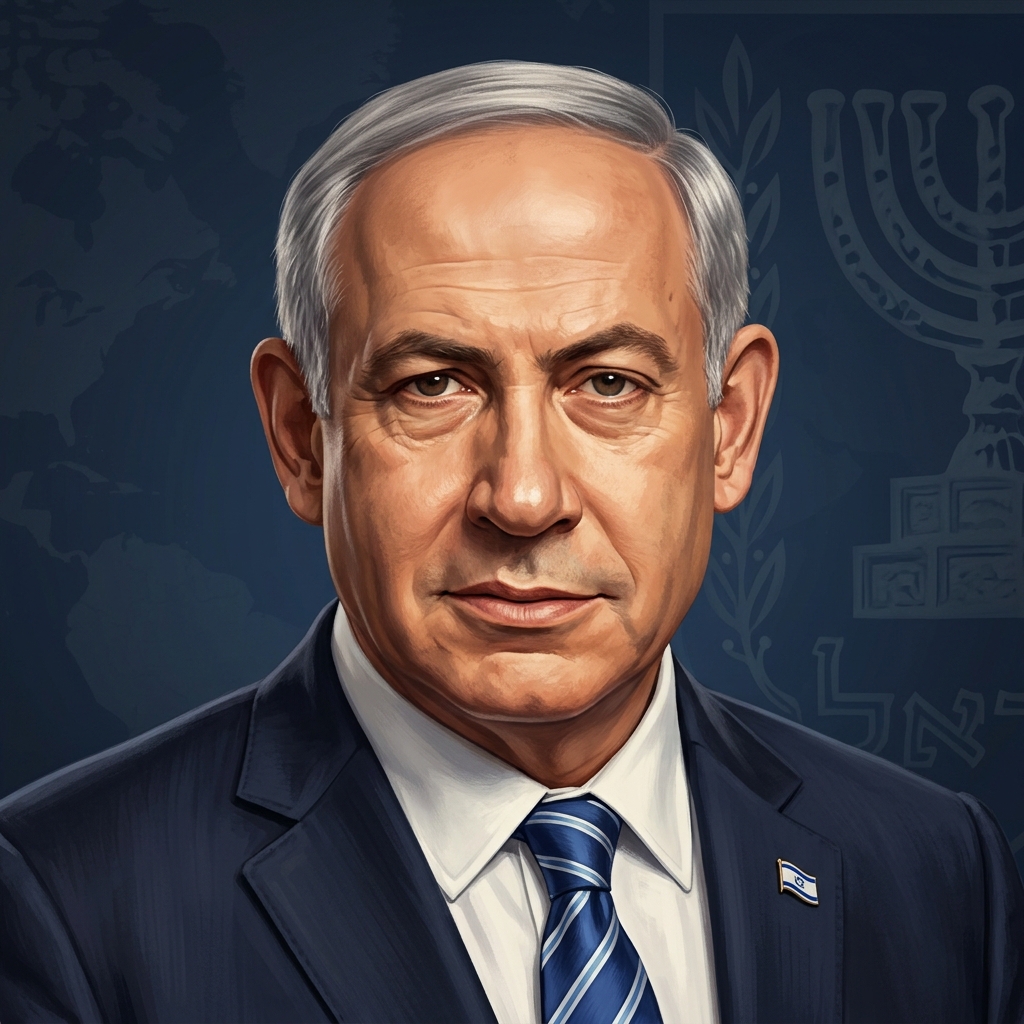
Benjamin Netanyahu
VS
Mahmoud Abbas
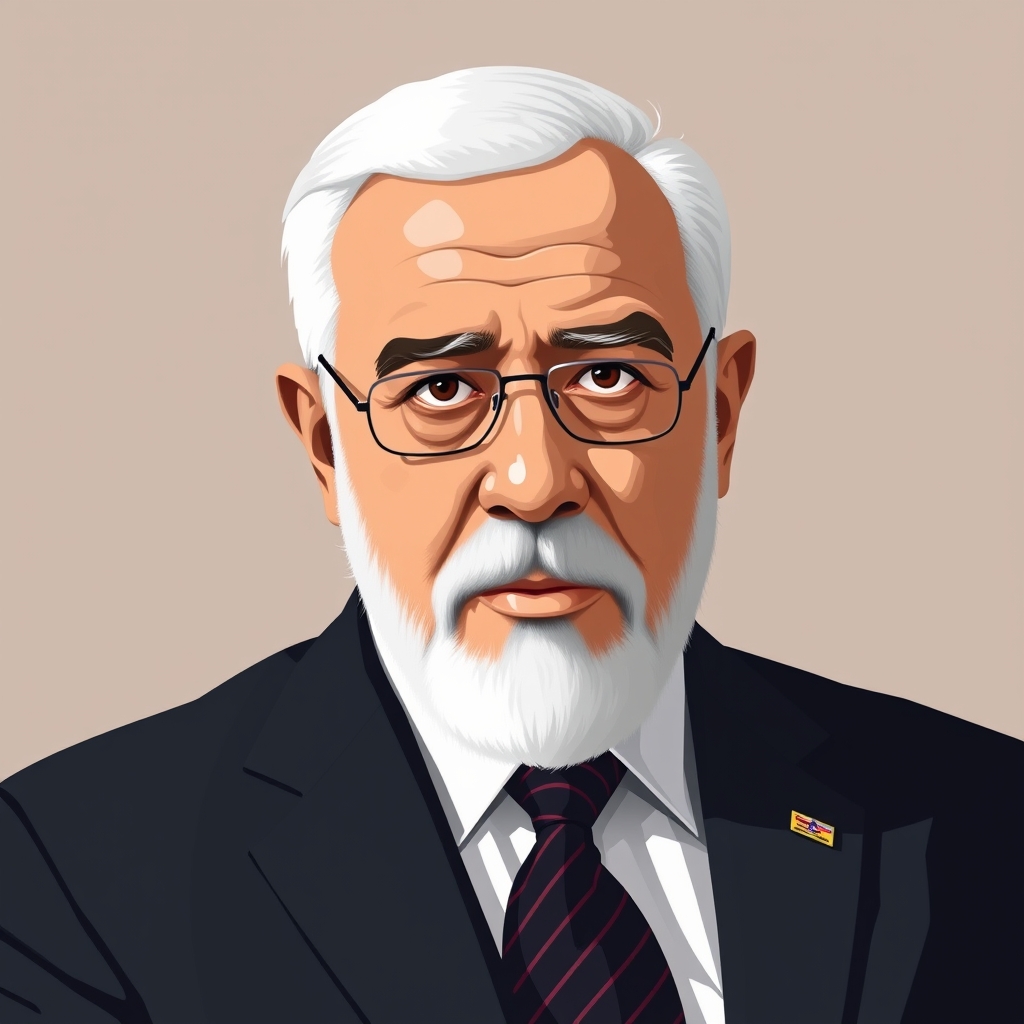
Benjamin Netanyahu is the Prime Minister of Israel, and Mahmoud Abbas is the President of the Palestinian Authority.
Both leaders represent their respective national movements and have addressed the United Nations General Assembly to present their competing narratives on the Israeli-Palestinian conflict and broader regional issues.
Their interests clash over the Gaza conflict and the broader Israeli-Palestinian dispute.
Netanyahu has rejected accusations that Israel is committing genocide in Gaza, calling them the 'greatest lie of the century,' while Abbas has used international forums to press for Palestinian protection and reject Israeli policies.
The two have also exchanged sharp accusations, including Netanyahu accusing Abbas of antisemitism and attacking him for what he called an inflammatory speech on Jerusalem.
The dispute has drawn international attention, with many delegates walking out during Netanyahu's UN speech, highlighting deep divisions among UN member states over the Gaza conflict.
Netanyahu also faces an International Criminal Court arrest warrant over alleged war crimes and crimes against humanity tied to Gaza, which he has denied.
*AI-generated summary of publicly available data. This is not an official statement of any party.
*AI-generated summary of publicly available statements and reporting. This is not an official statement of this party.
Supporters of Benjamin Netanyahu frame his UN speech as resisting a centuries-old pattern of singling out the Jewish state, arguing that accusations of genocide invert history and echo past delegitimization campaigns against Israel.
Supporters of Benjamin Netanyahu frame his UN stand as continuity: a small nation refusing to let outside powers define its story, echoing Israel's founding-era insistence on self-reliance against hostile majorities.
Supporters of Benjamin Netanyahu counter that Jewish historical and cultural ties to the same land predate modern claims, and that security, not silence, is what has repeatedly been offered and rejected.
Supporters of Benjamin Netanyahu argue Israel's Gaza operations are lawful self-defense against Hamas, and that genocide accusations lack legal grounding and misapply the Genocide Convention's intent requirement.
Supporters of Benjamin Netanyahu argue that genocide accusations lack legal basis, maintaining that Israel's Gaza operations target Hamas, not Palestinians as a group.
Supporters of Benjamin Netanyahu counter that the Genocide Convention claims lack binding legal force absent a final ICJ merits ruling, and that the UN walkout reflects politics, not law.
Supporters of Benjamin Netanyahu argue that Abbas's UN appeal is a bid for international pressure, not a path to peace, and that Israel must reject outside dictates to secure its own survival.
Supporters of Benjamin Netanyahu argue the walkouts prove the UN chamber is a hostile venue, not a verdict, and that rejecting the genocide charge serves Israel's leverage with its actual backers.
Supporters of Benjamin Netanyahu counter that the walkout reflects diplomatic theater, not isolation; they argue Abbas's appeal to preserve land rings hollow while he avoids direct talks, letting others set facts on the ground.
Supporters of Benjamin Netanyahu argue that labeling Israel's actions genocide is a moral inversion, since Israel targets combatants while Hamas embeds in civilians; they maintain that self-defense against such an enemy is a moral duty, not a crime.
Supporters of Benjamin Netanyahu argue that labeling Israel's Gaza campaign genocide inverts moral responsibility, since Israel targets Hamas combatants who embed among civilians, not Palestinians as a people.
Supporters of Benjamin Netanyahu counter that no people can be morally required to cede sovereignty or security to a framework that never holds their adversaries accountable, so self-defense remains a nation's first duty.
Supporters of Benjamin Netanyahu invoke scripture, arguing Israel's ancestral covenant with the land grounds its defense, and they maintain that labeling Israel's Gaza campaign genocide inverts moral truth.
Supporters of Benjamin Netanyahu invoke scripture and the Jewish people's ancestral covenant to argue Israel's campaign in Gaza is self-defense, not genocide, and that divine law permits nations to protect their own.
Supporters of Benjamin Netanyahu counter that the Land of Israel is itself a divine inheritance, and that the Torah's promise to the Jewish people takes precedence over competing claims to the same sacred trust.
*AI-generated summary of publicly available statements and reporting. This is not an official statement of this party.
Supporters of Mahmoud Abbas argue that preserving Palestinian land and identity is essential to the two-state solution, and question how long the world will remain silent while that cultural existence is threatened.
Supporters of Mahmoud Abbas argue that Palestinian cultural identity and land are inseparable, so preserving territory is essential to saving the two-state solution and the Palestinian people's existence.
Supporters of Mahmoud Abbas counter that Palestinian national identity and memory are not merely a reaction to Israel—they argue cultural erasure and displacement are the core issue, not rhetoric about delegitimization.
Supporters of Mahmoud Abbas argue that international law, including the Genocide Convention and ICJ rulings, obligates states to act against Israel's Gaza campaign, and they cite the UN walkout as evidence that legal isolation is mounting.
Supporters of Mahmoud Abbas argue international law obligates states to prevent genocide, so they maintain the walkout and UN appeals press Israel to comply with legal duties rather than remain silent.
Supporters of Mahmoud Abbas counter that the Genocide Convention's intent requirement is met through cumulative evidence, and that the ICJ's provisional measures signal the legal claim is plausible enough to proceed.
Supporters of Mahmoud Abbas argue the UN walkout proves Israel's isolation, and that his call to preserve Palestinian land is a pragmatic bid to keep the two-state solution alive before facts on the ground foreclose it.
Supporters of Mahmoud Abbas argue Israel’s walkout-fueled isolation at the UN proves international legitimacy is leverage, and that Abbas’s call for two-state preservation is a pragmatic bid to hold power and territory.
Supporters of Mahmoud Abbas counter that Israeli rejection of outside pressure is itself a bargaining tactic: refusing dictates preserves leverage, so the UN bid exists to shift that leverage, not to secure peace.
Supporters of Mahmoud Abbas argue that international law and universal human rights obligate the world to act, insisting that remaining silent while Palestinian land and lives are threatened is itself a moral failure.
Supporters of Mahmoud Abbas argue that the world's silence in the face of Palestinian suffering is itself a moral failure, and that international law and the UN must act to protect Palestinian lives and preserve the two-state solution.
Supporters of Mahmoud Abbas counter that a moral duty cannot excuse mass civilian death; they argue international law binds all parties, and universal human rights apply equally to Palestinian and Israeli lives.
Supporters of Mahmoud Abbas argue that religious tradition and the sanctity of inherited homeland obligate the world to break its silence, preserving Palestinian land as a sacred trust for the two-state solution.
Supporters of Mahmoud Abbas invoke religious duty, arguing that the world's silence before the suffering in Gaza betrays the moral teachings shared by faiths, and that preserving Palestinian land serves the cause of peace and the two-state solution.
Supporters of Mahmoud Abbas counter that scripture's covenant is conditional on justice, and that religious tradition condemns collective punishment, so they argue the Gaza campaign's toll cannot be reconciled with that sacred moral law.
AI-generated summary of publicly available statements and reporting. This is not an official statement of this party.
Supporters of Benjamin Netanyahu frame his UN speech as resisting a centuries-old pattern of singling out the Jewish state, arguing that accusations of genocide invert history and echo past delegitimization campaigns against Israel.
Supporters of Benjamin Netanyahu frame his UN stand as continuity: a small nation refusing to let outside powers define its story, echoing Israel's founding-era insistence on self-reliance against hostile majorities.
Supporters of Benjamin Netanyahu counter that Jewish historical and cultural ties to the same land predate modern claims, and that security, not silence, is what has repeatedly been offered and rejected.
Supporters of Benjamin Netanyahu argue Israel's Gaza operations are lawful self-defense against Hamas, and that genocide accusations lack legal grounding and misapply the Genocide Convention's intent requirement.
Supporters of Benjamin Netanyahu argue that genocide accusations lack legal basis, maintaining that Israel's Gaza operations target Hamas, not Palestinians as a group.
Supporters of Benjamin Netanyahu counter that the Genocide Convention claims lack binding legal force absent a final ICJ merits ruling, and that the UN walkout reflects politics, not law.
Supporters of Benjamin Netanyahu argue that Abbas's UN appeal is a bid for international pressure, not a path to peace, and that Israel must reject outside dictates to secure its own survival.
Supporters of Benjamin Netanyahu argue the walkouts prove the UN chamber is a hostile venue, not a verdict, and that rejecting the genocide charge serves Israel's leverage with its actual backers.
Supporters of Benjamin Netanyahu counter that the walkout reflects diplomatic theater, not isolation; they argue Abbas's appeal to preserve land rings hollow while he avoids direct talks, letting others set facts on the ground.
Supporters of Benjamin Netanyahu argue that labeling Israel's actions genocide is a moral inversion, since Israel targets combatants while Hamas embeds in civilians; they maintain that self-defense against such an enemy is a moral duty, not a crime.
Supporters of Benjamin Netanyahu argue that labeling Israel's Gaza campaign genocide inverts moral responsibility, since Israel targets Hamas combatants who embed among civilians, not Palestinians as a people.
Supporters of Benjamin Netanyahu counter that no people can be morally required to cede sovereignty or security to a framework that never holds their adversaries accountable, so self-defense remains a nation's first duty.
Supporters of Benjamin Netanyahu invoke scripture, arguing Israel's ancestral covenant with the land grounds its defense, and they maintain that labeling Israel's Gaza campaign genocide inverts moral truth.
Supporters of Benjamin Netanyahu invoke scripture and the Jewish people's ancestral covenant to argue Israel's campaign in Gaza is self-defense, not genocide, and that divine law permits nations to protect their own.
Supporters of Benjamin Netanyahu counter that the Land of Israel is itself a divine inheritance, and that the Torah's promise to the Jewish people takes precedence over competing claims to the same sacred trust.
Supporters of Mahmoud Abbas argue that preserving Palestinian land and identity is essential to the two-state solution, and question how long the world will remain silent while that cultural existence is threatened.
Supporters of Mahmoud Abbas argue that Palestinian cultural identity and land are inseparable, so preserving territory is essential to saving the two-state solution and the Palestinian people's existence.
Supporters of Mahmoud Abbas counter that Palestinian national identity and memory are not merely a reaction to Israel—they argue cultural erasure and displacement are the core issue, not rhetoric about delegitimization.
Supporters of Mahmoud Abbas argue that international law, including the Genocide Convention and ICJ rulings, obligates states to act against Israel's Gaza campaign, and they cite the UN walkout as evidence that legal isolation is mounting.
Supporters of Mahmoud Abbas argue international law obligates states to prevent genocide, so they maintain the walkout and UN appeals press Israel to comply with legal duties rather than remain silent.
Supporters of Mahmoud Abbas counter that the Genocide Convention's intent requirement is met through cumulative evidence, and that the ICJ's provisional measures signal the legal claim is plausible enough to proceed.
Supporters of Mahmoud Abbas argue the UN walkout proves Israel's isolation, and that his call to preserve Palestinian land is a pragmatic bid to keep the two-state solution alive before facts on the ground foreclose it.
Supporters of Mahmoud Abbas argue Israel’s walkout-fueled isolation at the UN proves international legitimacy is leverage, and that Abbas’s call for two-state preservation is a pragmatic bid to hold power and territory.
Supporters of Mahmoud Abbas counter that Israeli rejection of outside pressure is itself a bargaining tactic: refusing dictates preserves leverage, so the UN bid exists to shift that leverage, not to secure peace.
Supporters of Mahmoud Abbas argue that international law and universal human rights obligate the world to act, insisting that remaining silent while Palestinian land and lives are threatened is itself a moral failure.
Supporters of Mahmoud Abbas argue that the world's silence in the face of Palestinian suffering is itself a moral failure, and that international law and the UN must act to protect Palestinian lives and preserve the two-state solution.
Supporters of Mahmoud Abbas counter that a moral duty cannot excuse mass civilian death; they argue international law binds all parties, and universal human rights apply equally to Palestinian and Israeli lives.
Supporters of Mahmoud Abbas argue that religious tradition and the sanctity of inherited homeland obligate the world to break its silence, preserving Palestinian land as a sacred trust for the two-state solution.
Supporters of Mahmoud Abbas invoke religious duty, arguing that the world's silence before the suffering in Gaza betrays the moral teachings shared by faiths, and that preserving Palestinian land serves the cause of peace and the two-state solution.
Supporters of Mahmoud Abbas counter that scripture's covenant is conditional on justice, and that religious tradition condemns collective punishment, so they argue the Gaza campaign's toll cannot be reconciled with that sacred moral law.
Palestinian President Mahmoud Abbas questioned how long the world would “remain silent” on Israel's actions.
Mahmoud Abbas and Benjamin Netanyahu addressed the UN General Assembly, with Netanyahu rejecting genocide accusations and many delegates walking out during his speech.
Mahmoud Abbas tells the UN that Israel's policies threaten the very existence of Palestinians and calls for preserving Palestinian land to save the two-state solution.
Palestinian President Mahmoud Abbas was barred from New York by US visa restrictions ahead of the UN General Assembly, where Netanyahu was set to address.
Palestinian President Mahmoud Abbas delivered an address rejecting Israeli Prime Minister Benjamin Netanyahu's 'Greater Israel' vision.
Benjamin Netanyahu accused Palestinian President Mahmoud Abbas of antisemitism after Abbas claimed past massacres including the Holocaust.
Benjamin Netanyahu condemned Palestinian leader Mahmoud Abbas for what he called an 'inflammatory speech' about Jerusalem's holiest site.