Benjamin Netanyahu
VS
Right-wing opposition
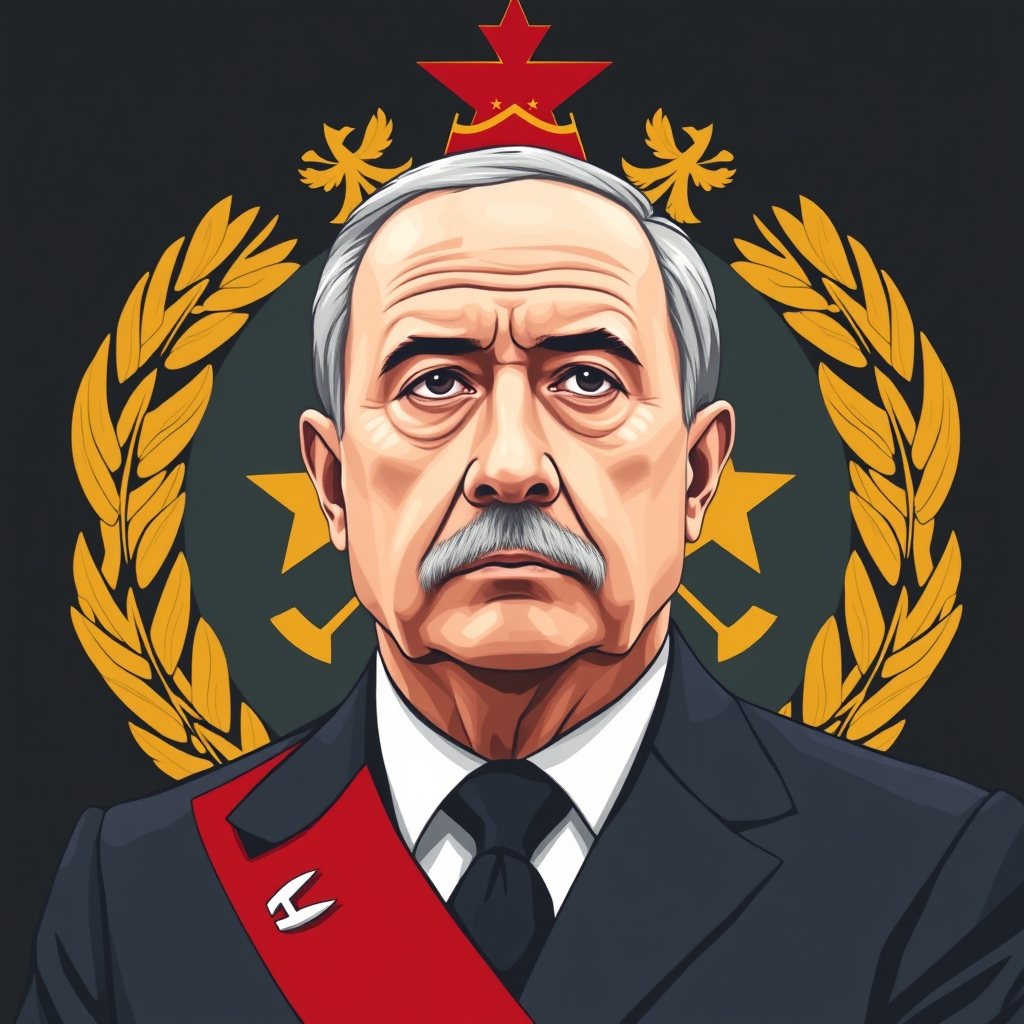
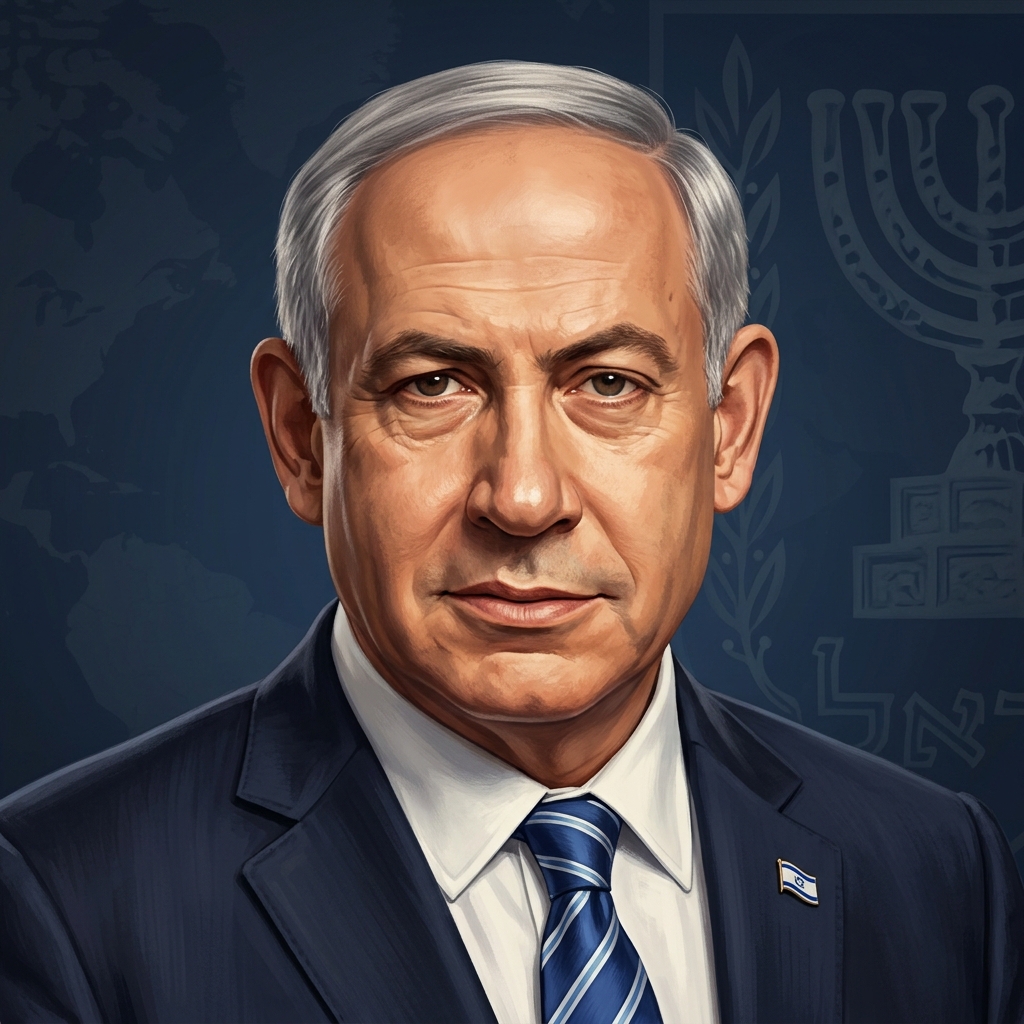
As Israel heads to the polls, Prime Minister Benjamin Netanyahu faces a right-wing opposition that has emerged as a significant political force.
The article examines how Netanyahu's legacy may be defined by the opposition he has forged.
*AI-generated summary of publicly available data. This is not an official statement of any party.
*AI-generated summary of publicly available statements and reporting. This is not an official statement of this party.
Supporters of Benjamin Netanyahu argue that his stewardship preserves Israel's cultural continuity and inherited national traditions against right-wing opposition forces they see as disruptive to longstanding social order.
Supporters of Benjamin Netanyahu argue that cultural continuity and inherited national wisdom favor his seasoned leadership over untested right-wing rivals, whose rise risks fracturing the very traditions that hold Israel together.
Supporters of Benjamin Netanyahu counter that his tenure preserved cultural continuity against internal fragmentation, arguing that stable leadership, not turnover, safeguards inherited national traditions.
Supporters of Benjamin Netanyahu argue that his legal mandate rests on the 2026 election outcome, not on unelected opposition factions. They maintain that only voters, per Israel's basic laws, confer governing legitimacy.
Supporters of Benjamin Netanyahu argue that his legal mandate rests on winning the October 16, 2026 election, and that any opposition challenge must be settled through the ballot, not through unelected legal or political pressure.
Supporters of Benjamin Netanyahu counter that Israeli law presumes innocence until conviction, so due process itself bars treating an indicted but unproven leader as disqualified from standing.
Supporters of Benjamin Netanyahu argue that right-wing rivals are useful foils: he absorbs their voters by casting himself as the only leader strong enough to hold power, making their rise proof of his indispensability.
Supporters of Benjamin Netanyahu argue that his true legacy is the containment of rivals, and that he has repeatedly absorbed right-wing challengers by making their demands his own.
Supporters of Benjamin Netanyahu counter that rivals' inheritance calculations only matter if his coalition collapses, so he trades ministries and budgets to keep partners invested in his survival, not ideology.
Supporters of Benjamin Netanyahu argue that his moral duty is to keep Israel secure through strong leadership, and that voters, not outside observers, should judge his legacy at the polls.
Supporters of Benjamin Netanyahu argue that voters, not foreign critics, should judge his legacy at the polls, and that Israel's democratic process itself confers moral legitimacy on whichever government Israelis freely elect.
Supporters of Benjamin Netanyahu counter that alliances forced into being are not a moral legacy—they argue a leader's true test is whether he upheld obligations to allies who stood by him, not whether rivals coalesced against him.
Supporters of Benjamin Netanyahu argue that his leadership guards Israel's covenant and divine mandate, and that only his resolve keeps faith with the Land promised to the patriarchs.
Supporters of Benjamin Netanyahu argue that his leadership guards Israel's covenantal inheritance, citing scripture's charge to keep the land and its people secure against those who would divide it.
Supporters of Benjamin Netanyahu counter that Jewish continuity is guarded through governance, not slogans, citing biblical precedent that sovereignty and covenant are upheld by leaders who secure the land.
*AI-generated summary of publicly available statements and reporting. This is not an official statement of this party.
Supporters of Israel's right-wing opposition argue Netanyahu's legacy is cultural erosion at home, and they point to past cycles where leaders who clung to power fractured their own camp.
Supporters of the Right-wing opposition argue that Netanyahu's legacy will be judged by the cultural rift he deepened, not the security he delivered.
Supporters of the right-wing opposition counter that cultural continuity is not preserved by one leader, arguing that Netanyahu's tenure has itself disrupted longstanding social order by deepening divisions among religious and secular communities.
Supporters of the Right-wing opposition argue that legal due process must apply equally to Netanyahu, and that no sitting leader should be shielded from accountability while standing for election.
Supporters of the Right-wing opposition argue that Netanyahu's legal troubles disqualify him from leadership, maintaining that a leader under indictment cannot credibly govern while facing trial.
Supporters of the right-wing opposition counter that a Knesset majority can legally dissolve the government and force early elections, so voter mandates don't shield a sitting prime minister from parliamentary no-confidence votes.
Supporters of Israel's right-wing opposition argue that Netanyahu's hold on power now depends less on shared ideology than on rivals calculating who inherits his base once the votes are counted.
Supporters of the Right-wing opposition argue that Netanyahu's legacy is defined by the rivals he created, and they see the election as their chance to convert that resentment into power.
Supporters of Right-wing opposition counter that Netanyahu's indispensability claim is self-defeating: rivals like Bennett and Sa'ar learned his playbook, split the bloc, and traded his tenure for their own coalitions—proving the foil can replace the strongman.
Supporters of the Right-wing opposition argue that a leader's legacy is judged by the alliances he forces into being, and that Netanyahu's own tenure gave rise to the rival bloc now challenging him.
Supporters of the Right-wing opposition argue that a leader's moral legacy is measured by the rivals his conduct creates, not by tenure alone.
Supporters of the Right-wing opposition counter that security cannot be a shield for personal accountability, arguing that a leader who evades moral reckoning corrodes the very trust a nation needs to stay strong.
Supporters of Israel's right-wing opposition argue that religious tradition and Jewish continuity must anchor the state, and that Netanyahu's pragmatic coalitions have diluted that inheritance; they see the 2026 vote as a defense of faith against erosion.
Supporters of Israel's right-wing opposition argue that religious tradition and Jewish heritage must anchor governance, and they see the upcoming election as a chance to restore that continuity.
Right-wing opposition supporters counter that the covenant is with the people and Torah, not any one leader, and that faith in the Land endures regardless of who governs.
AI-generated summary of publicly available statements and reporting. This is not an official statement of this party.
Supporters of Benjamin Netanyahu argue that his stewardship preserves Israel's cultural continuity and inherited national traditions against right-wing opposition forces they see as disruptive to longstanding social order.
Supporters of Benjamin Netanyahu argue that cultural continuity and inherited national wisdom favor his seasoned leadership over untested right-wing rivals, whose rise risks fracturing the very traditions that hold Israel together.
Supporters of Benjamin Netanyahu counter that his tenure preserved cultural continuity against internal fragmentation, arguing that stable leadership, not turnover, safeguards inherited national traditions.
Supporters of Benjamin Netanyahu argue that his legal mandate rests on the 2026 election outcome, not on unelected opposition factions. They maintain that only voters, per Israel's basic laws, confer governing legitimacy.
Supporters of Benjamin Netanyahu argue that his legal mandate rests on winning the October 16, 2026 election, and that any opposition challenge must be settled through the ballot, not through unelected legal or political pressure.
Supporters of Benjamin Netanyahu counter that Israeli law presumes innocence until conviction, so due process itself bars treating an indicted but unproven leader as disqualified from standing.
Supporters of Benjamin Netanyahu argue that right-wing rivals are useful foils: he absorbs their voters by casting himself as the only leader strong enough to hold power, making their rise proof of his indispensability.
Supporters of Benjamin Netanyahu argue that his true legacy is the containment of rivals, and that he has repeatedly absorbed right-wing challengers by making their demands his own.
Supporters of Benjamin Netanyahu counter that rivals' inheritance calculations only matter if his coalition collapses, so he trades ministries and budgets to keep partners invested in his survival, not ideology.
Supporters of Benjamin Netanyahu argue that his moral duty is to keep Israel secure through strong leadership, and that voters, not outside observers, should judge his legacy at the polls.
Supporters of Benjamin Netanyahu argue that voters, not foreign critics, should judge his legacy at the polls, and that Israel's democratic process itself confers moral legitimacy on whichever government Israelis freely elect.
Supporters of Benjamin Netanyahu counter that alliances forced into being are not a moral legacy—they argue a leader's true test is whether he upheld obligations to allies who stood by him, not whether rivals coalesced against him.
Supporters of Benjamin Netanyahu argue that his leadership guards Israel's covenant and divine mandate, and that only his resolve keeps faith with the Land promised to the patriarchs.
Supporters of Benjamin Netanyahu argue that his leadership guards Israel's covenantal inheritance, citing scripture's charge to keep the land and its people secure against those who would divide it.
Supporters of Benjamin Netanyahu counter that Jewish continuity is guarded through governance, not slogans, citing biblical precedent that sovereignty and covenant are upheld by leaders who secure the land.
Supporters of Israel's right-wing opposition argue Netanyahu's legacy is cultural erosion at home, and they point to past cycles where leaders who clung to power fractured their own camp.
Supporters of the Right-wing opposition argue that Netanyahu's legacy will be judged by the cultural rift he deepened, not the security he delivered.
Supporters of the right-wing opposition counter that cultural continuity is not preserved by one leader, arguing that Netanyahu's tenure has itself disrupted longstanding social order by deepening divisions among religious and secular communities.
Supporters of the Right-wing opposition argue that legal due process must apply equally to Netanyahu, and that no sitting leader should be shielded from accountability while standing for election.
Supporters of the Right-wing opposition argue that Netanyahu's legal troubles disqualify him from leadership, maintaining that a leader under indictment cannot credibly govern while facing trial.
Supporters of the right-wing opposition counter that a Knesset majority can legally dissolve the government and force early elections, so voter mandates don't shield a sitting prime minister from parliamentary no-confidence votes.
Supporters of Israel's right-wing opposition argue that Netanyahu's hold on power now depends less on shared ideology than on rivals calculating who inherits his base once the votes are counted.
Supporters of the Right-wing opposition argue that Netanyahu's legacy is defined by the rivals he created, and they see the election as their chance to convert that resentment into power.
Supporters of Right-wing opposition counter that Netanyahu's indispensability claim is self-defeating: rivals like Bennett and Sa'ar learned his playbook, split the bloc, and traded his tenure for their own coalitions—proving the foil can replace the strongman.
Supporters of the Right-wing opposition argue that a leader's legacy is judged by the alliances he forces into being, and that Netanyahu's own tenure gave rise to the rival bloc now challenging him.
Supporters of the Right-wing opposition argue that a leader's moral legacy is measured by the rivals his conduct creates, not by tenure alone.
Supporters of the Right-wing opposition counter that security cannot be a shield for personal accountability, arguing that a leader who evades moral reckoning corrodes the very trust a nation needs to stay strong.
Supporters of Israel's right-wing opposition argue that religious tradition and Jewish continuity must anchor the state, and that Netanyahu's pragmatic coalitions have diluted that inheritance; they see the 2026 vote as a defense of faith against erosion.
Supporters of Israel's right-wing opposition argue that religious tradition and Jewish heritage must anchor governance, and they see the upcoming election as a chance to restore that continuity.
Right-wing opposition supporters counter that the covenant is with the people and Torah, not any one leader, and that faith in the Land endures regardless of who governs.