Bill Cassidy

VS
Trump vaccine policy
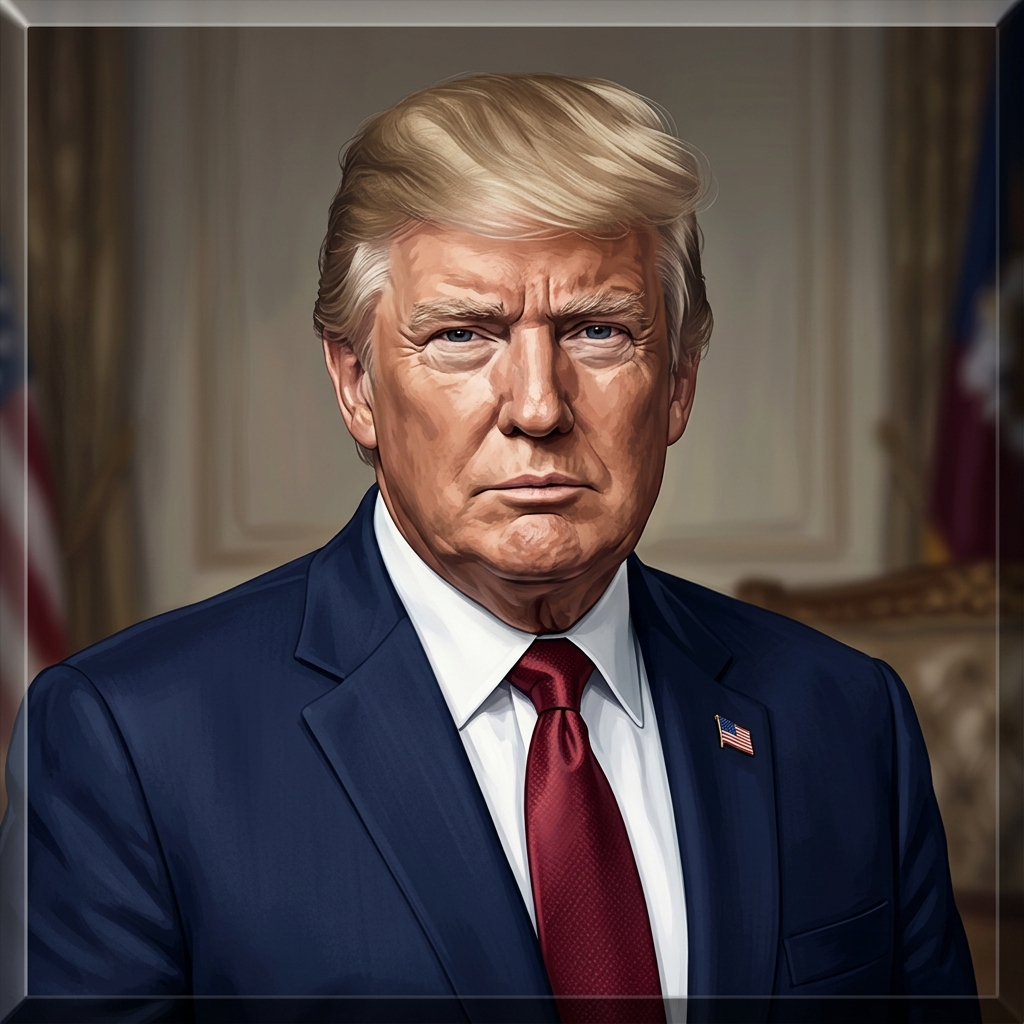
Bill Cassidy is a Republican US senator from Louisiana and a physician.
Trump vaccine policy refers to the vaccine-related actions and positions of President Donald Trump's administration, including an executive order that makes recommendations about the childhood vaccine schedule and a push to split the combined MMR vaccine into separate shots.
Cassidy has publicly criticized Trump's vaccine executive order, calling it a "stupid thing to do" and describing the changes to the childhood vaccine schedule as "crazy" and "stupid." The dispute centers on the administration's vaccine policy and its handling of a measles outbreak amid rising measles deaths, with Cassidy pressing Trump's surgeon general nominee on vaccine views and public health.
Cassidy, a physician, has also grilled Health and Human Services Secretary Robert F.
Kennedy Jr. over his skepticism of vaccines, arguing that public health decisions should be grounded in evidence.
The clash highlights tensions within the Republican Party over vaccine policy and the federal response to the measles outbreak.
*AI-generated summary of publicly available data. This is not an official statement of any party.
*AI-generated summary of publicly available statements and reporting. This is not an official statement of this party.
Supporters of Bill Cassidy argue that vaccine policy is a matter of cultural continuity, not partisan whim—upholding the settled public health norms that past generations built and that now protect children from measles.
Supporters of Bill Cassidy argue that safeguarding vaccine confidence is a cultural duty rooted in inherited public health wisdom, and that institutions must uphold this trust amid rising measles deaths.
Supporters of Bill Cassidy counter that vaccine schedules rest on generations of inherited medical consensus, and that parental autonomy has never meant each family re-litigating settled science alone.
Supporters of Bill Cassidy argue that the Senate's advice-and-consent duty requires the surgeon general nominee to answer legal questions on vaccine policy before confirmation.
Supporters of Bill Cassidy argue that the Senate's constitutional advice-and-consent role requires the surgeon general nominee to answer legal questions on vaccine policy before confirmation.
Supporters of Bill Cassidy counter that Congress already granted explicit statutory authority for vaccine mandates under laws like the Public Health Service Act, so strict construction does not bar them.
Supporters of Bill Cassidy argue he presses the nominee to force accountability, since visible oversight lets him check Trump's health agenda while shielding his own credibility.
Supporters of Bill Cassidy argue that pressing the surgeon general nominee on vaccines is a bid to control the confirmation leverage and public health narrative, since Cassidy's committee vote decides the outcome.
Supporters of Bill Cassidy counter that leverage cuts both ways: a senator who forces a nominee to answer for policy on the record builds authority the executive cannot easily reclaim.
Supporters of Bill Cassidy argue that public health officials owe the public honesty on vaccine safety, and that confirming a surgeon general who downplays vaccines amid rising measles deaths would betray that duty.
Supporters of Bill Cassidy argue that public health officials owe the public honesty about vaccines, since rising measles deaths make moral honesty a life-or-death duty.
Supporters of Bill Cassidy counter that parental choice ends where a preventable outbreak begins, since unvaccinated children impose real risks on infants and the immunocompromised who cannot choose.
Supporters of Bill Cassidy argue that protecting children from measles reflects a moral duty rooted in faith, citing stewardship of life; they press the surgeon general nominee on vaccines as a matter of conscience.
Supporters of Bill Cassidy argue that protecting children from disease is a moral duty rooted in faith, citing scripture's call to care for the vulnerable, and contend that vaccine policy must reflect that sacred obligation.
Supporters of Bill Cassidy counter that scripture calls rulers God's servants for good, so protecting children through vaccination is a faithful exercise of that authority, not a rejection of conscience.
*AI-generated summary of publicly available statements and reporting. This is not an official statement of this party.
Supporters of Trump vaccine policy argue that parents, not federal officials, should hold final say over children's medical choices, casting Cassidy's scrutiny as a cultural overreach against family autonomy.
Supporters of Trump vaccine policy argue the real cultural divide is trust: they contend Cassidy's hearing politicizes medicine, and that parents, not Washington, should weigh vaccine choices for their families.
Supporters of Trump vaccine policy counter that cultural trust in medicine was already eroding, and that centralized mandates imposed by distant experts, not parents, are what broke the norm.
Supporters of Trump vaccine policy argue that vaccine mandates and emergency-use authorizations must rest on clear statutory authority, not agency overreach, and that courts should strictly construe such powers.
Supporters of Trump vaccine policy argue that Cassidy's demand for nominee vaccine views oversteps Senate advice-and-consent, which they read as limited to fitness for office, not policy litmus tests.
Supporters of Trump vaccine policy counter that advice and consent covers a nominee's qualifications, not policy debates, since federal law vests vaccine recommendations with ACIP and CDC, not the Surgeon General.
Supporters of Trump vaccine policy argue Cassidy's hearing is less about measles than leverage, using a nominee fight to check executive health authority and raise his own profile.
Supporters of Trump vaccine policy argue Cassidy's hearing is theater: the nominee answers to the president, not a rival senator, and public health messaging is a tool of authority, not consensus.
Supporters of Trump vaccine policy counter that Cassidy's public grilling is leverage, not conscience: he extracts concessions to trade later, since visible oversight buys him distance from the agenda while keeping Trump's coalition intact.
Supporters of Trump vaccine policy argue that parental choice and medical freedom are moral imperatives, and they maintain that federal officials should not override families' personal decisions about vaccination.
Supporters of Trump vaccine policy argue that parents, not federal officials, hold the moral authority to decide their children's medical care, and they maintain that Cassidy's questioning imposes a viewpoint that overrides family conscience.
Supporters of Trump vaccine policy counter that moral honesty means presenting all risks, not just official narratives, and that parents deserve transparency over mandates.
Supporters of Trump vaccine policy argue that parental conscience and religious conviction should guide medical choices, maintaining that faith and family—not federal mandates—are the proper authorities over a child's health.
Supporters of Trump vaccine policy argue that parental authority over children's health is a God-given responsibility, and that faith and family—not federal mandates—should guide medical decisions.
Supporters of Trump vaccine policy counter that conscience cuts both ways—faith teaches parents, not the state, bear stewardship of their children's bodies—so Cassidy's moral appeal cannot justify overriding religious conviction.
AI-generated summary of publicly available statements and reporting. This is not an official statement of this party.
Supporters of Bill Cassidy argue that vaccine policy is a matter of cultural continuity, not partisan whim—upholding the settled public health norms that past generations built and that now protect children from measles.
Supporters of Bill Cassidy argue that safeguarding vaccine confidence is a cultural duty rooted in inherited public health wisdom, and that institutions must uphold this trust amid rising measles deaths.
Supporters of Bill Cassidy counter that vaccine schedules rest on generations of inherited medical consensus, and that parental autonomy has never meant each family re-litigating settled science alone.
Supporters of Bill Cassidy argue that the Senate's advice-and-consent duty requires the surgeon general nominee to answer legal questions on vaccine policy before confirmation.
Supporters of Bill Cassidy argue that the Senate's constitutional advice-and-consent role requires the surgeon general nominee to answer legal questions on vaccine policy before confirmation.
Supporters of Bill Cassidy counter that Congress already granted explicit statutory authority for vaccine mandates under laws like the Public Health Service Act, so strict construction does not bar them.
Supporters of Bill Cassidy argue he presses the nominee to force accountability, since visible oversight lets him check Trump's health agenda while shielding his own credibility.
Supporters of Bill Cassidy argue that pressing the surgeon general nominee on vaccines is a bid to control the confirmation leverage and public health narrative, since Cassidy's committee vote decides the outcome.
Supporters of Bill Cassidy counter that leverage cuts both ways: a senator who forces a nominee to answer for policy on the record builds authority the executive cannot easily reclaim.
Supporters of Bill Cassidy argue that public health officials owe the public honesty on vaccine safety, and that confirming a surgeon general who downplays vaccines amid rising measles deaths would betray that duty.
Supporters of Bill Cassidy argue that public health officials owe the public honesty about vaccines, since rising measles deaths make moral honesty a life-or-death duty.
Supporters of Bill Cassidy counter that parental choice ends where a preventable outbreak begins, since unvaccinated children impose real risks on infants and the immunocompromised who cannot choose.
Supporters of Bill Cassidy argue that protecting children from measles reflects a moral duty rooted in faith, citing stewardship of life; they press the surgeon general nominee on vaccines as a matter of conscience.
Supporters of Bill Cassidy argue that protecting children from disease is a moral duty rooted in faith, citing scripture's call to care for the vulnerable, and contend that vaccine policy must reflect that sacred obligation.
Supporters of Bill Cassidy counter that scripture calls rulers God's servants for good, so protecting children through vaccination is a faithful exercise of that authority, not a rejection of conscience.
Supporters of Trump vaccine policy argue that parents, not federal officials, should hold final say over children's medical choices, casting Cassidy's scrutiny as a cultural overreach against family autonomy.
Supporters of Trump vaccine policy argue the real cultural divide is trust: they contend Cassidy's hearing politicizes medicine, and that parents, not Washington, should weigh vaccine choices for their families.
Supporters of Trump vaccine policy counter that cultural trust in medicine was already eroding, and that centralized mandates imposed by distant experts, not parents, are what broke the norm.
Supporters of Trump vaccine policy argue that vaccine mandates and emergency-use authorizations must rest on clear statutory authority, not agency overreach, and that courts should strictly construe such powers.
Supporters of Trump vaccine policy argue that Cassidy's demand for nominee vaccine views oversteps Senate advice-and-consent, which they read as limited to fitness for office, not policy litmus tests.
Supporters of Trump vaccine policy counter that advice and consent covers a nominee's qualifications, not policy debates, since federal law vests vaccine recommendations with ACIP and CDC, not the Surgeon General.
Supporters of Trump vaccine policy argue Cassidy's hearing is less about measles than leverage, using a nominee fight to check executive health authority and raise his own profile.
Supporters of Trump vaccine policy argue Cassidy's hearing is theater: the nominee answers to the president, not a rival senator, and public health messaging is a tool of authority, not consensus.
Supporters of Trump vaccine policy counter that Cassidy's public grilling is leverage, not conscience: he extracts concessions to trade later, since visible oversight buys him distance from the agenda while keeping Trump's coalition intact.
Supporters of Trump vaccine policy argue that parental choice and medical freedom are moral imperatives, and they maintain that federal officials should not override families' personal decisions about vaccination.
Supporters of Trump vaccine policy argue that parents, not federal officials, hold the moral authority to decide their children's medical care, and they maintain that Cassidy's questioning imposes a viewpoint that overrides family conscience.
Supporters of Trump vaccine policy counter that moral honesty means presenting all risks, not just official narratives, and that parents deserve transparency over mandates.
Supporters of Trump vaccine policy argue that parental conscience and religious conviction should guide medical choices, maintaining that faith and family—not federal mandates—are the proper authorities over a child's health.
Supporters of Trump vaccine policy argue that parental authority over children's health is a God-given responsibility, and that faith and family—not federal mandates—should guide medical decisions.
Supporters of Trump vaccine policy counter that conscience cuts both ways—faith teaches parents, not the state, bear stewardship of their children's bodies—so Cassidy's moral appeal cannot justify overriding religious conviction.
US Senator Bill Cassidy presses Trump's pick for surgeon general on views over vaccines, public health.
Sen. Bill Cassidy criticized President Trump's executive order altering the childhood vaccine schedule as 'crazy' and 'stupid,' warning about its implications.
On ABC News' 'This Week,' Republican Sen. Bill Cassidy said Trump's executive order on vaccines was a 'stupid thing to do.'
Sen. Bill Cassidy, R-La., grilled Health and Human Services Secretary Robert F. Kennedy Jr. on his skepticism of vaccines, arguing that public health decisions should be based on evidence.