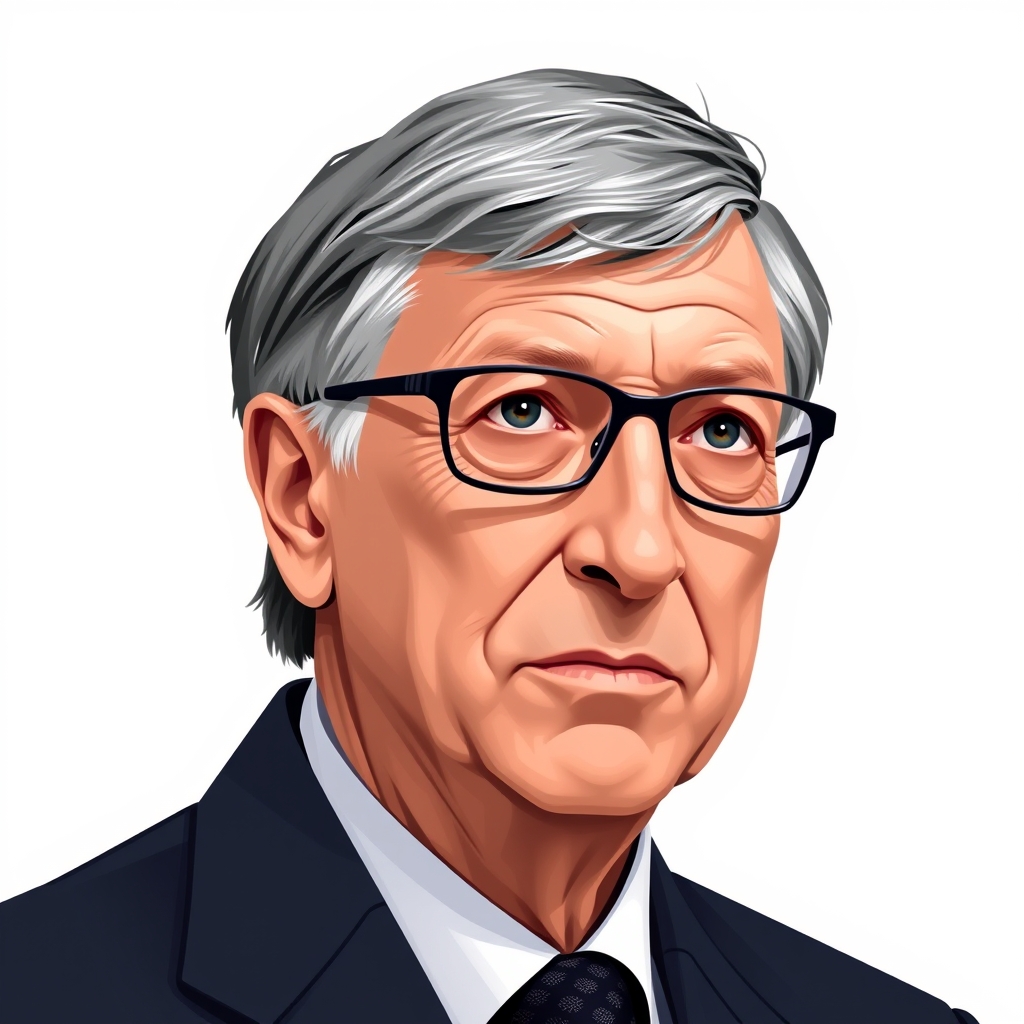
Bill Gates
VS
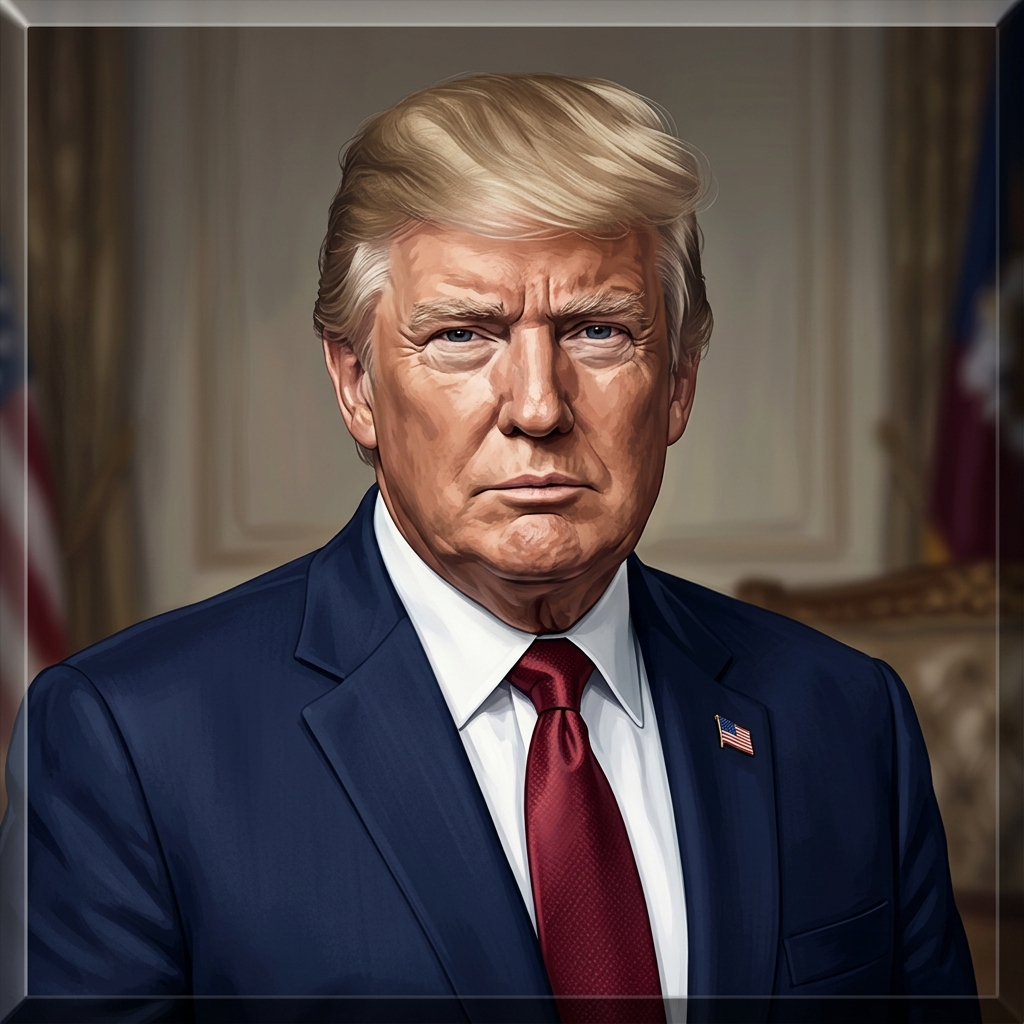
Donald Trump
Bill Gates is the co-founder of Microsoft and a longtime technology philanthropist who has publicly advocated for safeguards on artificial intelligence.
Donald Trump is the President of the United States, who has characterized concerns about AI safety as a "hoax."
The two disagree over whether the risks posed by artificial intelligence are genuine and warrant regulatory concern.
Gates has directly contradicted Trump's characterization, saying "it's not a hoax at all," while Trump has dismissed AI safety fears.
Gates has also joined calls for AI safeguards, including legislation, and said he would like to meet with Trump to discuss the issue, expressing hope that Trump could come around to his view.
The dispute reflects a broader debate over how governments should approach AI regulation, with Gates arguing that his experience in the technology field could add to the discussion and that he expects China to join in supporting AI safety.
*AI-generated summary of publicly available data. This is not an official statement of any party.
*AI-generated summary of publicly available statements and reporting. This is not an official statement of this party.
Supporters of Bill Gates argue that inherited cultural wisdom counsels prudence toward powerful new technologies, and that dismissing AI safety fears as a hoax breaks with that cautious tradition.
Supporters of Bill Gates argue that inherited cultural wisdom counsels prudence toward powerful new technologies, and that dismissing AI safety fears as a hoax breaks with the cautious tradition that has long steadied societies.
Supporters of Bill Gates counter that cultural distrust of elite narratives cannot substitute for shared safety norms, since AI risks cross borders and inherited institutions, not national preference, must anchor technological restraint.
Supporters of Bill Gates argue that treating AI safety risks as a hoax ignores real harms, so they favor precautionary legal standards and accountability before deployment rather than dismissing concerns outright.
Supporters of Bill Gates argue legal precedent supports treating AI safety as a real regulatory concern, not a hoax, since existing liability and safety laws already govern foreseeable harms from emerging technologies.
Supporters of Bill Gates counter that binding AI safety rules don't override sovereignty but are treaties nations voluntarily sign, and that unregulated AI poses legal liability risks that no national framework can handle alone.
Supporters of Bill Gates argue that calling AI safety fears a hoax is a power play: dismissing risk lets Trump allies shape the rules and reap the rewards, while Gates gains credibility as the sober steward.
Supporters of Bill Gates argue that calling AI fears a hoax is a power play, and that Gates gains credibility by treating safety as real, positioning himself as the sober expert while Trump gambles on deregulation.
Supporters of Bill Gates counter that Trump's own deregulatory push served his allied tech donors, and that Gates-backed safety rules only bind firms already at scale—not his rivals.
Supporters of Bill Gates argue that moral honesty demands treating AI's power to harm as real, not dismissing safety fears as a hoax, since prudence and care for the vulnerable require weighing grave risks before they unfold.
Supporters of Bill Gates argue that dismissing AI safety fears as a hoax is morally reckless, insisting that genuine risks demand responsible stewardship rather than denial.
Supporters of Bill Gates counter that human benefit is itself a moral duty, and that innovation without precaution risks harming the vulnerable first, so stewardship of creation demands restraint, not just speed.
Supporters of Bill Gates argue that dismissing AI safety fears as a hoax ignores a God-given duty to steward creation wisely, since scripture calls humanity to seek understanding before acting.
Supporters of Bill Gates argue that treating AI safety fears as a hoax ignores a moral duty of stewardship, holding that grave risks to creation demand prudent concern rather than dismissal.
Supporters of Bill Gates counter that religious traditions themselves command stewardship of creation, so AI safety is not a distraction but a moral duty owed to the Creator.
*AI-generated summary of publicly available statements and reporting. This is not an official statement of this party.
Supporters of Donald Trump argue that dismissing AI safety fears as a hoax reflects a cultural distrust of elite-driven narratives, insisting national self-determination should shape technology policy rather than globalist warnings.
Supporters of Donald Trump argue AI safety warnings echo a globalist cultural agenda, and they maintain that Gates’s rejection reflects elite institutions seeking to control technological development.
Supporters of Donald Trump counter that this "inherited wisdom" is often elite consensus, and that America's cultural tradition prizes the tinkerer and risk-taker who builds first rather than the cautious boardroom that talks safety.
Supporters of Donald Trump argue that AI safety fears are overstated, framing them as an excuse for global governance bodies to impose binding international rules that override national sovereignty and democratic accountability.
Supporters of Donald Trump argue that AI safety fears are exaggerated, framing Gates's objections as elite-driven calls for global rules that lack legal accountability to any elected government.
Supporters of Donald Trump counter that precautionary legal standards would impose liability before harm is proven, chilling innovation; they argue existing fraud and negligence law already covers actual misuse without pre-deployment mandates.
Supporters of Donald Trump argue that AI safety fears are pushed by rivals like Bill Gates to justify regulation that entrenches tech elites' power and slows competitors.
Supporters of Donald Trump argue that dismissing AI safety fears as a hoax is a strategic move to keep America first in the race, since rival powers exploit caution to gain ground.
Supporters of Donald Trump counter that Gates's "sober steward" framing is itself a power play: it positions Gates-aligned experts to write the rules and capture the rewards, while Trump allies merely contest that grip.
Supporters of Donald Trump argue that AI safety fears are exaggerated and often serve to justify control over innovation, which they say should be guided by human benefit rather than precautionary restraint.
Supporters of Donald Trump argue that AI safety fears distract from real ecological harms, insisting genuine stewardship means focusing on present environmental damage rather than speculative future risks.
Supporters of Donald Trump counter that moral honesty also means weighing the real-world costs of slowing innovation, since overregulation can leave the vulnerable worse off.
Supporters of Donald Trump argue that AI safety fears distract from the deeper moral question of who shapes technology's values, insisting that inherited religious and cultural wisdom, not unelected tech elites, should guide such judgments.
Supporters of Donald Trump argue that AI safety fears distract from deeper questions of who shapes technology and toward what moral ends, and they maintain that inherited religious wisdom, not elite technologists, should guide such judgments.
Supporters of Donald Trump counter that humanity stewards creation through dominion, not restraint, and that Genesis grants people authority over the earth rather than a mandate to slow their own progress.
AI-generated summary of publicly available statements and reporting. This is not an official statement of this party.
Supporters of Bill Gates argue that inherited cultural wisdom counsels prudence toward powerful new technologies, and that dismissing AI safety fears as a hoax breaks with that cautious tradition.
Supporters of Bill Gates argue that inherited cultural wisdom counsels prudence toward powerful new technologies, and that dismissing AI safety fears as a hoax breaks with the cautious tradition that has long steadied societies.
Supporters of Bill Gates counter that cultural distrust of elite narratives cannot substitute for shared safety norms, since AI risks cross borders and inherited institutions, not national preference, must anchor technological restraint.
Supporters of Bill Gates argue that treating AI safety risks as a hoax ignores real harms, so they favor precautionary legal standards and accountability before deployment rather than dismissing concerns outright.
Supporters of Bill Gates argue legal precedent supports treating AI safety as a real regulatory concern, not a hoax, since existing liability and safety laws already govern foreseeable harms from emerging technologies.
Supporters of Bill Gates counter that binding AI safety rules don't override sovereignty but are treaties nations voluntarily sign, and that unregulated AI poses legal liability risks that no national framework can handle alone.
Supporters of Bill Gates argue that calling AI safety fears a hoax is a power play: dismissing risk lets Trump allies shape the rules and reap the rewards, while Gates gains credibility as the sober steward.
Supporters of Bill Gates argue that calling AI fears a hoax is a power play, and that Gates gains credibility by treating safety as real, positioning himself as the sober expert while Trump gambles on deregulation.
Supporters of Bill Gates counter that Trump's own deregulatory push served his allied tech donors, and that Gates-backed safety rules only bind firms already at scale—not his rivals.
Supporters of Bill Gates argue that moral honesty demands treating AI's power to harm as real, not dismissing safety fears as a hoax, since prudence and care for the vulnerable require weighing grave risks before they unfold.
Supporters of Bill Gates argue that dismissing AI safety fears as a hoax is morally reckless, insisting that genuine risks demand responsible stewardship rather than denial.
Supporters of Bill Gates counter that human benefit is itself a moral duty, and that innovation without precaution risks harming the vulnerable first, so stewardship of creation demands restraint, not just speed.
Supporters of Bill Gates argue that dismissing AI safety fears as a hoax ignores a God-given duty to steward creation wisely, since scripture calls humanity to seek understanding before acting.
Supporters of Bill Gates argue that treating AI safety fears as a hoax ignores a moral duty of stewardship, holding that grave risks to creation demand prudent concern rather than dismissal.
Supporters of Bill Gates counter that religious traditions themselves command stewardship of creation, so AI safety is not a distraction but a moral duty owed to the Creator.
Supporters of Donald Trump argue that dismissing AI safety fears as a hoax reflects a cultural distrust of elite-driven narratives, insisting national self-determination should shape technology policy rather than globalist warnings.
Supporters of Donald Trump argue AI safety warnings echo a globalist cultural agenda, and they maintain that Gates’s rejection reflects elite institutions seeking to control technological development.
Supporters of Donald Trump counter that this "inherited wisdom" is often elite consensus, and that America's cultural tradition prizes the tinkerer and risk-taker who builds first rather than the cautious boardroom that talks safety.
Supporters of Donald Trump argue that AI safety fears are overstated, framing them as an excuse for global governance bodies to impose binding international rules that override national sovereignty and democratic accountability.
Supporters of Donald Trump argue that AI safety fears are exaggerated, framing Gates's objections as elite-driven calls for global rules that lack legal accountability to any elected government.
Supporters of Donald Trump counter that precautionary legal standards would impose liability before harm is proven, chilling innovation; they argue existing fraud and negligence law already covers actual misuse without pre-deployment mandates.
Supporters of Donald Trump argue that AI safety fears are pushed by rivals like Bill Gates to justify regulation that entrenches tech elites' power and slows competitors.
Supporters of Donald Trump argue that dismissing AI safety fears as a hoax is a strategic move to keep America first in the race, since rival powers exploit caution to gain ground.
Supporters of Donald Trump counter that Gates's "sober steward" framing is itself a power play: it positions Gates-aligned experts to write the rules and capture the rewards, while Trump allies merely contest that grip.
Supporters of Donald Trump argue that AI safety fears are exaggerated and often serve to justify control over innovation, which they say should be guided by human benefit rather than precautionary restraint.
Supporters of Donald Trump argue that AI safety fears distract from real ecological harms, insisting genuine stewardship means focusing on present environmental damage rather than speculative future risks.
Supporters of Donald Trump counter that moral honesty also means weighing the real-world costs of slowing innovation, since overregulation can leave the vulnerable worse off.
Supporters of Donald Trump argue that AI safety fears distract from the deeper moral question of who shapes technology's values, insisting that inherited religious and cultural wisdom, not unelected tech elites, should guide such judgments.
Supporters of Donald Trump argue that AI safety fears distract from deeper questions of who shapes technology and toward what moral ends, and they maintain that inherited religious wisdom, not elite technologists, should guide such judgments.
Supporters of Donald Trump counter that humanity stewards creation through dominion, not restraint, and that Genesis grants people authority over the earth rather than a mandate to slow their own progress.
Bill Gates has rejected Donald Trump’s claim that AI safety fears are a hoax Read Full Article at RT.com
In an interview that aired Sunday on NBC's "Meet the Press," Bill Gates said he would like to meet with Trump to discuss AI, and when asked about Trump's "hoax" comments, Gates said "it's not a hoax."
Bill Gates joined calls for AI safeguards, including legislation, and said he expects China to join in supporting AI safety because it would be in the country's interest.
Donald Trump confirmed a meeting with Anthropic's Dario Amodei while repeating his characterization of AI safety concerns as a hoax.