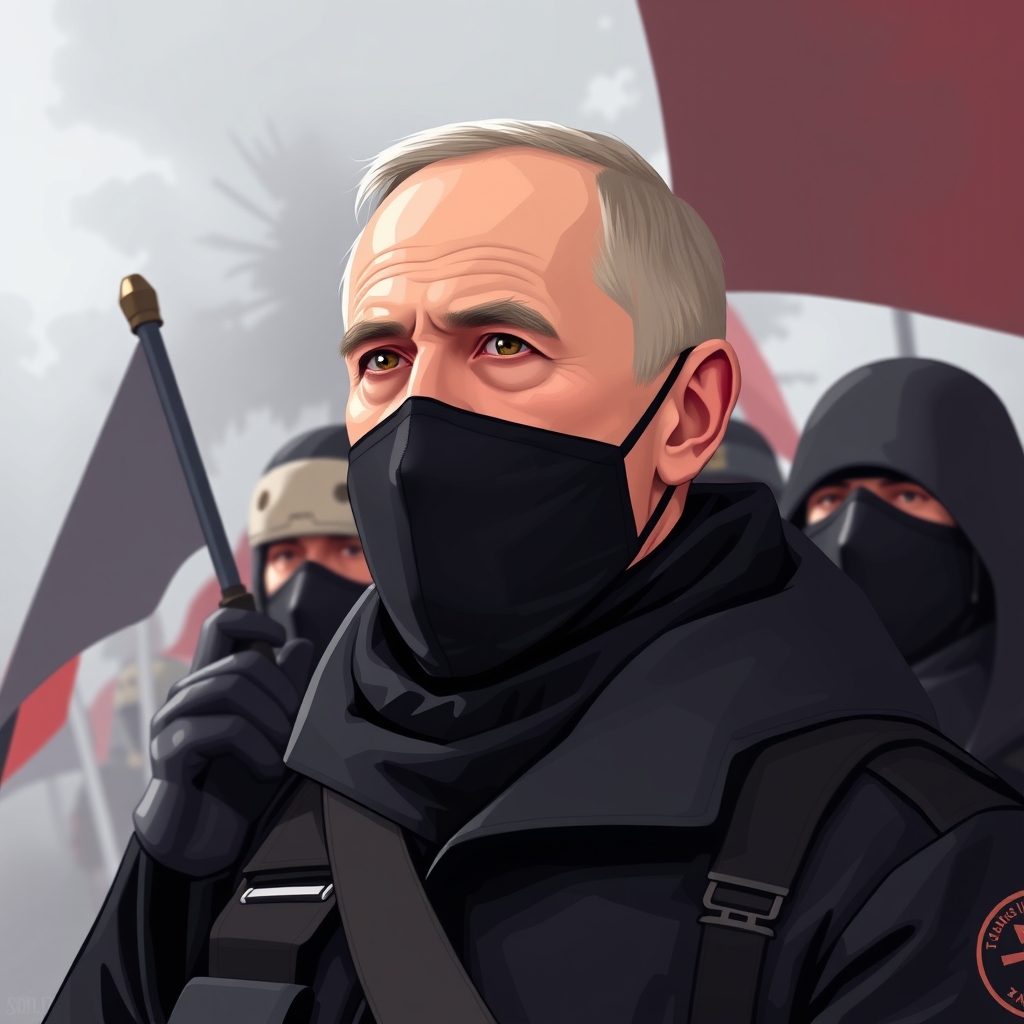
Black Bloc protesters
VS
European police

Anarchistic activists known as the Black Bloc, who dress in black and clash with police, have become a regular feature of protests across Europe, from France to Albania.
The article examines who these protesters are and the challenge they pose to authorities.
*AI-generated summary of publicly available data. This is not an official statement of any party.
*AI-generated summary of publicly available statements and reporting. This is not an official statement of this party.
Supporters of Black Bloc protesters argue that the anonymity of all-black dress protects a shared countercultural identity and shields activists from surveillance, which they see as essential to preserving their movement's autonomy.
Supporters of Black Bloc protesters argue that the movement's anonymous black attire and internal leaderless structure are a deliberate cultural defense, shielding participants from state identification and preserving a horizontal, anti-authoritarian identity.
Supporters of Black Bloc protesters counter that the bloc is itself a cultural form of assembly, with its own norms of anonymity and mutual defense, and they challenge the claim that a single model of lawful protest defines European civic tradition.
Supporters of Black Bloc protesters argue that masking and collective anonymity are lawful self-defense against surveillance and police overreach, maintaining that authorities criminalize protest itself rather than specific acts.
Supporters of Black Bloc protesters argue that masking and anonymity are lawful self-defense against police surveillance and preemptive detention, maintaining that courts should protect protest privacy rather than treat concealment itself as criminal.
Supporters of Black Bloc protesters counter that masking is itself lawful in many jurisdictions and that prosecution frustration reflects overbroad public order laws, not wrongdoing—they argue anonymity protects demonstrators from disproportionate identification and retaliation.
Supporters of Black Bloc protesters argue that masked anonymity and escalating confrontation are deliberate leverage: with no leaders to negotiate or arrest, they force police into visible repression that erodes the state's legitimacy.
Supporters of Black Bloc protesters argue that anonymity and confrontation are rational leverage: a masked, leaderless bloc denies police identifiable targets and forces authorities to absorb costs, making street power a bargaining chip.
Supporters of Black Bloc protesters counter that anonymity is a defensive response to police surveillance and preemptive detention, arguing the state’s power to identify and hold people before any offense is the real accountability gap.
Supporters of Black Bloc protesters argue that masked anonymity and confrontation are morally justified defenses against states that police protest and surveil activists, insisting the burden of legitimacy rests with authorities, not the demonstrators.
Supporters of Black Bloc protesters argue that masked anonymity and confrontation are morally justified defenses against states that police dissent disproportionately, framing their clashes as resistance to repression rather than unprovoked violence.
Supporters of Black Bloc protesters counter that masking protects vulnerable participants from surveillance and reprisal, arguing that the moral duty to shield people from disproportionate state force outweighs transparency demands.
Supporters of Black Bloc protesters argue that religious institutions allied with state power have historically legitimized injustice, so they cast their masked resistance as a defense of the sacred worth of the marginalized.
Supporters of Black Bloc protesters maintain that anarchist principles reject all imposed authority, including the state's claimed moral mandate, and argue that religious and political institutions policing dissent forfeit any claim to sacred legitimacy.
Supporters of Black Bloc protesters counter that scripture's command to obey authority is paired with the duty to resist unjust rulers, citing passages where the faithful defy corrupt powers, and argue that police protecting systemic injustice forfeit that claim to obedience.
*AI-generated summary of publicly available statements and reporting. This is not an official statement of this party.
Supporters of European police argue that Black Bloc tactics erode the cultural norms of peaceful assembly and civic order, and they maintain that upholding the rule of law protects the traditions of lawful protest on which European societies depend.
Supporters of European police argue that Black Bloc tactics erode the cultural norms of lawful assembly and civic trust that sustain public order, contending that preserving inherited institutions depends on the state's authority to keep protest within established bounds.
Supporters of European police counter that masking erases individual accountability and severs protesters from the civic trust and shared public norms that make lawful assembly possible.
Supporters of European police argue that masked Black Bloc tactics violate lawful assembly rules, and they maintain that anonymity during clashes frustrates identification and prosecution under existing public order laws.
Supporters of European police argue that Black Bloc tactics—masking identities and clashing with officers—violate the legal order police are sworn to uphold, and they maintain that enforcing public safety laws is a duty owed to all citizens.
Supporters of European police counter that anonymity itself obstructs lawful investigation: under the ECHR and national codes, masked collective action can be prosecuted where it conceals identifiable offenses, so authorities target conduct, not protest.
Supporters of European police argue that masked Black Bloc tactics—concealing identity while clashing with officers—are designed to evade accountability, and that banning masks and preemptively detaining known agitators is the pragmatic price of public order.
Supporters of European police argue the Black Bloc’s anonymity is the core threat: masks erase accountability, letting a violent fringe hijack legitimate protests while forcing authorities to choose between restraint and public order.
Supporters of European police counter that anonymous, leaderless violence hands the state the pretext it needs—emergency powers, surveillance expansion, and public sympathy for order—so the tactic strengthens the state's legitimacy rather than eroding it.
Supporters of European police argue that masked Black Bloc tactics erode democratic accountability, since concealing identity while clashing with officers shifts costs onto ordinary citizens and undermines the rule of law.
Supporters of European police argue that masked Black Bloc tactics deliberately evade accountability, and that a society permitting anonymous violence at protests betrays the peaceful demonstrators and bystanders it claims to protect.
Supporters of European police counter that masking to avoid accountability is itself a moral evasion, since a legitimate cause can be argued openly; they contend that hiding identity shifts the burden of proof away from the masked and onto the public.
Supporters of European police invoke the doctrine of just authority, arguing that scripture commands obedience to lawful order and that Black Bloc violence violates the moral duty to keep peace.
Supporters of European police invoke the doctrine of just authority, arguing that scripture commands obedience to lawful order and that the Black Bloc's masked violence violates the moral duty to keep peace.
Supporters of European police counter that scripture commands obedience to lawful authority as divinely ordained, so masked resistance against the state undermines the very order faith is called to uphold.
AI-generated summary of publicly available statements and reporting. This is not an official statement of this party.
Supporters of Black Bloc protesters argue that the anonymity of all-black dress protects a shared countercultural identity and shields activists from surveillance, which they see as essential to preserving their movement's autonomy.
Supporters of Black Bloc protesters argue that the movement's anonymous black attire and internal leaderless structure are a deliberate cultural defense, shielding participants from state identification and preserving a horizontal, anti-authoritarian identity.
Supporters of Black Bloc protesters counter that the bloc is itself a cultural form of assembly, with its own norms of anonymity and mutual defense, and they challenge the claim that a single model of lawful protest defines European civic tradition.
Supporters of Black Bloc protesters argue that masking and collective anonymity are lawful self-defense against surveillance and police overreach, maintaining that authorities criminalize protest itself rather than specific acts.
Supporters of Black Bloc protesters argue that masking and anonymity are lawful self-defense against police surveillance and preemptive detention, maintaining that courts should protect protest privacy rather than treat concealment itself as criminal.
Supporters of Black Bloc protesters counter that masking is itself lawful in many jurisdictions and that prosecution frustration reflects overbroad public order laws, not wrongdoing—they argue anonymity protects demonstrators from disproportionate identification and retaliation.
Supporters of Black Bloc protesters argue that masked anonymity and escalating confrontation are deliberate leverage: with no leaders to negotiate or arrest, they force police into visible repression that erodes the state's legitimacy.
Supporters of Black Bloc protesters argue that anonymity and confrontation are rational leverage: a masked, leaderless bloc denies police identifiable targets and forces authorities to absorb costs, making street power a bargaining chip.
Supporters of Black Bloc protesters counter that anonymity is a defensive response to police surveillance and preemptive detention, arguing the state’s power to identify and hold people before any offense is the real accountability gap.
Supporters of Black Bloc protesters argue that masked anonymity and confrontation are morally justified defenses against states that police protest and surveil activists, insisting the burden of legitimacy rests with authorities, not the demonstrators.
Supporters of Black Bloc protesters argue that masked anonymity and confrontation are morally justified defenses against states that police dissent disproportionately, framing their clashes as resistance to repression rather than unprovoked violence.
Supporters of Black Bloc protesters counter that masking protects vulnerable participants from surveillance and reprisal, arguing that the moral duty to shield people from disproportionate state force outweighs transparency demands.
Supporters of Black Bloc protesters argue that religious institutions allied with state power have historically legitimized injustice, so they cast their masked resistance as a defense of the sacred worth of the marginalized.
Supporters of Black Bloc protesters maintain that anarchist principles reject all imposed authority, including the state's claimed moral mandate, and argue that religious and political institutions policing dissent forfeit any claim to sacred legitimacy.
Supporters of Black Bloc protesters counter that scripture's command to obey authority is paired with the duty to resist unjust rulers, citing passages where the faithful defy corrupt powers, and argue that police protecting systemic injustice forfeit that claim to obedience.
Supporters of European police argue that Black Bloc tactics erode the cultural norms of peaceful assembly and civic order, and they maintain that upholding the rule of law protects the traditions of lawful protest on which European societies depend.
Supporters of European police argue that Black Bloc tactics erode the cultural norms of lawful assembly and civic trust that sustain public order, contending that preserving inherited institutions depends on the state's authority to keep protest within established bounds.
Supporters of European police counter that masking erases individual accountability and severs protesters from the civic trust and shared public norms that make lawful assembly possible.
Supporters of European police argue that masked Black Bloc tactics violate lawful assembly rules, and they maintain that anonymity during clashes frustrates identification and prosecution under existing public order laws.
Supporters of European police argue that Black Bloc tactics—masking identities and clashing with officers—violate the legal order police are sworn to uphold, and they maintain that enforcing public safety laws is a duty owed to all citizens.
Supporters of European police counter that anonymity itself obstructs lawful investigation: under the ECHR and national codes, masked collective action can be prosecuted where it conceals identifiable offenses, so authorities target conduct, not protest.
Supporters of European police argue that masked Black Bloc tactics—concealing identity while clashing with officers—are designed to evade accountability, and that banning masks and preemptively detaining known agitators is the pragmatic price of public order.
Supporters of European police argue the Black Bloc’s anonymity is the core threat: masks erase accountability, letting a violent fringe hijack legitimate protests while forcing authorities to choose between restraint and public order.
Supporters of European police counter that anonymous, leaderless violence hands the state the pretext it needs—emergency powers, surveillance expansion, and public sympathy for order—so the tactic strengthens the state's legitimacy rather than eroding it.
Supporters of European police argue that masked Black Bloc tactics erode democratic accountability, since concealing identity while clashing with officers shifts costs onto ordinary citizens and undermines the rule of law.
Supporters of European police argue that masked Black Bloc tactics deliberately evade accountability, and that a society permitting anonymous violence at protests betrays the peaceful demonstrators and bystanders it claims to protect.
Supporters of European police counter that masking to avoid accountability is itself a moral evasion, since a legitimate cause can be argued openly; they contend that hiding identity shifts the burden of proof away from the masked and onto the public.
Supporters of European police invoke the doctrine of just authority, arguing that scripture commands obedience to lawful order and that Black Bloc violence violates the moral duty to keep peace.
Supporters of European police invoke the doctrine of just authority, arguing that scripture commands obedience to lawful order and that the Black Bloc's masked violence violates the moral duty to keep peace.
Supporters of European police counter that scripture commands obedience to lawful authority as divinely ordained, so masked resistance against the state undermines the very order faith is called to uphold.
Anarchistic activists who dress in black and clash with police are a regular feature of protests from France to Albania.