Brazilian government
VS
Trump administration
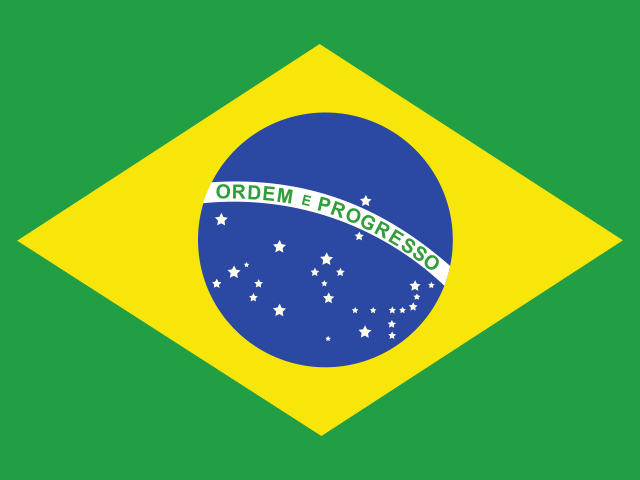
The Brazilian government is the federal administration of Brazil, which in 2026 is preparing for a presidential election and has been engaged in a diplomatic dispute with the United States.
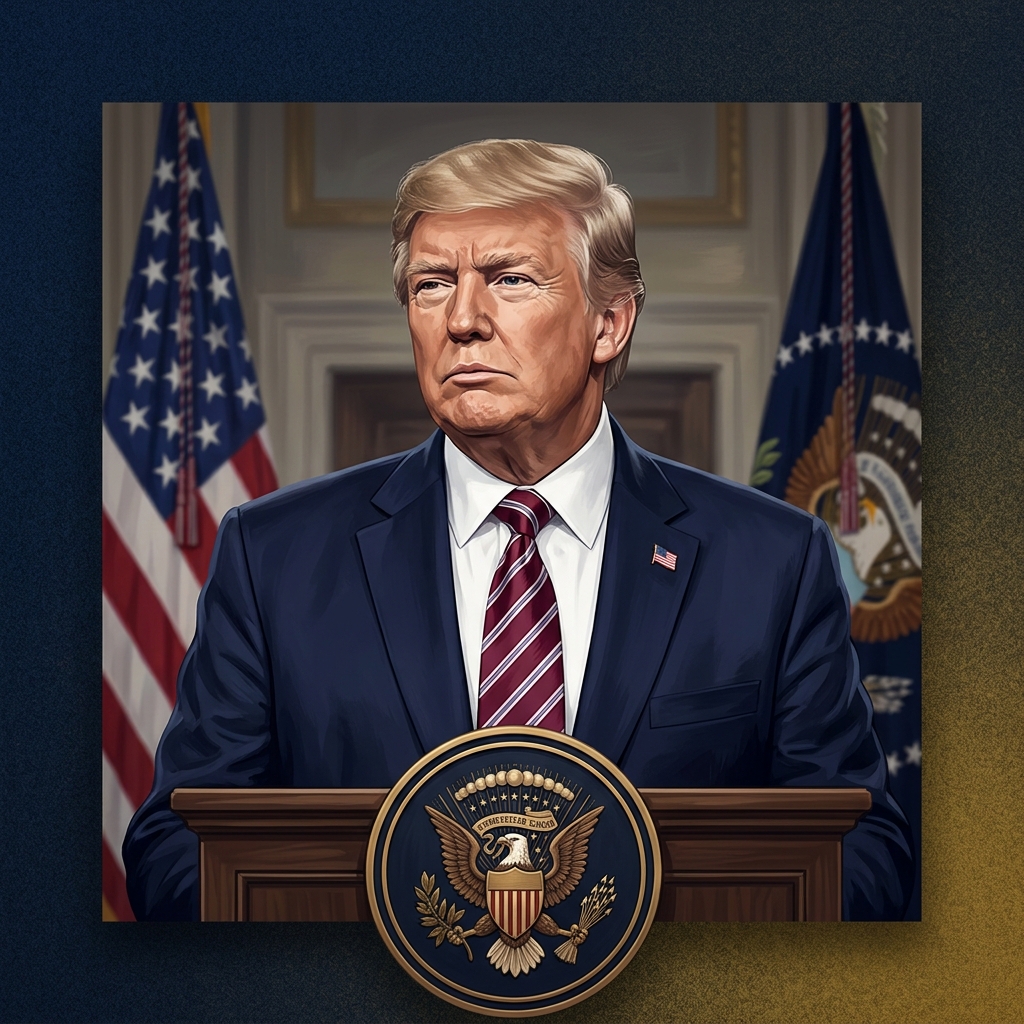
The Trump administration is the US federal government led by President Donald Trump, which has imposed tariffs and sanctions on Brazil and has been accused of interfering in Brazilian affairs.
The two sides are in conflict over allegations that the Trump administration directed funds toward far-right groups in Brazil ahead of the country's presidential election.
The Brazilian government has called for an investigation into these claims, while the Trump administration has not commented.
The dispute is part of a broader diplomatic conflict that began when the US imposed a 50 percent tariff on Brazilian goods and invoked the Magnitsky law against Brazilian officials, actions that Brazil has characterized as meddling.
The stakes include Brazil's electoral integrity and sovereignty, as well as the broader US-Brazil relationship.
The Brazilian attorney general has said that meddling 'cannot be tolerated,' and US lawmakers have urged the Trump administration to respect Brazil's electoral process.
*AI-generated summary of publicly available data. This is not an official statement of any party.
*AI-generated summary of publicly available statements and reporting. This is not an official statement of this party.
Supporters of the Brazilian government frame foreign funding of far-right groups as an affront to national self-determination, arguing that Brazil's cultural identity and elections must be shaped by Brazilians alone, not outside actors.
Supporters of the Brazilian government frame foreign election funding as a cultural sovereignty issue, arguing that outside money aimed at domestic groups undermines Brazil's right to decide its own political future.
Supporters of the Brazilian government counter that sovereignty claims overlook how foreign funding shapes domestic politics, arguing nations legitimately regulate outside influence to protect their own cultural and political self-determination.
Supporters of the Brazilian government argue that foreign funding of domestic political groups may breach national sovereignty and election law, so they maintain that an official probe is the lawful, evidence-based course.
Brazilian government supporters argue that alleged foreign funding of domestic political groups violates national sovereignty and electoral law, so they demand a formal legal probe to establish facts and accountability.
Supporters of Brazilian government counter that a probe is a lawful inquiry, not an accusation, so prior comment from the Trump administration is not a legal precondition.
Supporters of Brazil's government argue the probe is pragmatic statecraft: foreign cash in domestic elections threatens sovereignty, so they must expose interference to protect incumbents' leverage.
Supporters of Brazil's government argue that demanding a probe into alleged US funding of far-right groups is shrewd statecraft: it exposes foreign interference, rallies sovereignty sentiment, and puts rivals on the defensive before the election.
Supporters of Brazil's government counter that the probe defends sovereignty, since foreign cash backing local allies is leverage over Brazil, not for it; they note the US itself polices unregistered foreign influence.
Supporters of the Brazilian government argue that foreign funding of domestic political groups violates Brazil's sovereignty, and they maintain that a full investigation is a moral duty to protect the integrity of the country's elections.
Supporters of Brazil's government argue that foreign funding of domestic political groups violates national sovereignty and democratic fairness, so they demand a transparent investigation.
Supporters of the Brazilian government counter that dismissing foreign interference claims as unproven sidesteps the moral duty to investigate credible threats to electoral sovereignty, which they say demands accountability regardless of political cost.
Supporters of Brazil's government, defending the nation's religious heritage and democratic order, argue that foreign funding of far-right groups threatens the country's sovereignty and its tradition of peaceful, faith-rooted civic life.
Supporters of Brazil's government argue that foreign funding of political groups violates the nation's sovereignty and its inherited moral order, and they maintain that religious tradition and lawful authority must be defended against outside interference.
Supporters of the Brazilian government counter that scripture also commands respect for each nation's sovereignty, and that the state's religious tradition is guarded by its own faithful, not by foreign officials.
*AI-generated summary of publicly available statements and reporting. This is not an official statement of this party.
Supporters of the Trump administration frame foreign funding claims as a cultural attack on national sovereignty, arguing Brazil's probe echoes historic patterns of blaming outside influence for domestic political movements.
Supporters of the Trump administration argue that foreign election funding claims echo a Cold War pattern of sovereign nations resisting outside interference, casting the probe as political theater rather than fact.
Supporters of the Trump administration counter that cultural exchange and outside funding are longstanding tools of democratic discourse, not foreign domination, and that Brazil's own history shows external ideas have long shaped its politics.
Supporters of the Trump administration argue that no evidence ties it to the alleged funding, and that Brazil's probe call is premature given the administration has not commented.
Supporters of the Trump administration argue that Brazil's call for a probe lacks evidence, since no verified proof ties US funds to Brazilian groups and the administration has not commented.
Supporters of the Trump administration counter that Brazil's probe is a politically motivated legal maneuver, not a neutral sovereignty defense, since the same law is applied selectively against opponents while foreign funding flows elsewhere unexamined.
Supporters of the Trump administration argue that backing Brazil's right-wing groups serves US leverage, and they dismiss the probe as Brazil's bid to police foreign influence it cannot control.
Supporters of the Trump administration argue that backing allied movements abroad is standard statecraft, and that Brazil's probe is a sovereign flex to deflect blame.
Supporters of Trump administration counter that sovereignty claims are pretext; Brazil's probe targets a rival's allies to shield incumbents, and states weaponize such inquiries only when power, not principle, is at stake.
Supporters of the Trump administration argue that foreign election interference is a serious moral wrong, and they maintain that no credible evidence has been presented to substantiate the allegations against them.
Supporters of the Trump administration argue that foreign funding claims remain unproven allegations, and that Brazil's call for a probe unfairly presumes guilt before any evidence is presented.
Supporters of the Trump administration counter that sovereignty claims ring hollow when Brazil's own officials accept foreign cash, arguing the moral duty is transparency, not shielding allies from scrutiny.
Supporters of the Trump administration argue that defending religious liberty and traditional family values abroad is a moral duty rooted in scripture, not improper election meddling.
Supporters of the Trump administration invoke scriptural themes of national sovereignty, arguing that peoples may order their own political life without foreign interference, though they have not addressed the Brazil funding allegation directly.
Supporters of the Trump administration counter that religious freedom, not sovereignty, is at stake, arguing that faith communities may receive foreign support without threat to Brazil's heritage.
AI-generated summary of publicly available statements and reporting. This is not an official statement of this party.
Supporters of the Brazilian government frame foreign funding of far-right groups as an affront to national self-determination, arguing that Brazil's cultural identity and elections must be shaped by Brazilians alone, not outside actors.
Supporters of the Brazilian government frame foreign election funding as a cultural sovereignty issue, arguing that outside money aimed at domestic groups undermines Brazil's right to decide its own political future.
Supporters of the Brazilian government counter that sovereignty claims overlook how foreign funding shapes domestic politics, arguing nations legitimately regulate outside influence to protect their own cultural and political self-determination.
Supporters of the Brazilian government argue that foreign funding of domestic political groups may breach national sovereignty and election law, so they maintain that an official probe is the lawful, evidence-based course.
Brazilian government supporters argue that alleged foreign funding of domestic political groups violates national sovereignty and electoral law, so they demand a formal legal probe to establish facts and accountability.
Supporters of Brazilian government counter that a probe is a lawful inquiry, not an accusation, so prior comment from the Trump administration is not a legal precondition.
Supporters of Brazil's government argue the probe is pragmatic statecraft: foreign cash in domestic elections threatens sovereignty, so they must expose interference to protect incumbents' leverage.
Supporters of Brazil's government argue that demanding a probe into alleged US funding of far-right groups is shrewd statecraft: it exposes foreign interference, rallies sovereignty sentiment, and puts rivals on the defensive before the election.
Supporters of Brazil's government counter that the probe defends sovereignty, since foreign cash backing local allies is leverage over Brazil, not for it; they note the US itself polices unregistered foreign influence.
Supporters of the Brazilian government argue that foreign funding of domestic political groups violates Brazil's sovereignty, and they maintain that a full investigation is a moral duty to protect the integrity of the country's elections.
Supporters of Brazil's government argue that foreign funding of domestic political groups violates national sovereignty and democratic fairness, so they demand a transparent investigation.
Supporters of the Brazilian government counter that dismissing foreign interference claims as unproven sidesteps the moral duty to investigate credible threats to electoral sovereignty, which they say demands accountability regardless of political cost.
Supporters of Brazil's government, defending the nation's religious heritage and democratic order, argue that foreign funding of far-right groups threatens the country's sovereignty and its tradition of peaceful, faith-rooted civic life.
Supporters of Brazil's government argue that foreign funding of political groups violates the nation's sovereignty and its inherited moral order, and they maintain that religious tradition and lawful authority must be defended against outside interference.
Supporters of the Brazilian government counter that scripture also commands respect for each nation's sovereignty, and that the state's religious tradition is guarded by its own faithful, not by foreign officials.
Supporters of the Trump administration frame foreign funding claims as a cultural attack on national sovereignty, arguing Brazil's probe echoes historic patterns of blaming outside influence for domestic political movements.
Supporters of the Trump administration argue that foreign election funding claims echo a Cold War pattern of sovereign nations resisting outside interference, casting the probe as political theater rather than fact.
Supporters of the Trump administration counter that cultural exchange and outside funding are longstanding tools of democratic discourse, not foreign domination, and that Brazil's own history shows external ideas have long shaped its politics.
Supporters of the Trump administration argue that no evidence ties it to the alleged funding, and that Brazil's probe call is premature given the administration has not commented.
Supporters of the Trump administration argue that Brazil's call for a probe lacks evidence, since no verified proof ties US funds to Brazilian groups and the administration has not commented.
Supporters of the Trump administration counter that Brazil's probe is a politically motivated legal maneuver, not a neutral sovereignty defense, since the same law is applied selectively against opponents while foreign funding flows elsewhere unexamined.
Supporters of the Trump administration argue that backing Brazil's right-wing groups serves US leverage, and they dismiss the probe as Brazil's bid to police foreign influence it cannot control.
Supporters of the Trump administration argue that backing allied movements abroad is standard statecraft, and that Brazil's probe is a sovereign flex to deflect blame.
Supporters of Trump administration counter that sovereignty claims are pretext; Brazil's probe targets a rival's allies to shield incumbents, and states weaponize such inquiries only when power, not principle, is at stake.
Supporters of the Trump administration argue that foreign election interference is a serious moral wrong, and they maintain that no credible evidence has been presented to substantiate the allegations against them.
Supporters of the Trump administration argue that foreign funding claims remain unproven allegations, and that Brazil's call for a probe unfairly presumes guilt before any evidence is presented.
Supporters of the Trump administration counter that sovereignty claims ring hollow when Brazil's own officials accept foreign cash, arguing the moral duty is transparency, not shielding allies from scrutiny.
Supporters of the Trump administration argue that defending religious liberty and traditional family values abroad is a moral duty rooted in scripture, not improper election meddling.
Supporters of the Trump administration invoke scriptural themes of national sovereignty, arguing that peoples may order their own political life without foreign interference, though they have not addressed the Brazil funding allegation directly.
Supporters of the Trump administration counter that religious freedom, not sovereignty, is at stake, arguing that faith communities may receive foreign support without threat to Brazil's heritage.
A report states that the Trump administration directed funds towards right-wing groups in Brazil ahead of the presidential election.
The Brazilian government calls for an investigation into the alleged US funding of far-right causes.
Brazil's attorney general stated that meddling in Brazilian affairs 'cannot be tolerated,' amid accusations that the Trump administration has used tariffs and designations to interfere.
The New York Times published an article noting that President Trump has not endorsed a candidate in Brazil's election but has stepped into other elections in the region, and Brazil has taken notice.
Representatives Ramirez, Jayapal, and García issued a press release urging the Trump administration to respect Brazil's electoral process.
The United States imposed a 50 percent tariff on Brazilian goods, marking the start of a diplomatic dispute between the two countries.
The United States invoked the Magnitsky law against Brazilian officials as part of pressure on Brazil's Supreme Court over its trial of former president Jair Bolsonaro.