Brics leaders
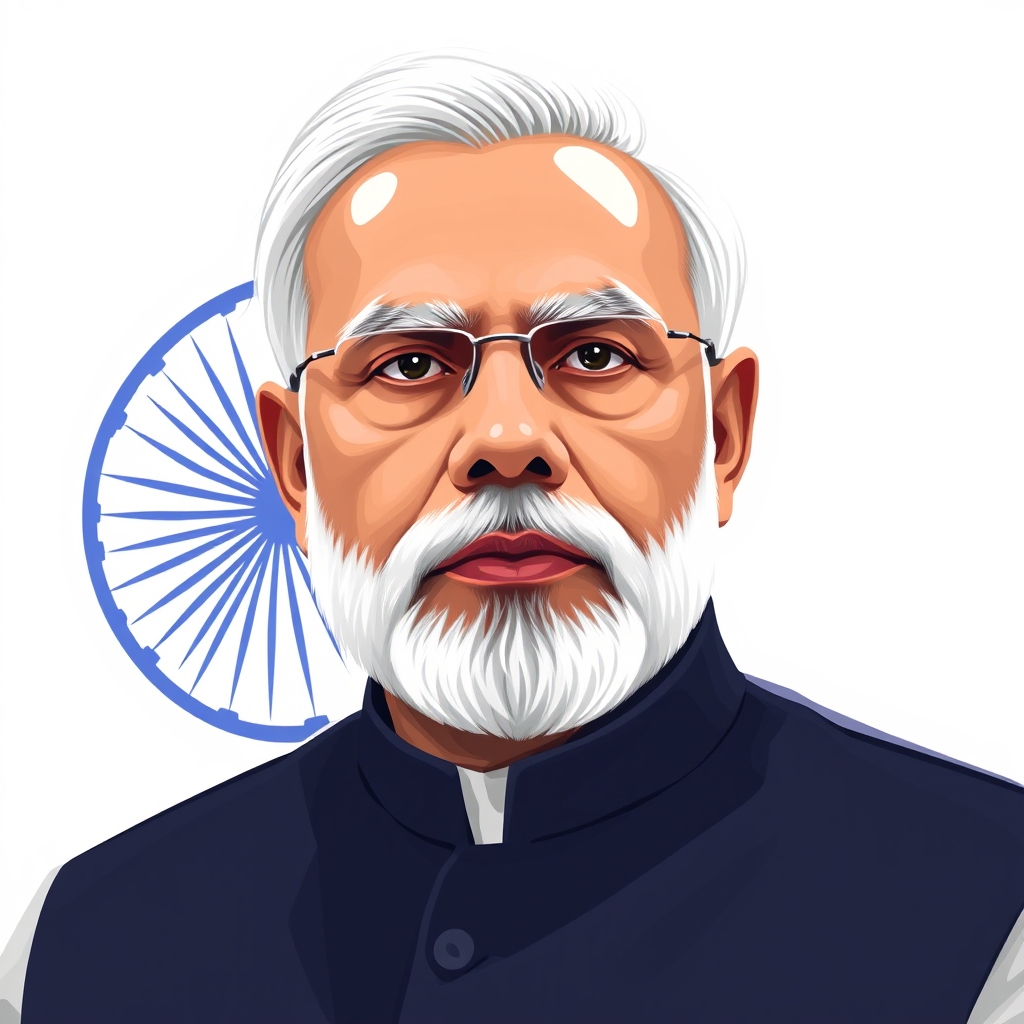
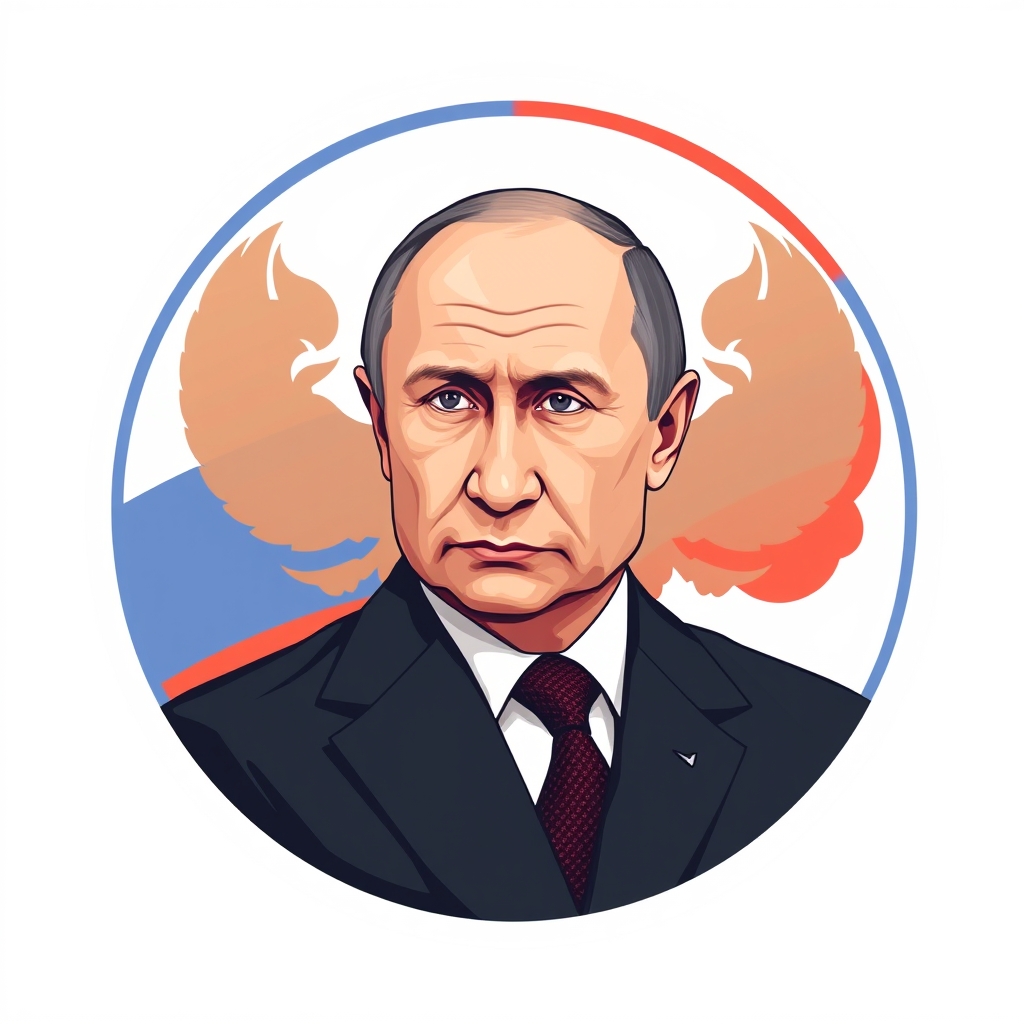
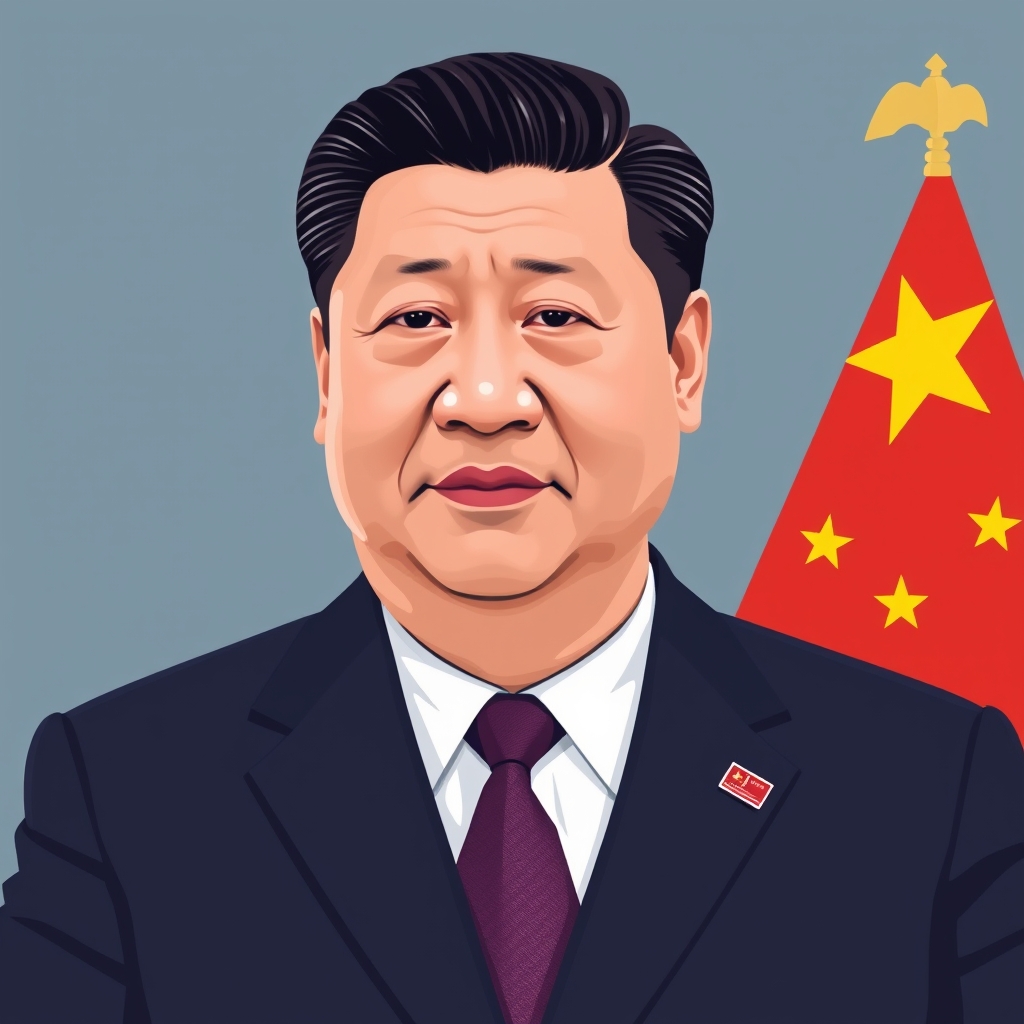
VS
Trump administration

The BRICS bloc is an intergovernmental grouping of emerging economies — originally Brazil, Russia, India, China and South Africa, later expanded to include additional members such as Egypt, Ethiopia, Iran, Indonesia and the United Arab Emirates.
Its leaders meet periodically at summits to coordinate positions on trade, finance and global governance.
The Trump administration is the executive branch of the United States government under President Donald Trump, which has pursued an "America First" trade and foreign policy agenda.
The two sides have conflicting interests over the global economic order.
The Trump administration has taken a hostile approach toward the grouping, accusing it of trying to dethrone the US dollar, and has threatened tariffs against countries aligned with BRICS.
BRICS leaders, in turn, have strongly criticised Trump's escalating trade tariffs as "indiscriminate" and warned that they risk hurting the global economy.
Despite their many internal differences, BRICS leaders have taken a firm stance on Trump's tariffs in summit declarations, though they have sometimes avoided naming him directly.
At the same time, divisions within the bloc make a united response to Washington unlikely, and the summit in Delhi highlights tensions between member states over how to address US trade policies under Trump.
Analysts and former officials have debated how cohesive and effective the grouping can be as a counterweight to American power.
*AI-generated summary of publicly available data. This is not an official statement of any party.
*AI-generated summary of publicly available statements and reporting. This is not an official statement of this party.
Supporters of Brics leaders argue the Delhi summit carries cultural weight as a lineage of non-aligned solidarity, recalling Bandung's precedent of postcolonial states convening outside Washington's orbit.
Supporters of Brics leaders point to Delhi's hosting of Modi, Putin, and Xi as proof the bloc still commands cultural weight, recalling past summits where shared sovereignty rhetoric outlasted internal splits.
Supporters of Brics leaders counter that shared memory of colonial rule and non-alignment gives the bloc a common political culture that predates any single grievance.
Supporters of Brics leaders argue that sovereign states may lawfully set their own trade terms, so any joint response to US tariffs must respect each member's WTO rights and domestic law rather than binding them to one bloc position.
Supporters of Brics leaders argue international law permits sovereign states to set independent trade policy, so Washington's tariffs lack legal grounding absent WTO rulings.
Supporters of Brics leaders counter that WTO law permits coordinated retaliatory tariffs, and that joint WTO challenges to US measures already signal the bloc's legal capacity to act together.
Supporters of Brics leaders argue the Delhi summit is leverage, not solidarity: hosting Putin and Xi lets Modi signal alternatives to US trade terms while keeping each power's own deal with Washington intact.
Supporters of Brics leaders argue the Delhi summit is leverage, not unity: hosting Putin and Xi lets Modi extract concessions while keeping options open, since a divided bloc still bargains better than a subservient one.
Supporters of Brics leaders counter that bilateral leverage cuts both ways: each member can play Washington against the others, extracting concessions by threatening to tilt toward rivals, so divide-and-rule yields bidding wars, not control.
Supporters of Brics leaders argue that multilateral cooperation, not unilateral pressure, is the legitimate path, and that a bloc championing sovereign equality and development has a moral duty to defend that order.
Supporters of Brics leaders argue that multilateral dialogue among sovereign states is a moral duty, and that Delhi's hosting of Putin and Xi affirms cooperation over unilateral pressure from Washington.
Supporters of Brics leaders counter that sovereignty rings hollow when poorer nations face climate and debt crises alone, so voluntary trade cannot replace the moral duty of collective multilateral action.
Supporters of Brics leaders argue the Delhi summit embodies a moral duty to pursue peace and dialogue among nations, invoking shared spiritual values of justice and human dignity over confrontation.
Supporters of Brics leaders argue the Delhi summit reflects a moral duty to pursue dialogue and peaceful coexistence among nations, echoing scriptural calls for unity over division.
Supporters of Brics leaders counter that sovereign nations can uphold their own sacred traditions while cooperating economically, and that no global bloc imposes secularism on member states.
*AI-generated summary of publicly available statements and reporting. This is not an official statement of this party.
Supporters of the Trump administration argue that BRICS unity is fragile because its members share no common culture or tradition, only transient economic grievance, and that nations rooted in distinct inherited orders will always prefer sovereign interests to a bloc.
Supporters of the Trump administration argue that BRICS divisions reflect the enduring pull of sovereign traditions and national loyalties over any artificial bloc, and that inherited cultural ties with Washington will keep member states aligned.
Supporters of the Trump administration counter that shared sovereignty and national heritage, not bloc nostalgia, sustain durable partnerships; they contend that nations flourish by honoring their own traditions rather than reviving mid-century solidarity.
Supporters of the Trump administration argue that BRICS tariff threats lack legal force under WTO rules, since members' competing interests prevent a unified trade response.
Supporters of the Trump administration argue that BRICS members' conflicting trade interests and WTO commitments legally undercut any unified front against US tariffs, so bilateral enforcement prevails.
Supporters of Trump administration counter that WTO rules let members challenge discriminatory bloc measures, so the US may lawfully impose reciprocal tariffs against coordinated Brics trade terms without breaching its own obligations.
Supporters of the Trump administration argue that BRICS' Delhi divisions are leverage, not a threat—Washington can negotiate bilaterally with Modi, Putin, and Xi separately, since each pursues its own interests over any united front.
Supporters of the Trump administration argue that BRICS disunity over US trade policy proves bilateral leverage beats bloc pressure, letting Washington negotiate one-on-one with Delhi, Moscow, and Beijing rather than facing a united front.
Supporters of Trump counter that hosting Putin and Xi reveals dependency, not leverage: each BRICS power still needs US market access, so Washington can price that need higher than any Delhi photo-op.
Supporters of the Trump administration argue that voluntary trade between nations, not bloc coercion, upholds sovereignty—and that BRICS divisions in Delhi show free nations resist binding multilateral pressure.
Supporters of the Trump administration argue that sovereign nations freely choosing bilateral deals over bloc coercion is the moral exercise of autonomy, not division.
Supporters of Trump administration counter that sovereign equality is hollow when blocs coerce members into binding agendas; they argue the moral duty is to the individual citizen, not to multilateral institutions that erode national consent.
Supporters of the Trump administration argue that sovereign nations, including Brics members, should defend their own religious traditions and social order rather than cede authority to a secular global bloc.
Supporters of the Trump administration argue that religious liberty and national sovereignty, not bloc politics, anchor legitimate governance, and they maintain that the Delhi summit cannot unite nations whose faiths and traditions differ so deeply.
Supporters of the Trump administration counter that religious freedom and national sovereignty, not summit declarations, secure human dignity, and they challenge the claim that dialogue alone fulfills a moral duty.
AI-generated summary of publicly available statements and reporting. This is not an official statement of this party.
Supporters of Brics leaders argue the Delhi summit carries cultural weight as a lineage of non-aligned solidarity, recalling Bandung's precedent of postcolonial states convening outside Washington's orbit.
Supporters of Brics leaders point to Delhi's hosting of Modi, Putin, and Xi as proof the bloc still commands cultural weight, recalling past summits where shared sovereignty rhetoric outlasted internal splits.
Supporters of Brics leaders counter that shared memory of colonial rule and non-alignment gives the bloc a common political culture that predates any single grievance.
Supporters of Brics leaders argue that sovereign states may lawfully set their own trade terms, so any joint response to US tariffs must respect each member's WTO rights and domestic law rather than binding them to one bloc position.
Supporters of Brics leaders argue international law permits sovereign states to set independent trade policy, so Washington's tariffs lack legal grounding absent WTO rulings.
Supporters of Brics leaders counter that WTO law permits coordinated retaliatory tariffs, and that joint WTO challenges to US measures already signal the bloc's legal capacity to act together.
Supporters of Brics leaders argue the Delhi summit is leverage, not solidarity: hosting Putin and Xi lets Modi signal alternatives to US trade terms while keeping each power's own deal with Washington intact.
Supporters of Brics leaders argue the Delhi summit is leverage, not unity: hosting Putin and Xi lets Modi extract concessions while keeping options open, since a divided bloc still bargains better than a subservient one.
Supporters of Brics leaders counter that bilateral leverage cuts both ways: each member can play Washington against the others, extracting concessions by threatening to tilt toward rivals, so divide-and-rule yields bidding wars, not control.
Supporters of Brics leaders argue that multilateral cooperation, not unilateral pressure, is the legitimate path, and that a bloc championing sovereign equality and development has a moral duty to defend that order.
Supporters of Brics leaders argue that multilateral dialogue among sovereign states is a moral duty, and that Delhi's hosting of Putin and Xi affirms cooperation over unilateral pressure from Washington.
Supporters of Brics leaders counter that sovereignty rings hollow when poorer nations face climate and debt crises alone, so voluntary trade cannot replace the moral duty of collective multilateral action.
Supporters of Brics leaders argue the Delhi summit embodies a moral duty to pursue peace and dialogue among nations, invoking shared spiritual values of justice and human dignity over confrontation.
Supporters of Brics leaders argue the Delhi summit reflects a moral duty to pursue dialogue and peaceful coexistence among nations, echoing scriptural calls for unity over division.
Supporters of Brics leaders counter that sovereign nations can uphold their own sacred traditions while cooperating economically, and that no global bloc imposes secularism on member states.
Supporters of the Trump administration argue that BRICS unity is fragile because its members share no common culture or tradition, only transient economic grievance, and that nations rooted in distinct inherited orders will always prefer sovereign interests to a bloc.
Supporters of the Trump administration argue that BRICS divisions reflect the enduring pull of sovereign traditions and national loyalties over any artificial bloc, and that inherited cultural ties with Washington will keep member states aligned.
Supporters of the Trump administration counter that shared sovereignty and national heritage, not bloc nostalgia, sustain durable partnerships; they contend that nations flourish by honoring their own traditions rather than reviving mid-century solidarity.
Supporters of the Trump administration argue that BRICS tariff threats lack legal force under WTO rules, since members' competing interests prevent a unified trade response.
Supporters of the Trump administration argue that BRICS members' conflicting trade interests and WTO commitments legally undercut any unified front against US tariffs, so bilateral enforcement prevails.
Supporters of Trump administration counter that WTO rules let members challenge discriminatory bloc measures, so the US may lawfully impose reciprocal tariffs against coordinated Brics trade terms without breaching its own obligations.
Supporters of the Trump administration argue that BRICS' Delhi divisions are leverage, not a threat—Washington can negotiate bilaterally with Modi, Putin, and Xi separately, since each pursues its own interests over any united front.
Supporters of the Trump administration argue that BRICS disunity over US trade policy proves bilateral leverage beats bloc pressure, letting Washington negotiate one-on-one with Delhi, Moscow, and Beijing rather than facing a united front.
Supporters of Trump counter that hosting Putin and Xi reveals dependency, not leverage: each BRICS power still needs US market access, so Washington can price that need higher than any Delhi photo-op.
Supporters of the Trump administration argue that voluntary trade between nations, not bloc coercion, upholds sovereignty—and that BRICS divisions in Delhi show free nations resist binding multilateral pressure.
Supporters of the Trump administration argue that sovereign nations freely choosing bilateral deals over bloc coercion is the moral exercise of autonomy, not division.
Supporters of Trump administration counter that sovereign equality is hollow when blocs coerce members into binding agendas; they argue the moral duty is to the individual citizen, not to multilateral institutions that erode national consent.
Supporters of the Trump administration argue that sovereign nations, including Brics members, should defend their own religious traditions and social order rather than cede authority to a secular global bloc.
Supporters of the Trump administration argue that religious liberty and national sovereignty, not bloc politics, anchor legitimate governance, and they maintain that the Delhi summit cannot unite nations whose faiths and traditions differ so deeply.
Supporters of the Trump administration counter that religious freedom and national sovereignty, not summit declarations, secure human dignity, and they challenge the claim that dialogue alone fulfills a moral duty.
The US president wants to weaken BRICS, but he may end up doing the opposite.
Brics leaders meet in Delhi, with Modi hosting Putin and Xi.
The Quincy Institute published research noting that the Trump administration has taken a hostile approach toward BRICS, accusing it of trying to dethrone the US dollar.
Despite their many differences, BRICS leaders took a firm stance on Trump's tariffs during the Brazil summit, publishing a declaration that addressed the issue.