Ukraine and Iran wars
?
No actors in this side.
VS
BRICS unity
No actors in this side.
BRICS is a bloc of major emerging economies that includes Brazil, Russia, India, China, and South Africa, and has expanded in recent years to include additional members such as Iran and the United Arab Emirates.
The grouping presents itself as a champion of the Global South and has advocated for a more multipolar world order.
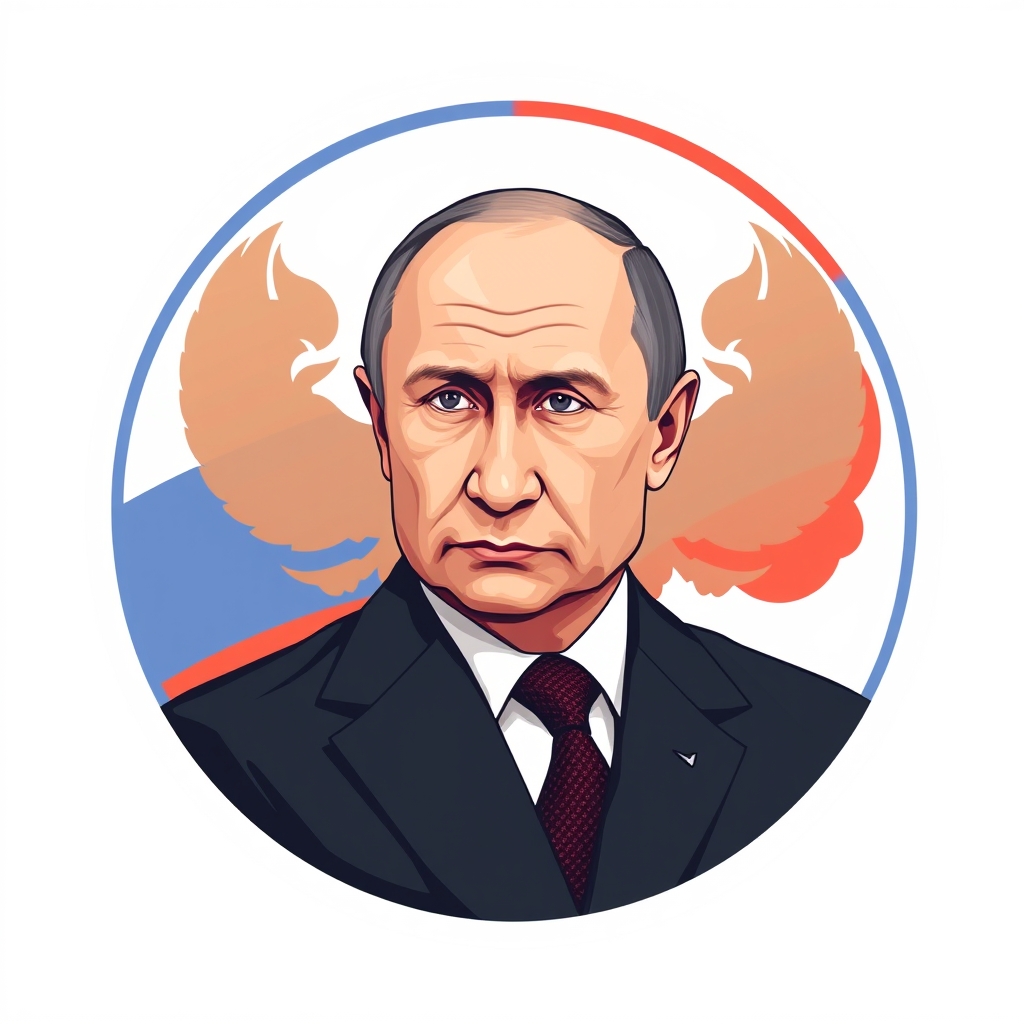
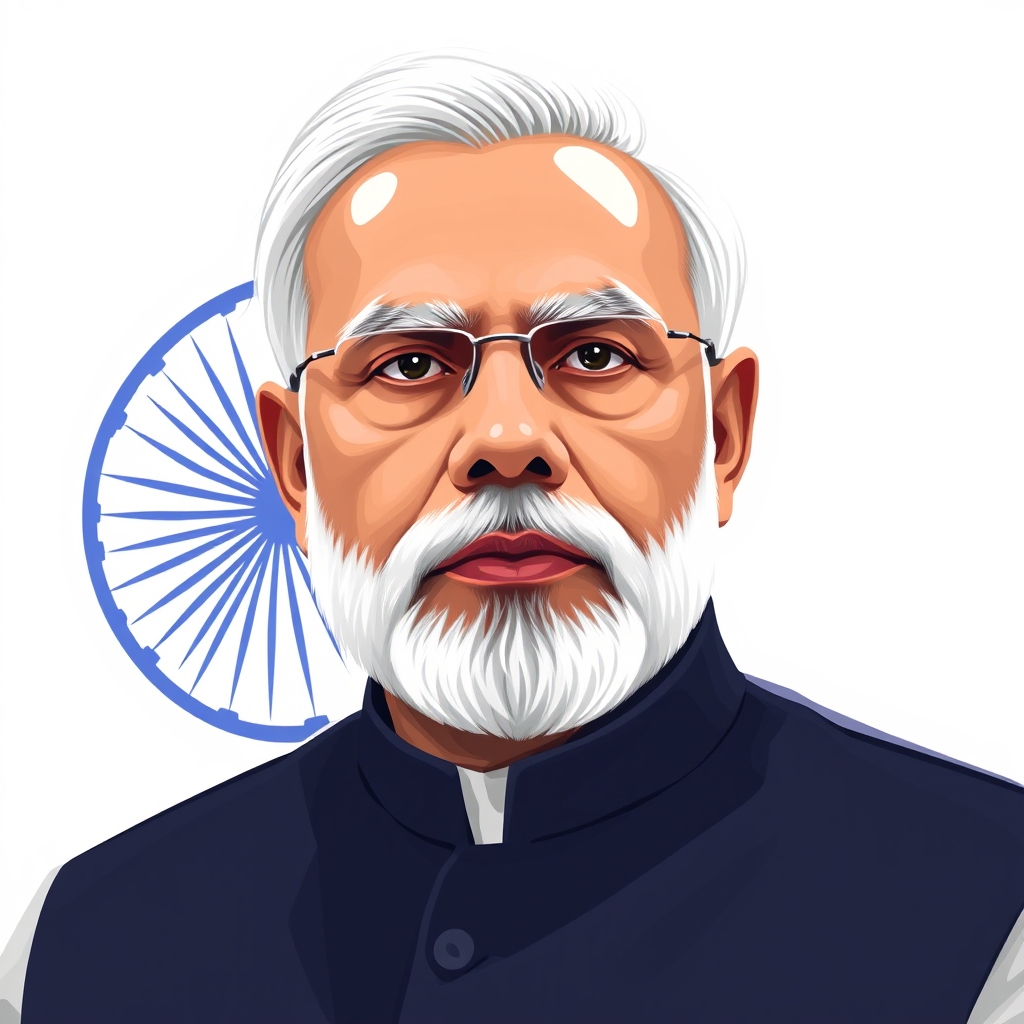
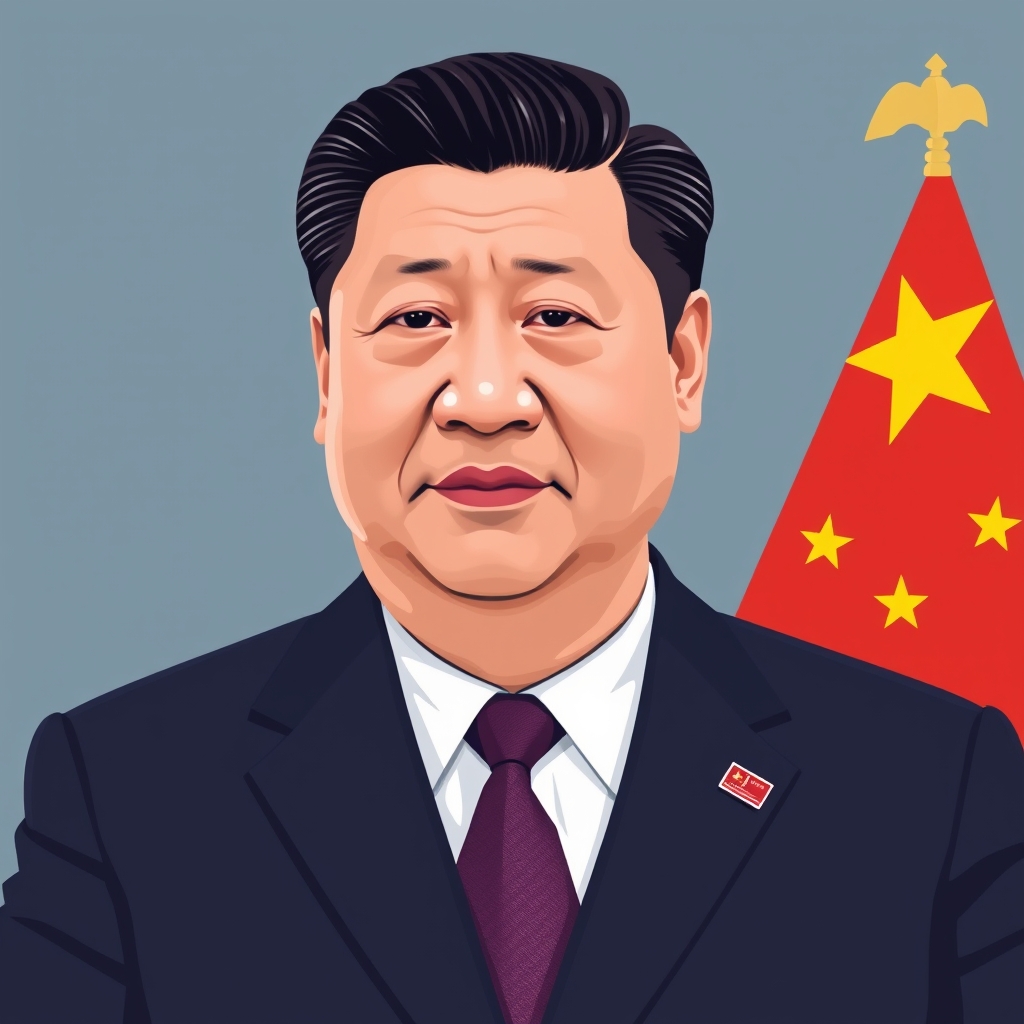
India hosted a key BRICS summit in 2026, bringing together leaders including Russia's Vladimir Putin, India's Narendra Modi, and China's Xi Jinping.
The unity of the bloc has been tested by the war involving the United States, Israel, and Iran.
Iran reportedly pushed for BRICS to strongly condemn U.S. and Israeli military actions, while also accusing the UAE of involvement in operations.
The summit ended without a joint statement on the U.S. and Israeli war with Iran, exposing limits to the group's ability to take common positions on major geopolitical conflicts.
The episode has raised broader questions about whether BRICS can deliver on its stated ambition of offering an alternative to the existing international order.
Analysts have pointed to the Iran crisis as evidence that unity is not a strong suit for the grouping, and some suggest the failure to maintain even symbolic unity may signal something larger than a temporary diplomatic disagreement.
*AI-generated summary of publicly available data. This is not an official statement of any party.
*AI-generated summary of publicly available statements and reporting. This is not an official statement of this party.
Supporters of the Ukraine and Iran wars argue that BRICS unity is fragile because India's inherited non-alignment tradition and border disputes with China make shared cultural solidarity against Western pressure unlikely to hold.
Supporters of Ukraine and Iran wars argue that BRICS unity is fragile because its members hold rival civilizational loyalties, so shared institutions cannot override deep-rooted cultural and religious ties.
Supporters of the Ukraine and Iran wars counter that cultural sovereignty cannot shield BRICS members from a world order where alliances are tested by force, arguing shared heritage offers little defense when security commitments demand alignment.
Supporters of the Ukraine and Iran wars argue that BRICS unity is legally hollow while Russia's invasion violates the UN Charter, so India's balancing act cannot launder that breach.
Supporters of the Ukraine and Iran wars argue that BRICS unity cannot override legal obligations under the UN Charter, and that states aiding aggression risk complicity.
Supporters of Ukraine and Iran wars counter that sovereignty claims cannot shield violations of the UN Charter, since non-interference presupposes adherence to international law that aggression breaches.
Supporters of the Ukraine and Iran wars argue BRICS unity is theater: Putin and Xi need India's market and Modi needs their oil and arms, so shared interest, not trust, holds the bloc.
Supporters of the Ukraine and Iran wars argue BRICS unity is cosmetic: India, Russia, and China each pursue their own leverage, so Putin, Modi, and Xi will trade rhetoric while guarding separate interests.
Supporters of Ukraine and Iran wars counter that leverage cuts both ways: Putin, Modi, and Xi each hedge, so BRICS quietly absorbs the wars rather than managing them, leaving no member bound to another's fight.
Supporters of the Ukraine and Iran wars argue that BRICS unity is morally hollow if member states stay silent while sovereignty is violated, maintaining that solidarity with the aggrieved should outweigh summit partnerships.
Supporters of the Ukraine and Iran wars argue that BRICS unity is morally hollow while members enable aggression, and they maintain that partnerships reaffirmed at summits cannot excuse a war of conquest.
Supporters of Ukraine and Iran wars counter that sovereignty has moral limits: trading with Russia or Iran while they wage aggression makes BRICS states complicit, not neutral, and complicity carries its own guilt.
Supporters of the Ukraine and Iran wars argue that BRICS unity is fragile because religious and civilizational traditions bind nations to inherited alliances, not to a bloc that asks them to abandon sacred loyalties for convenience.
Supporters of the Ukraine and Iran wars argue that BRICS unity cannot override religious and civilizational differences, since India's Hindu-majority democracy and China's atheist state share little spiritual foundation.
Supporters of Ukraine and Iran wars counter that BRICS dialogue cannot claim scriptural warrant while Putin and Xi wage wars of conquest, since religious tradition holds that peacemaking requires repentance, not the counsel of aggressors.
*AI-generated summary of publicly available statements and reporting. This is not an official statement of this party.
Supporters of BRICS unity argue the bloc's shared cultural sovereignty and non-aligned identity let members like India and Russia pursue their own partnerships despite outside wars.
Supporters of BRICS unity argue that shared cultural sovereignty, not Western pressure, binds the bloc, and that India's balance between China and Russia reflects a civilizational refusal to let outside wars define the group's identity.
Supporters of BRICS unity counter that shared civilizational heritage—not non-alignment—anchors the bloc, citing India and China's joint cultural diplomacy as proof solidarity outlasts disputes.
Supporters of BRICS unity argue that sovereignty and non-interference, not alignment on the Ukraine or Iran wars, define the bloc's legal basis, so bilateral disputes need not fracture the summit.
Supporters of BRICS unity argue that sovereign states may lawfully choose their own partners and that the summit's bilateral meetings, not outside pressure, are the proper legal forum for settling disputes.
Supporters of BRICS unity counter that the UN Charter is not applied uniformly, since NATO's 1999 Kosovo campaign proceeded without Security Council authorization, so selective legal enforcement undermines the claim that only Russia's breach matters.
Supporters of BRICS unity argue the bloc's value is leverage, not shared values: Putin, Modi, and Xi need each other as counterweights to Western pressure, so managing the Ukraine and Iran wars quietly serves their interests better than unity.
Supporters of BRICS unity argue that shared interests in trade and multipolar leverage outweigh Ukraine and Iran disputes, since Putin, Modi, and Xi gain more from cohesion than from siding with outside powers.
Supporters of BRICS unity counter that shared interest is the only bond that matters: the bloc needs no trust, since Putin, Xi and Modi each gain more from the arrangement than from defection.
Supporters of BRICS unity argue that sovereign states have a moral right to trade and partner freely, and that outside powers pressuring India or others to choose sides in the Ukraine and Iran wars wrongly sacrifice each nation's autonomy to foreign agendas.
Supporters of BRICS unity argue that sovereign states have a moral right to choose their own partners and trade freely, and that external powers should not dictate whom India, China, or Russia may associate with.
Supporters of BRICS unity counter that sovereignty means non-interference, so no outside bloc can morally compel member states to join others' wars.
Supporters of BRICS unity invoke the moral duty of nations to pursue peace, arguing that dialogue among Putin, Modi, and Xi reflects a scriptural call to reconcile adversaries and end the wars in Ukraine and Iran.
Supporters of BRICS unity frame the bloc's solidarity as a moral witness against war, invoking shared religious commitments to peace and the dignity of nations.
Supporters of BRICS unity counter that scripture commands peacemaking and justice, not perpetual war, so nations may honor sacred loyalties while refusing to bless conflict waged for empire.
AI-generated summary of publicly available statements and reporting. This is not an official statement of this party.
Supporters of the Ukraine and Iran wars argue that BRICS unity is fragile because India's inherited non-alignment tradition and border disputes with China make shared cultural solidarity against Western pressure unlikely to hold.
Supporters of Ukraine and Iran wars argue that BRICS unity is fragile because its members hold rival civilizational loyalties, so shared institutions cannot override deep-rooted cultural and religious ties.
Supporters of the Ukraine and Iran wars counter that cultural sovereignty cannot shield BRICS members from a world order where alliances are tested by force, arguing shared heritage offers little defense when security commitments demand alignment.
Supporters of the Ukraine and Iran wars argue that BRICS unity is legally hollow while Russia's invasion violates the UN Charter, so India's balancing act cannot launder that breach.
Supporters of the Ukraine and Iran wars argue that BRICS unity cannot override legal obligations under the UN Charter, and that states aiding aggression risk complicity.
Supporters of Ukraine and Iran wars counter that sovereignty claims cannot shield violations of the UN Charter, since non-interference presupposes adherence to international law that aggression breaches.
Supporters of the Ukraine and Iran wars argue BRICS unity is theater: Putin and Xi need India's market and Modi needs their oil and arms, so shared interest, not trust, holds the bloc.
Supporters of the Ukraine and Iran wars argue BRICS unity is cosmetic: India, Russia, and China each pursue their own leverage, so Putin, Modi, and Xi will trade rhetoric while guarding separate interests.
Supporters of Ukraine and Iran wars counter that leverage cuts both ways: Putin, Modi, and Xi each hedge, so BRICS quietly absorbs the wars rather than managing them, leaving no member bound to another's fight.
Supporters of the Ukraine and Iran wars argue that BRICS unity is morally hollow if member states stay silent while sovereignty is violated, maintaining that solidarity with the aggrieved should outweigh summit partnerships.
Supporters of the Ukraine and Iran wars argue that BRICS unity is morally hollow while members enable aggression, and they maintain that partnerships reaffirmed at summits cannot excuse a war of conquest.
Supporters of Ukraine and Iran wars counter that sovereignty has moral limits: trading with Russia or Iran while they wage aggression makes BRICS states complicit, not neutral, and complicity carries its own guilt.
Supporters of the Ukraine and Iran wars argue that BRICS unity is fragile because religious and civilizational traditions bind nations to inherited alliances, not to a bloc that asks them to abandon sacred loyalties for convenience.
Supporters of the Ukraine and Iran wars argue that BRICS unity cannot override religious and civilizational differences, since India's Hindu-majority democracy and China's atheist state share little spiritual foundation.
Supporters of Ukraine and Iran wars counter that BRICS dialogue cannot claim scriptural warrant while Putin and Xi wage wars of conquest, since religious tradition holds that peacemaking requires repentance, not the counsel of aggressors.
Supporters of BRICS unity argue the bloc's shared cultural sovereignty and non-aligned identity let members like India and Russia pursue their own partnerships despite outside wars.
Supporters of BRICS unity argue that shared cultural sovereignty, not Western pressure, binds the bloc, and that India's balance between China and Russia reflects a civilizational refusal to let outside wars define the group's identity.
Supporters of BRICS unity counter that shared civilizational heritage—not non-alignment—anchors the bloc, citing India and China's joint cultural diplomacy as proof solidarity outlasts disputes.
Supporters of BRICS unity argue that sovereignty and non-interference, not alignment on the Ukraine or Iran wars, define the bloc's legal basis, so bilateral disputes need not fracture the summit.
Supporters of BRICS unity argue that sovereign states may lawfully choose their own partners and that the summit's bilateral meetings, not outside pressure, are the proper legal forum for settling disputes.
Supporters of BRICS unity counter that the UN Charter is not applied uniformly, since NATO's 1999 Kosovo campaign proceeded without Security Council authorization, so selective legal enforcement undermines the claim that only Russia's breach matters.
Supporters of BRICS unity argue the bloc's value is leverage, not shared values: Putin, Modi, and Xi need each other as counterweights to Western pressure, so managing the Ukraine and Iran wars quietly serves their interests better than unity.
Supporters of BRICS unity argue that shared interests in trade and multipolar leverage outweigh Ukraine and Iran disputes, since Putin, Modi, and Xi gain more from cohesion than from siding with outside powers.
Supporters of BRICS unity counter that shared interest is the only bond that matters: the bloc needs no trust, since Putin, Xi and Modi each gain more from the arrangement than from defection.
Supporters of BRICS unity argue that sovereign states have a moral right to trade and partner freely, and that outside powers pressuring India or others to choose sides in the Ukraine and Iran wars wrongly sacrifice each nation's autonomy to foreign agendas.
Supporters of BRICS unity argue that sovereign states have a moral right to choose their own partners and trade freely, and that external powers should not dictate whom India, China, or Russia may associate with.
Supporters of BRICS unity counter that sovereignty means non-interference, so no outside bloc can morally compel member states to join others' wars.
Supporters of BRICS unity invoke the moral duty of nations to pursue peace, arguing that dialogue among Putin, Modi, and Xi reflects a scriptural call to reconcile adversaries and end the wars in Ukraine and Iran.
Supporters of BRICS unity frame the bloc's solidarity as a moral witness against war, invoking shared religious commitments to peace and the dignity of nations.
Supporters of BRICS unity counter that scripture commands peacemaking and justice, not perpetual war, so nations may honor sacred loyalties while refusing to bless conflict waged for empire.
BRICS leaders gathered in New Delhi for the final day of the summit amid divisions over the wars in Iran and Ukraine.
An analysis published by UATV argued that the failure of BRICS to maintain even symbolic unity over the Iran crisis may signal something larger than a temporary diplomatic disagreement.
A summit of the BRICS group of major emerging economies ended without a joint statement on the U.S. and Israeli war with Iran.
The Lowy Institute published an analysis arguing that the Iran war shows BRICS cannot deliver on its promise of a new world order, noting that unity is not a strong suit for the grouping.
Putin and Modi reaffirm partnership; Modi to meet Xi Jinping; wars in Ukraine and Iran could test group unity.