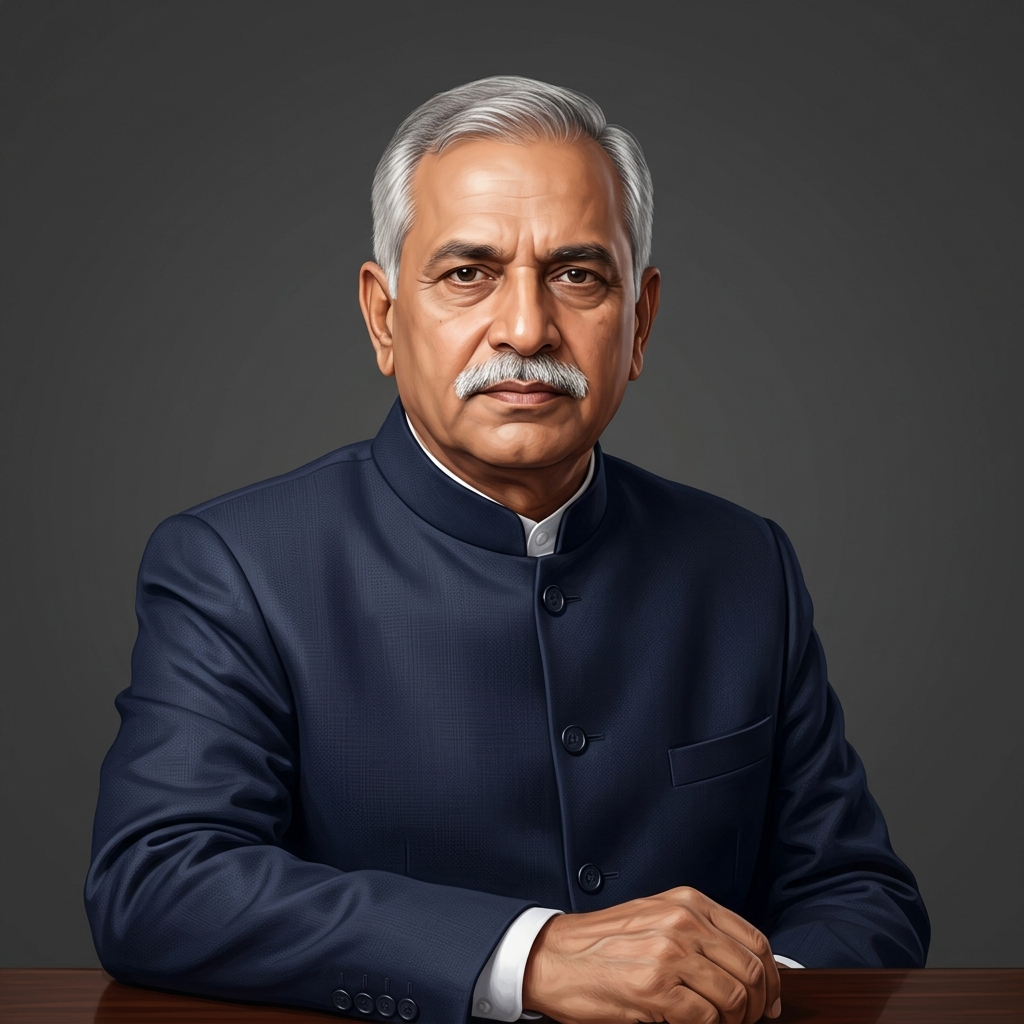
Brij Bhushan Sharan Singh
VS
Female wrestlers

Brij Bhushan Sharan Singh, a former BJP MP and head of the Wrestling Federation of India, was acquitted by a Delhi court in a sexual harassment case filed by female wrestlers.
The allegations, which date back to 2023, involved charges of sexual harassment by a minor and six adult wrestlers, leading to widespread protests.
The court's decision also cleared co-accused Vinod Tomar.
The wrestlers have indicated that their legal battle is not over, reflecting ongoing contention over the allegations and the verdict.
*AI-generated summary of publicly available data. This is not an official statement of any party.
*AI-generated summary of publicly available statements and reporting. This is not an official statement of this party.
Supporters of Brij Bhushan Sharan Singh argue that the court's acquittal upholds the principle of due process, affirming that cultural institutions like the Wrestling Federation must not be destabilized by unverified allegations.
Supporters of Brij Bhushan Sharan Singh argue the acquittal upholds due process, viewing the wrestlers' protests as a challenge to institutional authority and traditional norms.
Supporters of Brij Bhushan Sharan Singh argue that the court's acquittal affirms the due process of law, protecting institutional leadership from unverified accusations that disrupt sporting tradition and order.
Supporters of Brij Bhushan Sharan Singh counter that the protests disrupted the sacred tradition of wrestling, a discipline rooted in discipline and respect, and that cultural reckoning cannot override legal precedent or institutional honor.
Supporters of Brij Bhushan Sharan Singh argue the acquittal confirms due process prevailed, as the court found no legal basis for the charges against him or Vinod Tomar. They maintain that allegations alone do not constitute guilt, and the verdict upholds the presumption of.
Supporters of Brij Bhushan Sharan Singh argue the acquittal affirms that allegations must be proven beyond a reasonable doubt, and they maintain the court's ruling upholds due process over presumption of guilt.
Supporters of Brij Bhushan Sharan Singh counter that the trial court’s acquittal reflects rigorous judicial scrutiny of evidence, and that appellate review must respect the presumption of innocence, not re-litigate settled facts without new material.
Supporters of Brij Bhushan Sharan Singh counter that legal acquittal under Indian criminal law requires proof beyond reasonable doubt, not survivor testimony alone. They argue the courts, not protest, define vindication, and procedural rigor protects the accused’s liberty.
Supporters of Brij Bhushan Sharan Singh see the acquittal as proof that the wrestlers' protests were political leverage, not justice, and that institutional pressure failed to overcome evidentiary reality.
Supporters of Brij Bhushan Sharan Singh argue the acquittal proves the protest was leverage, not justice, as legal process favored institutional weight over unverified claims. They maintain the wrestlers' continued appeals signal a political campaign, not a legal one, aimed at.
Supporters of Brij Bhushan Sharan Singh counter that the acquittal is a court’s verdict, not a power play, arguing that wrestlers’ testimony failed under legal scrutiny, and that influence cannot manufacture evidence where none exists.
Supporters of Brij Bhushan Sharan Singh maintain that the court's acquittal affirms due process, where accusations alone cannot override the presumption of innocence and the right to a fair defense.
Supporters of Brij Bhushan Sharan Singh argue that his acquittal affirms the legal principle of presumed innocence, where allegations must be proven beyond reasonable doubt.
Supporters of Brij Bhushan Sharan Singh argue that the court’s acquittal affirms due process over presumption of guilt, protecting individual reputation from unverified accusations.
Supporters of Brij Bhushan Sharan Singh counter that dignity and justice flow from due process, not presumption, and that the acquittal affirms the moral weight of evidence over accusation.
Supporters of Brij Bhushan Sharan Singh counter that the legal acquittal itself embodies the moral duty to protect the innocent, arguing that presumption of innocence and due process safeguard dignity more than unproven allegations.
Supporters of Brij Bhushan Sharan Singh argue that the court’s acquittal affirms his innocence under divine law, which presumes fairness and truth. They maintain that faith upholds legal verdicts as moral judgments, and the wrestlers’ continued pursuit defies established justice.
Supporters of Brij Bhushan Sharan Singh argue that the court's acquittal affirms divine justice, viewing the verdict as a vindication of truth over unproven accusations. They maintain that scripture teaches the presumption of innocence, and they point to the legal process as.
Supporters of Brij Bhushan Sharan Singh counter that dharma demands respect for legal process and presumption of innocence, not presumption of guilt based on accusation alone.
*AI-generated summary of publicly available statements and reporting. This is not an official statement of this party.
Supporters of Female wrestlers argue that the acquittal, while legally final, cannot erase the cultural significance of their 2023 protests, which forced a reckoning over power and gender in Indian sport. They maintain the verdict reflects systemic precedent, not exoneration,.
Supporters of the female wrestlers argue that the acquittal does not erase the cultural shift their protests ignited, as they point to the precedent of athletes challenging institutional power as a historic reckoning for Indian sports.
Supporters of Female wrestlers counter that due process cannot shield a culture of silence, arguing that wrestling's tradition of honor demands accountability, not protection for those who abuse their authority over young athletes.
Supporters of Female wrestlers counter that the acquittal ignores a cultural history where women’s voices in sports have been systematically silenced, and they argue that protest is a legitimate tradition of resistance, not a challenge to authority.
Supporters of the female wrestlers argue the acquittal relies on flawed evidentiary standards, urging appellate review to test witness credibility and procedural safeguards under Indian law.
Supporters of female wrestlers argue that acquittal is not vindication, pointing to procedural gaps in India's legal system that failed to prioritize survivor testimony in Singh's case.
Supporters of Female wrestlers argue the acquittal fails to address evidentiary gaps in India's legal framework, noting they are pursuing appellate remedies to test the court's factual findings.
Supporters of female wrestlers counter that a criminal acquittal does not erase the systemic failure to investigate their complaints, citing the court’s own remarks on lapses in evidence collection. They argue that due process was undermined by procedural delays, not vindicated,.
Supporters of the female wrestlers argue that the acquittal reflects institutional power, not innocence, pointing to Singh's political influence over the justice process as evidence that his leverage outweighs their testimony.
Supporters of the female wrestlers argue that the acquittal reflects institutional power, not innocence, pointing to Singh's political influence over the legal process as evidence that incentives favor the connected over the credible.
Supporters of Female wrestlers counter that acquittal proves institutional power, not innocence, as the system shields influential figures regardless of evidence.
Supporters of the female wrestlers maintain that the acquittal fails to uphold the universal right to dignity and justice, arguing that legal outcomes must not silence their credible testimony nor deter further pursuit of accountability.
Supporters of Female wrestlers argue that the acquittal fails to uphold the moral duty to protect survivors, insisting their evidence of harassment demands more than a legal verdict. They maintain that the fight continues for dignity and accountability.
Supporters of the female wrestlers maintain that the acquittal underscores how institutional power shields the powerful, and they believe justice demands that every survivor's testimony be weighed equally before the law.
Supporters of the female wrestlers counter that the acquittal ignores the moral weight of systemic power imbalances, where a sports federation’s culture silenced survivors’ voices long before any court ruling.
Supporters of female wrestlers counter that legal acquittal does not erase moral accountability, arguing that institutional power and intimidation shaped a flawed process where survivors' voices were silenced.
Supporters of the female wrestlers argue that their pursuit of justice reflects a sacred duty to uphold dharma, viewing the acquittal as a trial of faith where truth must ultimately prevail over worldly verdicts.
Supporters of the female wrestlers maintain that their pursuit of justice mirrors a sacred duty to uphold dharma, viewing the acquittal as a test of faith in truth that their legal battle will continue to honor.
Supporters of female wrestlers counter that divine law demands truth over procedure, and an acquittal does not sanctify conduct when witnesses and evidence remain unheard. They argue that faith, in their view, calls for protecting the vulnerable, not silencing their testimony.
AI-generated summary of publicly available statements and reporting. This is not an official statement of this party.
Supporters of Brij Bhushan Sharan Singh argue that the court's acquittal upholds the principle of due process, affirming that cultural institutions like the Wrestling Federation must not be destabilized by unverified allegations.
Supporters of Brij Bhushan Sharan Singh argue the acquittal upholds due process, viewing the wrestlers' protests as a challenge to institutional authority and traditional norms.
Supporters of Brij Bhushan Sharan Singh argue that the court's acquittal affirms the due process of law, protecting institutional leadership from unverified accusations that disrupt sporting tradition and order.
Supporters of Brij Bhushan Sharan Singh counter that the protests disrupted the sacred tradition of wrestling, a discipline rooted in discipline and respect, and that cultural reckoning cannot override legal precedent or institutional honor.
Supporters of Brij Bhushan Sharan Singh argue the acquittal confirms due process prevailed, as the court found no legal basis for the charges against him or Vinod Tomar. They maintain that allegations alone do not constitute guilt, and the verdict upholds the presumption of.
Supporters of Brij Bhushan Sharan Singh argue the acquittal affirms that allegations must be proven beyond a reasonable doubt, and they maintain the court's ruling upholds due process over presumption of guilt.
Supporters of Brij Bhushan Sharan Singh counter that the trial court’s acquittal reflects rigorous judicial scrutiny of evidence, and that appellate review must respect the presumption of innocence, not re-litigate settled facts without new material.
Supporters of Brij Bhushan Sharan Singh counter that legal acquittal under Indian criminal law requires proof beyond reasonable doubt, not survivor testimony alone. They argue the courts, not protest, define vindication, and procedural rigor protects the accused’s liberty.
Supporters of Brij Bhushan Sharan Singh see the acquittal as proof that the wrestlers' protests were political leverage, not justice, and that institutional pressure failed to overcome evidentiary reality.
Supporters of Brij Bhushan Sharan Singh argue the acquittal proves the protest was leverage, not justice, as legal process favored institutional weight over unverified claims. They maintain the wrestlers' continued appeals signal a political campaign, not a legal one, aimed at.
Supporters of Brij Bhushan Sharan Singh counter that the acquittal is a court’s verdict, not a power play, arguing that wrestlers’ testimony failed under legal scrutiny, and that influence cannot manufacture evidence where none exists.
Supporters of Brij Bhushan Sharan Singh maintain that the court's acquittal affirms due process, where accusations alone cannot override the presumption of innocence and the right to a fair defense.
Supporters of Brij Bhushan Sharan Singh argue that his acquittal affirms the legal principle of presumed innocence, where allegations must be proven beyond reasonable doubt.
Supporters of Brij Bhushan Sharan Singh argue that the court’s acquittal affirms due process over presumption of guilt, protecting individual reputation from unverified accusations.
Supporters of Brij Bhushan Sharan Singh counter that dignity and justice flow from due process, not presumption, and that the acquittal affirms the moral weight of evidence over accusation.
Supporters of Brij Bhushan Sharan Singh counter that the legal acquittal itself embodies the moral duty to protect the innocent, arguing that presumption of innocence and due process safeguard dignity more than unproven allegations.
Supporters of Brij Bhushan Sharan Singh argue that the court’s acquittal affirms his innocence under divine law, which presumes fairness and truth. They maintain that faith upholds legal verdicts as moral judgments, and the wrestlers’ continued pursuit defies established justice.
Supporters of Brij Bhushan Sharan Singh argue that the court's acquittal affirms divine justice, viewing the verdict as a vindication of truth over unproven accusations. They maintain that scripture teaches the presumption of innocence, and they point to the legal process as.
Supporters of Brij Bhushan Sharan Singh counter that dharma demands respect for legal process and presumption of innocence, not presumption of guilt based on accusation alone.
Supporters of Female wrestlers argue that the acquittal, while legally final, cannot erase the cultural significance of their 2023 protests, which forced a reckoning over power and gender in Indian sport. They maintain the verdict reflects systemic precedent, not exoneration,.
Supporters of the female wrestlers argue that the acquittal does not erase the cultural shift their protests ignited, as they point to the precedent of athletes challenging institutional power as a historic reckoning for Indian sports.
Supporters of Female wrestlers counter that due process cannot shield a culture of silence, arguing that wrestling's tradition of honor demands accountability, not protection for those who abuse their authority over young athletes.
Supporters of Female wrestlers counter that the acquittal ignores a cultural history where women’s voices in sports have been systematically silenced, and they argue that protest is a legitimate tradition of resistance, not a challenge to authority.
Supporters of the female wrestlers argue the acquittal relies on flawed evidentiary standards, urging appellate review to test witness credibility and procedural safeguards under Indian law.
Supporters of female wrestlers argue that acquittal is not vindication, pointing to procedural gaps in India's legal system that failed to prioritize survivor testimony in Singh's case.
Supporters of Female wrestlers argue the acquittal fails to address evidentiary gaps in India's legal framework, noting they are pursuing appellate remedies to test the court's factual findings.
Supporters of female wrestlers counter that a criminal acquittal does not erase the systemic failure to investigate their complaints, citing the court’s own remarks on lapses in evidence collection. They argue that due process was undermined by procedural delays, not vindicated,.
Supporters of the female wrestlers argue that the acquittal reflects institutional power, not innocence, pointing to Singh's political influence over the justice process as evidence that his leverage outweighs their testimony.
Supporters of the female wrestlers argue that the acquittal reflects institutional power, not innocence, pointing to Singh's political influence over the legal process as evidence that incentives favor the connected over the credible.
Supporters of Female wrestlers counter that acquittal proves institutional power, not innocence, as the system shields influential figures regardless of evidence.
Supporters of the female wrestlers maintain that the acquittal fails to uphold the universal right to dignity and justice, arguing that legal outcomes must not silence their credible testimony nor deter further pursuit of accountability.
Supporters of Female wrestlers argue that the acquittal fails to uphold the moral duty to protect survivors, insisting their evidence of harassment demands more than a legal verdict. They maintain that the fight continues for dignity and accountability.
Supporters of the female wrestlers maintain that the acquittal underscores how institutional power shields the powerful, and they believe justice demands that every survivor's testimony be weighed equally before the law.
Supporters of the female wrestlers counter that the acquittal ignores the moral weight of systemic power imbalances, where a sports federation’s culture silenced survivors’ voices long before any court ruling.
Supporters of female wrestlers counter that legal acquittal does not erase moral accountability, arguing that institutional power and intimidation shaped a flawed process where survivors' voices were silenced.
Supporters of the female wrestlers argue that their pursuit of justice reflects a sacred duty to uphold dharma, viewing the acquittal as a trial of faith where truth must ultimately prevail over worldly verdicts.
Supporters of the female wrestlers maintain that their pursuit of justice mirrors a sacred duty to uphold dharma, viewing the acquittal as a test of faith in truth that their legal battle will continue to honor.
Supporters of female wrestlers counter that divine law demands truth over procedure, and an acquittal does not sanctify conduct when witnesses and evidence remain unheard. They argue that faith, in their view, calls for protecting the vulnerable, not silencing their testimony.
While the court ruled in lawmaker Brij Bhushan Sharan Singh's favor, female athletes say their legal battle is not over. The case sparked months of protests by India's leading female wrestlers.
A Delhi court acquitted Brij Bhushan Sharan Singh and co-accused Vinod Tomar in the sexual harassment case filed by women wrestlers.
An Indian court acquitted Brij Bhushan Sharan Singh in a sexual harassment case filed by female wrestlers.
In January 2023, Indian wrestlers began protesting for an investigation into allegations of sexual harassment against Brij Bhushan Sharan Singh.
Brij Bhushan Sharan Singh was charged with sexual harassment by a minor and six adult female wrestlers in 2023.