smart_toy AI-Generated Content This conflict is an AI-generated summary of perspectives found across multiple news reports. It does not determine factual truth or a winning side.

British politicians and generals

British politicians and generals

British politicians
British politicians
British generals
British generals
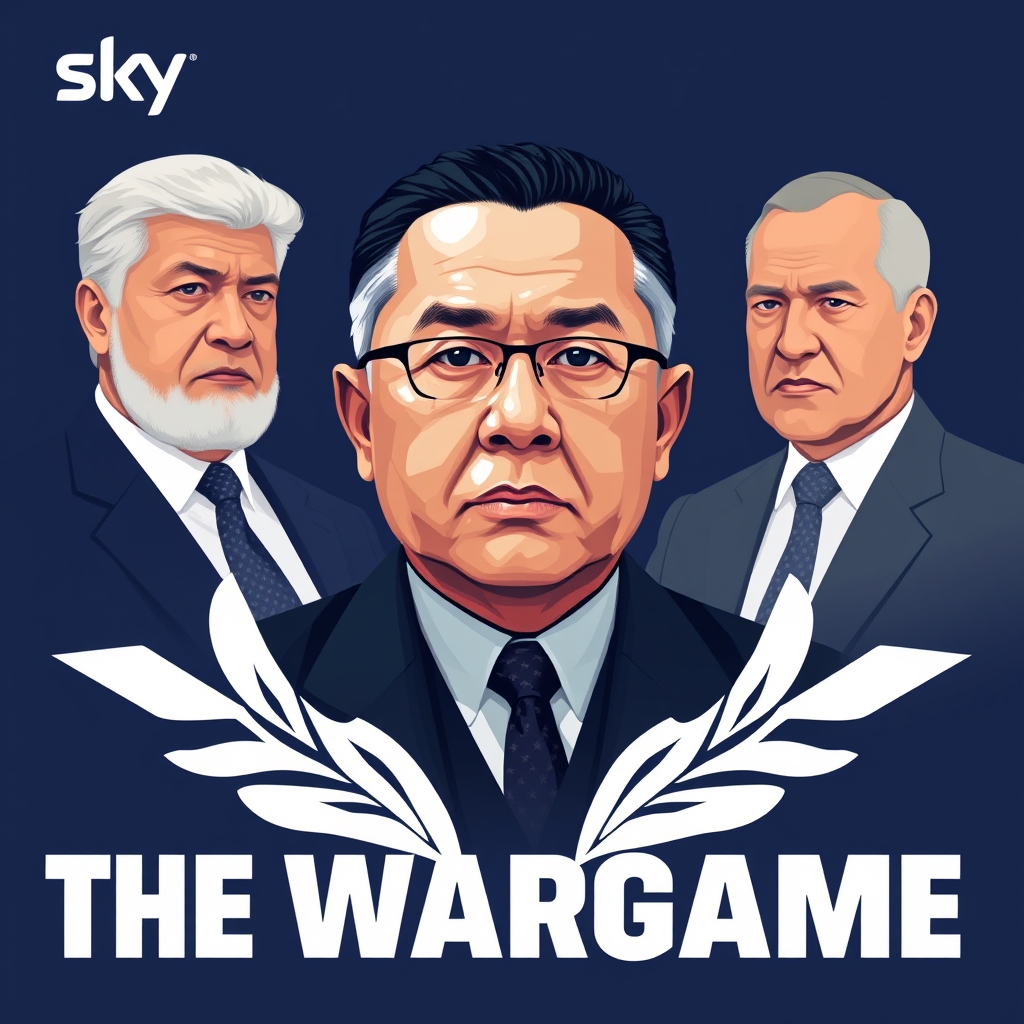
Sky's The Wargame
Sky's The Wargame
VS

Critics of war preparation

Critics

British politicians and generals are public figures who shape and lead the United Kingdom's defence policy, including senior government ministers, Members of Parliament, and high-ranking military officers.

They argue that the country must strengthen its armed forces and civil preparedness in response to what they describe as a growing threat from Russia.

Critics of war preparation include commentators, anti-war activists, and members of the public who question the necessity and consequences of these measures.

The two sides disagree over whether the push to prepare for a potential war with Russia is a justified response to a real security threat or an alarmist drive that serves the interests of political and military elites.

Supporters contend that heightened readiness is essential to deter aggression and protect the nation, while critics argue that the rhetoric inflates fear, diverts resources, and risks entangling the UK in a conflict that could be avoided.

At stake is public trust in government and military institutions, the allocation of billions of pounds in defence spending, and the question of how much personal sacrifice citizens should be asked to make for a war that has not materialised.

The debate also touches on historical tensions over the role of military figures in British politics and the influence of defence interests on public policy.

*AI-generated summary of publicly available data. This is not an official statement of any party.

AI-Generated British politicians and generals Narrative

*AI-generated summary of publicly available statements and reporting. This is not an official statement of this party.

Supporters of British politicians and generals argue that cultural resilience and national unity are essential to deterrence, maintaining that preparing the public for potential conflict strengthens national identity rather than fear.

Supporters of British politicians and generals argue that a shared culture of national readiness and civic duty is essential to deter Russia, framing public resilience as a cultural inheritance worth preserving.

Supporters of British politicians and generals counter that Britain's cultural inheritance rests on martial vigilance, not passive restraint, and that preparing for war preserves the institutions critics claim it threatens.

Supporters of British politicians and generals argue that international law and NATO's Article 5 obligations legally require the UK to maintain credible defensive readiness against Russian aggression.

Supporters of British politicians and generals argue that legal obligations under NATO's collective defense treaty justify urging public readiness for a potential Russian conflict.

Supporters of British politicians and generals counter that the royal prerogative historically let ministers deploy forces without prior parliamentary approval, so public readiness appeals need no vote.

Supporters of British politicians and generals argue that stoking war fears consolidates public consent, secures defense budgets, and preserves their influence—preparations they frame as prudence rather than provocation.

Supporters of British politicians and generals argue that stoking war fears preserves their relevance and budgets; they maintain deterrence messaging serves elite interests regardless of actual Russian threat.

Supporters of British politicians and generals counter that Russian aggression is observable fact, not invention; elites respond to it because voters punish leaders seen as weak, not because fear is manufactured.

Supporters of British politicians and generals argue that preparing the public for possible war with Russia is a moral duty of stewardship, insisting that forewarned citizens are better able to protect their families and nation.

Supporters of British politicians and generals argue that preparing the public for potential war with Russia is a moral duty of deterrence, insisting that readiness protects innocent lives and preserves peace.

Supporters of British politicians and generals counter that warning of real threats is a moral duty of leadership, not fear-mongering, since deterrence protects the many who would otherwise bear war's cost.

Supporters of British politicians and generals argue that preparing for war with Russia is a moral duty to defend the innocent, invoking the Christian just-war tradition and the biblical call to protect one's neighbor.

Supporters of British politicians and generals invoke just-war doctrine, arguing that defending the innocent against aggression is a moral duty, and that readiness deters war rather than causes it.

Supporters of British politicians and generals counter that scripture itself commands defending the innocent, citing Romans 13's sword-bearing authority to restrain evil, so rearmament is a moral duty, not a substitute for faith.

AI-Generated Critics of war preparation Narrative

*AI-generated summary of publicly available statements and reporting. This is not an official statement of this party.

Supporters of Critics of war preparation argue that cultivating fear of Russia erodes Britain’s cultural inheritance of restraint and civic peace, warning that a nation taught to imagine war may forfeit the inherited wisdom of its institutions.

Supporters of the Critics of war preparation argue that urging Britons to imagine war with Russia erodes inherited civic trust and peaceful custom, serving elite interests rather than the nation's cultural continuity.

Critics of war preparation counter that state-driven unity campaigns erode organic cultural ties, replacing inherited community bonds with manufactured loyalty that frays once the crisis passes.

Supporters of Critics of war preparation argue that under UK law, ministers need Parliament's legal authorization before committing to armed conflict, so urging public readiness for a Russia war without that legal basis is premature.

Supporters of the critics argue that urging the public to prepare for war with Russia without parliamentary scrutiny or a legal casus belli risks normalizing conflict absent lawful justification.

Supporters of Critics of war preparation counter that Article 5 obliges collective response only after an attack, not peacetime buildup, and that international law permits defense without mandating specific spending.

Supporters of Critics of war preparation argue Britain’s elites stoke Russian threat fears to justify military budgets, distract from domestic failures, and secure power, not to protect the public.

Supporters of Critics of war preparation argue that British elites stoke fear of Russia to justify higher defense spending, distracting from domestic failures while the public bears the risk.

Supporters of Critics of war preparation counter that stoked war fears chiefly serve leaders' own survival; the public's consent, once manufactured, rarely restrains the very power it was meant to check.

Supporters of the critics argue that urging Britons to prepare for a war with Russia is morally wrong when politicians and generals who never fight are the ones who benefit most from the fear they manufacture.

Supporters of the critics argue that urging Britons to prepare for an imagined war with Russia is morally wrong when those promoting it never bear the risk themselves.

Critics of war preparation counter that framing public fear as moral stewardship ignores the moral cost: normalizing war with Russia fuels arms races and makes conflict likelier, not safer.

Supporters of Critics of war preparation argue that urging Britons toward war with Russia substitutes fear for faith, and that religious tradition counsels prudence and peace over imagined conflict.

Supporters of the critics argue that calling Britons to prepare for a war with Russia elevates the state above inherited moral and religious restraints on killing, and that true faith counsels prudence over fear.

Critics of war preparation counter that invoking Christian duty to fight Russia inverts the faith's peace witness, since the same tradition commands turning the other cheek and pursuing reconciliation rather than arming for slaughter.

AI-Generated British politicians and generals Narrative

AI-generated summary of publicly available statements and reporting. This is not an official statement of this party.

Supporters of British politicians and generals argue that cultural resilience and national unity are essential to deterrence, maintaining that preparing the public for potential conflict strengthens national identity rather than fear.

Supporters of British politicians and generals argue that a shared culture of national readiness and civic duty is essential to deter Russia, framing public resilience as a cultural inheritance worth preserving.

Supporters of British politicians and generals counter that Britain's cultural inheritance rests on martial vigilance, not passive restraint, and that preparing for war preserves the institutions critics claim it threatens.

Supporters of British politicians and generals argue that international law and NATO's Article 5 obligations legally require the UK to maintain credible defensive readiness against Russian aggression.

Supporters of British politicians and generals argue that legal obligations under NATO's collective defense treaty justify urging public readiness for a potential Russian conflict.

Supporters of British politicians and generals counter that the royal prerogative historically let ministers deploy forces without prior parliamentary approval, so public readiness appeals need no vote.

Supporters of British politicians and generals argue that stoking war fears consolidates public consent, secures defense budgets, and preserves their influence—preparations they frame as prudence rather than provocation.

Supporters of British politicians and generals argue that stoking war fears preserves their relevance and budgets; they maintain deterrence messaging serves elite interests regardless of actual Russian threat.

Supporters of British politicians and generals counter that Russian aggression is observable fact, not invention; elites respond to it because voters punish leaders seen as weak, not because fear is manufactured.

Supporters of British politicians and generals argue that preparing the public for possible war with Russia is a moral duty of stewardship, insisting that forewarned citizens are better able to protect their families and nation.

Supporters of British politicians and generals argue that preparing the public for potential war with Russia is a moral duty of deterrence, insisting that readiness protects innocent lives and preserves peace.

Supporters of British politicians and generals counter that warning of real threats is a moral duty of leadership, not fear-mongering, since deterrence protects the many who would otherwise bear war's cost.

Supporters of British politicians and generals argue that preparing for war with Russia is a moral duty to defend the innocent, invoking the Christian just-war tradition and the biblical call to protect one's neighbor.

Supporters of British politicians and generals invoke just-war doctrine, arguing that defending the innocent against aggression is a moral duty, and that readiness deters war rather than causes it.

Supporters of British politicians and generals counter that scripture itself commands defending the innocent, citing Romans 13's sword-bearing authority to restrain evil, so rearmament is a moral duty, not a substitute for faith.

AI-Generated Critics of war preparation Narrative

Supporters of Critics of war preparation argue that cultivating fear of Russia erodes Britain’s cultural inheritance of restraint and civic peace, warning that a nation taught to imagine war may forfeit the inherited wisdom of its institutions.

Supporters of the Critics of war preparation argue that urging Britons to imagine war with Russia erodes inherited civic trust and peaceful custom, serving elite interests rather than the nation's cultural continuity.

Critics of war preparation counter that state-driven unity campaigns erode organic cultural ties, replacing inherited community bonds with manufactured loyalty that frays once the crisis passes.

Supporters of Critics of war preparation argue that under UK law, ministers need Parliament's legal authorization before committing to armed conflict, so urging public readiness for a Russia war without that legal basis is premature.

Supporters of the critics argue that urging the public to prepare for war with Russia without parliamentary scrutiny or a legal casus belli risks normalizing conflict absent lawful justification.

Supporters of Critics of war preparation counter that Article 5 obliges collective response only after an attack, not peacetime buildup, and that international law permits defense without mandating specific spending.

Supporters of Critics of war preparation argue Britain’s elites stoke Russian threat fears to justify military budgets, distract from domestic failures, and secure power, not to protect the public.

Supporters of Critics of war preparation argue that British elites stoke fear of Russia to justify higher defense spending, distracting from domestic failures while the public bears the risk.

Supporters of Critics of war preparation counter that stoked war fears chiefly serve leaders' own survival; the public's consent, once manufactured, rarely restrains the very power it was meant to check.

Supporters of the critics argue that urging Britons to prepare for a war with Russia is morally wrong when politicians and generals who never fight are the ones who benefit most from the fear they manufacture.

Supporters of the critics argue that urging Britons to prepare for an imagined war with Russia is morally wrong when those promoting it never bear the risk themselves.

Critics of war preparation counter that framing public fear as moral stewardship ignores the moral cost: normalizing war with Russia fuels arms races and makes conflict likelier, not safer.

Supporters of Critics of war preparation argue that urging Britons toward war with Russia substitutes fear for faith, and that religious tradition counsels prudence and peace over imagined conflict.

Supporters of the critics argue that calling Britons to prepare for a war with Russia elevates the state above inherited moral and religious restraints on killing, and that true faith counsels prudence over fear.

Critics of war preparation counter that invoking Christian duty to fight Russia inverts the faith's peace witness, since the same tradition commands turning the other cheek and pursuing reconciliation rather than arming for slaughter.


Sep 24, 2026
Britain’s elites want you ready to die for a war they keep imagining

Politicians, generals and Sky’s The Wargame are urging Britons to imagine war with Russia. Who benefits from the growing fear? Read Full Article at RT.com

May 16, 2019
Publication on Parliament's Civil War generals

A book titled 'Parliament's Generals: Supreme Command and Politics' was published, covering military leaders like Waller, Essex, Fairfax, Manchester, and Cromwell who fought for Parliament during the English Civil War.


Oct 7, 2009
BBC analysis of generals as politicians

A BBC Newsnight blog post by Mark Urban examined the historical role of military commanders such as Marlborough and Wellington in British politics, noting they were divisive figures viewed through party prejudice.

Why Should You Care?
The debate is about whether British politicians and generals are right to warn the public to prepare for a possible war with Russia, or whether they are stoking fear for their own benefit. For an ordinary person, the most concrete daily-life effect is that this kind of public alarm can shape government spending priorities and public mood, but the source material does not show immediate changes to prices, jobs, or travel.
Public Spending & Taxes
If the debate leads to higher defense budgets, that money may come from the same pot that funds schools, hospitals, and local services, though no specific cuts are confirmed in the source.
National Mood & Anxiety
Hearing politicians and generals repeatedly urge war preparation can make everyday life feel more tense and uncertain, even if no fighting is happening now.
Energy & Fuel Prices
Any serious escalation with Russia could push up oil and gas prices, which would raise the cost of filling a car or heating a home, but this is a possible future effect, not a current one shown in the source.
Groceries & Food Costs
A wider conflict could disrupt grain and fertilizer shipments, making some food more expensive, but the source does not report any such price changes happening today.
Investments & Savings
Markets often wobble when war talk grows, which could affect pensions and savings, though the source gives no specific figures or market reactions.
The bottom line: The main everyday takeaway is that this debate is mostly about political priorities and public fear, not about immediate changes to your bills or daily routine, so watch for real budget or price decisions rather than rhetoric alone.
AI-generated plain-language analysis · 2026-09-24 17:01
arrow_back Back to Conflicts Next arrow_forward
graphic_eq

This tour has sound.

Tap to play the voiceover narration (with background music).