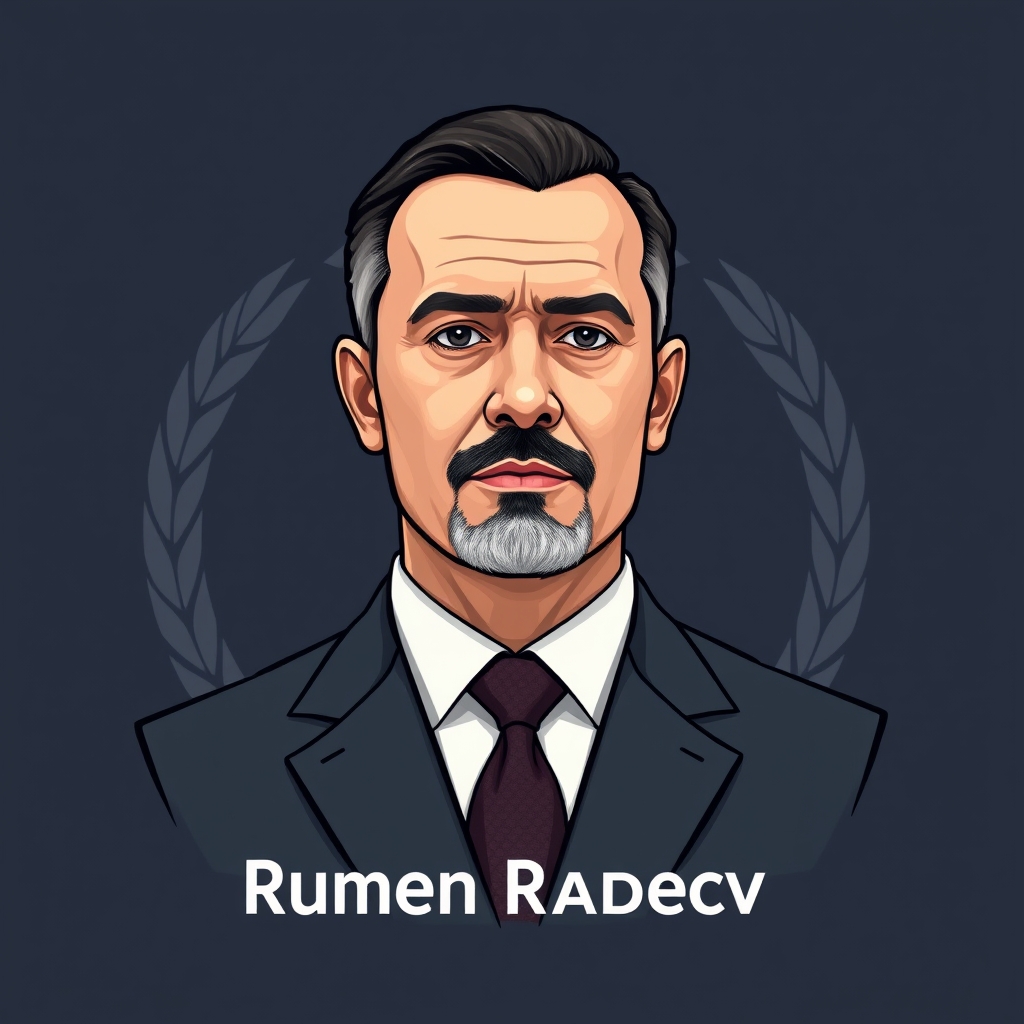
Bulgarian PM Rumen Radev
VS
Parties blaming Russia
?
No actors in this side.
No actors in this side.
Bulgarian Prime Minister Rumen Radev is a former president and air force commander who leads Progressive Bulgaria, a center-left party that won an absolute majority in Bulgaria's April 2026 parliamentary election and was confirmed in government in May 2026.
Parties blaming Russia are the political forces that attribute the September 2026 drone incident at Germany's Leipzig airport to Moscow and argue that Russia should be held responsible.
The two sides disagree over how to characterize the Leipzig drone incident.
Radev has declined to squarely assign blame to Russia, while the other parties have pointed the finger at Moscow.
The dispute reflects broader divisions over Bulgaria's posture toward Russia, given Radev's party has been described as pro-Russian and Russia-aligned in election coverage.
*AI-generated summary of publicly available data. This is not an official statement of any party.
*AI-generated summary of publicly available statements and reporting. This is not an official statement of this party.
Supporters of Bulgarian PM Rumen Radev argue that assigning blame to Russia before evidence is presented risks dragging Bulgaria into a foreign conflict, and they maintain that national interests, not external narratives, should guide the country's response.
Supporters of Bulgarian PM Rumen Radev argue that blaming Moscow without evidence betrays Bulgaria's own cultural memory of being used as a proxy in foreign conflicts.
Supporters of Bulgarian PM Rumen Radev counter that Bulgaria's cultural memory of foreign powers dictating its alignments makes naming Russia on thin evidence a risk to national self-determination, not nostalgia.
Supporters of Bulgarian PM Rumen Radev argue that attributing the Leipzig drone incident to Russia without due legal process violates the presumption of innocence, insisting that blame requires verified evidence rather than political assertion.
Supporters of Bulgarian PM Rumen Radev argue that attributing the Leipzig drone incident to Russia without due legal process presumes guilt before evidence, violating the principle that blame requires proof.
Supporters of Bulgarian PM Rumen Radev counter that attribution under international law must rest on verifiable evidence, not political assertion, and that naming Moscow before proof is established risks prejudging legal accountability.
Supporters of Bulgarian PM Rumen Radev argue that pinning the Leipzig drone on Moscow without proof serves others' agendas, and that withholding blame preserves Sofia's leverage rather than spending it on a case it does not control.
Supporters of Bulgarian PM Rumen Radev argue that refusing to assign blame over Leipzig preserves leverage: naming Russia prematurely forfeits bargaining room, while ambiguity keeps Bulgaria positioned to extract concessions from all sides.
Supporters of Rumen Radev counter that the Russia-blame frame costs him little: Bulgarian voters reward sovereignty talk, not Atlanticist cues, so exiting the posture is cheap while staying in it wins domestic cover.
Supporters of Bulgarian PM Rumen Radev argue that assigning blame to Russia before evidence is verified is morally reckless, insisting that accusations require proof rather than assumption.
Supporters of Bulgarian PM Rumen Radev argue that blaming Russia for the Leipzig drone incident without verified evidence is morally reckless, since unproven accusations could unjustly punish a nation.
Supporters of Rumen Radev counter that blaming Moscow without verified attribution violates the moral duty to evidence, risking false accusations that harm innocents and discredit the very accountability the critics claim to defend.
Supporters of Bulgarian PM Rumen Radev argue that judgment belongs to God alone, so assigning blame to Russia without proof risks bearing false witness, a sin scripture condemns.
Supporters of Bulgarian PM Rumen Radev invoke the moral duty of restraint and the sin of bearing false witness, arguing that scripture counsels against condemning Russia without proven evidence in the Leipzig drone incident.
Supporters of Bulgarian PM Rumen Radev counter that just-war doctrine also demands proportionality and humility, warning that naming Moscow's hand risks escalating conflict rather than restoring the peace scripture commands.
*AI-generated summary of publicly available statements and reporting. This is not an official statement of this party.
Supporters of Parties blaming Russia argue that a drone intrusion at Leipzig airport fits Moscow's established pattern of hybrid provocation, and that Radev's refusal to name Russia reflects a cultural reluctance to abandon old alliances rather than genuine uncertainty.
Supporters of Parties blaming Russia argue that attributing the Leipzig drone incident to Moscow upholds the cultural norm of holding hostile actors accountable, preserving inherited trust in European security institutions.
Supporters of Parties blaming Russia counter that Russia's cultural and historical ties to Bulgaria were weaponized through propaganda, so naming the threat preserves national identity rather than dragging Bulgaria into foreign conflicts.
Supporters of Parties blaming Russia argue that international law and sovereign accountability require identifying the state responsible for the Leipzig drone incident, and they point to Moscow as the party to hold legally answerable.
Supporters of the Parties blaming Russia argue that Moscow's history of hybrid tactics and plausible deniability makes it the likely culprit, and that legal accountability requires naming the aggressor rather than hiding behind procedural caution.
Supporters of Parties blaming Russia counter that international law permits attribution based on verified intelligence, not courtroom proof, so the presumption of innocence does not bar states from naming Russia as responsible.
Supporters of Parties blaming Russia argue that naming Moscow serves their coalition's interest: it justifies continued arming of Ukraine and locks wavering leaders like Radev into a blame posture they cannot easily exit.
Supporters of Parties blaming Russia argue that naming Moscow serves their coalition's interest: it hardens European unity and isolates Radev, whose refusal to assign blame they cast as useful cover for Russian leverage.
Parties blaming Russia counter that Radev's withheld blame is itself leverage spent—on Moscow's behalf—since inaction signals Sofia can be pressured, not that it can pressure.
Supporters of Parties blaming Russia argue that Moscow's pattern of hybrid actions makes it morally irresponsible to withhold blame, and that Radev's caution risks normalizing aggression.
Supporters of the parties blaming Russia argue that when a drone disrupts a NATO airport, Moscow's history of hybrid warfare makes it morally irresponsible to look away.
Supporters of Parties blaming Russia counter that moral duty demands naming aggression's source, arguing that demanding impossible proof before judgment enables the aggressor and abandons victims.
Supporters of Parties blaming Russia invoke just-war tradition, arguing that unpunished aggression invites wider conflict and that moral order requires naming Moscow's hand at Leipzig.
Supporters of Parties blaming Russia invoke a moral duty to name aggression plainly, arguing that religious traditions honoring truth and protecting the innocent compel holding Moscow accountable for the Leipzig drone incident.
Supporters of Parties blaming Russia counter that Radev's own church leaders have called Russia's war on Ukraine a sin, so invoking God to shield Moscow from blame contradicts the very scripture cited.
AI-generated summary of publicly available statements and reporting. This is not an official statement of this party.
Supporters of Bulgarian PM Rumen Radev argue that assigning blame to Russia before evidence is presented risks dragging Bulgaria into a foreign conflict, and they maintain that national interests, not external narratives, should guide the country's response.
Supporters of Bulgarian PM Rumen Radev argue that blaming Moscow without evidence betrays Bulgaria's own cultural memory of being used as a proxy in foreign conflicts.
Supporters of Bulgarian PM Rumen Radev counter that Bulgaria's cultural memory of foreign powers dictating its alignments makes naming Russia on thin evidence a risk to national self-determination, not nostalgia.
Supporters of Bulgarian PM Rumen Radev argue that attributing the Leipzig drone incident to Russia without due legal process violates the presumption of innocence, insisting that blame requires verified evidence rather than political assertion.
Supporters of Bulgarian PM Rumen Radev argue that attributing the Leipzig drone incident to Russia without due legal process presumes guilt before evidence, violating the principle that blame requires proof.
Supporters of Bulgarian PM Rumen Radev counter that attribution under international law must rest on verifiable evidence, not political assertion, and that naming Moscow before proof is established risks prejudging legal accountability.
Supporters of Bulgarian PM Rumen Radev argue that pinning the Leipzig drone on Moscow without proof serves others' agendas, and that withholding blame preserves Sofia's leverage rather than spending it on a case it does not control.
Supporters of Bulgarian PM Rumen Radev argue that refusing to assign blame over Leipzig preserves leverage: naming Russia prematurely forfeits bargaining room, while ambiguity keeps Bulgaria positioned to extract concessions from all sides.
Supporters of Rumen Radev counter that the Russia-blame frame costs him little: Bulgarian voters reward sovereignty talk, not Atlanticist cues, so exiting the posture is cheap while staying in it wins domestic cover.
Supporters of Bulgarian PM Rumen Radev argue that assigning blame to Russia before evidence is verified is morally reckless, insisting that accusations require proof rather than assumption.
Supporters of Bulgarian PM Rumen Radev argue that blaming Russia for the Leipzig drone incident without verified evidence is morally reckless, since unproven accusations could unjustly punish a nation.
Supporters of Rumen Radev counter that blaming Moscow without verified attribution violates the moral duty to evidence, risking false accusations that harm innocents and discredit the very accountability the critics claim to defend.
Supporters of Bulgarian PM Rumen Radev argue that judgment belongs to God alone, so assigning blame to Russia without proof risks bearing false witness, a sin scripture condemns.
Supporters of Bulgarian PM Rumen Radev invoke the moral duty of restraint and the sin of bearing false witness, arguing that scripture counsels against condemning Russia without proven evidence in the Leipzig drone incident.
Supporters of Bulgarian PM Rumen Radev counter that just-war doctrine also demands proportionality and humility, warning that naming Moscow's hand risks escalating conflict rather than restoring the peace scripture commands.
Supporters of Parties blaming Russia argue that a drone intrusion at Leipzig airport fits Moscow's established pattern of hybrid provocation, and that Radev's refusal to name Russia reflects a cultural reluctance to abandon old alliances rather than genuine uncertainty.
Supporters of Parties blaming Russia argue that attributing the Leipzig drone incident to Moscow upholds the cultural norm of holding hostile actors accountable, preserving inherited trust in European security institutions.
Supporters of Parties blaming Russia counter that Russia's cultural and historical ties to Bulgaria were weaponized through propaganda, so naming the threat preserves national identity rather than dragging Bulgaria into foreign conflicts.
Supporters of Parties blaming Russia argue that international law and sovereign accountability require identifying the state responsible for the Leipzig drone incident, and they point to Moscow as the party to hold legally answerable.
Supporters of the Parties blaming Russia argue that Moscow's history of hybrid tactics and plausible deniability makes it the likely culprit, and that legal accountability requires naming the aggressor rather than hiding behind procedural caution.
Supporters of Parties blaming Russia counter that international law permits attribution based on verified intelligence, not courtroom proof, so the presumption of innocence does not bar states from naming Russia as responsible.
Supporters of Parties blaming Russia argue that naming Moscow serves their coalition's interest: it justifies continued arming of Ukraine and locks wavering leaders like Radev into a blame posture they cannot easily exit.
Supporters of Parties blaming Russia argue that naming Moscow serves their coalition's interest: it hardens European unity and isolates Radev, whose refusal to assign blame they cast as useful cover for Russian leverage.
Parties blaming Russia counter that Radev's withheld blame is itself leverage spent—on Moscow's behalf—since inaction signals Sofia can be pressured, not that it can pressure.
Supporters of Parties blaming Russia argue that Moscow's pattern of hybrid actions makes it morally irresponsible to withhold blame, and that Radev's caution risks normalizing aggression.
Supporters of the parties blaming Russia argue that when a drone disrupts a NATO airport, Moscow's history of hybrid warfare makes it morally irresponsible to look away.
Supporters of Parties blaming Russia counter that moral duty demands naming aggression's source, arguing that demanding impossible proof before judgment enables the aggressor and abandons victims.
Supporters of Parties blaming Russia invoke just-war tradition, arguing that unpunished aggression invites wider conflict and that moral order requires naming Moscow's hand at Leipzig.
Supporters of Parties blaming Russia invoke a moral duty to name aggression plainly, arguing that religious traditions honoring truth and protecting the innocent compel holding Moscow accountable for the Leipzig drone incident.
Supporters of Parties blaming Russia counter that Radev's own church leaders have called Russia's war on Ukraine a sin, so invoking God to shield Moscow from blame contradicts the very scripture cited.
A drone incident occurred at Germany's Leipzig airport last month.
Bulgaria's parliament confirmed Russia-aligned Rumen Radev as prime minister, leading the first majority government to rule the country since 1997.
Rumen Radev's new center-left party, Progressive Bulgaria, won an absolute majority in the country's eighth general election in five years.