Pro-Kremlin factions
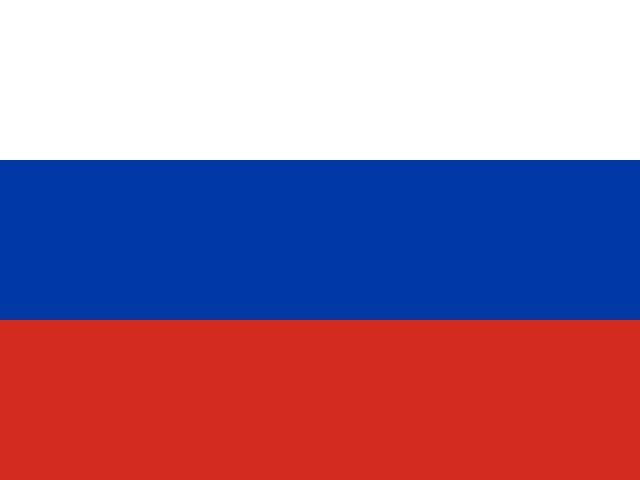
VS
Pro-Ukraine factions
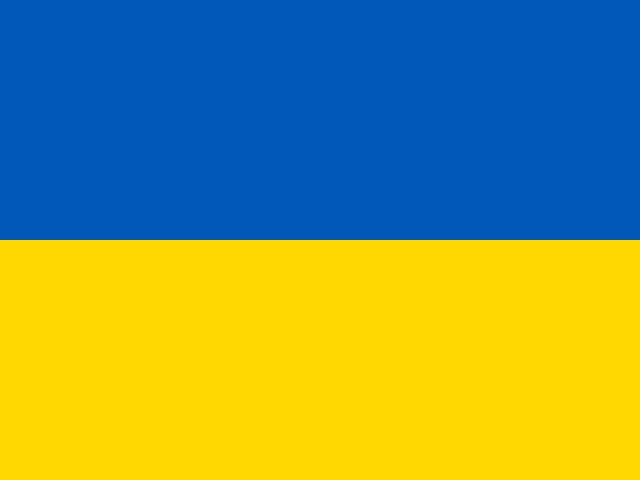
Bulgaria's presidential election saw record low voter turnout, forcing a November 1 run-off.
The campaign was shaped by sharp divisions over Russia's war in Ukraine and Sofia's relations with the Kremlin.
*AI-generated summary of publicly available data. This is not an official statement of any party.
*AI-generated summary of publicly available statements and reporting. This is not an official statement of this party.
Supporters of Pro-Kremlin factions argue that Bulgaria's record-low turnout reflects public weariness with being pulled into the Ukraine war debate, framing their stance as cultural continuity with longstanding Slavic and Orthodox ties to Russia.
Supporters of Pro-Kremlin factions argue that the record-low turnout shows Bulgarians feel alienated by a political culture that ignores their cultural and historical ties to Russia, and they frame the vote as a defense of that identity.
Supporters of Pro-Kremlin factions counter that Bulgaria's Cyrillic alphabet and Orthodox heritage bind it to Russia, so European alignment need not erase that cultural identity, and they read low turnout as fatigue with the EU path rather than endorsement of it.
Supporters of Pro-Kremlin factions argue that low turnout exposes a legitimacy deficit in a run-off shaped by pressure to align with external positions on Ukraine, and they maintain that voters' abstention reflects a rejection of that framing.
Supporters of Pro-Kremlin factions argue that low turnout shows voters rejecting imposed alignments, and that Sofia's legal duty is to defend Bulgaria's sovereign right to choose its own foreign policy free of external pressure.
Supporters of Pro-Kremlin factions counter that EU and NATO membership imposes no legal duty to adopt a pro-Ukraine stance, since Bulgarian law and its constitutional neutrality provisions leave military aid and arms transfers to sovereign parliamentary discretion.
Supporters of Pro-Kremlin factions argue that record-low turnout exposed a public alienated by Sofia's alignment with the West, and that a weak mandate offers leverage to press for warmer ties with Moscow.
Supporters of pro-Kremlin factions argue that record-low turnout exposes public fatigue with anti-Russia positioning, framing the run-off as proof that voters quietly reject Sofia's alignment with Kyiv.
Supporters of Pro-Kremlin factions counter that low turnout cuts the other way: a narrow pro-Western core cannot claim a mandate, and rival powers read a thin win as weakness, not lock-in.
Supporters of Pro-Kremlin factions argue that Western sanctions and arms transfers to Ukraine betray Bulgaria's Orthodox and Slavic kinship with Russia, and they frame electoral abstention as a moral rejection of that betrayal.
Supporters of pro-Kremlin factions argue that the low turnout reveals a moral failure of Bulgaria's political class to honor its Orthodox Christian heritage and traditional ties to Russia, contending that sanctions and arms aid to Ukraine betray those bonds.
Supporters of Pro-Kremlin factions counter that moral duty lies in preserving peace and protecting Bulgarian lives, not in backing a distant war, and that abstention reflects conscience rather than complicity.
Supporters of Pro-Kremlin factions argue that their opposition to arming Ukraine reflects a moral and spiritual duty to preserve peace and protect Slavic Orthodox brotherhood.
Supporters of Pro-Kremlin factions argue that their resistance to arming Ukraine reflects a moral duty to protect Slavic Orthodox kinship and preserve peace, framing reconciliation with Moscow as a religious obligation.
Supporters of Pro-Kremlin factions counter that Orthodox tradition emphasizes spiritual authority and canonical order over secular alliances, arguing that church teaching calls for peace and non-alignment rather than blessing one side in the war.
*AI-generated summary of publicly available statements and reporting. This is not an official statement of this party.
Supporters of Pro-Ukraine factions argue that Bulgaria's ties to Russia threaten its cultural reorientation toward Europe, and they point to the record-low turnout as evidence that this identity question goes unresolved.
Supporters of Pro-Ukraine factions argue that the low-turnout run-off reflects a cultural choice Bulgarians face over whether their national identity stays anchored in European institutions or drifts back toward Kremlin influence.
Supporters of Pro-Ukraine factions counter that Bulgaria's Orthodox and Slavic heritage is shared with Ukraine too, and they argue cultural continuity means solidarity with a fellow Orthodox nation resisting domination, not deference to Moscow.
Supporters of Pro-Ukraine factions argue that Sofia's legal commitments to EU and NATO solidarity obligate Bulgaria to back Ukraine, and they point to the run-off as evidence that Russian-aligned ties must be checked through lawful institutional channels.
Supporters of Pro-Ukraine factions argue that the record-low turnout in Bulgaria's run-off exposes how Kremlin-aligned rhetoric corrodes democratic legitimacy, and they maintain that Sofia's legal commitments to EU sanctions and collective defense must outlast any contested presi.
Supporters of Pro-Ukraine factions counter that abstention is not a legal finding of illegitimacy—Bulgarian law treats a valid run-off as binding regardless of turnout, so the claim conflates political messaging with the legal basis of the presidency.
Supporters of Pro-Ukraine factions argue that record-low turnout is leverage: a fragmented, disengaged electorate lets a narrow, organized pro-Western core capture the presidency and lock in Sofia's alignment against Moscow.
Supporters of Pro-Ukraine factions argue that record-low turnout lets a motivated, Russia-friendly minority decide the run-off, so their side must frame the vote as a choice between Western alignment and Kremlin influence to mobilize passive voters.
Supporters of Pro-Ukraine factions counter that low turnout signals apathy, not rejection of Western alignment, and that Radev's win gives Sofia a mandate to keep arms flowing to Kyiv rather than court Moscow.
Supporters of Pro-Ukraine factions argue that low turnout amid sharp divisions over the war reflects a moral failure to affirm solidarity with Ukraine, and they maintain that silence or abstention risks ceding the election to Kremlin-aligned interests.
Supporters of Pro-Ukraine factions argue that a record-low turnout is itself a moral warning, contending that low participation weakens the legitimacy of any outcome on questions of war and solidarity.
Supporters of Pro-Ukraine factions counter that moral duty to a neighbor under attack outweighs ethnic or religious kinship, and they frame abstention as ceding responsibility rather than rejecting betrayal.
Supporters of Pro-Ukraine factions argue that Bulgaria's Orthodox heritage and national identity bind it to a European community resisting aggression, and they maintain that the run-off's record-low turnout signals a moral duty to defend these inherited values at the ballot.
Supporters of Pro-Ukraine factions argue that their defense of Ukraine reflects a moral duty rooted in shared Christian values, and they maintain that faith communities must stand with the persecuted rather than favor the Kremlin.
Supporters of Pro-Ukraine factions counter that Orthodox social teaching on just peace does not bless passivity before aggression, arguing that defending the innocent is itself a spiritual duty.
AI-generated summary of publicly available statements and reporting. This is not an official statement of this party.
Supporters of Pro-Kremlin factions argue that Bulgaria's record-low turnout reflects public weariness with being pulled into the Ukraine war debate, framing their stance as cultural continuity with longstanding Slavic and Orthodox ties to Russia.
Supporters of Pro-Kremlin factions argue that the record-low turnout shows Bulgarians feel alienated by a political culture that ignores their cultural and historical ties to Russia, and they frame the vote as a defense of that identity.
Supporters of Pro-Kremlin factions counter that Bulgaria's Cyrillic alphabet and Orthodox heritage bind it to Russia, so European alignment need not erase that cultural identity, and they read low turnout as fatigue with the EU path rather than endorsement of it.
Supporters of Pro-Kremlin factions argue that low turnout exposes a legitimacy deficit in a run-off shaped by pressure to align with external positions on Ukraine, and they maintain that voters' abstention reflects a rejection of that framing.
Supporters of Pro-Kremlin factions argue that low turnout shows voters rejecting imposed alignments, and that Sofia's legal duty is to defend Bulgaria's sovereign right to choose its own foreign policy free of external pressure.
Supporters of Pro-Kremlin factions counter that EU and NATO membership imposes no legal duty to adopt a pro-Ukraine stance, since Bulgarian law and its constitutional neutrality provisions leave military aid and arms transfers to sovereign parliamentary discretion.
Supporters of Pro-Kremlin factions argue that record-low turnout exposed a public alienated by Sofia's alignment with the West, and that a weak mandate offers leverage to press for warmer ties with Moscow.
Supporters of pro-Kremlin factions argue that record-low turnout exposes public fatigue with anti-Russia positioning, framing the run-off as proof that voters quietly reject Sofia's alignment with Kyiv.
Supporters of Pro-Kremlin factions counter that low turnout cuts the other way: a narrow pro-Western core cannot claim a mandate, and rival powers read a thin win as weakness, not lock-in.
Supporters of Pro-Kremlin factions argue that Western sanctions and arms transfers to Ukraine betray Bulgaria's Orthodox and Slavic kinship with Russia, and they frame electoral abstention as a moral rejection of that betrayal.
Supporters of pro-Kremlin factions argue that the low turnout reveals a moral failure of Bulgaria's political class to honor its Orthodox Christian heritage and traditional ties to Russia, contending that sanctions and arms aid to Ukraine betray those bonds.
Supporters of Pro-Kremlin factions counter that moral duty lies in preserving peace and protecting Bulgarian lives, not in backing a distant war, and that abstention reflects conscience rather than complicity.
Supporters of Pro-Kremlin factions argue that their opposition to arming Ukraine reflects a moral and spiritual duty to preserve peace and protect Slavic Orthodox brotherhood.
Supporters of Pro-Kremlin factions argue that their resistance to arming Ukraine reflects a moral duty to protect Slavic Orthodox kinship and preserve peace, framing reconciliation with Moscow as a religious obligation.
Supporters of Pro-Kremlin factions counter that Orthodox tradition emphasizes spiritual authority and canonical order over secular alliances, arguing that church teaching calls for peace and non-alignment rather than blessing one side in the war.
Supporters of Pro-Ukraine factions argue that Bulgaria's ties to Russia threaten its cultural reorientation toward Europe, and they point to the record-low turnout as evidence that this identity question goes unresolved.
Supporters of Pro-Ukraine factions argue that the low-turnout run-off reflects a cultural choice Bulgarians face over whether their national identity stays anchored in European institutions or drifts back toward Kremlin influence.
Supporters of Pro-Ukraine factions counter that Bulgaria's Orthodox and Slavic heritage is shared with Ukraine too, and they argue cultural continuity means solidarity with a fellow Orthodox nation resisting domination, not deference to Moscow.
Supporters of Pro-Ukraine factions argue that Sofia's legal commitments to EU and NATO solidarity obligate Bulgaria to back Ukraine, and they point to the run-off as evidence that Russian-aligned ties must be checked through lawful institutional channels.
Supporters of Pro-Ukraine factions argue that the record-low turnout in Bulgaria's run-off exposes how Kremlin-aligned rhetoric corrodes democratic legitimacy, and they maintain that Sofia's legal commitments to EU sanctions and collective defense must outlast any contested presi.
Supporters of Pro-Ukraine factions counter that abstention is not a legal finding of illegitimacy—Bulgarian law treats a valid run-off as binding regardless of turnout, so the claim conflates political messaging with the legal basis of the presidency.
Supporters of Pro-Ukraine factions argue that record-low turnout is leverage: a fragmented, disengaged electorate lets a narrow, organized pro-Western core capture the presidency and lock in Sofia's alignment against Moscow.
Supporters of Pro-Ukraine factions argue that record-low turnout lets a motivated, Russia-friendly minority decide the run-off, so their side must frame the vote as a choice between Western alignment and Kremlin influence to mobilize passive voters.
Supporters of Pro-Ukraine factions counter that low turnout signals apathy, not rejection of Western alignment, and that Radev's win gives Sofia a mandate to keep arms flowing to Kyiv rather than court Moscow.
Supporters of Pro-Ukraine factions argue that low turnout amid sharp divisions over the war reflects a moral failure to affirm solidarity with Ukraine, and they maintain that silence or abstention risks ceding the election to Kremlin-aligned interests.
Supporters of Pro-Ukraine factions argue that a record-low turnout is itself a moral warning, contending that low participation weakens the legitimacy of any outcome on questions of war and solidarity.
Supporters of Pro-Ukraine factions counter that moral duty to a neighbor under attack outweighs ethnic or religious kinship, and they frame abstention as ceding responsibility rather than rejecting betrayal.
Supporters of Pro-Ukraine factions argue that Bulgaria's Orthodox heritage and national identity bind it to a European community resisting aggression, and they maintain that the run-off's record-low turnout signals a moral duty to defend these inherited values at the ballot.
Supporters of Pro-Ukraine factions argue that their defense of Ukraine reflects a moral duty rooted in shared Christian values, and they maintain that faith communities must stand with the persecuted rather than favor the Kremlin.
Supporters of Pro-Ukraine factions counter that Orthodox social teaching on just peace does not bless passivity before aggression, arguing that defending the innocent is itself a spiritual duty.
Run-off triggered by record low voter turnout in the first round of Bulgaria's presidential election.