Catholic Church
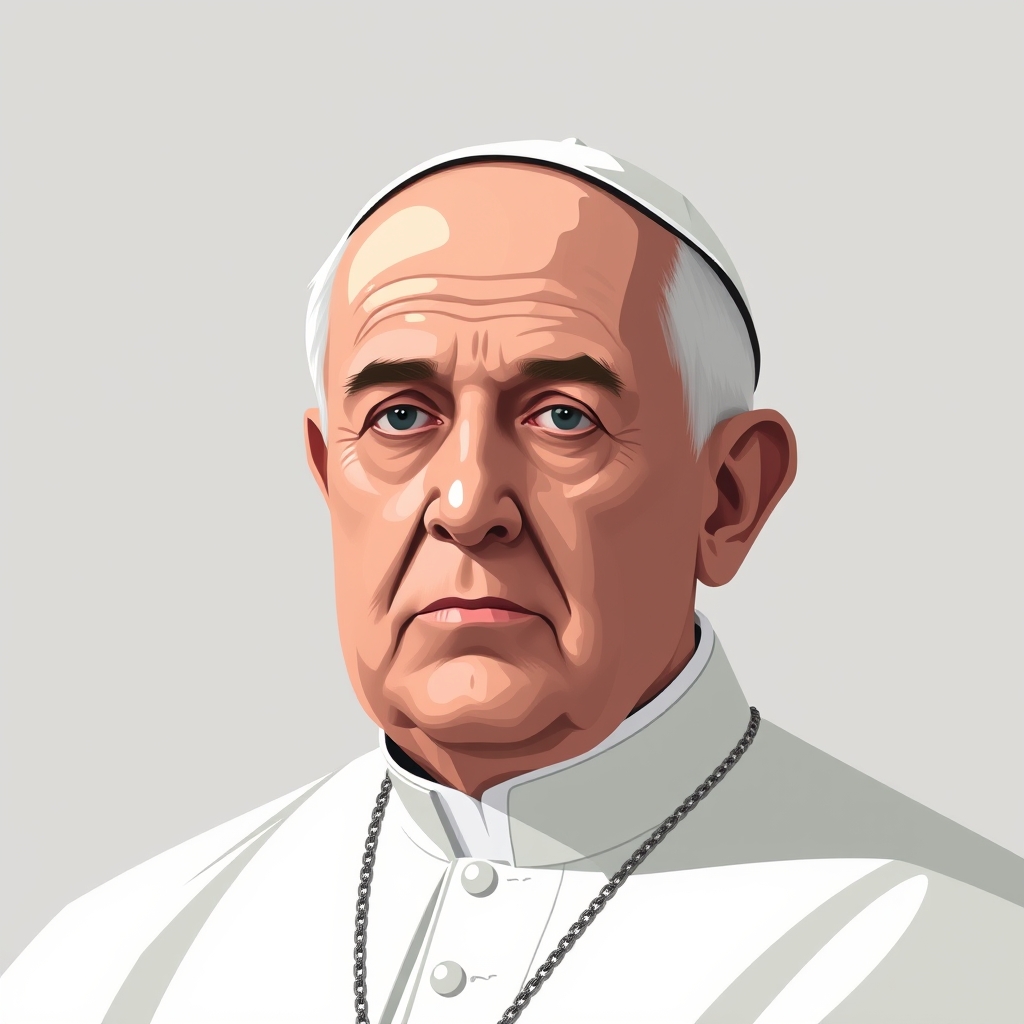
VS
Assisted dying advocates
?
No actors in this side.
No actors in this side.
The Catholic Church is the world's largest Christian denomination, led by the Pope, and teaches that human life is sacred from conception to natural death.
Catholics for Compassion is a group of faithful Catholics who advocate for expanding end-of-life options for individuals diagnosed with terminal illnesses, positioning themselves within the church while disagreeing with its official stance.
The Church opposes assisted suicide and euthanasia, arguing that legalizing these practices endangers the good of every person in society and the protection of the vulnerable.
Assisted dying advocates, including Catholics for Compassion, contend that terminally ill individuals should have the option to end their suffering, creating a conflict between the Church's moral teaching and calls for expanded end-of-life choices.
The debate has surfaced in various countries, including France and the United States, where legislative proposals on assisted suicide challenge the Church's position on the dignity of life.
Pope Leo's upcoming state visit to France in September 2026 highlights these ongoing tensions between the Church and advocates for assisted dying.
*AI-generated summary of publicly available data. This is not an official statement of any party.
*AI-generated summary of publicly available statements and reporting. This is not an official statement of this party.
Supporters of the Catholic Church argue that France's inheritance of Christian moral tradition, not new legislation, anchors the meaning of a life worth protecting until its natural end.
Supporters of the Catholic Church argue that France’s inherited Christian heritage makes care for the dying, not assisted dying, the true cultural norm. They see the papal visit as a defense of that continuity.
Supporters of the Catholic Church counter that France's cultural identity is itself rooted in centuries of Christian tradition, so end-of-life law cannot be severed from that inheritance without erasing the very heritage that shaped it.
Supporters of the Catholic Church argue that French law should protect life from conception to natural death, contending that legalizing assisted dying would undermine existing safeguards and human dignity.
Supporters of the Catholic Church argue that legalizing assisted dying erodes the legal principle that human life is inviolable, and that laws should protect the vulnerable rather than permit their ending.
Supporters of the Catholic Church counter that laïcité protects freedom of conscience rather than mandating state neutrality toward killing, so the ECHR's autonomy clause cannot compel legalizing assisted dying.
Supporters of the Catholic Church see the papal visit as leverage: by anchoring moral authority in France, the Church aims to check assisted-dying laws and shore up institutional influence where its standing has eroded.
Supporters of the Catholic Church argue the papal visit is a strategic show of institutional power, using France's stage to reassert moral authority and pressure lawmakers against assisted dying before any vote.
Supporters of the Catholic Church counter that influence over legislators, not clergy, is the real prize; the papal visit signals voting blocs and institutional weight that no bill can ignore.
Supporters of the Catholic Church argue that deliberately ending a life, even at the sufferer's request, violates the inherent dignity and moral worth of every person from natural beginning to natural end.
Supporters of the Catholic Church argue that legalizing assisted dying violates the moral duty to protect every human life, and that true compassion means accompanying the suffering, never authorizing their death.
Supporters of the Catholic Church counter that true compassion cannot license intentionally ending a life, since every person's dignity is inherent and not contingent on autonomy.
Supporters of the Catholic Church argue that life is a gift from God, so laws permitting assisted dying defy divine law and the sanctity of human life.
Supporters of the Catholic Church hold that life is a gift from God, so assisted dying violates divine law and human dignity, and they urge France to uphold that moral teaching during Pope Leo's visit.
Supporters of the Catholic Church counter that civil law must protect every life regardless of creed, since the dying person's dignity rests in care and accompaniment, not in legislation that redefines killing as compassion.
*AI-generated summary of publicly available statements and reporting. This is not an official statement of this party.
Supporters of Assisted dying advocates argue that France's secular identity means end-of-life choices should reflect individual will, not church doctrine, as Pope Leo's visit spotlights the church's waning cultural authority.
Supporters of Assisted dying advocates argue that France's secular identity means end-of-life law should reflect citizens' autonomy, not Catholic doctrine, and they see the papal visit as a cultural clash over who defines French values.
Supporters of Assisted dying advocates counter that France's moral tradition is plural, not singular, and that a secular state owes equal respect to citizens who reject Christian accounts of a life worth living.
Supporters of assisted dying advocates argue that France's laicité and the European Convention on Human Rights protect individual autonomy, so religious doctrine cannot override a person's legally grounded choice over their own end-of-life care.
Supporters of assisted dying advocates argue that France's legal framework should uphold individual autonomy and human dignity, maintaining that competent adults facing terminal illness have a legal right to choose the timing of their death.
Supporters of assisted dying advocates counter that French law already permits deep sedation and withholding treatment, so legalizing assisted dying would extend patient autonomy, not erode existing safeguards.
Supporters of assisted dying argue the papal visit is a power play: the Church defends its institutional influence over French law, not the dying, so advocates court legislators instead of clergy.
Supporters of assisted dying advocates read the papal visit as a bid to reclaim moral authority in France, arguing the Church's opposition serves institutional power, not the dying.
Assisted-dying advocates counter that the papal visit is a display of soft power, not real leverage; French legislators answer to voters, not Vatican moral authority, so the Church's blessing shifts no votes in the chamber.
Supporters of Assisted dying advocates argue that compassion demands giving the terminally ill the moral right to choose a dignified death, and that the Church's opposition imposes one faith's doctrine on a secular France.
Supporters of Assisted dying advocates argue that compassion demands giving the terminally ill a legal, dignified choice, and that moral authority on suffering belongs to those living it, not to church doctrine.
Supporters of assisted dying counter that dignity is not a fixed gift but a person's own moral authority, so forcing someone to endure unbearable suffering for another's doctrine denies the very worth the Church claims to defend.
Assisted dying advocates argue that compassion compels allowing the terminally ill to choose a dignified death, and they maintain that the Catholic Church imposing its doctrine on France's secular laws denies non-believers the freedom to decide their own final moments.
Supporters of assisted dying argue that legalizing it reflects France's secular tradition, maintaining that the state, not the church, should decide end-of-life law as Pope Leo visits.
Assisted dying advocates counter that God-given free will means faith cannot be imposed by law, and that a plural society must let people of all beliefs choose a dignified death.
AI-generated summary of publicly available statements and reporting. This is not an official statement of this party.
Supporters of the Catholic Church argue that France's inheritance of Christian moral tradition, not new legislation, anchors the meaning of a life worth protecting until its natural end.
Supporters of the Catholic Church argue that France’s inherited Christian heritage makes care for the dying, not assisted dying, the true cultural norm. They see the papal visit as a defense of that continuity.
Supporters of the Catholic Church counter that France's cultural identity is itself rooted in centuries of Christian tradition, so end-of-life law cannot be severed from that inheritance without erasing the very heritage that shaped it.
Supporters of the Catholic Church argue that French law should protect life from conception to natural death, contending that legalizing assisted dying would undermine existing safeguards and human dignity.
Supporters of the Catholic Church argue that legalizing assisted dying erodes the legal principle that human life is inviolable, and that laws should protect the vulnerable rather than permit their ending.
Supporters of the Catholic Church counter that laïcité protects freedom of conscience rather than mandating state neutrality toward killing, so the ECHR's autonomy clause cannot compel legalizing assisted dying.
Supporters of the Catholic Church see the papal visit as leverage: by anchoring moral authority in France, the Church aims to check assisted-dying laws and shore up institutional influence where its standing has eroded.
Supporters of the Catholic Church argue the papal visit is a strategic show of institutional power, using France's stage to reassert moral authority and pressure lawmakers against assisted dying before any vote.
Supporters of the Catholic Church counter that influence over legislators, not clergy, is the real prize; the papal visit signals voting blocs and institutional weight that no bill can ignore.
Supporters of the Catholic Church argue that deliberately ending a life, even at the sufferer's request, violates the inherent dignity and moral worth of every person from natural beginning to natural end.
Supporters of the Catholic Church argue that legalizing assisted dying violates the moral duty to protect every human life, and that true compassion means accompanying the suffering, never authorizing their death.
Supporters of the Catholic Church counter that true compassion cannot license intentionally ending a life, since every person's dignity is inherent and not contingent on autonomy.
Supporters of the Catholic Church argue that life is a gift from God, so laws permitting assisted dying defy divine law and the sanctity of human life.
Supporters of the Catholic Church hold that life is a gift from God, so assisted dying violates divine law and human dignity, and they urge France to uphold that moral teaching during Pope Leo's visit.
Supporters of the Catholic Church counter that civil law must protect every life regardless of creed, since the dying person's dignity rests in care and accompaniment, not in legislation that redefines killing as compassion.
Supporters of Assisted dying advocates argue that France's secular identity means end-of-life choices should reflect individual will, not church doctrine, as Pope Leo's visit spotlights the church's waning cultural authority.
Supporters of Assisted dying advocates argue that France's secular identity means end-of-life law should reflect citizens' autonomy, not Catholic doctrine, and they see the papal visit as a cultural clash over who defines French values.
Supporters of Assisted dying advocates counter that France's moral tradition is plural, not singular, and that a secular state owes equal respect to citizens who reject Christian accounts of a life worth living.
Supporters of assisted dying advocates argue that France's laicité and the European Convention on Human Rights protect individual autonomy, so religious doctrine cannot override a person's legally grounded choice over their own end-of-life care.
Supporters of assisted dying advocates argue that France's legal framework should uphold individual autonomy and human dignity, maintaining that competent adults facing terminal illness have a legal right to choose the timing of their death.
Supporters of assisted dying advocates counter that French law already permits deep sedation and withholding treatment, so legalizing assisted dying would extend patient autonomy, not erode existing safeguards.
Supporters of assisted dying argue the papal visit is a power play: the Church defends its institutional influence over French law, not the dying, so advocates court legislators instead of clergy.
Supporters of assisted dying advocates read the papal visit as a bid to reclaim moral authority in France, arguing the Church's opposition serves institutional power, not the dying.
Assisted-dying advocates counter that the papal visit is a display of soft power, not real leverage; French legislators answer to voters, not Vatican moral authority, so the Church's blessing shifts no votes in the chamber.
Supporters of Assisted dying advocates argue that compassion demands giving the terminally ill the moral right to choose a dignified death, and that the Church's opposition imposes one faith's doctrine on a secular France.
Supporters of Assisted dying advocates argue that compassion demands giving the terminally ill a legal, dignified choice, and that moral authority on suffering belongs to those living it, not to church doctrine.
Supporters of assisted dying counter that dignity is not a fixed gift but a person's own moral authority, so forcing someone to endure unbearable suffering for another's doctrine denies the very worth the Church claims to defend.
Assisted dying advocates argue that compassion compels allowing the terminally ill to choose a dignified death, and they maintain that the Catholic Church imposing its doctrine on France's secular laws denies non-believers the freedom to decide their own final moments.
Supporters of assisted dying argue that legalizing it reflects France's secular tradition, maintaining that the state, not the church, should decide end-of-life law as Pope Leo visits.
Assisted dying advocates counter that God-given free will means faith cannot be imposed by law, and that a plural society must let people of all beliefs choose a dignified death.
Pope Leo travels to France for the first papal state visit in 18 years, amid debates over assisted dying and abuse.
An article published in The Conversation detailed the Catholic Church's opposition to assisted suicide and euthanasia, noting that the Church also does not support treatments that prolong suffering in the face of terminal illness.
The Catholic Bishops' Conference of England and Wales released a document explaining the Church's opposition to the legalisation of assisted suicide, citing concern for the good of every person in society and the protection of the vulnerable.