China and Egypt
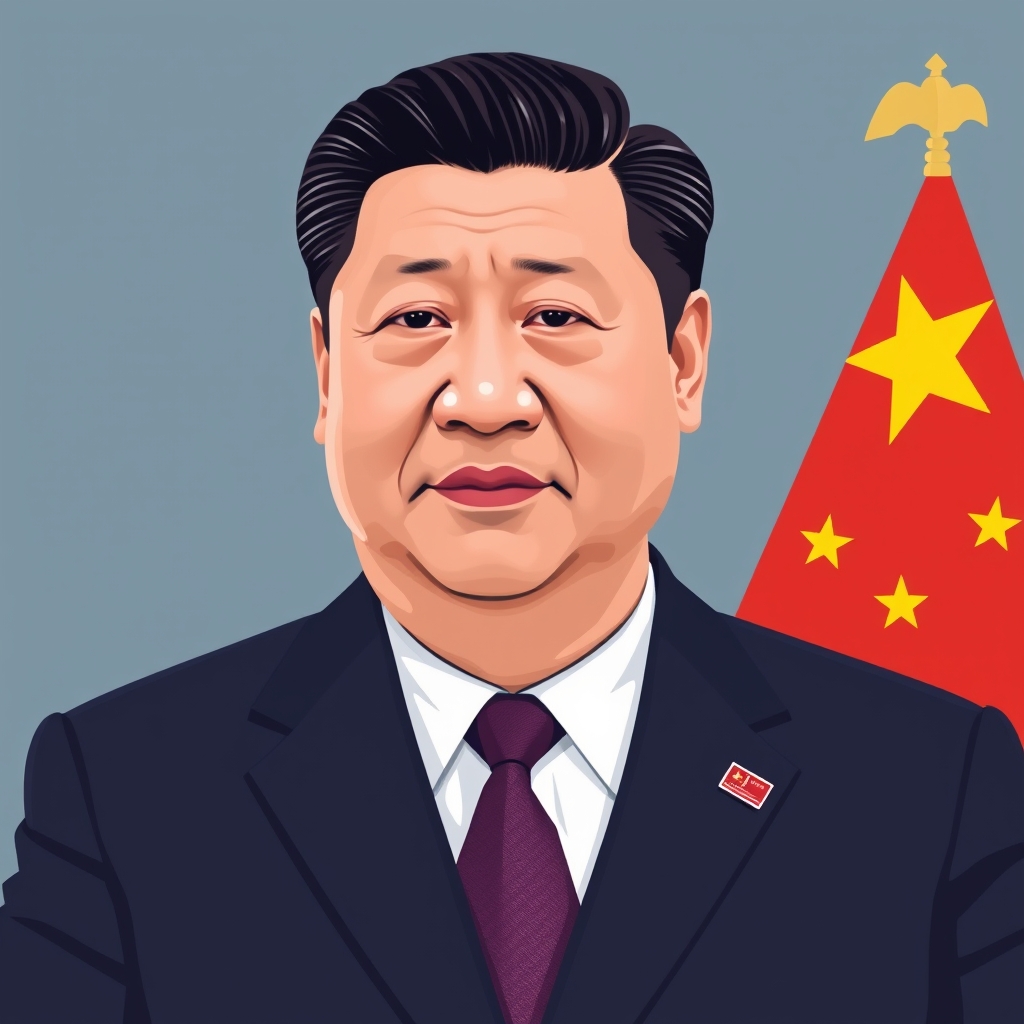
VS
US and Israel


China and Egypt are deepening their military and diplomatic ties, while the United States and Israel are closely monitoring these developments.
China is a major global power with growing economic and military influence, and Egypt is a key Arab nation with a longstanding peace treaty with Israel and significant strategic importance in the Middle East.
The United States has traditionally been Egypt's main security partner, and Israel is a U.S. ally with which Egypt maintains diplomatic relations.
The conflict of interests arises from Egypt's increasing military cooperation with China, which the U.S. and Israel view with concern.
This cooperation includes joint air exercises and discussions on regional security, particularly in the context of U.S. sanctions threats over Iran links.
The U.S. and Israel worry that a militarily stronger Egypt, backed by China, could alter the regional balance of power and undermine their security interests.
Meanwhile, Egypt and China seek to enhance their partnership, potentially reducing Egypt's reliance on the U.S. and creating a new security framework in the Middle East.
*AI-generated summary of publicly available data. This is not an official statement of any party.
*AI-generated summary of publicly available statements and reporting. This is not an official statement of this party.
Supporters of China and Egypt argue that their dialogue reflects an ancient respect for sovereignty and balanced order, countering what they see as disruptive external intervention.
Supporters of China and Egypt argue that regional stability requires respecting sovereign traditions and shared cultural ties, not outside imposition of new orders.
Supporters of China and Egypt challenge the claim that Judeo-Christian values justify military force, arguing that such framing erases the region’s own ancient, pluralistic cultural legacies—Pharaonic and Confucian traditions that prioritize harmony and continuity over crusading.
Supporters of China and Egypt argue that the US-Israel strikes on Iran violate international law, as the framework they propose would require UN Security Council authorization for such actions.
Supporters of China and Egypt argue that the US-Israel strikes on Iran lack legal legitimacy under international law, as no UN mandate or clear self-defense claim exists.
Supporters of China and Egypt counter that the UN Charter’s self-defense claim requires prior armed attack, not preemptive strikes, and that Security Council authorization remains the sole lawful path, which no unilateral action can bypass.
Supporters of China and Egypt argue that the US-Israel war on Iran is a power grab, not a security mission, and that their talks forge a pragmatic counterweight where weaker states trade alignment for protection.
Supporters of China and Egypt argue that Washington and Israel's war on Iran exposes a crumbling US security umbrella, pushing Cairo to pivot toward Beijing's emerging framework as the only pragmatic hedge.
Supporters of China and Egypt counter that the US-Israel bloc conflates influence with altruism, seeing every diplomatic move as a zero-sum grab.
Supporters of China and Egypt argue that a new regional security framework is a moral duty, not merely strategy, because it prioritizes collective stability over unilateral force by the US and Israel.
Supporters of China and Egypt argue that a new Middle East security framework is a moral imperative, as exclusive US-Israel actions undermine regional sovereignty and invite chaos.
Supporters of China and Egypt counter that the moral necessity claim ignores the devastating humanitarian cost of military strikes, arguing instead that diplomatic engagement and economic interdependence offer a more ethical path to non-proliferation.
Supporters of China and Egypt argue that the US-Israel campaign against Iran upends the region’s inherited order, urging a security framework rooted in mutual respect for sovereignty and ancient civilizational ties, not coercive alliances.
Supporters of China and Egypt argue that their new security framework honors the region’s ancient civilizational order, urging restraint over upheaval and upholding sovereignty as a sacred trust.
Supporters of China and Egypt counter that divine mandate cannot be claimed by any nation that acts unilaterally, for scripture also commands restraint and justice through established order, not preemptive war that destabilizes whole regions.
*AI-generated summary of publicly available statements and reporting. This is not an official statement of this party.
Supporters of US and Israel argue that their military action against Iran defends shared Judeo-Christian and democratic cultural values against extremist theocracy, viewing China-Egypt overtures as cynical alliances that undermine regional heritage.
Supporters of the US and Israel argue that their military action against Iran defends a shared cultural commitment to regional stability and democratic sovereignty, rejecting external frameworks as impositions on historic alliances.
Supporters of the US and Israel counter that China and Egypt’s dialogue risks romanticizing a static order, whereas their own cultural ethos—rooted in democratic accountability and innovation—actively protects pluralistic societies from authoritarian stagnation.
Supporters of US and Israel argue that their strikes on Iran rest on lawful self-defense under the UN Charter, a right no outside framework can supersede.
Supporters of US and Israel argue that the strike on Iran was a lawful act of self-defense under international law, targeting imminent nuclear threats, and that no external framework can supersede sovereign states' right to protect themselves.
Supporters of the US and Israel counter that self-defense under Article 51 of the UN Charter requires no Security Council approval, as prior Iranian aggression and imminent threats justified the strikes, making the proposed framework a misreading of lawful state practice.
Supporters of the US and Israel argue that China’s Egypt visit is a calculated bid to exploit regional chaos, not a genuine peace effort. They maintain that any new security framework excluding Washington is a power grab, rewarding Iran’s aggression and undermining deterrence.
Supporters of US and Israel argue that a China-Egypt security framework is rhetoric masking dependence on Washington’s deterrent, which still guarantees Gulf order.
Supporters of US and Israel counter that the talks are not a counterweight but a dependency trap, where China and Egypt trade alignment for promises that Washington and Jerusalem can simply outbid or outlast, leaving the weaker states more exposed than protected.
Supporters of the US and Israel argue their strikes on Iran are a moral necessity to halt nuclear proliferation, viewing the new security framework as a safeguard for regional stability.
Supporters of US and Israel argue that dismantling Iran’s nuclear threat is a moral imperative to protect regional stability, viewing the new China-Egypt framework as a dangerous appeasement that legitimizes aggression.
Supporters of the US and Israel counter that moral duty flows from protecting sovereign democracies, not from frameworks that legitimize state sponsors of terror, arguing collective stability without accountability undermines justice.
Supporters of US and Israel argue that their military action against Iran upholds a divine mandate to protect the innocent from aggression, citing scripture as grounding for righteous defense.
Supporters of US and Israel argue that their actions against Iran reflect a divine mandate to protect the faithful from aggression, citing scripture as evidence of a righteous stand for regional order.
Supporters of the US and Israel counter that divine covenant, not ancient civilizational ties, ordains their alliance, and that Iran’s aggression defies the sacred order, requiring faithful resistance to uphold justice.
AI-generated summary of publicly available statements and reporting. This is not an official statement of this party.
Supporters of China and Egypt argue that their dialogue reflects an ancient respect for sovereignty and balanced order, countering what they see as disruptive external intervention.
Supporters of China and Egypt argue that regional stability requires respecting sovereign traditions and shared cultural ties, not outside imposition of new orders.
Supporters of China and Egypt challenge the claim that Judeo-Christian values justify military force, arguing that such framing erases the region’s own ancient, pluralistic cultural legacies—Pharaonic and Confucian traditions that prioritize harmony and continuity over crusading.
Supporters of China and Egypt argue that the US-Israel strikes on Iran violate international law, as the framework they propose would require UN Security Council authorization for such actions.
Supporters of China and Egypt argue that the US-Israel strikes on Iran lack legal legitimacy under international law, as no UN mandate or clear self-defense claim exists.
Supporters of China and Egypt counter that the UN Charter’s self-defense claim requires prior armed attack, not preemptive strikes, and that Security Council authorization remains the sole lawful path, which no unilateral action can bypass.
Supporters of China and Egypt argue that the US-Israel war on Iran is a power grab, not a security mission, and that their talks forge a pragmatic counterweight where weaker states trade alignment for protection.
Supporters of China and Egypt argue that Washington and Israel's war on Iran exposes a crumbling US security umbrella, pushing Cairo to pivot toward Beijing's emerging framework as the only pragmatic hedge.
Supporters of China and Egypt counter that the US-Israel bloc conflates influence with altruism, seeing every diplomatic move as a zero-sum grab.
Supporters of China and Egypt argue that a new regional security framework is a moral duty, not merely strategy, because it prioritizes collective stability over unilateral force by the US and Israel.
Supporters of China and Egypt argue that a new Middle East security framework is a moral imperative, as exclusive US-Israel actions undermine regional sovereignty and invite chaos.
Supporters of China and Egypt counter that the moral necessity claim ignores the devastating humanitarian cost of military strikes, arguing instead that diplomatic engagement and economic interdependence offer a more ethical path to non-proliferation.
Supporters of China and Egypt argue that the US-Israel campaign against Iran upends the region’s inherited order, urging a security framework rooted in mutual respect for sovereignty and ancient civilizational ties, not coercive alliances.
Supporters of China and Egypt argue that their new security framework honors the region’s ancient civilizational order, urging restraint over upheaval and upholding sovereignty as a sacred trust.
Supporters of China and Egypt counter that divine mandate cannot be claimed by any nation that acts unilaterally, for scripture also commands restraint and justice through established order, not preemptive war that destabilizes whole regions.
Supporters of US and Israel argue that their military action against Iran defends shared Judeo-Christian and democratic cultural values against extremist theocracy, viewing China-Egypt overtures as cynical alliances that undermine regional heritage.
Supporters of the US and Israel argue that their military action against Iran defends a shared cultural commitment to regional stability and democratic sovereignty, rejecting external frameworks as impositions on historic alliances.
Supporters of the US and Israel counter that China and Egypt’s dialogue risks romanticizing a static order, whereas their own cultural ethos—rooted in democratic accountability and innovation—actively protects pluralistic societies from authoritarian stagnation.
Supporters of US and Israel argue that their strikes on Iran rest on lawful self-defense under the UN Charter, a right no outside framework can supersede.
Supporters of US and Israel argue that the strike on Iran was a lawful act of self-defense under international law, targeting imminent nuclear threats, and that no external framework can supersede sovereign states' right to protect themselves.
Supporters of the US and Israel counter that self-defense under Article 51 of the UN Charter requires no Security Council approval, as prior Iranian aggression and imminent threats justified the strikes, making the proposed framework a misreading of lawful state practice.
Supporters of the US and Israel argue that China’s Egypt visit is a calculated bid to exploit regional chaos, not a genuine peace effort. They maintain that any new security framework excluding Washington is a power grab, rewarding Iran’s aggression and undermining deterrence.
Supporters of US and Israel argue that a China-Egypt security framework is rhetoric masking dependence on Washington’s deterrent, which still guarantees Gulf order.
Supporters of US and Israel counter that the talks are not a counterweight but a dependency trap, where China and Egypt trade alignment for promises that Washington and Jerusalem can simply outbid or outlast, leaving the weaker states more exposed than protected.
Supporters of the US and Israel argue their strikes on Iran are a moral necessity to halt nuclear proliferation, viewing the new security framework as a safeguard for regional stability.
Supporters of US and Israel argue that dismantling Iran’s nuclear threat is a moral imperative to protect regional stability, viewing the new China-Egypt framework as a dangerous appeasement that legitimizes aggression.
Supporters of the US and Israel counter that moral duty flows from protecting sovereign democracies, not from frameworks that legitimize state sponsors of terror, arguing collective stability without accountability undermines justice.
Supporters of US and Israel argue that their military action against Iran upholds a divine mandate to protect the innocent from aggression, citing scripture as grounding for righteous defense.
Supporters of US and Israel argue that their actions against Iran reflect a divine mandate to protect the faithful from aggression, citing scripture as evidence of a righteous stand for regional order.
Supporters of the US and Israel counter that divine covenant, not ancient civilizational ties, ordains their alliance, and that Iran’s aggression defies the sacred order, requiring faithful resistance to uphold justice.
Chinese and Egyptian fighter jets conducted the second 'Eagles of Civilization' exercise over Egypt, deepening military ties and drawing attention from the U.S. and Israel.
An analysis highlighted that Egypt's military cooperation with China is causing concern within the Israeli military establishment and the U.S., as it could affect their security.
A Congressional Research Service report noted that Egypt's 1979 peace treaty with Israel remains a significant diplomatic achievement for Arab-Israeli peace, providing context for current tensions.
Egypt expanded its military cooperation with China, stirring concerns in Israel that a militarily strong Egypt could pose a strategic deterrent.
Chinese and Egyptian leaders discuss the US-Israel war on Iran and a new Middle East security framework.