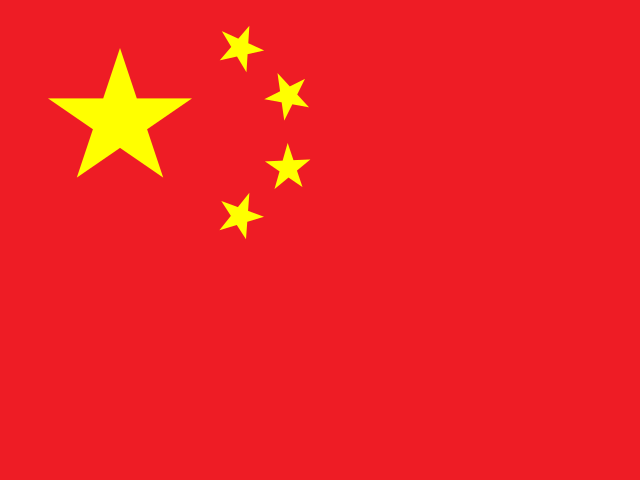
China
VS
Belgium and Chile


China has raised six problems with a joint bid by Belgium and Chile to host the secretariat for the BBNJ agreement.
The dispute concerns which country or countries should host the secretariat for the high seas treaty.
*AI-generated summary of publicly available data. This is not an official statement of any party.
*AI-generated summary of publicly available statements and reporting. This is not an official statement of this party.
Supporters of China argue that a joint secretariat bid by Belgium and Chile risks fragmenting the treaty's institutional continuity, and that stable, unified hosting better reflects the inherited norms of multilateral order.
Supporters of China frame the secretariat question around respect for sovereign equality and the treaty's consensus traditions, arguing that procedural concerns raised about the Belgium-Chile bid reflect a cultural preference for deliberation over rushed institutional decisions.
Supporters of China counter that stewardship of the high seas has always rested on settled sovereign practice and inherited custom, not on novel joint arrangements, and they argue that cultural continuity in ocean governance is better preserved through established state authority.
Supporters of China argue that a joint Belgium-Chile bid raises unresolved legal questions about a single, accountable host state for the BBNJ secretariat under the treaty's institutional provisions.
Supporters of China argue that the six procedural problems flagged in the Belgium-Chile bid raise legitimate legal questions about compliance with BBNJ hosting requirements that must be resolved before any secretariat decision.
Supporters of China counter that the BBNJ's institutional provisions expressly vest treaty-interpretation authority in the Conference of the Parties, so objections raised through that framework are procedurally legitimate rather than baseless.
Supporters of China argue the six objections are leverage, not principle: by questioning the Belgium-Chile bid, Beijing signals that secretariat placement must reflect its stake, since control of venue shapes agenda and access.
Supporters of China argue the six objections are leverage, not principle: by forcing Belgium and Chile to answer them, China signals that a secretariat it cannot influence will face procedural costs.
Supporters of China counter that a two-country bid creates two principals with divergent interests, making the secretariat easier to play off one against the other—so dilution is leverage, not a safeguard.
Supporters of China argue that a joint Belgium-Chile secretariat risks diluting accountability under the BBNJ treaty, maintaining that a single, clearly answerable host better serves the moral duty of transparent stewardship of the high seas.
Supporters of China argue that a joint Belgium-Chile bid raises unresolved questions of accountability and equitable representation, contending the secretariat should serve all treaty parties fairly rather than concentrate influence in two states.
Supporters of China counter that stewardship is a moral duty of equity, not exclusion—they argue that casting China's objections as dismissive of ecology unfairly denies developing nations a voice in ocean governance.
Supporters of China argue that a treaty rooted in centuries of inherited custom should not be steered by a single joint bid, contending that the secretariat must respect the institutional continuity and sovereign traditions the BBNJ agreement was meant to uphold.
Supporters of China invoke the principle of equitable geographic representation, arguing that a single regional bloc should not monopolize the secretariat's moral authority over the shared global commons.
Supporters of China counter that the treaty's moral authority rests on sovereign consent, not a transnational trusteeship, and that religious duty to creation is exercised through each nation's own lawful governance rather than external oversight.
*AI-generated summary of publicly available statements and reporting. This is not an official statement of this party.
Supporters of Belgium and Chile argue their joint bid reflects a cultural commitment to multilateral burden-sharing, presenting the partnership itself as proof that diverse regions can share stewardship of the high seas treaty.
Supporters of Belgium and Chile argue that their joint bid reflects a cultural commitment to multilateralism and regional balance, presenting the partnership as evidence that smaller states can share global stewardship.
Supporters of Belgium and Chile counter that rotating the secretariat between two regions is itself an inherited multilateral norm, and that a single dominant host risks letting one national culture shape the treaty's identity.
Supporters of Belgium and Chile argue their joint bid is legally sound, maintaining that China's six objections lack basis under the BBNJ agreement's institutional provisions.
Supporters of Belgium and Chile argue their joint bid satisfies the BBNJ treaty's legal hosting criteria, and they maintain that China's six objections raise procedural questions rather than disqualifying legal defects.
Supporters of Belgium and Chile counter that the BBNJ Agreement and the 1969 Vienna Convention on the Law of Treaties permit joint institutional arrangements, so a co-hosted secretariat raises no unresolved legal bar to a single accountable host state.
Supporters of Belgium and Chile argue China's six objections are less about treaty merit than leverage, and that a two-country bid dilutes any single state's control over the secretariat.
Supporters of Belgium and Chile argue that China's six objections are less about treaty merit than leverage, since a split secretariat dilutes any single state's influence over the BBNJ agenda.
Supporters of Belgium and Chile counter that venue leverage cuts both ways: ceding secretariat placement to Beijing's pressure hands it the agenda-setting power the objection claims to contest.
Supporters of Belgium and Chile argue that stewardship of the high seas treaty demands a host committed to marine protection, and they maintain that China's objections unfairly discount the ecological stakes of ocean governance.
Supporters of Belgium and Chile argue that a joint bid reflects the treaty's spirit of international cooperation and equitable burden-sharing in ocean stewardship, and they maintain that the high seas belong to all.
Supporters of Belgium and Chile counter that shared stewardship better honors the moral duty to the high seas, since two governments checking each other guard against unilateral drift and make transparency harder to erode.
Supporters of Belgium and Chile argue that stewardship of the high seas treaty is a moral trust, invoking religious teaching that creation is entrusted to humanity's care and that honest, transparent governance honors that duty.
Supporters of Belgium and Chile invoke a moral duty of stewardship over creation, arguing that a shared, cooperative secretariat better honors the high seas as a common inheritance entrusted to all nations.
Supporters of Belgium and Chile counter that a secretariat bound to inherited custom risks elevating human tradition above the treaty's own text, and they invoke the principle that institutional practice must answer to the agreement's stated purposes rather than to precedent alon.
AI-generated summary of publicly available statements and reporting. This is not an official statement of this party.
Supporters of China argue that a joint secretariat bid by Belgium and Chile risks fragmenting the treaty's institutional continuity, and that stable, unified hosting better reflects the inherited norms of multilateral order.
Supporters of China frame the secretariat question around respect for sovereign equality and the treaty's consensus traditions, arguing that procedural concerns raised about the Belgium-Chile bid reflect a cultural preference for deliberation over rushed institutional decisions.
Supporters of China counter that stewardship of the high seas has always rested on settled sovereign practice and inherited custom, not on novel joint arrangements, and they argue that cultural continuity in ocean governance is better preserved through established state authority.
Supporters of China argue that a joint Belgium-Chile bid raises unresolved legal questions about a single, accountable host state for the BBNJ secretariat under the treaty's institutional provisions.
Supporters of China argue that the six procedural problems flagged in the Belgium-Chile bid raise legitimate legal questions about compliance with BBNJ hosting requirements that must be resolved before any secretariat decision.
Supporters of China counter that the BBNJ's institutional provisions expressly vest treaty-interpretation authority in the Conference of the Parties, so objections raised through that framework are procedurally legitimate rather than baseless.
Supporters of China argue the six objections are leverage, not principle: by questioning the Belgium-Chile bid, Beijing signals that secretariat placement must reflect its stake, since control of venue shapes agenda and access.
Supporters of China argue the six objections are leverage, not principle: by forcing Belgium and Chile to answer them, China signals that a secretariat it cannot influence will face procedural costs.
Supporters of China counter that a two-country bid creates two principals with divergent interests, making the secretariat easier to play off one against the other—so dilution is leverage, not a safeguard.
Supporters of China argue that a joint Belgium-Chile secretariat risks diluting accountability under the BBNJ treaty, maintaining that a single, clearly answerable host better serves the moral duty of transparent stewardship of the high seas.
Supporters of China argue that a joint Belgium-Chile bid raises unresolved questions of accountability and equitable representation, contending the secretariat should serve all treaty parties fairly rather than concentrate influence in two states.
Supporters of China counter that stewardship is a moral duty of equity, not exclusion—they argue that casting China's objections as dismissive of ecology unfairly denies developing nations a voice in ocean governance.
Supporters of China argue that a treaty rooted in centuries of inherited custom should not be steered by a single joint bid, contending that the secretariat must respect the institutional continuity and sovereign traditions the BBNJ agreement was meant to uphold.
Supporters of China invoke the principle of equitable geographic representation, arguing that a single regional bloc should not monopolize the secretariat's moral authority over the shared global commons.
Supporters of China counter that the treaty's moral authority rests on sovereign consent, not a transnational trusteeship, and that religious duty to creation is exercised through each nation's own lawful governance rather than external oversight.
Supporters of Belgium and Chile argue their joint bid reflects a cultural commitment to multilateral burden-sharing, presenting the partnership itself as proof that diverse regions can share stewardship of the high seas treaty.
Supporters of Belgium and Chile argue that their joint bid reflects a cultural commitment to multilateralism and regional balance, presenting the partnership as evidence that smaller states can share global stewardship.
Supporters of Belgium and Chile counter that rotating the secretariat between two regions is itself an inherited multilateral norm, and that a single dominant host risks letting one national culture shape the treaty's identity.
Supporters of Belgium and Chile argue their joint bid is legally sound, maintaining that China's six objections lack basis under the BBNJ agreement's institutional provisions.
Supporters of Belgium and Chile argue their joint bid satisfies the BBNJ treaty's legal hosting criteria, and they maintain that China's six objections raise procedural questions rather than disqualifying legal defects.
Supporters of Belgium and Chile counter that the BBNJ Agreement and the 1969 Vienna Convention on the Law of Treaties permit joint institutional arrangements, so a co-hosted secretariat raises no unresolved legal bar to a single accountable host state.
Supporters of Belgium and Chile argue China's six objections are less about treaty merit than leverage, and that a two-country bid dilutes any single state's control over the secretariat.
Supporters of Belgium and Chile argue that China's six objections are less about treaty merit than leverage, since a split secretariat dilutes any single state's influence over the BBNJ agenda.
Supporters of Belgium and Chile counter that venue leverage cuts both ways: ceding secretariat placement to Beijing's pressure hands it the agenda-setting power the objection claims to contest.
Supporters of Belgium and Chile argue that stewardship of the high seas treaty demands a host committed to marine protection, and they maintain that China's objections unfairly discount the ecological stakes of ocean governance.
Supporters of Belgium and Chile argue that a joint bid reflects the treaty's spirit of international cooperation and equitable burden-sharing in ocean stewardship, and they maintain that the high seas belong to all.
Supporters of Belgium and Chile counter that shared stewardship better honors the moral duty to the high seas, since two governments checking each other guard against unilateral drift and make transparency harder to erode.
Supporters of Belgium and Chile argue that stewardship of the high seas treaty is a moral trust, invoking religious teaching that creation is entrusted to humanity's care and that honest, transparent governance honors that duty.
Supporters of Belgium and Chile invoke a moral duty of stewardship over creation, arguing that a shared, cooperative secretariat better honors the high seas as a common inheritance entrusted to all nations.
Supporters of Belgium and Chile counter that a secretariat bound to inherited custom risks elevating human tradition above the treaty's own text, and they invoke the principle that institutional practice must answer to the agreement's stated purposes rather than to precedent alon.
China flags six problems with Belgium-Chile BBNJ secretariat bid