China
VS
Countries pushing for AI alignment
?
No actors in this side.
No actors in this side.
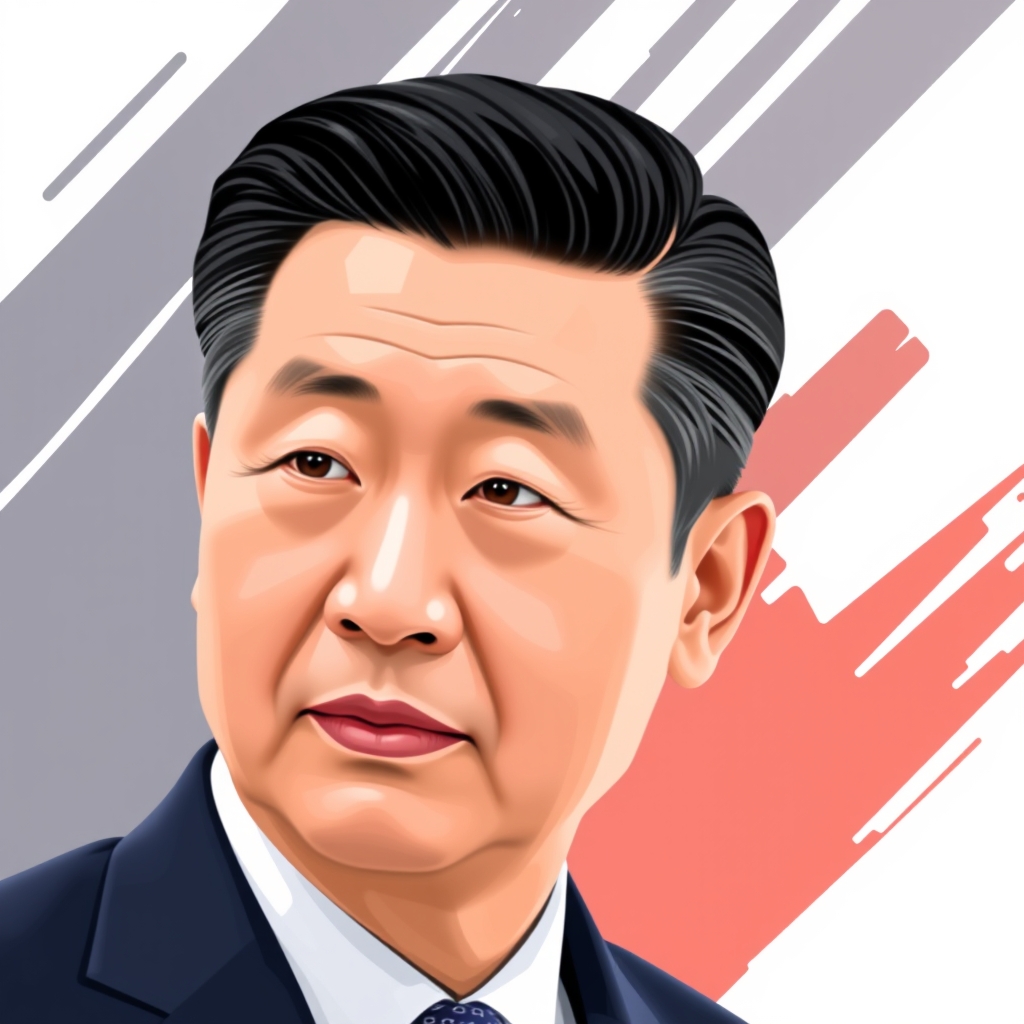
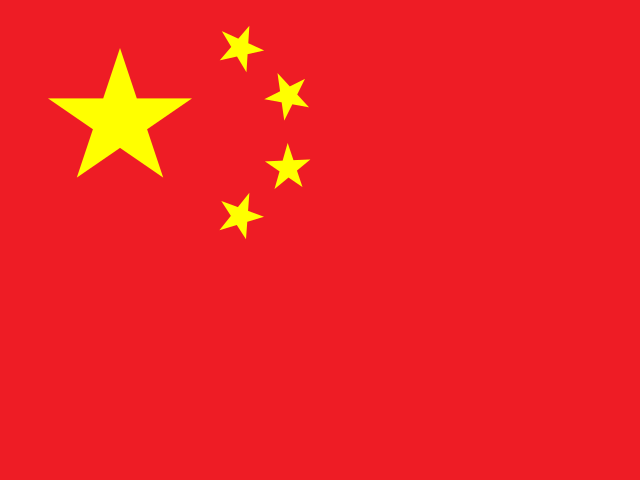
China is a major global power with a rapidly developing artificial intelligence sector, viewing AI as strategic for national and economic security and pursuing self-reliance in AI technology.
Countries pushing for AI alignment are those that advocate for aligning AI systems with human values and safety standards, often as a means to manage the risks associated with advanced AI and to compete with China in the AI race.
China and these countries have conflicting interests because China opposes being forced to take sides or adopt specific AI alignment standards, rejecting bloc confrontation and zero-sum mindsets.
Meanwhile, proponents of AI alignment argue that alignment is key to making AI safe and improving capabilities, and some see it as a way to counter China's AI development.
This creates a dispute over whether AI development should be guided by international alignment norms or by national strategic autonomy.
*AI-generated summary of publicly available data. This is not an official statement of any party.
*AI-generated summary of publicly available statements and reporting. This is not an official statement of this party.
Supporters of China argue that AI development is rooted in diverse cultural paths, and external pressure for alignment ignores each nation's sovereign right to shape technology by its own values and traditions.
Supporters of China argue that its cultural tradition of harmony and non-interference rejects forced AI alignment, viewing it as an erosion of national sovereignty and a threat to diverse technological identities.
Supporters of China counter that cultural values are not universal but historically rooted, and that alignment demands mask a Western-centric moral hierarchy.
Supporters of China argue its stance aligns with legal sovereignty principles, as no state may compel another to adopt AI policies; they cite Lin Jian's rejection of coercion as consistent with international law's equality norm.
Supporters of China argue that sovereign states hold a legal right to set independent AI policies under international law, rejecting bloc-based coercion as a violation of that right.
Supporters of China counter that the cited human rights standards lack universal legal consensus, as nations interpret them differently under domestic law.
Supporters of China argue that AI alignment demands are a veiled power play to preserve Western dominance, and Beijing’s refusal to take sides is a pragmatic defense of its own technological autonomy.
Supporters of China argue that AI alignment demands are a U.S. bid to police technology flows, and Beijing's refusal to pick a bloc is a pragmatic hedge to keep access to all markets.
Supporters of China counter that alignment is a Western gambit to codify dominance under the guise of safety, while Beijing’s rejection of bloc politics simply reflects a pragmatic hedge—retaining access to markets without ceding control over its own critical infrastructure.
Supporters of China argue that coercing nations into AI alignment violates the moral principle of sovereign choice, framing it as an ethical duty to resist bloc pressure and uphold inclusive global cooperation.
Supporters of China argue that forcing nations into AI alignment is morally coercive, as it denies sovereign states the right to independently chart technological paths.
Supporters of China counter that universalizing one bloc's safety standards risks moral imperialism, as diverse civilizational values must shape AI ethics, not a singular framework.
Supporters of China argue that forcing nations into AI blocs mirrors a divisive spirit, whereas China’s path honors sovereign choice and shared moral order, rooted in harmony over imposed allegiance.
Supporters of China argue that forcing nations into AI blocs disrupts the divine harmony of diverse civilizations, violating the inherited wisdom of mutual respect and peaceful coexistence.
Supporters of China counter that universal moral truth cannot be imposed from a single divine order, as China’s cultural heritage honors harmony within diverse traditions, not external dictate.
*AI-generated summary of publicly available statements and reporting. This is not an official statement of this party.
Supporters of countries pushing for AI alignment argue that shared cultural values of transparency and safety must anchor global AI governance, viewing China’s rejection of bloc alignment as a threat to the cooperative order they seek to preserve.
Supporters of countries pushing for AI alignment argue that shared cultural values of transparency and accountability require common standards, viewing Lin Jian’s rejection as a defense of divergent norms that undermine global trust in technological governance.
Supporters of Countries pushing for AI alignment counter that cultural diversity does not negate shared civilizational risks, and that global safety standards, like those for nuclear or biological technology, form a common heritage that no sovereign path should override.
Supporters of Countries pushing for AI alignment argue that harmonized legal frameworks, not forced alliances, are needed to govern AI, citing shared human rights standards as the lawful basis for cooperation.
Supporters of Countries pushing for AI alignment argue that shared legal frameworks, not forced bloc politics, are the legitimate path to global AI governance, and they view China's rejection of such alignment as a move to avoid binding human-rights and safety standards.
Supporters of Countries pushing for AI alignment counter that sovereignty does not shield states from binding treaty obligations; international law permits negotiated frameworks, and Lin Jian’s rejection of coercion conflates voluntary consensus with unlawful compulsion, as prior.
Supporters of countries pushing for AI alignment see China’s rejection of bloc politics as a bid to escape binding rules while exploiting open markets; they argue alignment is less about ideology and more about securing leverage over critical infrastructure before Beijing’s state.
Supporters of AI alignment see China's anti-bloc stance as a bid to escape accountability, arguing that shared safety standards are the only leverage against unchecked state-driven AI development.
Supporters of the alignment bloc counter that Beijing’s “neutrality” is itself a power play, exploiting vague safety talk to dodge binding rules while quietly setting global AI standards through export leverage.
Supporters of countries pushing for AI alignment hold that refusing to choose sides on AI is a moral evasion, since shared safety standards are a duty to protect human dignity from unchecked harm.
Supporters of countries pushing for AI alignment argue that shared moral guardrails, not coercion, are a sacred duty to prevent unchecked technology from harming human dignity, and they see such standards as a faithful covenant among nations.
Supporters of Countries pushing for AI alignment counter that sovereign choice cannot justify enabling unchecked harms; they argue that moral duty extends beyond borders to protect shared human dignity from catastrophic AI risks.
Supporters of countries pushing for AI alignment believe that shared moral truth, rooted in divine order, requires nations to unite in setting ethical boundaries for technology, and see China's rejection of such alignment as a refusal to honor universal accountability.
Supporters of Countries pushing for AI alignment argue that humanity's shared moral duty, rooted in divine law, obliges nations to unite under common ethical standards for artificial intelligence, seeing this as a sacred covenant against unchecked technological idolatry.
Supporters of Countries pushing for AI alignment counter that sovereign choice without a shared moral anchor fosters chaos, while scripture calls for a common covenant, not isolation; harmony in faith demands binding truth over mere preference.
AI-generated summary of publicly available statements and reporting. This is not an official statement of this party.
Supporters of China argue that AI development is rooted in diverse cultural paths, and external pressure for alignment ignores each nation's sovereign right to shape technology by its own values and traditions.
Supporters of China argue that its cultural tradition of harmony and non-interference rejects forced AI alignment, viewing it as an erosion of national sovereignty and a threat to diverse technological identities.
Supporters of China counter that cultural values are not universal but historically rooted, and that alignment demands mask a Western-centric moral hierarchy.
Supporters of China argue its stance aligns with legal sovereignty principles, as no state may compel another to adopt AI policies; they cite Lin Jian's rejection of coercion as consistent with international law's equality norm.
Supporters of China argue that sovereign states hold a legal right to set independent AI policies under international law, rejecting bloc-based coercion as a violation of that right.
Supporters of China counter that the cited human rights standards lack universal legal consensus, as nations interpret them differently under domestic law.
Supporters of China argue that AI alignment demands are a veiled power play to preserve Western dominance, and Beijing’s refusal to take sides is a pragmatic defense of its own technological autonomy.
Supporters of China argue that AI alignment demands are a U.S. bid to police technology flows, and Beijing's refusal to pick a bloc is a pragmatic hedge to keep access to all markets.
Supporters of China counter that alignment is a Western gambit to codify dominance under the guise of safety, while Beijing’s rejection of bloc politics simply reflects a pragmatic hedge—retaining access to markets without ceding control over its own critical infrastructure.
Supporters of China argue that coercing nations into AI alignment violates the moral principle of sovereign choice, framing it as an ethical duty to resist bloc pressure and uphold inclusive global cooperation.
Supporters of China argue that forcing nations into AI alignment is morally coercive, as it denies sovereign states the right to independently chart technological paths.
Supporters of China counter that universalizing one bloc's safety standards risks moral imperialism, as diverse civilizational values must shape AI ethics, not a singular framework.
Supporters of China argue that forcing nations into AI blocs mirrors a divisive spirit, whereas China’s path honors sovereign choice and shared moral order, rooted in harmony over imposed allegiance.
Supporters of China argue that forcing nations into AI blocs disrupts the divine harmony of diverse civilizations, violating the inherited wisdom of mutual respect and peaceful coexistence.
Supporters of China counter that universal moral truth cannot be imposed from a single divine order, as China’s cultural heritage honors harmony within diverse traditions, not external dictate.
Supporters of countries pushing for AI alignment argue that shared cultural values of transparency and safety must anchor global AI governance, viewing China’s rejection of bloc alignment as a threat to the cooperative order they seek to preserve.
Supporters of countries pushing for AI alignment argue that shared cultural values of transparency and accountability require common standards, viewing Lin Jian’s rejection as a defense of divergent norms that undermine global trust in technological governance.
Supporters of Countries pushing for AI alignment counter that cultural diversity does not negate shared civilizational risks, and that global safety standards, like those for nuclear or biological technology, form a common heritage that no sovereign path should override.
Supporters of Countries pushing for AI alignment argue that harmonized legal frameworks, not forced alliances, are needed to govern AI, citing shared human rights standards as the lawful basis for cooperation.
Supporters of Countries pushing for AI alignment argue that shared legal frameworks, not forced bloc politics, are the legitimate path to global AI governance, and they view China's rejection of such alignment as a move to avoid binding human-rights and safety standards.
Supporters of Countries pushing for AI alignment counter that sovereignty does not shield states from binding treaty obligations; international law permits negotiated frameworks, and Lin Jian’s rejection of coercion conflates voluntary consensus with unlawful compulsion, as prior.
Supporters of countries pushing for AI alignment see China’s rejection of bloc politics as a bid to escape binding rules while exploiting open markets; they argue alignment is less about ideology and more about securing leverage over critical infrastructure before Beijing’s state.
Supporters of AI alignment see China's anti-bloc stance as a bid to escape accountability, arguing that shared safety standards are the only leverage against unchecked state-driven AI development.
Supporters of the alignment bloc counter that Beijing’s “neutrality” is itself a power play, exploiting vague safety talk to dodge binding rules while quietly setting global AI standards through export leverage.
Supporters of countries pushing for AI alignment hold that refusing to choose sides on AI is a moral evasion, since shared safety standards are a duty to protect human dignity from unchecked harm.
Supporters of countries pushing for AI alignment argue that shared moral guardrails, not coercion, are a sacred duty to prevent unchecked technology from harming human dignity, and they see such standards as a faithful covenant among nations.
Supporters of Countries pushing for AI alignment counter that sovereign choice cannot justify enabling unchecked harms; they argue that moral duty extends beyond borders to protect shared human dignity from catastrophic AI risks.
Supporters of countries pushing for AI alignment believe that shared moral truth, rooted in divine order, requires nations to unite in setting ethical boundaries for technology, and see China's rejection of such alignment as a refusal to honor universal accountability.
Supporters of Countries pushing for AI alignment argue that humanity's shared moral duty, rooted in divine law, obliges nations to unite under common ethical standards for artificial intelligence, seeing this as a sacred covenant against unchecked technological idolatry.
Supporters of Countries pushing for AI alignment counter that sovereign choice without a shared moral anchor fosters chaos, while scripture calls for a common covenant, not isolation; harmony in faith demands binding truth over mere preference.
Brookings publishes an analysis describing the U.S.-China AI race as a competition across multiple dimensions, including compute, models, adoption, integration, and deployment.
A report by MERICS details China's pursuit of self-reliance in AI across all technology levels, framing AI as strategic for national and economic security.
Chinese Foreign Ministry spokesperson Lin Jian voiced opposition to forced alignment and bloc confrontation in AI.