Chinese authorities
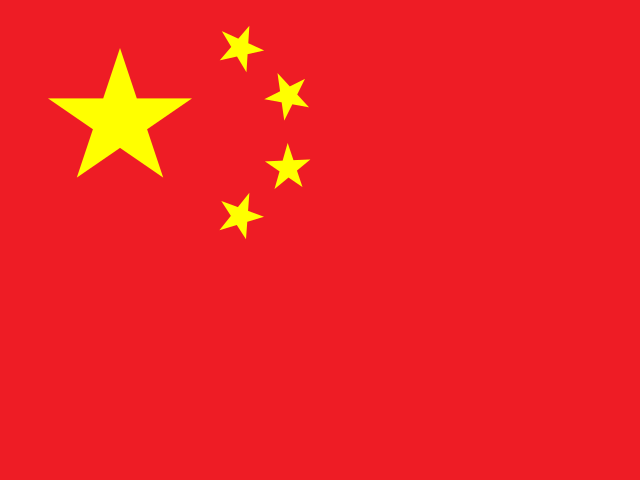

VS
Independent media and netizens

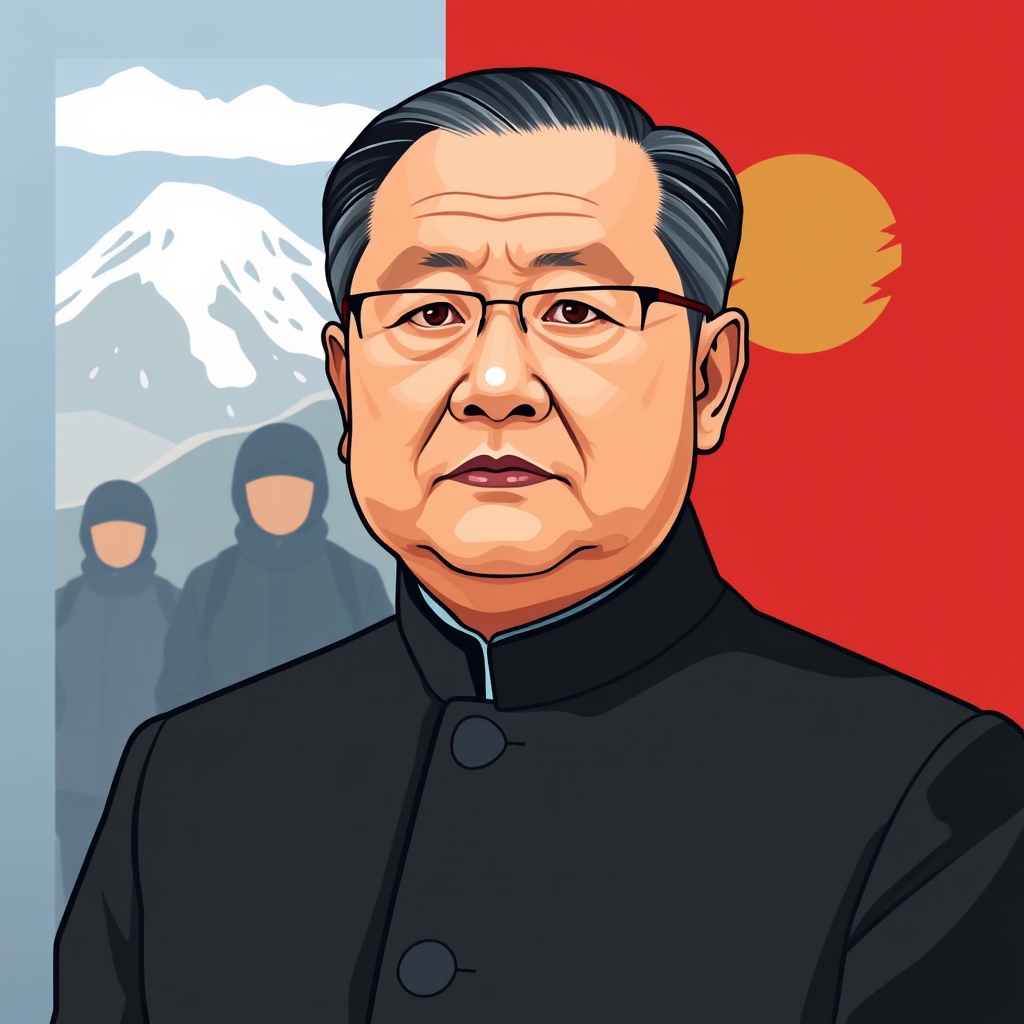
Chinese authorities vs Independent media and netizens.
Chinese authorities refer to the government of the People's Republic of China, which strictly controls and censors media through agencies such as the Central Propaganda Department.
Independent media in China has been largely dismantled under President Xi Jinping, with grassroots bloggers and exiled journalists operating outside official channels.
Netizens are ordinary internet users in China who often seek independent reporting and share information through social media.
The conflict arises from the government's extensive control over information, including the fabrication of millions of social media comments and the promotion of state-authored propaganda, which clashes with the public's desire for independent and uncensored news.
This tension is particularly evident during crises, such as the flood along the China-Nepal border, where authorities reportedly censored viral footage while state media promoted official content.
The stakes involve the balance between state control and the public's right to access independent reporting.
*AI-generated summary of publicly available data. This is not an official statement of any party.
*AI-generated summary of publicly available statements and reporting. This is not an official statement of this party.
Supporters of Chinese authorities argue that prioritizing unified, state-verified narratives over viral footage preserves social harmony and cultural trust during crises, viewing independent media as a disruption to collective resilience.
Supporters of Chinese authorities argue that state media’s curated flood coverage reflects a cultural priority on social harmony and collective resilience, framing censorship as protection against panic, not suppression of truth.
Supporters of Chinese authorities counter that curated narratives preserve cultural harmony, treating unverified footage as a threat to collective stability, not memory.
Supporters of Chinese authorities argue that information control during disasters falls within China's legal framework, which prioritizes national stability and public order over unverified viral content, asserting that state media provides the authoritative, lawful account.
Supporters of Chinese authorities argue that emergency information management falls under legal frameworks prioritizing public order, citing national security laws that permit content moderation during disasters.
Supporters of Chinese authorities counter that the law prioritizes public safety and social stability, arguing that flood footage dissemination falls under emergency management regulations where timely, accurate official reporting supersedes individual expression.
Supporters of Chinese authorities argue that censoring viral flood footage is a calculated stability measure, prioritizing social order over unverified panic in a sensitive border region.
Supporters of Chinese authorities argue that controlling flood footage in Tibet is a pragmatic necessity, not censorship, since unverified viral clips risk panic and social disorder that outweigh public curiosity.
Supporters of Chinese authorities counter that censorship in Tibet prioritizes public order and national stability, which are preconditions for effective disaster response, not mere narrative control.
Supporters of Chinese authorities argue that prioritizing verified official reporting over unconfirmed viral footage upholds the moral duty to prevent panic and protect affected communities during a disaster.
Supporters of Chinese authorities argue that restricting unverified flood footage protects public safety and prevents panic, upholding a moral duty to prioritize communal stability over unconfirmed reports.
Supporters of Chinese authorities counter that unverified flood footage can spread panic and misinformation, undermining the moral duty to protect public safety and social stability over individual witnessing.
Supporters of Chinese authorities argue that scripture teaches order and truth must come from rightful authority, so state media’s curated coverage reflects a moral duty to prevent panic and preserve communal harmony after the flood.
Supporters of Chinese authorities argue that the state's curation of disaster footage reflects a moral duty to prevent panic and preserve social harmony, aligning with divine order that values collective stability over individual expression.
Supporters of Chinese authorities counter that divine law entrusts order as a form of compassion, and that responsible stewardship of information prevents panic, thereby honoring life over spectacle.
*AI-generated summary of publicly available statements and reporting. This is not an official statement of this party.
Supporters of independent media and netizens argue that unfiltered footage upholds cultural memory and communal solidarity, valuing grassroots truth over state-sanctioned narratives.
Supporters of Independent media and netizens argue that viral footage of the flood preserves communal memory and cultural solidarity, which state-promoted narratives alone cannot capture.
Supporters of Independent media and netizens counter that viral footage, not unified narratives, preserves cultural trust by reflecting grassroots truth, and they argue that suppressing it erodes the shared social harmony that state-verified stories claim to protect.
Supporters of Independent media and netizens argue that legal protections for free expression should shield unedited flood footage from state censorship, citing it as a violation of their rights.
Supporters of Independent media and netizens argue that legal protections for free expression obligate authorities to permit uncensored disaster footage, viewing the crackdown as a violation of statutory rights to information.
Supporters of Independent media and netizens counter that China's legal framework itself guarantees citizens’ right to access and disseminate information, and that disaster response demands transparency, not preemptive censorship.
Supporters of Independent media and netizens argue censorship is a power play, not protection, as Tibet’s crackdown on viral flood footage reveals the state’s incentive to control narrative over saving lives.
Supporters of independent media and netizens argue Beijing's censorship is pure power preservation, not safety—controlling the flood's narrative ensures the state remains the sole arbiter of truth and keeps public anger from organizing into political pressure.
Supporters of Independent media and netizens counter that censorship itself fuels the panic it claims to prevent, as suppressed footage breeds distrust and rumors in a border region where information vacuums invite speculation.
Supporters of independent media and netizens argue that suppressing flood footage violates the moral duty to bear witness, as public access to verified information is a human right essential for solidarity and accountability.
Supporters of Independent media and netizens argue that suppressing flood footage denies affected communities a moral right to truth, as transparency enables compassion and accountability in disaster response.
Supporters of Independent media and netizens counter that withholding unconfirmed footage can itself betray moral duty, as verified official silence often masks preventable harm, leaving communities blind to real threats and eroding trust in disaster response.
Supporters of independent media and netizens argue that unchecked state control over disaster coverage violates the sacred duty to bear witness to suffering, a principle upheld across religious traditions.
Supporters of Independent media and netizens argue that the censorship of flood footage violates the sacred duty to bear witness to suffering, a principle honored across faiths as compassion in action.
Supporters of independent media and netizens counter that scripture also commands truth-telling over protective silence, arguing that concealed flood details betray communal trust and delay righteous aid.
AI-generated summary of publicly available statements and reporting. This is not an official statement of this party.
Supporters of Chinese authorities argue that prioritizing unified, state-verified narratives over viral footage preserves social harmony and cultural trust during crises, viewing independent media as a disruption to collective resilience.
Supporters of Chinese authorities argue that state media’s curated flood coverage reflects a cultural priority on social harmony and collective resilience, framing censorship as protection against panic, not suppression of truth.
Supporters of Chinese authorities counter that curated narratives preserve cultural harmony, treating unverified footage as a threat to collective stability, not memory.
Supporters of Chinese authorities argue that information control during disasters falls within China's legal framework, which prioritizes national stability and public order over unverified viral content, asserting that state media provides the authoritative, lawful account.
Supporters of Chinese authorities argue that emergency information management falls under legal frameworks prioritizing public order, citing national security laws that permit content moderation during disasters.
Supporters of Chinese authorities counter that the law prioritizes public safety and social stability, arguing that flood footage dissemination falls under emergency management regulations where timely, accurate official reporting supersedes individual expression.
Supporters of Chinese authorities argue that censoring viral flood footage is a calculated stability measure, prioritizing social order over unverified panic in a sensitive border region.
Supporters of Chinese authorities argue that controlling flood footage in Tibet is a pragmatic necessity, not censorship, since unverified viral clips risk panic and social disorder that outweigh public curiosity.
Supporters of Chinese authorities counter that censorship in Tibet prioritizes public order and national stability, which are preconditions for effective disaster response, not mere narrative control.
Supporters of Chinese authorities argue that prioritizing verified official reporting over unconfirmed viral footage upholds the moral duty to prevent panic and protect affected communities during a disaster.
Supporters of Chinese authorities argue that restricting unverified flood footage protects public safety and prevents panic, upholding a moral duty to prioritize communal stability over unconfirmed reports.
Supporters of Chinese authorities counter that unverified flood footage can spread panic and misinformation, undermining the moral duty to protect public safety and social stability over individual witnessing.
Supporters of Chinese authorities argue that scripture teaches order and truth must come from rightful authority, so state media’s curated coverage reflects a moral duty to prevent panic and preserve communal harmony after the flood.
Supporters of Chinese authorities argue that the state's curation of disaster footage reflects a moral duty to prevent panic and preserve social harmony, aligning with divine order that values collective stability over individual expression.
Supporters of Chinese authorities counter that divine law entrusts order as a form of compassion, and that responsible stewardship of information prevents panic, thereby honoring life over spectacle.
Supporters of independent media and netizens argue that unfiltered footage upholds cultural memory and communal solidarity, valuing grassroots truth over state-sanctioned narratives.
Supporters of Independent media and netizens argue that viral footage of the flood preserves communal memory and cultural solidarity, which state-promoted narratives alone cannot capture.
Supporters of Independent media and netizens counter that viral footage, not unified narratives, preserves cultural trust by reflecting grassroots truth, and they argue that suppressing it erodes the shared social harmony that state-verified stories claim to protect.
Supporters of Independent media and netizens argue that legal protections for free expression should shield unedited flood footage from state censorship, citing it as a violation of their rights.
Supporters of Independent media and netizens argue that legal protections for free expression obligate authorities to permit uncensored disaster footage, viewing the crackdown as a violation of statutory rights to information.
Supporters of Independent media and netizens counter that China's legal framework itself guarantees citizens’ right to access and disseminate information, and that disaster response demands transparency, not preemptive censorship.
Supporters of Independent media and netizens argue censorship is a power play, not protection, as Tibet’s crackdown on viral flood footage reveals the state’s incentive to control narrative over saving lives.
Supporters of independent media and netizens argue Beijing's censorship is pure power preservation, not safety—controlling the flood's narrative ensures the state remains the sole arbiter of truth and keeps public anger from organizing into political pressure.
Supporters of Independent media and netizens counter that censorship itself fuels the panic it claims to prevent, as suppressed footage breeds distrust and rumors in a border region where information vacuums invite speculation.
Supporters of independent media and netizens argue that suppressing flood footage violates the moral duty to bear witness, as public access to verified information is a human right essential for solidarity and accountability.
Supporters of Independent media and netizens argue that suppressing flood footage denies affected communities a moral right to truth, as transparency enables compassion and accountability in disaster response.
Supporters of Independent media and netizens counter that withholding unconfirmed footage can itself betray moral duty, as verified official silence often masks preventable harm, leaving communities blind to real threats and eroding trust in disaster response.
Supporters of independent media and netizens argue that unchecked state control over disaster coverage violates the sacred duty to bear witness to suffering, a principle upheld across religious traditions.
Supporters of Independent media and netizens argue that the censorship of flood footage violates the sacred duty to bear witness to suffering, a principle honored across faiths as compassion in action.
Supporters of independent media and netizens counter that scripture also commands truth-telling over protective silence, arguing that concealed flood details betray communal trust and delay righteous aid.
A flood devastated communities along the China-Nepal border, leading to a digital crackdown in Tibet.
A Harvard study estimates that the Chinese government fabricates and posts about 448 million social media comments per year, revealing the scale of state-coordinated online messaging.
An essay highlights the dismantling of independent media in China under Xi Jinping, noting the role of grassroots bloggers and exiled journalists.
A study develops a method to identify government-authored propaganda by linking leaked directives to media behavior, documenting a decade-long growth in such content.
A Freedom House report discusses Chinese authorities' overseas use of social media disinformation, noting that while initially crude, their tactics are rapidly improving.