Chinese brands
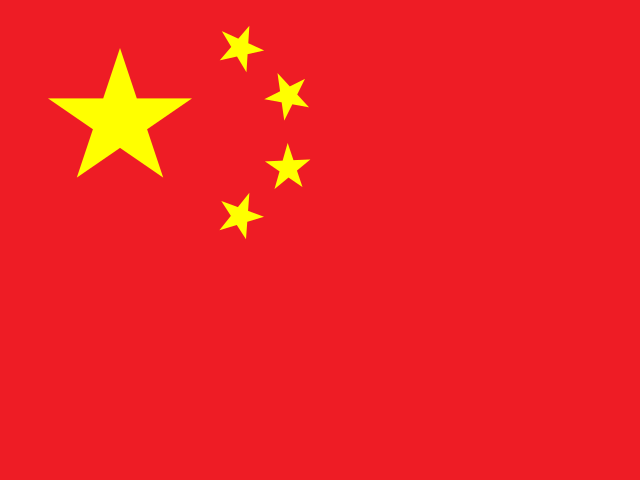
VS
Kylian Mbappé

Chinese brands have dropped Kylian Mbappé after he allegedly joked that his favorite meme features his face on a Chinese dictator.
The remarks have sparked backlash in China, leading to commercial withdrawals.
*AI-generated summary of publicly available data. This is not an official statement of any party.
*AI-generated summary of publicly available statements and reporting. This is not an official statement of this party.
Supporters of Chinese brands argue that respecting a nation's cultural symbols and historical figures is a basic condition of doing business there, and that commercial withdrawal reflects a principled defense of that norm rather than mere commercial pressure.
Supporters of Chinese brands argue that commercial ties carry cultural responsibilities, and that disrespect toward a nation's historical symbols breaks the trust on which such partnerships rest.
Supporters of Chinese brands counter that intent matters less than impact, arguing that memes invoking cultural stereotypes carry inherited meanings beyond a footballer's personal humor.
Supporters of Chinese brands argue that contractual morality clauses and Chinese commercial law permit withdrawal when a public figure's remarks cause reputational harm, framing the drops as lawful enforcement rather than censorship.
Supporters of Chinese brands argue that dropping Mbappé is a lawful exercise of contractual and commercial discretion, and that brands may weigh reputational and legal risk under Chinese norms when deciding whom to sponsor.
Supporters of Chinese brands counter that contract terms, not courts, define morality-clause breaches, so a brand enforcing agreed language isn't bypassing due process—it's exercising a contractual right the parties already accepted.
Supporters of Chinese brands argue that dropping Mbappé is a calculated defense of market access and political stability, since tolerating a slight to Mao risks state backlash far costlier than one endorsement deal.
Supporters of Chinese brands argue the withdrawals are pragmatic risk management: a global star who mocks a Chinese leader makes the brands politically toxic at home, so cutting ties early protects market access and signals discipline.
Supporters of Chinese brands counter that commercial self-interest is the only durable principle in this dispute—brands answer to shareholders and consumers, not moral tribunals, so cutting ties to protect market access is a coherent strategy, not hypocrisy.
Supporters of Chinese brands argue that dropping Mbappé is a principled stand: mocking a nation's leaders disrespects its people, and brands have a moral duty to answer to their consumers rather than to a foreign star.
Supporters of Chinese brands argue that commercial partnerships carry moral conditions, and that a figure who mocks a nation's symbols forfeits the trust those deals rest on.
Supporters of Chinese brands counter that a public figure earning from commercial partnerships owes partners basic respect, and that brands withdrawing deals is a moral stance on accountability, not collective punishment.
Supporters of Chinese brands argue that honoring ancestors and national dignity is a moral duty, and they maintain that commercial withdrawal is a principled response to speech they regard as disrespectful to the nation's founding figures.
Supporters of Chinese brands argue that mocking a national figure like Mao violates the reverence owed to founding leaders, a moral duty rooted in Confucian and patriotic tradition, so commercial withdrawal is a principled stand.
Supporters of Chinese brands counter that reverence is not merely private conscience but a shared moral duty, and that communities shaped by religious tradition may rightly expect public figures to honor what they hold sacred.
*AI-generated summary of publicly available statements and reporting. This is not an official statement of this party.
Supporters of Kylian Mbappé argue the joke was a meme reference, not a cultural attack, and contend that reading political insult into a footballer's humor misrepresents his intent.
Supporters of Kylian Mbappé argue that a single alleged joke about a meme is being treated as a cultural offense, and they maintain that commercial backlash over humor sets a troubling precedent for free expression.
Supporters of Kylian Mbappé counter that requiring foreign athletes to defer to another nation's cultural symbols as a condition of doing business imposes a loyalty test that no sovereign player is obligated to accept.
Supporters of Kylian Mbappé argue that withdrawing contracts over an alleged private joke, without a legal finding of wrongdoing, sets a precedent where commercial penalties outpace due process.
Supporters of Kylian Mbappé argue that commercial withdrawals without due process or a clear contractual finding set a troubling precedent for how speech is adjudicated.
Supporters of Kylian Mbappé counter that morality clauses demand good-faith, proportionate enforcement, arguing that unilateral terminations without due process or independent review function as penalties dressed as lawful enforcement rather than genuine contractual remedies.
Supporters of Kylian Mbappé argue the Chinese brands' rapid withdrawal is calculated risk management, not principle—they note firms cut ties to shield market access, showing commercial power, not moral judgment, drives the response.
Supporters of Kylian Mbappé argue that Chinese brands cut ties only to protect market access and political standing, not principle—so the withdrawal signals commercial risk management, not proof of wrongdoing.
Supporters of Kylian Mbappé counter that the calculation cuts both ways: a brand seen bowing to political pressure signals to every global talent and sponsor that its endorsements are revocable leverage, a reputational cost Beijing cannot reimburse.
Supporters of Kylian Mbappé argue that withdrawing commercial deals over a joke sets a troubling moral precedent, treating a private quip as grounds for collective punishment rather than proportionate response.
Supporters of Kylian Mbappé argue that withdrawing commercial deals over an alleged private joke sets a troubling moral precedent, treating speech as grounds for economic punishment rather than addressing it through dialogue.
Supporters of Kylian Mbappé counter that consumer pressure isn't inherently moral: punishing an individual to appease a market outsources ethical judgment, and true accountability means protecting a person's right to speak rather than trading it away for commercial favor.
Supporters of Kylian Mbappé argue the episode is a matter of conscience, maintaining that irreverent humor, however poorly judged, cannot be compelled into reverence by commercial pressure, and that brands withdrawing over a joke signal an unhealthy conflation of market power wit.
Supporters of Kylian Mbappé argue that brands should not reduce a person to a single alleged joke, maintaining that respect for conscience and forgiveness ought to temper commercial punishment.
Supporters of Kylian Mbappé counter that religious conviction holds forgiveness and turning the other cheek as higher duties than commercial retaliation, arguing that withdrawing contracts to punish perceived disrespect conflicts with the call to forgive offenses rather than aven.
AI-generated summary of publicly available statements and reporting. This is not an official statement of this party.
Supporters of Chinese brands argue that respecting a nation's cultural symbols and historical figures is a basic condition of doing business there, and that commercial withdrawal reflects a principled defense of that norm rather than mere commercial pressure.
Supporters of Chinese brands argue that commercial ties carry cultural responsibilities, and that disrespect toward a nation's historical symbols breaks the trust on which such partnerships rest.
Supporters of Chinese brands counter that intent matters less than impact, arguing that memes invoking cultural stereotypes carry inherited meanings beyond a footballer's personal humor.
Supporters of Chinese brands argue that contractual morality clauses and Chinese commercial law permit withdrawal when a public figure's remarks cause reputational harm, framing the drops as lawful enforcement rather than censorship.
Supporters of Chinese brands argue that dropping Mbappé is a lawful exercise of contractual and commercial discretion, and that brands may weigh reputational and legal risk under Chinese norms when deciding whom to sponsor.
Supporters of Chinese brands counter that contract terms, not courts, define morality-clause breaches, so a brand enforcing agreed language isn't bypassing due process—it's exercising a contractual right the parties already accepted.
Supporters of Chinese brands argue that dropping Mbappé is a calculated defense of market access and political stability, since tolerating a slight to Mao risks state backlash far costlier than one endorsement deal.
Supporters of Chinese brands argue the withdrawals are pragmatic risk management: a global star who mocks a Chinese leader makes the brands politically toxic at home, so cutting ties early protects market access and signals discipline.
Supporters of Chinese brands counter that commercial self-interest is the only durable principle in this dispute—brands answer to shareholders and consumers, not moral tribunals, so cutting ties to protect market access is a coherent strategy, not hypocrisy.
Supporters of Chinese brands argue that dropping Mbappé is a principled stand: mocking a nation's leaders disrespects its people, and brands have a moral duty to answer to their consumers rather than to a foreign star.
Supporters of Chinese brands argue that commercial partnerships carry moral conditions, and that a figure who mocks a nation's symbols forfeits the trust those deals rest on.
Supporters of Chinese brands counter that a public figure earning from commercial partnerships owes partners basic respect, and that brands withdrawing deals is a moral stance on accountability, not collective punishment.
Supporters of Chinese brands argue that honoring ancestors and national dignity is a moral duty, and they maintain that commercial withdrawal is a principled response to speech they regard as disrespectful to the nation's founding figures.
Supporters of Chinese brands argue that mocking a national figure like Mao violates the reverence owed to founding leaders, a moral duty rooted in Confucian and patriotic tradition, so commercial withdrawal is a principled stand.
Supporters of Chinese brands counter that reverence is not merely private conscience but a shared moral duty, and that communities shaped by religious tradition may rightly expect public figures to honor what they hold sacred.
Supporters of Kylian Mbappé argue the joke was a meme reference, not a cultural attack, and contend that reading political insult into a footballer's humor misrepresents his intent.
Supporters of Kylian Mbappé argue that a single alleged joke about a meme is being treated as a cultural offense, and they maintain that commercial backlash over humor sets a troubling precedent for free expression.
Supporters of Kylian Mbappé counter that requiring foreign athletes to defer to another nation's cultural symbols as a condition of doing business imposes a loyalty test that no sovereign player is obligated to accept.
Supporters of Kylian Mbappé argue that withdrawing contracts over an alleged private joke, without a legal finding of wrongdoing, sets a precedent where commercial penalties outpace due process.
Supporters of Kylian Mbappé argue that commercial withdrawals without due process or a clear contractual finding set a troubling precedent for how speech is adjudicated.
Supporters of Kylian Mbappé counter that morality clauses demand good-faith, proportionate enforcement, arguing that unilateral terminations without due process or independent review function as penalties dressed as lawful enforcement rather than genuine contractual remedies.
Supporters of Kylian Mbappé argue the Chinese brands' rapid withdrawal is calculated risk management, not principle—they note firms cut ties to shield market access, showing commercial power, not moral judgment, drives the response.
Supporters of Kylian Mbappé argue that Chinese brands cut ties only to protect market access and political standing, not principle—so the withdrawal signals commercial risk management, not proof of wrongdoing.
Supporters of Kylian Mbappé counter that the calculation cuts both ways: a brand seen bowing to political pressure signals to every global talent and sponsor that its endorsements are revocable leverage, a reputational cost Beijing cannot reimburse.
Supporters of Kylian Mbappé argue that withdrawing commercial deals over a joke sets a troubling moral precedent, treating a private quip as grounds for collective punishment rather than proportionate response.
Supporters of Kylian Mbappé argue that withdrawing commercial deals over an alleged private joke sets a troubling moral precedent, treating speech as grounds for economic punishment rather than addressing it through dialogue.
Supporters of Kylian Mbappé counter that consumer pressure isn't inherently moral: punishing an individual to appease a market outsources ethical judgment, and true accountability means protecting a person's right to speak rather than trading it away for commercial favor.
Supporters of Kylian Mbappé argue the episode is a matter of conscience, maintaining that irreverent humor, however poorly judged, cannot be compelled into reverence by commercial pressure, and that brands withdrawing over a joke signal an unhealthy conflation of market power wit.
Supporters of Kylian Mbappé argue that brands should not reduce a person to a single alleged joke, maintaining that respect for conscience and forgiveness ought to temper commercial punishment.
Supporters of Kylian Mbappé counter that religious conviction holds forgiveness and turning the other cheek as higher duties than commercial retaliation, arguing that withdrawing contracts to punish perceived disrespect conflicts with the call to forgive offenses rather than aven.
He allegedly said his "favourite meme" is "the one where they put my face on a Chinese dictator".