AI robocall petitioners

VS
Chuck Schumer
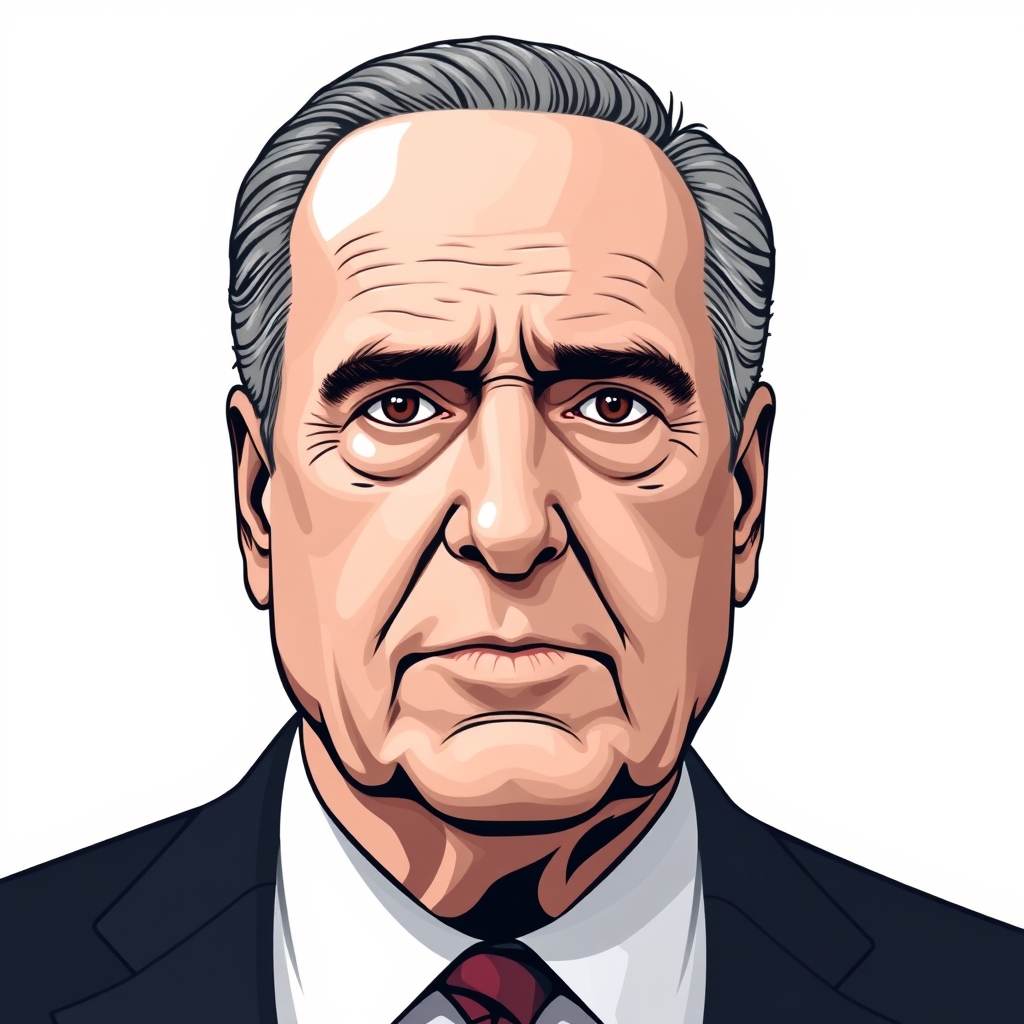
Senate Majority Leader Chuck Schumer is urging the FCC to reject a petition that would permit AI-generated robocalls ahead of the November midterm elections.
The dispute centers on whether such automated calls should be allowed or blocked to protect voters from misinformation.
*AI-generated summary of publicly available data. This is not an official statement of any party.
*AI-generated summary of publicly available statements and reporting. This is not an official statement of this party.
Supporters of AI robocall petitioners argue the technology is a modern extension of longstanding voter outreach, and that tradition and precedent favor letting campaigns communicate through evolving tools rather than preemptive bans.
Supporters of AI robocall petitioners argue that established channels of civic outreach deserve continuity rather than preemptive restriction, contending that new calling technology should be weighed against inherited norms of political speech rather than blocked outright.
Supporters of AI robocall petitioners counter that the retail-politics tradition was never open to all—disabled, rural, and homebound voters were excluded—so synthetic outreach extends civic participation rather than breaking cultural continuity.
Supporters of AI robocall petitioners argue that the FCC lacks legal authority to impose a blanket ban, contending existing rules already cover fraud and that regulators must honor statutory limits rather than preemptively restricting lawful automated speech.
Supporters of AI robocall petitioners argue that the FCC lacks legal authority to impose a blanket ban, contending existing law regulates fraudulent or deceptive calls rather than the technology itself.
Supporters of AI robocall petitioners counter that the FCC's statutory authority under the TCPA targets artificial or prerecorded voice calls, not AI-generated speech, and argue that blocking such calls before an election raises First Amendment concerns the agency cannot resolve.
Supporters of AI robocall petitioners argue Schumer's bid to block the tech is really about protecting incumbents' messaging advantage, not voters—regulation as leverage, and whoever writes the rules holds the power.
Supporters of AI robocall petitioners argue Schumer's timing betrays motive: incumbents fear automated outreach that bypasses gatekeepers, so blocking it protects established power rather than voters.
Supporters of AI robocall petitioners counter that Schumer's party already deploys automated outreach at scale, so the rule simply entrenches incumbents' messaging advantage while branding challengers' cheaper tools illegitimate.
Supporters of the AI robocall petitioners argue that fairness demands equal treatment under existing rules, contending that singling out AI-generated calls ahead of the midterms imposes a stigma on emerging technology without evidence of harm.
Supporters of the AI robocall petitioners argue that fairness demands equal treatment under existing rules, contending that singling out AI-generated calls for blanket rejection burdens lawful speech rather than targeting actual fraud.
Supporters of AI robocall petitioners counter that framing election integrity as a moral duty while silencing dissenting voices pre-midterms inverts the moral calculus—the moral imperative is protecting speech, not restricting it.
Supporters of AI robocall petitioners argue that scriptural commands against bearing false witness presume human intent, so automated tools without moral agency fall outside that prohibition.
Supporters of AI robocall petitioners argue that moral discernment, not blanket bans, should govern new tools, maintaining that truth-bearing speech deserves protection and that fear of misuse cannot justify silencing lawful voices.
Supporters of AI robocall petitioners counter that scripture's ban on bearing false witness already condemns deceptive robocalls, so new speech restrictions are not needed to defend that moral duty.
*AI-generated summary of publicly available statements and reporting. This is not an official statement of this party.
Supporters of Chuck Schumer frame AI robocalls as a cultural break from the tradition of retail, face-to-face campaigning, arguing that voters deserve a human voice over synthetic persuasion.
Supporters of Chuck Schumer argue that unchecked AI robocalls threaten the cultural norm of informed self-government, invoking a precedent of election laws that shield voters from deceptive campaign tactics.
Supporters of Chuck Schumer counter that voter outreach has always carried a human name and a human accountability, and that a synthetic voice erases the personal trust on which that tradition rests.
Supporters of Chuck Schumer argue that the FCC has legal authority to reject the petition, maintaining that blocking AI-generated robocalls before the November midterms protects voters from fraud and misinformation.
Supporters of Chuck Schumer argue that existing federal law already bars deceptive automated calls, so the FCC has legal grounds to reject the petition and protect voters from AI-generated misinformation before the November midterms.
Supporters of Chuck Schumer counter that the FCC's statutory authority over robocalls includes protecting consumers from AI-generated voice cloning, and they argue that existing fraud rules cannot address the scale and deception of synthetic speech.
Supporters of Chuck Schumer argue that blocking AI robocalls protects his party's control of the midterm narrative, since unregulated automated messaging is a tool rivals could wield to erode voter trust.
Supporters of Chuck Schumer argue that blocking AI robocalls protects the Democrats' electoral leverage, since unfettered synthetic calls would let anonymous actors flood voters with messaging the party cannot control or counter.
Supporters of Chuck Schumer counter that incumbents already own the megaphone, so banning synthetic robocalls strips rivals of the only cheap tool that could ever contest it—making "protection" a fiction.
Supporters of Chuck Schumer argue that protecting voters from AI-generated misinformation before the midterms is a moral duty, maintaining that election integrity outweighs the interests of robocall petitioners.
Supporters of Chuck Schumer frame the issue morally: protecting voters from AI-generated deception before an election is a duty, and they argue that permitting synthetic robocalls would let bad actors exploit trust at scale.
Supporters of Chuck Schumer counter that fairness cuts the other way: voters deceived by cloned voices cannot consent or seek recourse, so protecting them from fraud outweighs any stigma claimed by the technology's promoters.
Supporters of Chuck Schumer argue that defending honest elections is a moral duty, and they maintain that unchecked AI robocalls threaten the public trust and order that faith communities rely on to protect the vulnerable from deception.
Supporters of Chuck Schumer argue that shielding elections from deceptive AI robocalls upholds a moral duty to protect truth and neighbor from false witness, consistent with religious teaching.
Supporters of Chuck Schumer counter that scripture charges those who deploy a voice with its message, so the absence of machine intent does not release the sender from the duty of truthfulness.
AI-generated summary of publicly available statements and reporting. This is not an official statement of this party.
Supporters of AI robocall petitioners argue the technology is a modern extension of longstanding voter outreach, and that tradition and precedent favor letting campaigns communicate through evolving tools rather than preemptive bans.
Supporters of AI robocall petitioners argue that established channels of civic outreach deserve continuity rather than preemptive restriction, contending that new calling technology should be weighed against inherited norms of political speech rather than blocked outright.
Supporters of AI robocall petitioners counter that the retail-politics tradition was never open to all—disabled, rural, and homebound voters were excluded—so synthetic outreach extends civic participation rather than breaking cultural continuity.
Supporters of AI robocall petitioners argue that the FCC lacks legal authority to impose a blanket ban, contending existing rules already cover fraud and that regulators must honor statutory limits rather than preemptively restricting lawful automated speech.
Supporters of AI robocall petitioners argue that the FCC lacks legal authority to impose a blanket ban, contending existing law regulates fraudulent or deceptive calls rather than the technology itself.
Supporters of AI robocall petitioners counter that the FCC's statutory authority under the TCPA targets artificial or prerecorded voice calls, not AI-generated speech, and argue that blocking such calls before an election raises First Amendment concerns the agency cannot resolve.
Supporters of AI robocall petitioners argue Schumer's bid to block the tech is really about protecting incumbents' messaging advantage, not voters—regulation as leverage, and whoever writes the rules holds the power.
Supporters of AI robocall petitioners argue Schumer's timing betrays motive: incumbents fear automated outreach that bypasses gatekeepers, so blocking it protects established power rather than voters.
Supporters of AI robocall petitioners counter that Schumer's party already deploys automated outreach at scale, so the rule simply entrenches incumbents' messaging advantage while branding challengers' cheaper tools illegitimate.
Supporters of the AI robocall petitioners argue that fairness demands equal treatment under existing rules, contending that singling out AI-generated calls ahead of the midterms imposes a stigma on emerging technology without evidence of harm.
Supporters of the AI robocall petitioners argue that fairness demands equal treatment under existing rules, contending that singling out AI-generated calls for blanket rejection burdens lawful speech rather than targeting actual fraud.
Supporters of AI robocall petitioners counter that framing election integrity as a moral duty while silencing dissenting voices pre-midterms inverts the moral calculus—the moral imperative is protecting speech, not restricting it.
Supporters of AI robocall petitioners argue that scriptural commands against bearing false witness presume human intent, so automated tools without moral agency fall outside that prohibition.
Supporters of AI robocall petitioners argue that moral discernment, not blanket bans, should govern new tools, maintaining that truth-bearing speech deserves protection and that fear of misuse cannot justify silencing lawful voices.
Supporters of AI robocall petitioners counter that scripture's ban on bearing false witness already condemns deceptive robocalls, so new speech restrictions are not needed to defend that moral duty.
Supporters of Chuck Schumer frame AI robocalls as a cultural break from the tradition of retail, face-to-face campaigning, arguing that voters deserve a human voice over synthetic persuasion.
Supporters of Chuck Schumer argue that unchecked AI robocalls threaten the cultural norm of informed self-government, invoking a precedent of election laws that shield voters from deceptive campaign tactics.
Supporters of Chuck Schumer counter that voter outreach has always carried a human name and a human accountability, and that a synthetic voice erases the personal trust on which that tradition rests.
Supporters of Chuck Schumer argue that the FCC has legal authority to reject the petition, maintaining that blocking AI-generated robocalls before the November midterms protects voters from fraud and misinformation.
Supporters of Chuck Schumer argue that existing federal law already bars deceptive automated calls, so the FCC has legal grounds to reject the petition and protect voters from AI-generated misinformation before the November midterms.
Supporters of Chuck Schumer counter that the FCC's statutory authority over robocalls includes protecting consumers from AI-generated voice cloning, and they argue that existing fraud rules cannot address the scale and deception of synthetic speech.
Supporters of Chuck Schumer argue that blocking AI robocalls protects his party's control of the midterm narrative, since unregulated automated messaging is a tool rivals could wield to erode voter trust.
Supporters of Chuck Schumer argue that blocking AI robocalls protects the Democrats' electoral leverage, since unfettered synthetic calls would let anonymous actors flood voters with messaging the party cannot control or counter.
Supporters of Chuck Schumer counter that incumbents already own the megaphone, so banning synthetic robocalls strips rivals of the only cheap tool that could ever contest it—making "protection" a fiction.
Supporters of Chuck Schumer argue that protecting voters from AI-generated misinformation before the midterms is a moral duty, maintaining that election integrity outweighs the interests of robocall petitioners.
Supporters of Chuck Schumer frame the issue morally: protecting voters from AI-generated deception before an election is a duty, and they argue that permitting synthetic robocalls would let bad actors exploit trust at scale.
Supporters of Chuck Schumer counter that fairness cuts the other way: voters deceived by cloned voices cannot consent or seek recourse, so protecting them from fraud outweighs any stigma claimed by the technology's promoters.
Supporters of Chuck Schumer argue that defending honest elections is a moral duty, and they maintain that unchecked AI robocalls threaten the public trust and order that faith communities rely on to protect the vulnerable from deception.
Supporters of Chuck Schumer argue that shielding elections from deceptive AI robocalls upholds a moral duty to protect truth and neighbor from false witness, consistent with religious teaching.
Supporters of Chuck Schumer counter that scripture charges those who deploy a voice with its message, so the absence of machine intent does not release the sender from the duty of truthfulness.
Key elections that Schumer cites as reason to block AI robocalls.