Cockroach movement

VS
Modi government
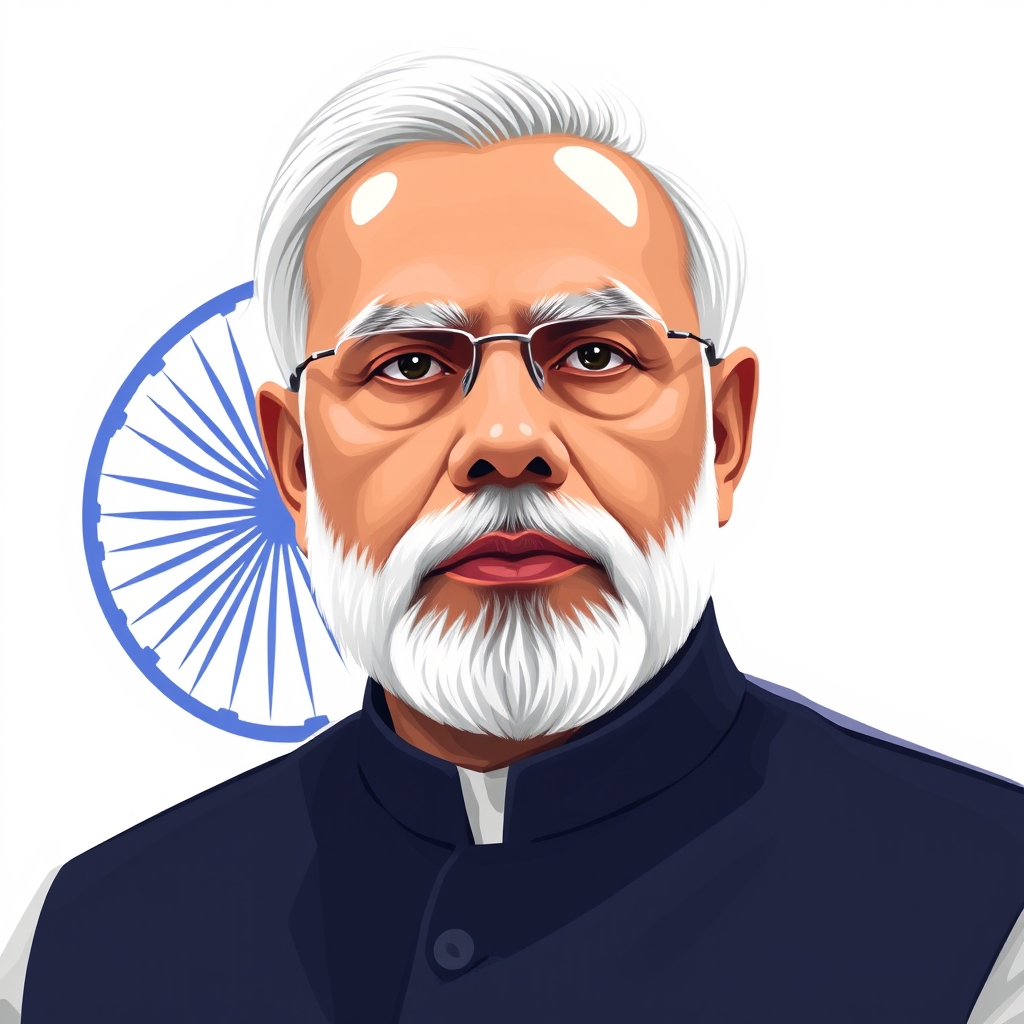
The Cockroach movement, also known as the Cockroach Janta Party (CJP), is a grassroots opposition campaign in India that has gained significant traction against the government of Prime Minister Narendra Modi.
The movement, symbolized by the cockroach, represents citizens questioning government accountability and policies, with supporters organizing protests and audits of public institutions.
The Modi government, led by the Bharatiya Janata Party (BJP), has historically controlled media narratives and faced criticism over various policy failures.
The conflict arises from the movement's challenge to the Modi government's policies and accountability, with supporters demanding greater transparency and action on issues they perceive as government failures.
The movement has escalated from initial protests to broader actions, including a call to audit government-run schools, framing them as a battleground in the political struggle.
This has led to heightened tensions, with the movement securing a rare victory by forcing the government to back down on certain issues after weeks of youth-led demonstrations.
The stakes are significant, as the movement's ascendancy could potentially shift media narratives and political dynamics in India, with protests spreading globally from New York to London.
The movement has become one of the biggest challenges to the Modi government, raising questions about accountability in an era where government fiascos are increasing.
*AI-generated summary of publicly available data. This is not an official statement of any party.
*AI-generated summary of publicly available statements and reporting. This is not an official statement of this party.
Supporters of the Cockroach movement argue that auditing government schools is a cultural defense of local educational sovereignty against Modi’s centralized vision.
Supporters of the Cockroach movement argue that auditing government-run schools is a defense of local cultural identity against Modi’s centralized homogenizing agenda, viewing the killing as a grim symbol of state-eroded community trust.
Supporters of the Cockroach movement counter that schools, as cultural trust anchors, must first be worthy of that trust, arguing that an audit rooted in public frustration, not violence, seeks to protect the institutions' sacred role from systemic neglect.
Supporters of the Cockroach movement argue that auditing government-run schools is a legal, transparent exercise of civic oversight, not incitement; they maintain that the killing cited by Modi’s government is an unproven pretext to criminalize lawful dissent and chill free assoc.
Supporters of the Cockroach movement argue the school audits are lawful civic oversight, not provocation, and that the killing, while tragic, does not invalidate their right to scrutinize public institutions under Indian law.
Supporters of the Cockroach movement counter that the legal framework itself permits citizen oversight under the Right to Information Act, and a requested audit is not vigilante action but a lawful demand for accountability.
Supporters of the Cockroach movement argue Modi's government treats state schools as neglected pawns, so audits expose that weakness as raw political leverage, not charity.
Supporters of the Cockroach movement argue that auditing government schools is a calculated power play, exposing Modi’s governance failures to erode his electoral base.
Supporters of the Cockroach movement counter that audits expose a governance failure, not a conspiracy; one killing reveals systemic neglect that the government’s own data cannot refute.
Supporters of the Cockroach movement argue that auditing government schools is a moral duty to expose systemic neglect, and they frame the killing as a tragic but inevitable symptom of state repression against their grassroots resistance.
Supporters of the Cockroach movement argue that auditing government schools is a moral duty to expose systemic neglect, framing their actions as justified resistance against institutional failure.
Supporters of the Cockroach movement counter that shielding children means exposing systemic failures, not defending audits that mask unsafe classrooms and poor teaching.
Supporters of the Cockroach movement argue that auditing government schools is a moral duty, rooted in the scriptural call to protect the innocent and seek truth against unjust authority.
Supporters of the Cockroach movement argue that auditing government schools is a moral duty to protect vulnerable children, viewing the killing as a tragic aberration contradicting their faith-based mission.
Supporters of the Cockroach movement counter that true dharma demands accountability, not blind obedience, and that sacred trust is broken when institutions fail their sacred duty to educate children.
*AI-generated summary of publicly available statements and reporting. This is not an official statement of this party.
Supporters of the Modi government argue that the Cockroach movement’s call to audit schools, beginning with violence, disregards the sanctity of educational institutions as cultural trust anchors.
Supporters of Modi government argue that the Cockroach movement’s school audits violate the sanctity of state institutions, undermining cultural trust in public education as a pillar of social order.
Supporters of Modi government counter that auditing local schools upholds a shared civilizational duty, not a cultural threat, as India’s educational heritage already blends central standards with regional practice.
Supporters of Modi government argue that the movement’s call for citizen audits of government schools, beginning with a killing, violates India’s legal framework against vigilantism and public disorder.
Supporters of Modi government argue that audits of state schools must follow legal procedures and respect federal jurisdiction, rejecting extrajudicial actions as unlawful.
Supporters of Modi government counter that the law prohibits vigilante audits, citing Sections 153A and 505 of the IPC, which criminalize acts promoting enmity or public mischief; they argue the audit’s targeting of state institutions exceeds civic oversight, and the killing clai.
Supporters of Modi government argue the Cockroach movement’s school audits are a pretext for destabilizing governance, using one killing to weaponize local grievances for political gain.
Supporters of Modi government argue the Cockroach movement’s school audits are a cynical power grab, using tragedy to weaponize local grievances for political leverage.
Supporters of Modi government counter that audits are a calculated instrument of accountability, not leverage; exposing state-school failures forces opposition-run states to own their neglect, shifting public blame away from Delhi and onto local governance.
Supporters of the Modi government argue that opposing audits of public schools disregards the moral duty to protect children’s safety and learning.
Supporters of Modi government argue that auditing public schools is a lawful civic duty, but the Cockroach movement’s resort to killing voids any moral claim, making its actions indefensible.
Supporters of the Modi government counter that framing school audits as moral duty ignores the state’s equal moral obligation to protect public property and ensure lawful oversight, with the movement’s methods undermining the very accountability it claims to champion.
Supporters of the Modi government argue that the 'Cockroach' movement's call to audit schools, beginning with violence, violates the sacred trust placed in educators and disrupts the social order rooted in dharma.
Supporters of Modi government argue that auditing state schools undermines the sacred duty of education, which upholds cultural and moral order. They see the movement's violent start as a threat to social stability, defending institutional continuity against disruption.
Supporters of Modi government counter that scriptural duty also commands respect for lawful authority and social order, which the Cockroach movement’s self-appointed audits undermine.
AI-generated summary of publicly available statements and reporting. This is not an official statement of this party.
Supporters of the Cockroach movement argue that auditing government schools is a cultural defense of local educational sovereignty against Modi’s centralized vision.
Supporters of the Cockroach movement argue that auditing government-run schools is a defense of local cultural identity against Modi’s centralized homogenizing agenda, viewing the killing as a grim symbol of state-eroded community trust.
Supporters of the Cockroach movement counter that schools, as cultural trust anchors, must first be worthy of that trust, arguing that an audit rooted in public frustration, not violence, seeks to protect the institutions' sacred role from systemic neglect.
Supporters of the Cockroach movement argue that auditing government-run schools is a legal, transparent exercise of civic oversight, not incitement; they maintain that the killing cited by Modi’s government is an unproven pretext to criminalize lawful dissent and chill free assoc.
Supporters of the Cockroach movement argue the school audits are lawful civic oversight, not provocation, and that the killing, while tragic, does not invalidate their right to scrutinize public institutions under Indian law.
Supporters of the Cockroach movement counter that the legal framework itself permits citizen oversight under the Right to Information Act, and a requested audit is not vigilante action but a lawful demand for accountability.
Supporters of the Cockroach movement argue Modi's government treats state schools as neglected pawns, so audits expose that weakness as raw political leverage, not charity.
Supporters of the Cockroach movement argue that auditing government schools is a calculated power play, exposing Modi’s governance failures to erode his electoral base.
Supporters of the Cockroach movement counter that audits expose a governance failure, not a conspiracy; one killing reveals systemic neglect that the government’s own data cannot refute.
Supporters of the Cockroach movement argue that auditing government schools is a moral duty to expose systemic neglect, and they frame the killing as a tragic but inevitable symptom of state repression against their grassroots resistance.
Supporters of the Cockroach movement argue that auditing government schools is a moral duty to expose systemic neglect, framing their actions as justified resistance against institutional failure.
Supporters of the Cockroach movement counter that shielding children means exposing systemic failures, not defending audits that mask unsafe classrooms and poor teaching.
Supporters of the Cockroach movement argue that auditing government schools is a moral duty, rooted in the scriptural call to protect the innocent and seek truth against unjust authority.
Supporters of the Cockroach movement argue that auditing government schools is a moral duty to protect vulnerable children, viewing the killing as a tragic aberration contradicting their faith-based mission.
Supporters of the Cockroach movement counter that true dharma demands accountability, not blind obedience, and that sacred trust is broken when institutions fail their sacred duty to educate children.
Supporters of the Modi government argue that the Cockroach movement’s call to audit schools, beginning with violence, disregards the sanctity of educational institutions as cultural trust anchors.
Supporters of Modi government argue that the Cockroach movement’s school audits violate the sanctity of state institutions, undermining cultural trust in public education as a pillar of social order.
Supporters of Modi government counter that auditing local schools upholds a shared civilizational duty, not a cultural threat, as India’s educational heritage already blends central standards with regional practice.
Supporters of Modi government argue that the movement’s call for citizen audits of government schools, beginning with a killing, violates India’s legal framework against vigilantism and public disorder.
Supporters of Modi government argue that audits of state schools must follow legal procedures and respect federal jurisdiction, rejecting extrajudicial actions as unlawful.
Supporters of Modi government counter that the law prohibits vigilante audits, citing Sections 153A and 505 of the IPC, which criminalize acts promoting enmity or public mischief; they argue the audit’s targeting of state institutions exceeds civic oversight, and the killing clai.
Supporters of Modi government argue the Cockroach movement’s school audits are a pretext for destabilizing governance, using one killing to weaponize local grievances for political gain.
Supporters of Modi government argue the Cockroach movement’s school audits are a cynical power grab, using tragedy to weaponize local grievances for political leverage.
Supporters of Modi government counter that audits are a calculated instrument of accountability, not leverage; exposing state-school failures forces opposition-run states to own their neglect, shifting public blame away from Delhi and onto local governance.
Supporters of the Modi government argue that opposing audits of public schools disregards the moral duty to protect children’s safety and learning.
Supporters of Modi government argue that auditing public schools is a lawful civic duty, but the Cockroach movement’s resort to killing voids any moral claim, making its actions indefensible.
Supporters of the Modi government counter that framing school audits as moral duty ignores the state’s equal moral obligation to protect public property and ensure lawful oversight, with the movement’s methods undermining the very accountability it claims to champion.
Supporters of the Modi government argue that the 'Cockroach' movement's call to audit schools, beginning with violence, violates the sacred trust placed in educators and disrupts the social order rooted in dharma.
Supporters of Modi government argue that auditing state schools undermines the sacred duty of education, which upholds cultural and moral order. They see the movement's violent start as a threat to social stability, defending institutional continuity against disruption.
Supporters of Modi government counter that scriptural duty also commands respect for lawful authority and social order, which the Cockroach movement’s self-appointed audits undermine.
It has been a rollercoaster ride for 'cockroach' party founder Abhijeet Dipke who gained celebrity status overnight.
The student-led "Cockroach" movement is taking its campaign for accountability to government schools, but the activists' methods are encountering growing resistance from authorities.
The student-led "Cockroach" movement is taking its campaign for accountability to government schools, but the activists' methods are encountering growing resistance from authorities.
Youth-led movement plans more demonstrations for next month.
The Cockroach Janta Party’s ‘Fix the Schools’ campaign in India is facing pushback from BJP leaders and supporters.
The student protest movement is turning its grassroots network into a nationwide campaign to audit neglected government schools and pressure authorities to act.
Cockroach leaders asked supporters to audit their nearest government-run schools. But it has started with a killing.
Al Jazeera reports that Modi's BJP once controlled media narratives in India, but this might be changing with the 'Cockroach' movement's ascendency.
ACLED reports that the 'Cockroach Janta Party' protest movement has secured a rare victory, forcing the Modi government to back down after weeks of youth-led demonstrations.
Supporters of 'cockroach' protests are going global, from New York to London, amplifying a movement in India that has become one of the biggest challenges to the government.
An article highlights the cockroach as a symbol of a movement asking tough questions in an era where the Modi government's fiascos are doubling by the day.