Colombia


VS
United States
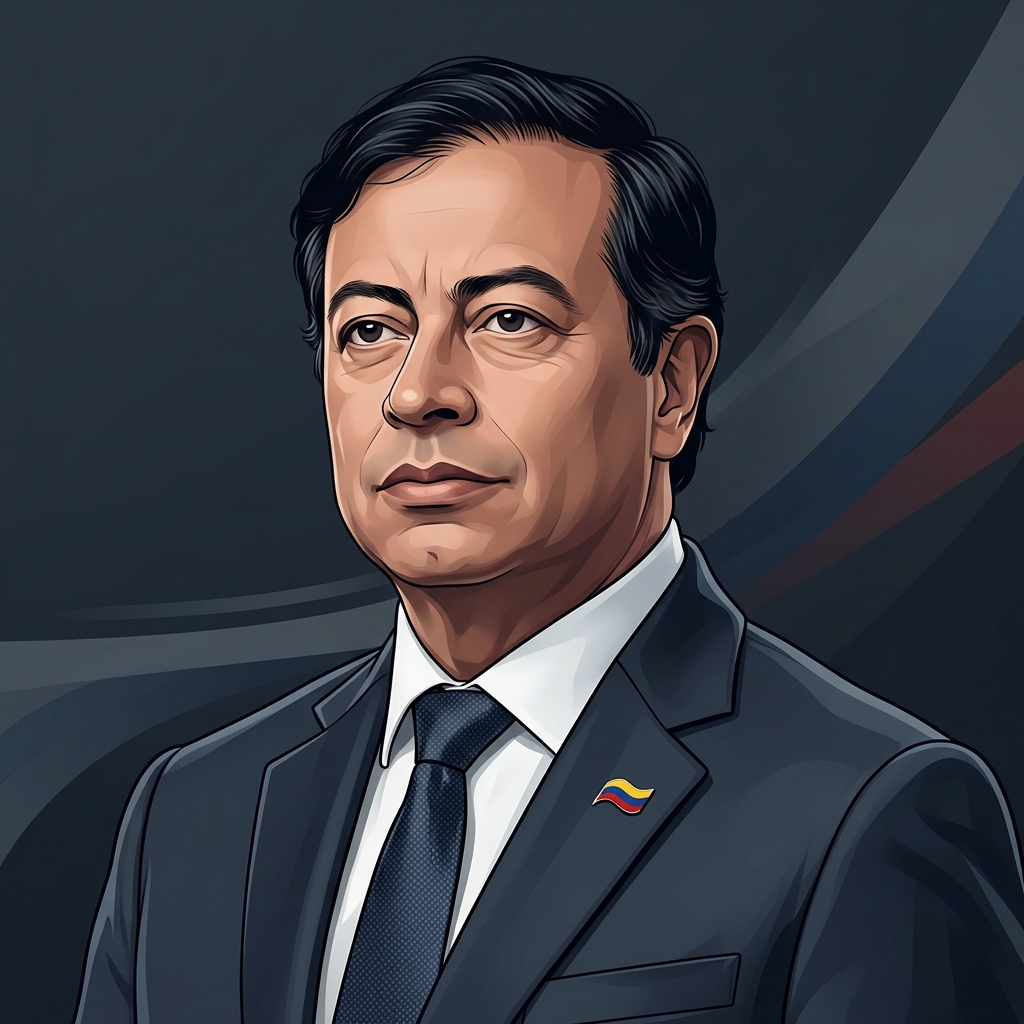
The match between Colombia and the United States centers on a diplomatic dispute following Colombian President Gustavo Petro's call for global support to prevent a potential US military invasion of Cuba.
Petro asserts that recent US actions indicate such a threat, while the US denies having any plans for an invasion.
The issue is contested, with no confirmed evidence of an imminent US military operation against Cuba.
The broader context includes the long-standing bilateral relationship between Colombia and the United States, which has evolved over time, though the specific dispute remains unresolved.
*AI-generated summary of publicly available data. This is not an official statement of any party.
*AI-generated summary of publicly available statements and reporting. This is not an official statement of this party.
Supporters of Colombia argue that Petro’s call reflects a Latin American cultural duty to defend sovereignty against perceived US pressure, framing Cuba as a symbolic test of regional self-determination.
Supporters of Colombia argue that President Petro's call reflects a shared Latin American cultural memory of foreign intervention, framing Cuba's sovereignty as a regional principle rather than a bilateral dispute.
Supporters of Colombia counter that U.S. policy toward Cuba overlooks the cultural bonds of Latin American sovereignty, where non-intervention is a shared identity, not a strategic pause. They argue that the absence of a formal plan does not erase decades of unilateral pressure,.
Supporters of Colombia argue that the White House’s denial lacks legal force, as Washington’s own embargo and prior actions create a credible threat under international law, justifying Petro’s call for preventive diplomacy.
Supporters of Colombia argue that under international law, the UN Charter prohibits any threat or use of force against a sovereign state, and Cuba's territorial integrity is legally protected.
Supporters of Colombia counter that legal sovereignty does not erase treaty obligations, citing the 2021 U.S.–Colombia agreement requiring mutual security consultations before any military deployment, which Washington bypassed.
Supporters of Colombia argue that Petro’s move is a calculated play to rally regional leverage, using the Cuba alarm to test Washington’s commitment under pressure, since no invasion evidence exists.
Supporters of Colombia argue Petro's Cuba gambit is a calculated power play to rally domestic leftist credibility while leveraging regional anti-US sentiment, forcing Washington to expend political capital denying an invasion it never planned.
Supporters of Colombia counter that Washington’s denial is itself a strategic feint; dismissing Petro’s alarm ignores U.S. leverage over Cuban migration as a bargaining chip, making the threat real enough to force concessions.
Supporters of Colombia argue that President Petro’s call reflects a moral duty to preemptively defend Cuban sovereignty, given historical US interventions; they see the absence of confirmed invasion plans as insufficient grounds to dismiss the warning, urging global vigilance as.
Supporters of Colombia argue that Petro’s call reflects a moral duty to prevent unprovoked military aggression against a sovereign nation, even absent hard evidence. They believe the US’s denial does not erase historical patterns of intervention, making precautionary global.
Supporters of Colombia counter that moral responsibility extends beyond sovereignty to the protection of human life, arguing that Petro’s warning reflects a legitimate fear of U.S. militarization, not a fabricated crisis. They contend that dismissing the claim without evidence.
Supporters of Colombia argue that Petro’s call reflects a moral duty to protect a neighbor from perceived aggression, grounded in the biblical principle of standing with the vulnerable against the powerful.
Supporters of Colombia argue that President Petro’s call reflects a moral duty to protect a sovereign neighbor, rooted in the biblical principle of defending the vulnerable against perceived aggression.
Supporters of Colombia counter that scripture calls nations to justice, not measured silence, and they challenge the claim that diplomatic precedent overrides moral duty toward Cuba.
*AI-generated summary of publicly available statements and reporting. This is not an official statement of this party.
Supporters of the United States argue that its long-standing policy toward Cuba reflects a commitment to regional stability, not aggression, and they point to the absence of any official plan as evidence that Petro's claim misreads diplomatic continuity as provocation.
Supporters of the United States argue that the nation’s longstanding policy of non-intervention in Cuba’s internal affairs is a matter of inherited diplomatic tradition, dismissing Petro’s claim as a break from established norms.
Supporters of the United States counter that hemispheric tradition favors diplomatic engagement over symbolic defiance, viewing Cuba’s isolation as a long-standing regional norm rather than a test of sovereignty.
Supporters of the United States argue that Petro’s invasion claim lacks verifiable evidence, and they maintain that the U.S. position rests on legal sovereignty, not military intent. They point to the absence of any official U.S. action or resolution authorizing force against.
Supporters of the United States argue that Petro's claim lacks evidentiary support, as no treaty or UN resolution obligates Washington to justify non-existent military plans, making his call legally baseless.
Supporters of the United States counter that Colombia’s claim conflates policy shifts with legal threats, citing that embargoes and diplomatic actions do not, under customary international law, constitute an imminent armed attack warranting preventive measures.
Supporters of the United States argue Petro’s alarm is a distraction from Colombia’s internal struggles, noting Washington’s denial signals no real threat to Cuba. They maintain that leveraging a phantom invasion narrative serves Petro’s domestic political gain, not bilateral.
Supporters of the United States argue Petro’s claim is a distraction, given no evidence of an invasion plan, and they see it as leverage for domestic politics. In their view, Washington’s denial is pragmatic, protecting its Cuba policy while avoiding escalation with Colombia.
Supporters of the United States counter that Petro’s move is a leverage test, but Washington reads it as a bluff—no invasion evidence means no real threat, so the U.S. can afford to ignore the provocation and wait for Colombia’s economic dependency to force a retreat.
Supporters of the United States argue that moral responsibility demands respect for sovereign nations, and they deny any invasion plans, viewing Petro’s claim as unsubstantiated and harmful to diplomatic trust.
Supporters of the United States argue that Petro’s claim, absent evidence, undermines trust and moral responsibility, as baseless accusations against a sovereign ally destabilize regional diplomacy and ignore America’s lawful, non-aggressive posture.
Supporters of the United States counter that moral duty cannot justify speculative accusations against a sovereign nation, arguing that Petro’s warning, without verified plans, risks undermining diplomatic trust and fabricating crises where none exist.
Supporters of the United States argue that its actions toward Cuba are grounded in a tradition of measured statecraft, not reckless adventure, and they view Petro’s alarm as a departure from diplomatic precedent.
Supporters of the United States argue that accusations of an invasion of Cuba are unfounded and disrupt regional order, viewing diplomatic restraint as a moral duty rooted in lawful conduct rather than impulsive action.
Supporters of the United States counter that moral duty is not a license to disregard sovereignty, citing Romans 13, which upholds governing authorities as God’s ordained order, and thus rejects intervention without lawful cause.
AI-generated summary of publicly available statements and reporting. This is not an official statement of this party.
Supporters of Colombia argue that Petro’s call reflects a Latin American cultural duty to defend sovereignty against perceived US pressure, framing Cuba as a symbolic test of regional self-determination.
Supporters of Colombia argue that President Petro's call reflects a shared Latin American cultural memory of foreign intervention, framing Cuba's sovereignty as a regional principle rather than a bilateral dispute.
Supporters of Colombia counter that U.S. policy toward Cuba overlooks the cultural bonds of Latin American sovereignty, where non-intervention is a shared identity, not a strategic pause. They argue that the absence of a formal plan does not erase decades of unilateral pressure,.
Supporters of Colombia argue that the White House’s denial lacks legal force, as Washington’s own embargo and prior actions create a credible threat under international law, justifying Petro’s call for preventive diplomacy.
Supporters of Colombia argue that under international law, the UN Charter prohibits any threat or use of force against a sovereign state, and Cuba's territorial integrity is legally protected.
Supporters of Colombia counter that legal sovereignty does not erase treaty obligations, citing the 2021 U.S.–Colombia agreement requiring mutual security consultations before any military deployment, which Washington bypassed.
Supporters of Colombia argue that Petro’s move is a calculated play to rally regional leverage, using the Cuba alarm to test Washington’s commitment under pressure, since no invasion evidence exists.
Supporters of Colombia argue Petro's Cuba gambit is a calculated power play to rally domestic leftist credibility while leveraging regional anti-US sentiment, forcing Washington to expend political capital denying an invasion it never planned.
Supporters of Colombia counter that Washington’s denial is itself a strategic feint; dismissing Petro’s alarm ignores U.S. leverage over Cuban migration as a bargaining chip, making the threat real enough to force concessions.
Supporters of Colombia argue that President Petro’s call reflects a moral duty to preemptively defend Cuban sovereignty, given historical US interventions; they see the absence of confirmed invasion plans as insufficient grounds to dismiss the warning, urging global vigilance as.
Supporters of Colombia argue that Petro’s call reflects a moral duty to prevent unprovoked military aggression against a sovereign nation, even absent hard evidence. They believe the US’s denial does not erase historical patterns of intervention, making precautionary global.
Supporters of Colombia counter that moral responsibility extends beyond sovereignty to the protection of human life, arguing that Petro’s warning reflects a legitimate fear of U.S. militarization, not a fabricated crisis. They contend that dismissing the claim without evidence.
Supporters of Colombia argue that Petro’s call reflects a moral duty to protect a neighbor from perceived aggression, grounded in the biblical principle of standing with the vulnerable against the powerful.
Supporters of Colombia argue that President Petro’s call reflects a moral duty to protect a sovereign neighbor, rooted in the biblical principle of defending the vulnerable against perceived aggression.
Supporters of Colombia counter that scripture calls nations to justice, not measured silence, and they challenge the claim that diplomatic precedent overrides moral duty toward Cuba.
Supporters of the United States argue that its long-standing policy toward Cuba reflects a commitment to regional stability, not aggression, and they point to the absence of any official plan as evidence that Petro's claim misreads diplomatic continuity as provocation.
Supporters of the United States argue that the nation’s longstanding policy of non-intervention in Cuba’s internal affairs is a matter of inherited diplomatic tradition, dismissing Petro’s claim as a break from established norms.
Supporters of the United States counter that hemispheric tradition favors diplomatic engagement over symbolic defiance, viewing Cuba’s isolation as a long-standing regional norm rather than a test of sovereignty.
Supporters of the United States argue that Petro’s invasion claim lacks verifiable evidence, and they maintain that the U.S. position rests on legal sovereignty, not military intent. They point to the absence of any official U.S. action or resolution authorizing force against.
Supporters of the United States argue that Petro's claim lacks evidentiary support, as no treaty or UN resolution obligates Washington to justify non-existent military plans, making his call legally baseless.
Supporters of the United States counter that Colombia’s claim conflates policy shifts with legal threats, citing that embargoes and diplomatic actions do not, under customary international law, constitute an imminent armed attack warranting preventive measures.
Supporters of the United States argue Petro’s alarm is a distraction from Colombia’s internal struggles, noting Washington’s denial signals no real threat to Cuba. They maintain that leveraging a phantom invasion narrative serves Petro’s domestic political gain, not bilateral.
Supporters of the United States argue Petro’s claim is a distraction, given no evidence of an invasion plan, and they see it as leverage for domestic politics. In their view, Washington’s denial is pragmatic, protecting its Cuba policy while avoiding escalation with Colombia.
Supporters of the United States counter that Petro’s move is a leverage test, but Washington reads it as a bluff—no invasion evidence means no real threat, so the U.S. can afford to ignore the provocation and wait for Colombia’s economic dependency to force a retreat.
Supporters of the United States argue that moral responsibility demands respect for sovereign nations, and they deny any invasion plans, viewing Petro’s claim as unsubstantiated and harmful to diplomatic trust.
Supporters of the United States argue that Petro’s claim, absent evidence, undermines trust and moral responsibility, as baseless accusations against a sovereign ally destabilize regional diplomacy and ignore America’s lawful, non-aggressive posture.
Supporters of the United States counter that moral duty cannot justify speculative accusations against a sovereign nation, arguing that Petro’s warning, without verified plans, risks undermining diplomatic trust and fabricating crises where none exist.
Supporters of the United States argue that its actions toward Cuba are grounded in a tradition of measured statecraft, not reckless adventure, and they view Petro’s alarm as a departure from diplomatic precedent.
Supporters of the United States argue that accusations of an invasion of Cuba are unfounded and disrupt regional order, viewing diplomatic restraint as a moral duty rooted in lawful conduct rather than impulsive action.
Supporters of the United States counter that moral duty is not a license to disregard sovereignty, citing Romans 13, which upholds governing authorities as God’s ordained order, and thus rejects intervention without lawful cause.
Petro urges global support to stop possible US invasion of Cuba