CONCACAF
VS
Gianni Infantino
CONCACAF, the Confederation of North, Central America and Caribbean Association Football, is a regional governing body for soccer.
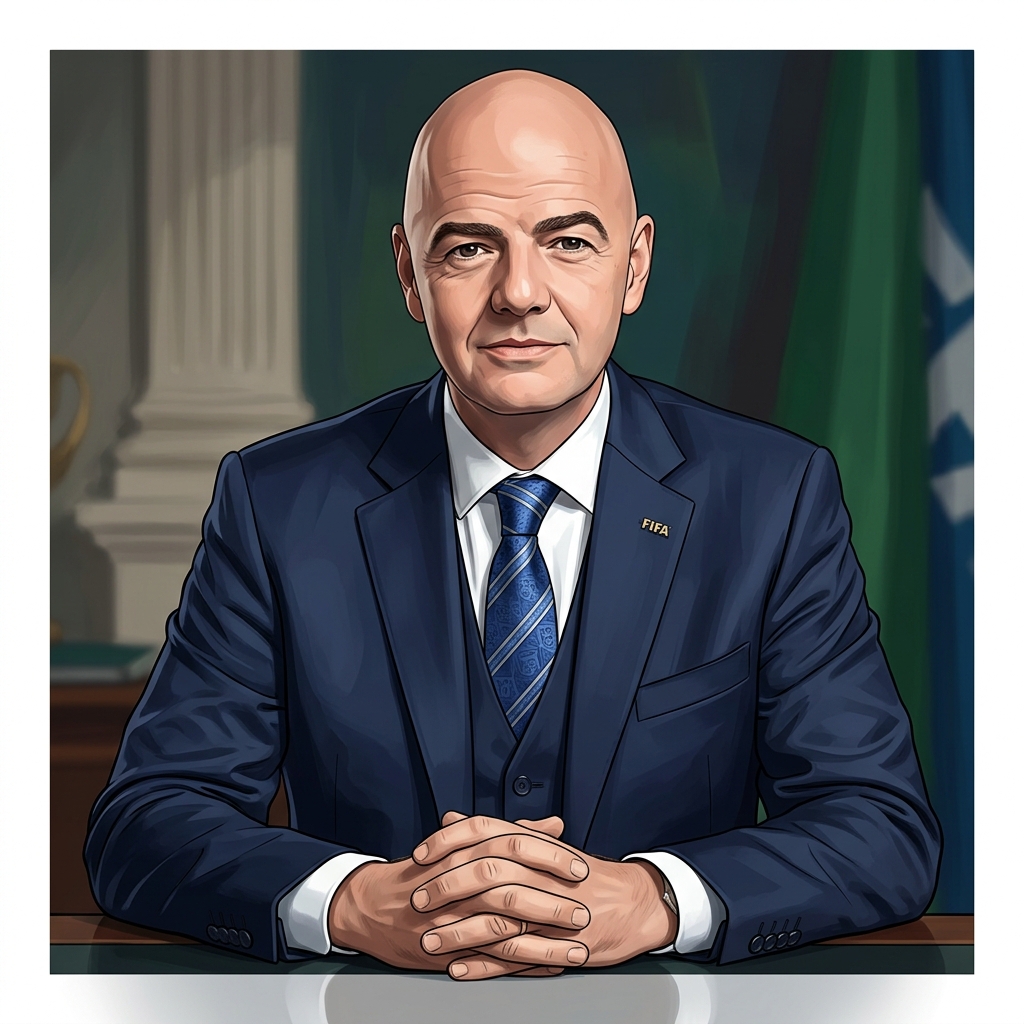
Gianni Infantino is the president of FIFA, the international governing body of football.
In 2026, CONCACAF, along with UEFA and the Asian Football Confederation (AFC), publicly criticized Infantino's leadership.
The conflict centers on Infantino's proposal to sell stakes in the FIFA World Cup to private investors.
CONCACAF, UEFA, and AFC have accused Infantino of 'deception' and of 'breaking trust' through this plan, which they have rejected.
The dispute has raised questions about Infantino's future as FIFA president and has led to tensions between regional confederations and FIFA's leadership.
In August 2026, CONCACAF reportedly requested that Infantino not attend an upcoming youth tournament, highlighting the depth of the rift.
FIFA has apologized for errors in the failed plan, but the controversy continues to affect the governance of international football.
*AI-generated summary of publicly available data. This is not an official statement of any party.
*AI-generated summary of publicly available statements and reporting. This is not an official statement of this party.
Supporters of CONCACAF maintain that regional football culture prizes accountability over spectacle, viewing Infantino’s absence as a necessary precedent rooted in FIFA’s historical governance failures.
Supporters of CONCACAF argue that requesting Infantino’s absence reflects a cultural tradition of regional accountability, where leaders honor local governance norms over centralized authority.
Supporters of CONCACAF counter that ceremonial unity has long masked regional neglect, as FIFA’s history shows small federations silenced for transient central interests. They argue institutional protocol must bend to cultural accountability, not shield power from scrutiny.
Supporters of CONCACAF argue the request is a lawful governance safeguard, citing FIFA’s own statutes that permit confederations to protect event integrity during open ethics disputes.
Supporters of CONCACAF argue that the request is a lawful exercise of regional authority, citing FIFA’s own governance rules that permit confederations to manage event protocols independently.
Supporters of CONCACAF counter that FIFA’s statutes also require the president to respect host-nation sovereignty and event agreements, which grant CONCACAF exclusive authority over its own competitions, making attendance a privilege, not a unilateral right.
Supporters of CONCACAF argue the request is a calculated power play, leveraging Infantino’s weakened position to force FIFA’s president into a public concession and test his grip on the regional bloc.
Supporters of CONCACAF argue the request is a pragmatic power play, isolating Infantino to signal regional leverage amid FIFA's crisis, forcing him to bargain on governance terms.
Supporters of CONCACAF counter that Infantino’s camp misreads the timing; leverage is the only currency FIFA respects, and the request merely capitalizes on a vacuum Infantino himself created.
Supporters of CONCACAF argue that excluding Infantino from the tournament upholds FIFA's moral obligation to separate leadership from youth events during a governance crisis, prioritizing institutional integrity over personal presence.
Supporters of CONCACAF argue that keeping Infantino away from a youth tournament upholds the moral duty to shield young athletes from institutional scandal, prioritizing their integrity over symbolic leadership.
Supporters of CONCACAF counter that fair process demands transparency, not presumption, and that Infantino’s conduct warrants scrutiny under FIFA’s own ethical standards.
Supporters of CONCACAF argue that their request reflects a moral duty to uphold righteous stewardship, as scripture warns against leaders who ignore accountability and divide communities.
Supporters of CONCACAF argue their request reflects a moral duty to uphold righteous stewardship, as scripture warns against leaders who ignore accountability; they see Infantino's absence as a step toward restoring faithful governance in football.
Supporters of CONCACAF counter that divine stewardship demands accountability, not blind reverence, for earthly authority—scripture warns against idols, and Infantino’s mandate is judged by justice, not institutional piety.
*AI-generated summary of publicly available statements and reporting. This is not an official statement of this party.
Supporters of Infantino argue that regional bodies like CONCACAF should uphold institutional protocol, not sideline a sitting FIFA president over transient disputes, as such actions erode the unity and ceremonial continuity that bind football’s global cultural heritage.
Supporters of Gianni Infantino argue that CONCACAF's request breaks with football's cultural tradition of unified leadership, where regional bodies respect FIFA's institutional hierarchy during crises.
Supporters of Gianni Infantino counter that CONCACAF’s appeal to historical governance failures ignores FIFA’s cultural role as a unifying global institution, where presidential presence at regional finals signals shared tradition and institutional continuity, not spectacle.
Supporters of Gianni Infantino argue that CONCACAF’s request lacks legal basis, as FIFA’s statutes grant the president authority to attend all tournaments; they maintain that any exclusion must follow due process through FIFA’s governance bodies, not unilateral regional action.
Supporters of Gianni Infantino argue that CONCACAF’s request, absent a formal FIFA disciplinary finding, has no legal basis, as tournament attendance falls within the president’s statutory authority, and they maintain that regional confederations cannot unilaterally exclude a dul.
Supporters of Gianni Infantino counter that FIFA’s statutes require disputes to be resolved through its own judicial bodies, not unilateral confederation action, and that CONCACAF’s request exceeds its authority under the governing framework.
Supporters of Gianni Infantino argue CONCACAF’s request is a calculated power play to exploit FIFA’s turbulence, not a principled stand.
Supporters of Gianni Infantino argue that CONCACAF’s request is a power play, not principle, masking regional ambitions to weaken FIFA’s center of control.
Supporters of Gianni Infantino counter that CONCACAF’s move is a bluff, not a power play—its leverage evaporates once FIFA’s president quietly redirects World Cup slots to rival confederations, exposing the bloc’s dependency on his favor.
Supporters of Gianni Infantino argue that CONCACAF’s request undermines the moral duty of fair process, judging a leader without evidence of wrongdoing.
Supporters of Gianni Infantino argue that CONCACAF’s request sidesteps due process, judging him before any finding of wrongdoing, which undermines the moral principle of fairness.
Supporters of Gianni Infantino counter that moral integrity lies in honoring FIFA’s statutes and election outcomes, not in symbolic exclusions; they argue that separating Infantino from youth events would unjustly penalize players and undermine the very governance reforms he cham.
Supporters of Gianni Infantino argue that his leadership mirrors a sacred calling to preserve football’s unity, and they view CONCACAF’s request as a breach of institutional reverence, undermining the moral authority that guides the sport’s global order.
Supporters of Gianni Infantino argue that dissent against his leadership disregards the sacred duty of unity, as governance crises test institutional faith rather than justify rebellion from CONCACAF.
Supporters of Gianni Infantino counter that CONCACAF’s appeal to scripture misreads the mandate of stewardship, for order and unity are themselves divine gifts, and the preservation of established governance honors that inheritance.
AI-generated summary of publicly available statements and reporting. This is not an official statement of this party.
Supporters of CONCACAF maintain that regional football culture prizes accountability over spectacle, viewing Infantino’s absence as a necessary precedent rooted in FIFA’s historical governance failures.
Supporters of CONCACAF argue that requesting Infantino’s absence reflects a cultural tradition of regional accountability, where leaders honor local governance norms over centralized authority.
Supporters of CONCACAF counter that ceremonial unity has long masked regional neglect, as FIFA’s history shows small federations silenced for transient central interests. They argue institutional protocol must bend to cultural accountability, not shield power from scrutiny.
Supporters of CONCACAF argue the request is a lawful governance safeguard, citing FIFA’s own statutes that permit confederations to protect event integrity during open ethics disputes.
Supporters of CONCACAF argue that the request is a lawful exercise of regional authority, citing FIFA’s own governance rules that permit confederations to manage event protocols independently.
Supporters of CONCACAF counter that FIFA’s statutes also require the president to respect host-nation sovereignty and event agreements, which grant CONCACAF exclusive authority over its own competitions, making attendance a privilege, not a unilateral right.
Supporters of CONCACAF argue the request is a calculated power play, leveraging Infantino’s weakened position to force FIFA’s president into a public concession and test his grip on the regional bloc.
Supporters of CONCACAF argue the request is a pragmatic power play, isolating Infantino to signal regional leverage amid FIFA's crisis, forcing him to bargain on governance terms.
Supporters of CONCACAF counter that Infantino’s camp misreads the timing; leverage is the only currency FIFA respects, and the request merely capitalizes on a vacuum Infantino himself created.
Supporters of CONCACAF argue that excluding Infantino from the tournament upholds FIFA's moral obligation to separate leadership from youth events during a governance crisis, prioritizing institutional integrity over personal presence.
Supporters of CONCACAF argue that keeping Infantino away from a youth tournament upholds the moral duty to shield young athletes from institutional scandal, prioritizing their integrity over symbolic leadership.
Supporters of CONCACAF counter that fair process demands transparency, not presumption, and that Infantino’s conduct warrants scrutiny under FIFA’s own ethical standards.
Supporters of CONCACAF argue that their request reflects a moral duty to uphold righteous stewardship, as scripture warns against leaders who ignore accountability and divide communities.
Supporters of CONCACAF argue their request reflects a moral duty to uphold righteous stewardship, as scripture warns against leaders who ignore accountability; they see Infantino's absence as a step toward restoring faithful governance in football.
Supporters of CONCACAF counter that divine stewardship demands accountability, not blind reverence, for earthly authority—scripture warns against idols, and Infantino’s mandate is judged by justice, not institutional piety.
Supporters of Infantino argue that regional bodies like CONCACAF should uphold institutional protocol, not sideline a sitting FIFA president over transient disputes, as such actions erode the unity and ceremonial continuity that bind football’s global cultural heritage.
Supporters of Gianni Infantino argue that CONCACAF's request breaks with football's cultural tradition of unified leadership, where regional bodies respect FIFA's institutional hierarchy during crises.
Supporters of Gianni Infantino counter that CONCACAF’s appeal to historical governance failures ignores FIFA’s cultural role as a unifying global institution, where presidential presence at regional finals signals shared tradition and institutional continuity, not spectacle.
Supporters of Gianni Infantino argue that CONCACAF’s request lacks legal basis, as FIFA’s statutes grant the president authority to attend all tournaments; they maintain that any exclusion must follow due process through FIFA’s governance bodies, not unilateral regional action.
Supporters of Gianni Infantino argue that CONCACAF’s request, absent a formal FIFA disciplinary finding, has no legal basis, as tournament attendance falls within the president’s statutory authority, and they maintain that regional confederations cannot unilaterally exclude a dul.
Supporters of Gianni Infantino counter that FIFA’s statutes require disputes to be resolved through its own judicial bodies, not unilateral confederation action, and that CONCACAF’s request exceeds its authority under the governing framework.
Supporters of Gianni Infantino argue CONCACAF’s request is a calculated power play to exploit FIFA’s turbulence, not a principled stand.
Supporters of Gianni Infantino argue that CONCACAF’s request is a power play, not principle, masking regional ambitions to weaken FIFA’s center of control.
Supporters of Gianni Infantino counter that CONCACAF’s move is a bluff, not a power play—its leverage evaporates once FIFA’s president quietly redirects World Cup slots to rival confederations, exposing the bloc’s dependency on his favor.
Supporters of Gianni Infantino argue that CONCACAF’s request undermines the moral duty of fair process, judging a leader without evidence of wrongdoing.
Supporters of Gianni Infantino argue that CONCACAF’s request sidesteps due process, judging him before any finding of wrongdoing, which undermines the moral principle of fairness.
Supporters of Gianni Infantino counter that moral integrity lies in honoring FIFA’s statutes and election outcomes, not in symbolic exclusions; they argue that separating Infantino from youth events would unjustly penalize players and undermine the very governance reforms he cham.
Supporters of Gianni Infantino argue that his leadership mirrors a sacred calling to preserve football’s unity, and they view CONCACAF’s request as a breach of institutional reverence, undermining the moral authority that guides the sport’s global order.
Supporters of Gianni Infantino argue that dissent against his leadership disregards the sacred duty of unity, as governance crises test institutional faith rather than justify rebellion from CONCACAF.
Supporters of Gianni Infantino counter that CONCACAF’s appeal to scripture misreads the mandate of stewardship, for order and unity are themselves divine gifts, and the preservation of established governance honors that inheritance.
FIFA boss turns up at event after CONCACAF chief Montagliani asked him to reconsider amid the body’s governance crisis.
The pressure on Gianni Infantino has led CONCACAF to reportedly ask the FIFA president to skip upcoming tournament.
The three confederations released a letter accusing FIFA president Gianni Infantino of 'deception' and 'broken trust' over his World Cup privatization plan.
FIFA apologized for errors made in Gianni Infantino's failed plan to sell stakes in the World Cup, following criticism from confederations.
Despite criticism from CONCACAF, UEFA, and AFC, Mexico remains a supporter of Gianni Infantino's leadership at FIFA.
UEFA and CONCACAF rejected Gianni Infantino's plans to sell stakes in the World Cup, leading to questions about his leadership during a FIFA meeting.