Cornell 7 defense lawyer
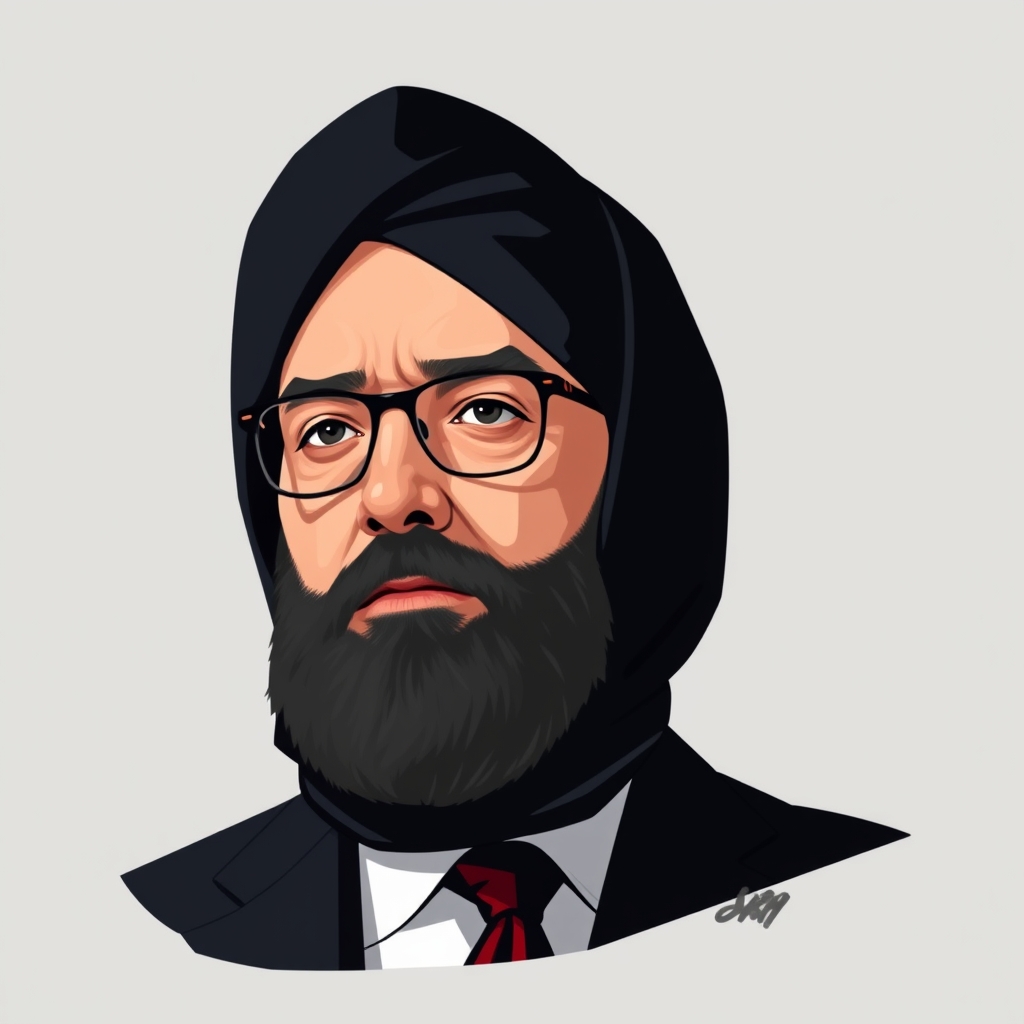
VS
New York Attorney General Letitia James

A lawyer for one of the Cornell 7 has called for the special prosecutor, New York Attorney General Letitia James, to be removed from the rape investigation, arguing that previous comments she made about the case should disqualify her.
The dispute centers on whether James's public statements compromise her ability to conduct a fair and impartial investigation.
*AI-generated summary of publicly available data. This is not an official statement of any party.
*AI-generated summary of publicly available statements and reporting. This is not an official statement of this party.
Supporters of the Cornell 7 defense lawyer argue that Attorney General James's prior public comments on the case reveal a fixed cultural bias, and that impartial justice requires a prosecutor with no pre-judged narrative.
Supporters of the Cornell 7 defense lawyer argue that James's prior public comments on the case reflect a cultural bias favoring accusers, tainting her impartiality.
Supporters of the Cornell 7 defense lawyer counter that distrust of state prosecutors runs deep in communities shaped by COINTELPRO-era surveillance, and they argue that cultural memory, not partisan reflex, fuels the recusal demand.
Supporters of the Cornell 7 defense lawyer argue that Attorney General Letitia James's prior public comments on the case create an appearance of bias, and that due process requires a neutral special prosecutor.
Supporters of the Cornell 7 defense lawyer argue that Attorney General James's prior public comments on the case create an appearance of bias, and that due process requires a special prosecutor who has not prejudged the facts.
Supporters of the Cornell 7 defense lawyer counter that a prosecutor's public prejudgment can itself constitute disqualifying bias under due process, regardless of whether a specific recusal statute exists.
Supporters of the Cornell 7 defense lawyer argue that James's prior public comments make her a compromised arbiter, so recusal is the only move that protects the defense's leverage.
Supporters of the Cornell 7 defense lawyer argue that James's prior public comments make her a compromised arbiter, and that recusal is the only move that preserves the appearance of impartiality.
Supporters of the Cornell 7 defense lawyer counter that delay favors the state, not the accused, so the recusal demand targets the prosecutor's conflict, not the clock.
Supporters of the Cornell 7 defense lawyer argue that fairness demands an impartial prosecutor, and that James's prior public comments on the case create an appearance of bias that morally disqualifies her from overseeing the rape investigation.
Supporters of the Cornell 7 defense lawyer argue that impartial justice demands an investigator free of prejudgment, and they maintain that Attorney General James's prior public comments on the case morally disqualify her from fairly leading it.
Supporters of the Cornell 7 defense lawyer counter that James's moral duty to the accused is equal under law, and that her prior public comments risk prejudging guilt, violating the presumption of innocence.
Supporters of the Cornell 7 defense lawyer argue that impartial justice, a moral duty rooted in divine law, requires Letitia James's removal, since her prior comments on the case compromise fairness.
Supporters of the Cornell 7 defense lawyer argue that scripture demands impartial judges, citing verses like Proverbs 18:17, so Attorney General James's prior comments on the case disqualify her from investigating fairly.
Supporters of the Cornell 7 defense lawyer counter that scripture warns against false witness, and public statements sworn before God bind the prosecutor's conscience, so impartiality cannot be presumed.
*AI-generated summary of publicly available statements and reporting. This is not an official statement of this party.
Supporters of New York Attorney General Letitia James contend that recusal demands echo a long cultural pattern of casting doubt on prosecutors who champion survivors, and they argue her record merits trust, not removal.
Supporters of New York Attorney General Letitia James argue that calls to disqualify her reflect a cultural shift toward treating prosecutors' public statements as disqualifying, though precedent holds that recusal requires actual bias, not merely prior comment.
Supporters of Attorney General Letitia James counter that a prosecutor's cultural perspective reflects the community's values, not bias, and that James's record shows even-handed enforcement across groups.
Supporters of New York Attorney General Letitia James argue that her prior comments do not legally disqualify her, since no statute or precedent requires recusal absent demonstrated bias, and her office retains lawful authority to investigate.
Supporters of New York Attorney General Letitia James argue that a prosecutor's prior public comments on a case are not automatic grounds for removal under New York law, and that disqualification requires a showing of actual bias or conflict, not mere statements.
Supporters of Attorney General Letitia James counter that her public statements reflect her statutory duty to speak on matters of public safety, not bias, and that no legal standard requires a special prosecutor absent a showing of actual prejudice.
Supporters of New York Attorney General Letitia James argue that recusal demands are a tactical play for delay, and that her office's institutional power, not defense complaints, decides whether she stays on the case.
Supporters of Attorney General Letitia James argue that recusal demands are a tactical play: the defense gains delay and a fresh, less prepared prosecutor, while James's office keeps the institutional leverage it already holds.
Supporters of James counter that recusal cedes the prosecutor's leverage, and that a sitting AG's public remarks signal resolve rather than bias; they argue power, not neutrality, decides this fight.
Supporters of New York Attorney General Letitia James argue that her duty to pursue justice for an alleged rape victim outweighs a defense lawyer's demand for recusal, since prior public comments alone do not prove bias.
Supporters of New York Attorney General Letitia James argue that victims of sexual violence deserve a fair investigation, not a disqualification fight, and that prior public comments do not erase her legal duty to pursue justice impartially.
Supporters of Attorney General Letitia James counter that a prosecutor's moral duty is to victims, and publicly affirming a rape investigation upholds that duty rather than undermining impartiality.
Supporters of New York Attorney General Letitia James argue that a prosecutor's past public statements do not compromise the sacred duty to pursue truth and justice impartially, a trust the office must uphold.
Supporters of New York Attorney General Letitia James maintain that pursuing justice for the vulnerable is a moral duty, and that upholding institutional trust requires the case proceed under duly constituted authority, not be derailed by procedural objections.
Supporters of Attorney General Letitia James counter that her oath to enforce state law reflects a God-given duty to uphold order, and that prior remarks do not erase the presumption of fair prosecution.
AI-generated summary of publicly available statements and reporting. This is not an official statement of this party.
Supporters of the Cornell 7 defense lawyer argue that Attorney General James's prior public comments on the case reveal a fixed cultural bias, and that impartial justice requires a prosecutor with no pre-judged narrative.
Supporters of the Cornell 7 defense lawyer argue that James's prior public comments on the case reflect a cultural bias favoring accusers, tainting her impartiality.
Supporters of the Cornell 7 defense lawyer counter that distrust of state prosecutors runs deep in communities shaped by COINTELPRO-era surveillance, and they argue that cultural memory, not partisan reflex, fuels the recusal demand.
Supporters of the Cornell 7 defense lawyer argue that Attorney General Letitia James's prior public comments on the case create an appearance of bias, and that due process requires a neutral special prosecutor.
Supporters of the Cornell 7 defense lawyer argue that Attorney General James's prior public comments on the case create an appearance of bias, and that due process requires a special prosecutor who has not prejudged the facts.
Supporters of the Cornell 7 defense lawyer counter that a prosecutor's public prejudgment can itself constitute disqualifying bias under due process, regardless of whether a specific recusal statute exists.
Supporters of the Cornell 7 defense lawyer argue that James's prior public comments make her a compromised arbiter, so recusal is the only move that protects the defense's leverage.
Supporters of the Cornell 7 defense lawyer argue that James's prior public comments make her a compromised arbiter, and that recusal is the only move that preserves the appearance of impartiality.
Supporters of the Cornell 7 defense lawyer counter that delay favors the state, not the accused, so the recusal demand targets the prosecutor's conflict, not the clock.
Supporters of the Cornell 7 defense lawyer argue that fairness demands an impartial prosecutor, and that James's prior public comments on the case create an appearance of bias that morally disqualifies her from overseeing the rape investigation.
Supporters of the Cornell 7 defense lawyer argue that impartial justice demands an investigator free of prejudgment, and they maintain that Attorney General James's prior public comments on the case morally disqualify her from fairly leading it.
Supporters of the Cornell 7 defense lawyer counter that James's moral duty to the accused is equal under law, and that her prior public comments risk prejudging guilt, violating the presumption of innocence.
Supporters of the Cornell 7 defense lawyer argue that impartial justice, a moral duty rooted in divine law, requires Letitia James's removal, since her prior comments on the case compromise fairness.
Supporters of the Cornell 7 defense lawyer argue that scripture demands impartial judges, citing verses like Proverbs 18:17, so Attorney General James's prior comments on the case disqualify her from investigating fairly.
Supporters of the Cornell 7 defense lawyer counter that scripture warns against false witness, and public statements sworn before God bind the prosecutor's conscience, so impartiality cannot be presumed.
Supporters of New York Attorney General Letitia James contend that recusal demands echo a long cultural pattern of casting doubt on prosecutors who champion survivors, and they argue her record merits trust, not removal.
Supporters of New York Attorney General Letitia James argue that calls to disqualify her reflect a cultural shift toward treating prosecutors' public statements as disqualifying, though precedent holds that recusal requires actual bias, not merely prior comment.
Supporters of Attorney General Letitia James counter that a prosecutor's cultural perspective reflects the community's values, not bias, and that James's record shows even-handed enforcement across groups.
Supporters of New York Attorney General Letitia James argue that her prior comments do not legally disqualify her, since no statute or precedent requires recusal absent demonstrated bias, and her office retains lawful authority to investigate.
Supporters of New York Attorney General Letitia James argue that a prosecutor's prior public comments on a case are not automatic grounds for removal under New York law, and that disqualification requires a showing of actual bias or conflict, not mere statements.
Supporters of Attorney General Letitia James counter that her public statements reflect her statutory duty to speak on matters of public safety, not bias, and that no legal standard requires a special prosecutor absent a showing of actual prejudice.
Supporters of New York Attorney General Letitia James argue that recusal demands are a tactical play for delay, and that her office's institutional power, not defense complaints, decides whether she stays on the case.
Supporters of Attorney General Letitia James argue that recusal demands are a tactical play: the defense gains delay and a fresh, less prepared prosecutor, while James's office keeps the institutional leverage it already holds.
Supporters of James counter that recusal cedes the prosecutor's leverage, and that a sitting AG's public remarks signal resolve rather than bias; they argue power, not neutrality, decides this fight.
Supporters of New York Attorney General Letitia James argue that her duty to pursue justice for an alleged rape victim outweighs a defense lawyer's demand for recusal, since prior public comments alone do not prove bias.
Supporters of New York Attorney General Letitia James argue that victims of sexual violence deserve a fair investigation, not a disqualification fight, and that prior public comments do not erase her legal duty to pursue justice impartially.
Supporters of Attorney General Letitia James counter that a prosecutor's moral duty is to victims, and publicly affirming a rape investigation upholds that duty rather than undermining impartiality.
Supporters of New York Attorney General Letitia James argue that a prosecutor's past public statements do not compromise the sacred duty to pursue truth and justice impartially, a trust the office must uphold.
Supporters of New York Attorney General Letitia James maintain that pursuing justice for the vulnerable is a moral duty, and that upholding institutional trust requires the case proceed under duly constituted authority, not be derailed by procedural objections.
Supporters of Attorney General Letitia James counter that her oath to enforce state law reflects a God-given duty to uphold order, and that prior remarks do not erase the presumption of fair prosecution.
New York Attorney General Letitia James is investigating the rape allegations, but the lawyer says comments she made on the case should disqualify her.