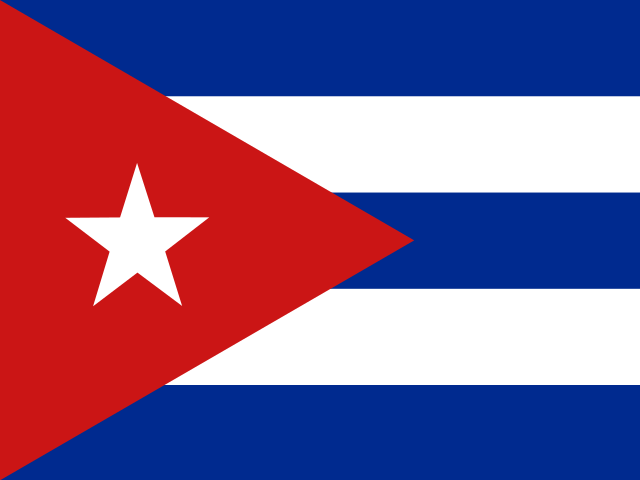
Cuban voters
VS
Republicans


Cuban Americans who supported President Trump are reportedly turning against Republican immigration policies.
The article suggests this frustration could affect Republicans at the ballot box.
*AI-generated summary of publicly available data. This is not an official statement of any party.
*AI-generated summary of publicly available statements and reporting. This is not an official statement of this party.
Supporters of Cuban voters argue that a community shaped by exile and anti-communist identity expects immigration policy to reflect that heritage, and they maintain that Republican enforcement measures seen as disregarding it threaten the party's cultural standing with these vote.
Supporters of Cuban voters argue that a community shaped by exile and political persecution expects immigration policy to reflect that history, and they see Republican enforcement measures as a cultural betrayal of the very values that drew Cuban Americans to the party.
Supporters of Cuban voters counter that their community's outlook is shaped by exile from a communist state, not a generic immigrant experience, so appeals to broad cultural resonance miss the specific anti-regime identity driving their politics.
Supporters of Cuban voters argue that legal immigration pathways should remain open and predictable, and they see Republican restrictions as a breach of that principle that warrants an electoral response.
Supporters of Cuban voters argue that backing immigration enforcement that targets one Hispanic group while shielding others treats similarly situated people unequally under the law, and they maintain that this selective treatment is what drives their ballot-box backlash.
Supporters of Cuban voters counter that the laws being enforced are themselves the issue, pointing to the Cuban Adjustment Act's unique legal pathway and arguing that lawful execution of statutes can still be challenged when those statutes conflict with the community's settled le.
Supporters of Cuban voters argue that Republican immigration policies now threaten the very voters who backed Trump, and they maintain that shifting this bloc's loyalty at the ballot box is the leverage needed to force the party to change course.
Supporters of Cuban voters argue that their swing toward Trump was transactional, and that Republicans now owe them protection from deportation—a debt they can collect at the ballot box if it goes unpaid.
Supporters of Cuban voters counter that a transactional coalition cuts both ways: once enforcement delivers, Miami's exile community owes Republicans nothing and can shop its anti-regime demands elsewhere, since loyalty was never the price.
Supporters of Cuban voters argue that a moral society cannot welcome one exile community while turning away others, so they hold Republicans accountable for immigration policies they see as betraying that principle.
Supporters of Cuban voters argue that backing leaders who later enact policies harming immigrant communities is a moral betrayal, and that voters bear a duty to hold parties accountable for the human costs of immigration enforcement.
Supporters of Cuban voters counter that equal enforcement is beside the point: they argue that a policy separating families or denying refuge to people fleeing oppression is morally wrong regardless of who it targets, so consistency cannot excuse it.
Supporters of Cuban voters argue that faith and family unity are sacred obligations, maintaining that immigration policies failing to honor those bonds conflict with the moral teachings their community holds.
Supporters of Cuban voters invoke faith and family unity, arguing that immigration enforcement separating families contradicts the moral duty to welcome the stranger and keep households intact.
Supporters of Cuban voters counter that scripture commands welcoming the stranger and that the Good Samaritan parable makes neighbor-love, not enforcement, the measure of moral order.
*AI-generated summary of publicly available statements and reporting. This is not an official statement of this party.
Supporters of Republicans argue that Cuban American frustration reflects a broader cultural clash over immigration enforcement, maintaining that strong borders and legal-order values resonate across immigrant communities once policies are seen as fair.
Supporters of Republicans argue the party’s immigration enforcement reflects a long-standing cultural commitment to lawful order, and they maintain that Cuban American frustration is a policy disagreement, not a rejection of that civic tradition.
Supporters of Republicans counter that the party's cultural standing rests on law-and-order and sovereignty, values Cuban exiles have long embraced, so firm enforcement reinforces rather than erodes that shared identity.
Supporters of Republicans argue that immigration enforcement follows existing statutes and that any voter frustration should be addressed through legislation, not by holding the party accountable for lawfully executed policy.
Supporters of Republicans argue that immigration enforcement is a legal duty Congress enacted, not a policy whim, and that courts have upheld executive discretion to remove those lacking lawful status.
Supporters of Republicans counter that immigration law gives Congress, not agencies, authority to set admission rules, so enforcing statutory limits is lawful governance rather than a breach.
Supporters of Republicans argue that Cuban-American frustration is a transactional warning, not a break: they maintain that delivering on border enforcement while shielding anti-regime Cubans preserves the coalition's incentive to stay.
Supporters of Republicans argue that Cuban-American frustration is transactional leverage, not defection: the party calculates that tough immigration enforcement buys more from its base than it loses, and will adjust messaging only if Cuban voters prove they can swing races.
Supporters of Republicans counter that electoral loyalty is transactional, not owed: Cuban-American voters who backed Trump did so for concrete gains, and the party calculates that delivering on those interests, not softening policy, is what keeps the bloc.
Supporters of Republicans argue that immigration enforcement applies equally to all nationalities, so Cuban voters frustrated by these policies should weigh them against the party's broader record rather than judging Republicans on a single issue.
Supporters of Republicans argue that immigration enforcement applies equally to all nationalities, so Cuban Americans should judge the policy by its consistency rather than group-specific exceptions.
Supporters of Republicans counter that a moral immigration system prioritizes lawfulness and national sovereignty over equal treatment of all arrivals, arguing that consistent enforcement—not open welcome—is the principled stance.
Supporters of Republicans argue that the party's immigration stance upholds the moral order and rule of law rooted in the nation's inherited traditions, and they maintain that enforcing these principles serves the common good rather than any single group.
Supporters of Republicans argue that religious freedom and family unity underpin their immigration stance, maintaining that faith communities and stable families, not open borders, sustain social order.
Supporters of Republicans counter that a nation's laws must reflect moral order, arguing that border enforcement protects families and communities rather than undermining sacred obligations.
AI-generated summary of publicly available statements and reporting. This is not an official statement of this party.
Supporters of Cuban voters argue that a community shaped by exile and anti-communist identity expects immigration policy to reflect that heritage, and they maintain that Republican enforcement measures seen as disregarding it threaten the party's cultural standing with these vote.
Supporters of Cuban voters argue that a community shaped by exile and political persecution expects immigration policy to reflect that history, and they see Republican enforcement measures as a cultural betrayal of the very values that drew Cuban Americans to the party.
Supporters of Cuban voters counter that their community's outlook is shaped by exile from a communist state, not a generic immigrant experience, so appeals to broad cultural resonance miss the specific anti-regime identity driving their politics.
Supporters of Cuban voters argue that legal immigration pathways should remain open and predictable, and they see Republican restrictions as a breach of that principle that warrants an electoral response.
Supporters of Cuban voters argue that backing immigration enforcement that targets one Hispanic group while shielding others treats similarly situated people unequally under the law, and they maintain that this selective treatment is what drives their ballot-box backlash.
Supporters of Cuban voters counter that the laws being enforced are themselves the issue, pointing to the Cuban Adjustment Act's unique legal pathway and arguing that lawful execution of statutes can still be challenged when those statutes conflict with the community's settled le.
Supporters of Cuban voters argue that Republican immigration policies now threaten the very voters who backed Trump, and they maintain that shifting this bloc's loyalty at the ballot box is the leverage needed to force the party to change course.
Supporters of Cuban voters argue that their swing toward Trump was transactional, and that Republicans now owe them protection from deportation—a debt they can collect at the ballot box if it goes unpaid.
Supporters of Cuban voters counter that a transactional coalition cuts both ways: once enforcement delivers, Miami's exile community owes Republicans nothing and can shop its anti-regime demands elsewhere, since loyalty was never the price.
Supporters of Cuban voters argue that a moral society cannot welcome one exile community while turning away others, so they hold Republicans accountable for immigration policies they see as betraying that principle.
Supporters of Cuban voters argue that backing leaders who later enact policies harming immigrant communities is a moral betrayal, and that voters bear a duty to hold parties accountable for the human costs of immigration enforcement.
Supporters of Cuban voters counter that equal enforcement is beside the point: they argue that a policy separating families or denying refuge to people fleeing oppression is morally wrong regardless of who it targets, so consistency cannot excuse it.
Supporters of Cuban voters argue that faith and family unity are sacred obligations, maintaining that immigration policies failing to honor those bonds conflict with the moral teachings their community holds.
Supporters of Cuban voters invoke faith and family unity, arguing that immigration enforcement separating families contradicts the moral duty to welcome the stranger and keep households intact.
Supporters of Cuban voters counter that scripture commands welcoming the stranger and that the Good Samaritan parable makes neighbor-love, not enforcement, the measure of moral order.
Supporters of Republicans argue that Cuban American frustration reflects a broader cultural clash over immigration enforcement, maintaining that strong borders and legal-order values resonate across immigrant communities once policies are seen as fair.
Supporters of Republicans argue the party’s immigration enforcement reflects a long-standing cultural commitment to lawful order, and they maintain that Cuban American frustration is a policy disagreement, not a rejection of that civic tradition.
Supporters of Republicans counter that the party's cultural standing rests on law-and-order and sovereignty, values Cuban exiles have long embraced, so firm enforcement reinforces rather than erodes that shared identity.
Supporters of Republicans argue that immigration enforcement follows existing statutes and that any voter frustration should be addressed through legislation, not by holding the party accountable for lawfully executed policy.
Supporters of Republicans argue that immigration enforcement is a legal duty Congress enacted, not a policy whim, and that courts have upheld executive discretion to remove those lacking lawful status.
Supporters of Republicans counter that immigration law gives Congress, not agencies, authority to set admission rules, so enforcing statutory limits is lawful governance rather than a breach.
Supporters of Republicans argue that Cuban-American frustration is a transactional warning, not a break: they maintain that delivering on border enforcement while shielding anti-regime Cubans preserves the coalition's incentive to stay.
Supporters of Republicans argue that Cuban-American frustration is transactional leverage, not defection: the party calculates that tough immigration enforcement buys more from its base than it loses, and will adjust messaging only if Cuban voters prove they can swing races.
Supporters of Republicans counter that electoral loyalty is transactional, not owed: Cuban-American voters who backed Trump did so for concrete gains, and the party calculates that delivering on those interests, not softening policy, is what keeps the bloc.
Supporters of Republicans argue that immigration enforcement applies equally to all nationalities, so Cuban voters frustrated by these policies should weigh them against the party's broader record rather than judging Republicans on a single issue.
Supporters of Republicans argue that immigration enforcement applies equally to all nationalities, so Cuban Americans should judge the policy by its consistency rather than group-specific exceptions.
Supporters of Republicans counter that a moral immigration system prioritizes lawfulness and national sovereignty over equal treatment of all arrivals, arguing that consistent enforcement—not open welcome—is the principled stance.
Supporters of Republicans argue that the party's immigration stance upholds the moral order and rule of law rooted in the nation's inherited traditions, and they maintain that enforcing these principles serves the common good rather than any single group.
Supporters of Republicans argue that religious freedom and family unity underpin their immigration stance, maintaining that faith communities and stable families, not open borders, sustain social order.
Supporters of Republicans counter that a nation's laws must reflect moral order, arguing that border enforcement protects families and communities rather than undermining sacred obligations.
President Trump's fellow Republicans might feel the brunt of frustration among Cubans at the ballot box, writes the BBC's Will Grant.