Deal critics
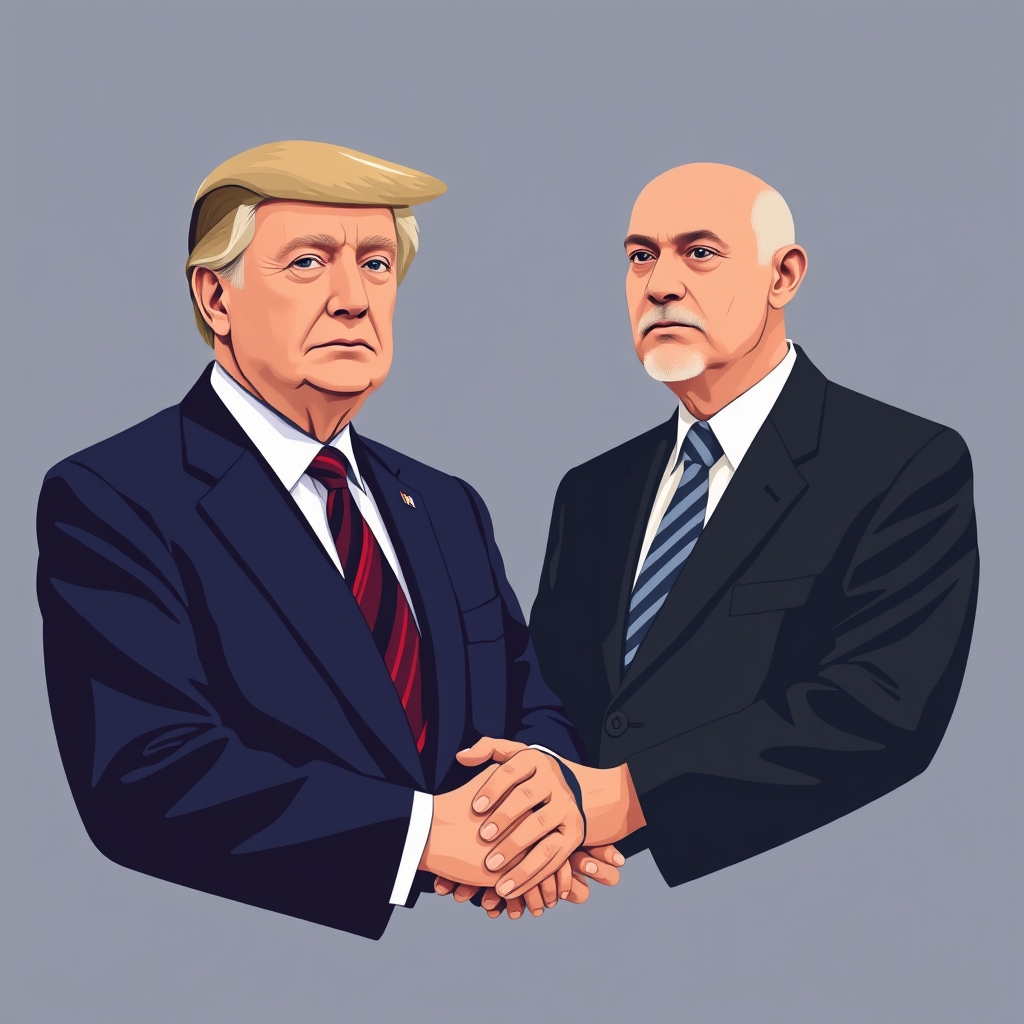
VS
Delcy Rodriguez

Delcy Rodríguez is Venezuela's interim president, a position she assumed amid the country's ongoing political and economic crisis.
She has been a key figure in the government of Nicolás Maduro, and critics describe her as deeply involved in creating an oppressive and corrupt structure that is profoundly anti-democratic.
Her leadership is now focused on navigating relations with the United States, particularly regarding oil deals.
The deal to supply oil to the United States has sparked debate over whether it compromises national sovereignty or is a pragmatic economic necessity.
Rodríguez defends the agreement, asserting that Venezuela retains sovereignty despite the deal.
Critics, including dissidents and hardliners within the regime, question her motives, with some viewing her accommodation as a betrayal and others wondering who to trust as she clings to power.
The stakes are high: the deal could provide economic relief but may also alienate hardliners and raise doubts about Washington's confidence in her leadership.
US intelligence reports have expressed concerns about her reliability, and her balancing act is seen as untenable by some analysts.
*AI-generated summary of publicly available data. This is not an official statement of any party.
*AI-generated summary of publicly available statements and reporting. This is not an official statement of this party.
Supporters of Deal critics argue the oil agreement erodes Venezuela’s cultural sovereignty, tying national patrimony to foreign dependence and undermining the Bolivarian legacy of self-determination.
Supporters of Deal critics argue that the oil deal erodes Venezuela’s cultural sovereignty, as it binds the nation’s patrimony to foreign interests, undermining the Bolivarian legacy of self-determination.
Deal critics counter that the oil deal’s framing as cultural resilience overlooks how it erodes Venezuela’s inherited social fabric, trading communal dignity for short-term external dependence.
Deal critics argue that Rodriguez's claim of sovereignty is legally untenable, as the deal grants the U.S. contractual leverage over Venezuelan assets, undermining constitutional control.
Deal critics argue that Venezuela's oil-supply accord, absent ratified legislative oversight, legally subordinates national patrimony to foreign contract terms, undermining constitutional sovereignty protections.
Deal critics counter that sovereignty does not shield contracts from constitutional limits, as Venezuela’s own legal framework requires legislative approval for such major oil agreements.
Supporters of Deal critics argue the oil pact is less about sovereignty and more about survival, as Rodriguez trades leverage for cash while Washington dictates terms. They point to the deal as proof that Venezuela’s power now flows from U.S. pipelines, not its own reserves.
Deal critics argue the oil-for-US pact is a power concession, not pragmatism, as Washington’s leverage over Venezuela’s revenue stream enables coercion regardless of rhetoric.
Critics of the deal counter that Venezuela’s "dictated terms" mask submission, as Washington’s sanctions relief remains a revocable lever, forcing Caracas to trade long-term leverage for short-term dollars.
Supporters of Deal critics argue the oil agreement trades national dignity for short-term gain, with Rodriguez's sovereignty claim failing to shield Venezuela from external leverage.
Deal critics argue that economic survival cannot justify surrendering national dignity, and they point to Delcy Rodriguez's deal as evidence that Venezuela's sovereignty is being quietly mortgaged for foreign approval.
Supporters of Deal critics counter that true moral duty lies in transparency, not survival at any cost, and that the deal’s secrecy betrays the Venezuelan people’s right to know how their oil wealth is spent.
Supporters of Deal critics argue that Venezuela's oil pact trades sacred national patrimony for foreign favor, warning that secular commerce erodes the moral authority of the homeland.
Supporters of Deal critics argue that Venezuela's sovereignty is a sacred trust from God, and no economic pact should barter away the nation's divine inheritance for foreign favor.
Deal critics counter that divine providence cannot bless a pact that starves Venezuelans, for sacred stewardship demands transparency, not secret bargains that enrich a few while the faithful go hungry.
*AI-generated summary of publicly available statements and reporting. This is not an official statement of this party.
Supporters of Delcy Rodriguez argue the oil deal affirms Venezuelan cultural resilience, framing it as a sovereign act of survival rather than submission.
Supporters of Delcy Rodriguez argue the oil deal reflects Venezuela’s cultural resilience, framing national identity as defined by sovereign decision-making, not external pressure.
Supporters of Delcy Rodriguez counter that the agreement honors Venezuela’s cultural sovereignty by ensuring oil wealth funds national education and heritage, not foreign control, and that self-determination thrives through strategic partnership, not isolation.
Supporters of Delcy Rodriguez argue that the oil deal is a lawful exercise of Venezuela’s sovereignty, as the government voluntarily contracts under its own legal authority.
Supporters of Delcy Rodriguez argue that the oil deal is a lawful exercise of sovereignty, as voluntary contracts between states do not cede legal control.
Supporters of Delcy Rodriguez counter that contractual leverage does not transfer sovereignty, as Venezuela retains ultimate legal authority over asset disposition. They argue the deal operates within constitutional bounds, with any U.S.
Supporters of Delcy Rodriguez argue the US oil deal is a raw power play, not a surrender—sovereignty is preserved because Venezuela dictates terms while securing hard currency it desperately needs.
Supporters of Delcy Rodriguez argue the oil deal is pure realpolitik: survival outweighs pride, and sovereignty is measured by who controls the final terms, not by symbolic resistance to Washington.
Supporters of Delcy Rodriguez counter that the deal is a calculated hedge, not surrender; the cash buys time and space to rebuild state capacity while Washington’s own sanctions relief quietly legitimizes Caracas’s control over its oil.
Supporters of Delcy Rodriguez argue that the oil deal upholds Venezuela's moral duty to provide for its people, framing sovereignty as the nation's right to choose pragmatic survival over isolation.
Supporters of Delcy Rodriguez argue that the oil deal upholds Venezuela’s moral duty to provide for its people, framing sovereignty not as isolation but as the right to choose pragmatic cooperation for humanitarian benefit.
Supporters of Delcy Rodriguez counter that sovereignty is not a shield but a moral imperative, arguing the deal upholds Venezuela’s right to self-determination against coercive external pressure.
Supporters of Delcy Rodriguez argue that the oil deal reflects divine providence, as stewardship of Venezuela’s resources is a sacred duty to sustain its people, not a surrender of God-given sovereignty.
Supporters of Delcy Rodriguez argue that the oil deal reflects divine stewardship, as Venezuela’s resources are a sacred trust to be used for its people’s survival, not surrendered sovereignty.
Supporters of Delcy Rodriguez counter that divine providence entrusts resources for the stewardship of the people, not for isolation, and that trade, when just, fulfills a sacred duty to uplift the vulnerable.
AI-generated summary of publicly available statements and reporting. This is not an official statement of this party.
Supporters of Deal critics argue the oil agreement erodes Venezuela’s cultural sovereignty, tying national patrimony to foreign dependence and undermining the Bolivarian legacy of self-determination.
Supporters of Deal critics argue that the oil deal erodes Venezuela’s cultural sovereignty, as it binds the nation’s patrimony to foreign interests, undermining the Bolivarian legacy of self-determination.
Deal critics counter that the oil deal’s framing as cultural resilience overlooks how it erodes Venezuela’s inherited social fabric, trading communal dignity for short-term external dependence.
Deal critics argue that Rodriguez's claim of sovereignty is legally untenable, as the deal grants the U.S. contractual leverage over Venezuelan assets, undermining constitutional control.
Deal critics argue that Venezuela's oil-supply accord, absent ratified legislative oversight, legally subordinates national patrimony to foreign contract terms, undermining constitutional sovereignty protections.
Deal critics counter that sovereignty does not shield contracts from constitutional limits, as Venezuela’s own legal framework requires legislative approval for such major oil agreements.
Supporters of Deal critics argue the oil pact is less about sovereignty and more about survival, as Rodriguez trades leverage for cash while Washington dictates terms. They point to the deal as proof that Venezuela’s power now flows from U.S. pipelines, not its own reserves.
Deal critics argue the oil-for-US pact is a power concession, not pragmatism, as Washington’s leverage over Venezuela’s revenue stream enables coercion regardless of rhetoric.
Critics of the deal counter that Venezuela’s "dictated terms" mask submission, as Washington’s sanctions relief remains a revocable lever, forcing Caracas to trade long-term leverage for short-term dollars.
Supporters of Deal critics argue the oil agreement trades national dignity for short-term gain, with Rodriguez's sovereignty claim failing to shield Venezuela from external leverage.
Deal critics argue that economic survival cannot justify surrendering national dignity, and they point to Delcy Rodriguez's deal as evidence that Venezuela's sovereignty is being quietly mortgaged for foreign approval.
Supporters of Deal critics counter that true moral duty lies in transparency, not survival at any cost, and that the deal’s secrecy betrays the Venezuelan people’s right to know how their oil wealth is spent.
Supporters of Deal critics argue that Venezuela's oil pact trades sacred national patrimony for foreign favor, warning that secular commerce erodes the moral authority of the homeland.
Supporters of Deal critics argue that Venezuela's sovereignty is a sacred trust from God, and no economic pact should barter away the nation's divine inheritance for foreign favor.
Deal critics counter that divine providence cannot bless a pact that starves Venezuelans, for sacred stewardship demands transparency, not secret bargains that enrich a few while the faithful go hungry.
Supporters of Delcy Rodriguez argue the oil deal affirms Venezuelan cultural resilience, framing it as a sovereign act of survival rather than submission.
Supporters of Delcy Rodriguez argue the oil deal reflects Venezuela’s cultural resilience, framing national identity as defined by sovereign decision-making, not external pressure.
Supporters of Delcy Rodriguez counter that the agreement honors Venezuela’s cultural sovereignty by ensuring oil wealth funds national education and heritage, not foreign control, and that self-determination thrives through strategic partnership, not isolation.
Supporters of Delcy Rodriguez argue that the oil deal is a lawful exercise of Venezuela’s sovereignty, as the government voluntarily contracts under its own legal authority.
Supporters of Delcy Rodriguez argue that the oil deal is a lawful exercise of sovereignty, as voluntary contracts between states do not cede legal control.
Supporters of Delcy Rodriguez counter that contractual leverage does not transfer sovereignty, as Venezuela retains ultimate legal authority over asset disposition. They argue the deal operates within constitutional bounds, with any U.S.
Supporters of Delcy Rodriguez argue the US oil deal is a raw power play, not a surrender—sovereignty is preserved because Venezuela dictates terms while securing hard currency it desperately needs.
Supporters of Delcy Rodriguez argue the oil deal is pure realpolitik: survival outweighs pride, and sovereignty is measured by who controls the final terms, not by symbolic resistance to Washington.
Supporters of Delcy Rodriguez counter that the deal is a calculated hedge, not surrender; the cash buys time and space to rebuild state capacity while Washington’s own sanctions relief quietly legitimizes Caracas’s control over its oil.
Supporters of Delcy Rodriguez argue that the oil deal upholds Venezuela's moral duty to provide for its people, framing sovereignty as the nation's right to choose pragmatic survival over isolation.
Supporters of Delcy Rodriguez argue that the oil deal upholds Venezuela’s moral duty to provide for its people, framing sovereignty not as isolation but as the right to choose pragmatic cooperation for humanitarian benefit.
Supporters of Delcy Rodriguez counter that sovereignty is not a shield but a moral imperative, arguing the deal upholds Venezuela’s right to self-determination against coercive external pressure.
Supporters of Delcy Rodriguez argue that the oil deal reflects divine providence, as stewardship of Venezuela’s resources is a sacred duty to sustain its people, not a surrender of God-given sovereignty.
Supporters of Delcy Rodriguez argue that the oil deal reflects divine stewardship, as Venezuela’s resources are a sacred trust to be used for its people’s survival, not surrendered sovereignty.
Supporters of Delcy Rodriguez counter that divine providence entrusts resources for the stewardship of the people, not for isolation, and that trade, when just, fulfills a sacred duty to uplift the vulnerable.
Venezuela’s interim President has given a televised address to defend a deal of Venezuelan oil for the United States.
As Rodríguez clings to power, dissidents wonder who to trust, with reports that she offers Washington economic wins on oil while slow-walking human rights progress.
US intelligence reports raised doubts about Washington's confidence in Rodríguez as interim president, following the oil deal.
In an online discussion, Venezuelans expressed strong negative opinions about Rodríguez, citing her denial of famine and luxurious lifestyle.
The Atlantic Council noted that Rodríguez's agreement with Trump could alienate regime hardliners, who would view her accommodation as a betrayal.
In a televised address, Delcy Rodríguez denounced US actions as 'an atrocity that violates international law', insisting on Venezuela's position.
Despite earlier criticism, Rodríguez toned down her rhetoric and expressed readiness to work with the US, indicating a shift in approach.
At the UN General Assembly, Venezuela's interim president Delcy Rodriguez thanked the man who delivered US regime change.
Seven years before the UNGA about-face, Delcy Rodriguez warned against US-led regime change in Venezuela.