Democratic doctors

VS
Trump administration
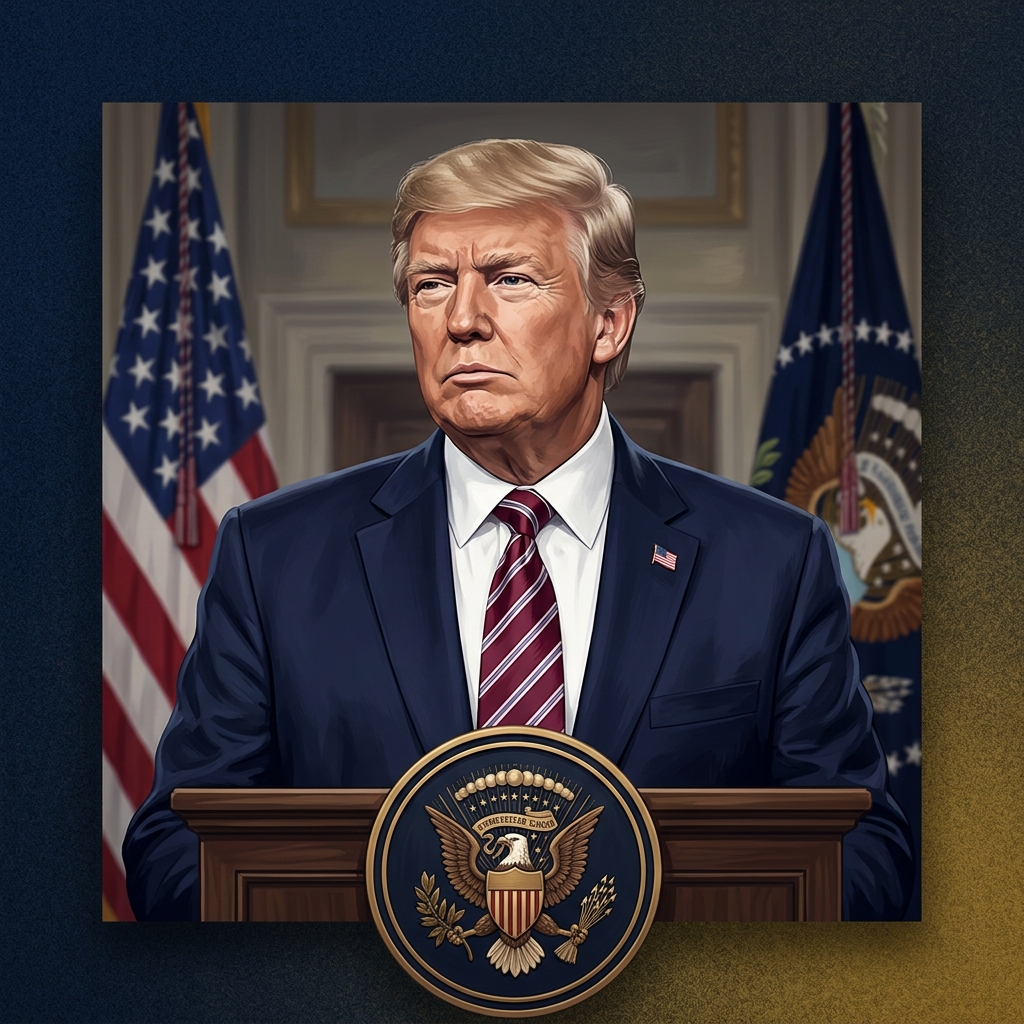
Democratic doctors are running in the 2026 midterms, seeking to convert backlash against the Trump administration's health policies into electoral votes.
The article frames this as a contest between these candidates and the administration's health agenda.
*AI-generated summary of publicly available data. This is not an official statement of any party.
*AI-generated summary of publicly available statements and reporting. This is not an official statement of this party.
Supporters of Democratic doctors frame the midterms as a cultural referendum on who health care belongs to, casting physicians as trusted community stewards defending care against the administration's agenda.
Supporters of Democratic doctors argue that their candidacies echo a long tradition of physicians entering politics as community guardians, casting the 2026 races as a cultural defense of caregiving values against an administration they say reduces health to a market commodity.
Supporters of Democratic doctors counter that medicine has its own cultural ethic—care without borders—so framing their campaigns as "outsider values" misreads a profession whose oath predates and transcends national politics.
Supporters of Democratic doctors argue that the administration's health policies exceed lawful executive authority, and they frame the 2026 races as a legal check to restore legislative and constitutional limits on that power.
Supporters of Democratic doctors argue that the administration's health policies exceed lawful executive authority, and they frame the 2026 midterms as a legal check to restore congressional and constitutional limits on that power.
Supporters of Democratic doctors counter that state medical boards hold independent legal authority over licensure and standards of care, so clinicians challenging federal policy are invoking settled law, not substituting professional judgment for the ballot.
Supporters of Democratic doctors argue that running as physicians converts public anger over Trump-era health policy into a credible electoral weapon, betting that professional authority and voter backlash outweigh any policy detail.
Supporters of Democratic doctors argue that running on health policy is a power play: medical credentials let candidates claim authority the administration lacks, converting public backlash into votes.
Supporters of Democratic doctors counter that credentials function as power: they argue a physician's authority to define illness and risk is itself the substantive lever, and that framing it as mere branding cedes that lever to opponents.
Supporters of Democratic doctors frame the race as a moral duty to protect patients, arguing that physicians who know the harm of the administration's health policies must enter politics rather than stay silent.
Supporters of Democratic doctors argue that a health policy affecting patients' care carries a moral duty to answer at the ballot box, framing the 2026 races as a test of accountability to those served.
Supporters of Democratic doctors counter that elected officials setting health policy without medical expertise risks patient welfare, arguing that moral duty to public health outweighs partisan authority.
Supporters of Democratic doctors argue that medicine is a sacred calling to heal, not a political tool, and maintain that opposing the administration's health agenda is a moral duty rooted in protecting the vulnerable.
Supporters of Democratic doctors argue that medicine is a moral calling, not a partisan tool, and that caring for the sick reflects a duty of conscience that the Trump administration's health policies betray.
Supporters of Democratic doctors counter that religious conviction also demands healing the sick and protecting the vulnerable, so they challenge the claim that policies restricting care uphold the sanctity of life.
*AI-generated summary of publicly available statements and reporting. This is not an official statement of this party.
Supporters of the Trump administration argue that health policy should reflect American self-determination, framing Democratic doctors' campaigns as an attempt to impose outsider values rather than respect local and national priorities.
Supporters of the Trump administration argue that Democratic doctors are politicizing medicine, and they maintain that health policy should reflect national priorities rather than a partisan cultural agenda imposed through the ballot.
Supporters of the Trump administration counter that casting physicians as community stewards is itself a cultural claim, asserting that health care debates should reflect local values and self-governance rather than a professional class's authority.
Supporters of the Trump administration argue that health policy belongs to the elected executive and Congress, not to doctors seeking office, and that voters should judge the administration's agenda through the ballot box rather than through litigation or professional authority.
Supporters of the Trump administration argue the president's health policies rest on lawful executive authority, and that electoral opposition from Democratic doctors is a political dispute to be settled at the ballot box, not in the courts.
Supporters of the Trump administration counter that health measures rest on existing statutory authority delegated by Congress, and they argue that courts—not campaign rhetoric—are the proper forum for testing any claim of executive overreach.
Supporters of the Trump administration argue that Democratic doctors are leveraging medical credentials as electoral branding, not policy substance, and that voters will judge the administration's health agenda by outcomes rather than professional titles.
Supporters of Trump administration argue that Democratic doctors are using white coats as political cover, and that voters reward results like price transparency over credentials.
Supporters of Trump administration counter that professional authority is a weak shield: once these doctors hold office, they own the same rationing, wait times and budget tradeoffs, and the White House can hang those failures on them.
Supporters of the Trump administration argue that elected officials, not medical professionals, should set health policy, and they frame Democratic doctors' campaigns as a bid to override voters' choices.
Supporters of the Trump administration argue that elected doctors pushing back against its health agenda are prioritizing partisan politics over patient care and the public's trust.
Supporters of the Trump administration counter that the moral duty runs to patients' access and choice, arguing that physicians who enter politics to impose one vision of care risk overriding the very patients they claim to protect.
Supporters of Trump administration argue that its health policies uphold the sanctity of life and moral order rooted in religious conviction, and they maintain that voters of faith should back leaders who defend these principles over political backlash.
Supporters of the Trump administration argue that its health policies uphold moral and religious convictions—such as conscience protections for medical professionals—and they maintain that governance should respect these faith-based values.
Supporters of the Trump administration counter that conscience protections let religious doctors practice their faith without coercion, arguing that safeguarding moral conviction, not opposing the health agenda, is the true moral duty.
AI-generated summary of publicly available statements and reporting. This is not an official statement of this party.
Supporters of Democratic doctors frame the midterms as a cultural referendum on who health care belongs to, casting physicians as trusted community stewards defending care against the administration's agenda.
Supporters of Democratic doctors argue that their candidacies echo a long tradition of physicians entering politics as community guardians, casting the 2026 races as a cultural defense of caregiving values against an administration they say reduces health to a market commodity.
Supporters of Democratic doctors counter that medicine has its own cultural ethic—care without borders—so framing their campaigns as "outsider values" misreads a profession whose oath predates and transcends national politics.
Supporters of Democratic doctors argue that the administration's health policies exceed lawful executive authority, and they frame the 2026 races as a legal check to restore legislative and constitutional limits on that power.
Supporters of Democratic doctors argue that the administration's health policies exceed lawful executive authority, and they frame the 2026 midterms as a legal check to restore congressional and constitutional limits on that power.
Supporters of Democratic doctors counter that state medical boards hold independent legal authority over licensure and standards of care, so clinicians challenging federal policy are invoking settled law, not substituting professional judgment for the ballot.
Supporters of Democratic doctors argue that running as physicians converts public anger over Trump-era health policy into a credible electoral weapon, betting that professional authority and voter backlash outweigh any policy detail.
Supporters of Democratic doctors argue that running on health policy is a power play: medical credentials let candidates claim authority the administration lacks, converting public backlash into votes.
Supporters of Democratic doctors counter that credentials function as power: they argue a physician's authority to define illness and risk is itself the substantive lever, and that framing it as mere branding cedes that lever to opponents.
Supporters of Democratic doctors frame the race as a moral duty to protect patients, arguing that physicians who know the harm of the administration's health policies must enter politics rather than stay silent.
Supporters of Democratic doctors argue that a health policy affecting patients' care carries a moral duty to answer at the ballot box, framing the 2026 races as a test of accountability to those served.
Supporters of Democratic doctors counter that elected officials setting health policy without medical expertise risks patient welfare, arguing that moral duty to public health outweighs partisan authority.
Supporters of Democratic doctors argue that medicine is a sacred calling to heal, not a political tool, and maintain that opposing the administration's health agenda is a moral duty rooted in protecting the vulnerable.
Supporters of Democratic doctors argue that medicine is a moral calling, not a partisan tool, and that caring for the sick reflects a duty of conscience that the Trump administration's health policies betray.
Supporters of Democratic doctors counter that religious conviction also demands healing the sick and protecting the vulnerable, so they challenge the claim that policies restricting care uphold the sanctity of life.
Supporters of the Trump administration argue that health policy should reflect American self-determination, framing Democratic doctors' campaigns as an attempt to impose outsider values rather than respect local and national priorities.
Supporters of the Trump administration argue that Democratic doctors are politicizing medicine, and they maintain that health policy should reflect national priorities rather than a partisan cultural agenda imposed through the ballot.
Supporters of the Trump administration counter that casting physicians as community stewards is itself a cultural claim, asserting that health care debates should reflect local values and self-governance rather than a professional class's authority.
Supporters of the Trump administration argue that health policy belongs to the elected executive and Congress, not to doctors seeking office, and that voters should judge the administration's agenda through the ballot box rather than through litigation or professional authority.
Supporters of the Trump administration argue the president's health policies rest on lawful executive authority, and that electoral opposition from Democratic doctors is a political dispute to be settled at the ballot box, not in the courts.
Supporters of the Trump administration counter that health measures rest on existing statutory authority delegated by Congress, and they argue that courts—not campaign rhetoric—are the proper forum for testing any claim of executive overreach.
Supporters of the Trump administration argue that Democratic doctors are leveraging medical credentials as electoral branding, not policy substance, and that voters will judge the administration's health agenda by outcomes rather than professional titles.
Supporters of Trump administration argue that Democratic doctors are using white coats as political cover, and that voters reward results like price transparency over credentials.
Supporters of Trump administration counter that professional authority is a weak shield: once these doctors hold office, they own the same rationing, wait times and budget tradeoffs, and the White House can hang those failures on them.
Supporters of the Trump administration argue that elected officials, not medical professionals, should set health policy, and they frame Democratic doctors' campaigns as a bid to override voters' choices.
Supporters of the Trump administration argue that elected doctors pushing back against its health agenda are prioritizing partisan politics over patient care and the public's trust.
Supporters of the Trump administration counter that the moral duty runs to patients' access and choice, arguing that physicians who enter politics to impose one vision of care risk overriding the very patients they claim to protect.
Supporters of Trump administration argue that its health policies uphold the sanctity of life and moral order rooted in religious conviction, and they maintain that voters of faith should back leaders who defend these principles over political backlash.
Supporters of the Trump administration argue that its health policies uphold moral and religious convictions—such as conscience protections for medical professionals—and they maintain that governance should respect these faith-based values.
Supporters of the Trump administration counter that conscience protections let religious doctors practice their faith without coercion, arguing that safeguarding moral conviction, not opposing the health agenda, is the true moral duty.
Democratic doctors are running in the 2026 midterms to oppose the Trump administration's health policies.